
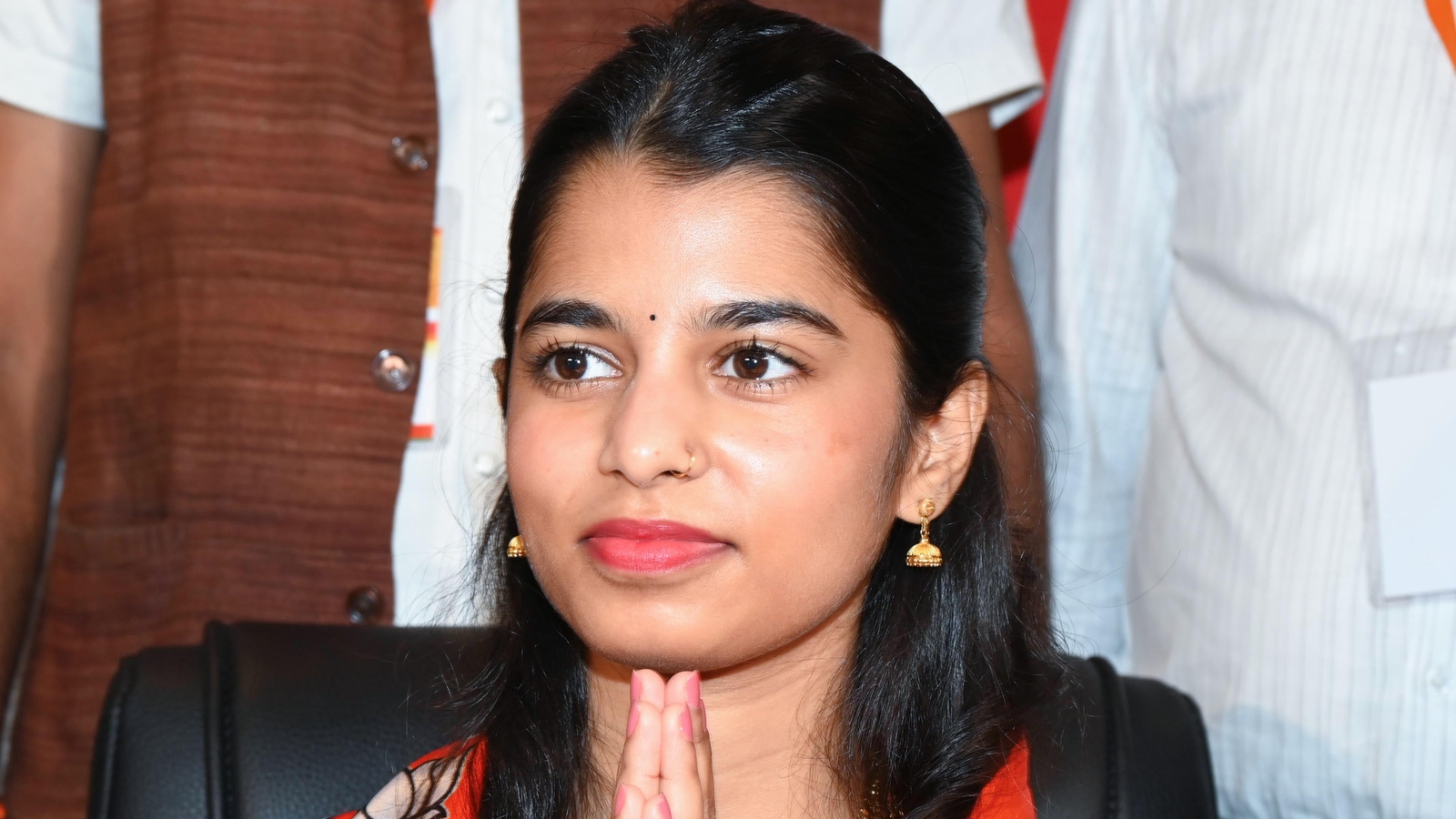
Maithili Thakur Raises Health Concerns in Bihar Assembly
First-time MLA Maithili Thakur made headlines this week when she openly questioned Bihar’s Health Minister in the state Legislative Assembly. Representing the Madhubani constituency, Thakur brought attention to the crumbling state of government hospitals, placing a spotlight on the health infrastructure crisis that affects thousands in her region. Her sharp intervention raised eyebrows, especially coming from a member of the ruling party.
Why Her Constituency Matters
Madhubani is located in the northern part of Bihar, close to the Nepal border. It’s a district known for its cultural richness but also chronic infrastructural deficits. For years, the area has struggled with poorly equipped hospitals, inadequate medical staff, and a lack of essential supplies. In rural pockets, access to basic healthcare often means traveling over 30 km, sometimes in emergencies where time is critical.
Maithili Thakur, who enjoys deep local roots and was elected with strong public support, has been vocal about civic issues. Her decision to bring hospital infrastructure to the floor of the Assembly reflects the growing frustration among constituents who face everyday challenges accessing healthcare services.
‘Not Satisfied’: Her Response to the Health Ministry
During the ongoing budget session, Thakur posed pointed questions to the Health Minister about the current condition of government health facilities in Madhubani. She specifically cited dilapidated buildings, shortage of doctors, and broken equipment. In response, the Minister assured that plans were in motion to allocate funds and upgrade facilities across the district.
However, Thakur expressed disappointment with the answer and publicly stated she was “not satisfied.” According to her, the response lacked concrete timelines and failed to acknowledge the urgency of the situation. “People are suffering today. Our children, our elderly—none of them get proper treatment. These are not issues we can delay anymore,” she emphasized.
“The Health Minister’s reassurance means little if it can’t address the day-to-day crises in our hospitals,” Thakur said during her follow-up remarks.
The Bigger Picture: Bihar’s Health System Under Pressure
Thakur’s intervention sheds light on a broader and ongoing issue in Bihar. Government hospitals across the state are grappling with chronic neglect. Many face resource shortages, leading to overworked doctors and long queues of patients. A recent survey by a local NGO revealed that more than 40% of Primary Health Centres (PHCs) in Bihar operate without adequate staff or basic infrastructure.
Experts have long raised concerns about state health spending. While Bihar has made strides through programs like the ‘Mukhyamantri Nishchay Swasthya Yojana,’ critics argue that execution remains weak at the ground level. Health workers, too, often complain about salary delays and insufficient training.
What Her Statement Signifies Politically
Maithili Thakur’s public dissent marks a significant moment in Bihar politics. With her own party opposite her on the issue, it represents a rare instance of an elected MLA putting public health concerns over political alignments. In a state where party loyalty is typically expected, Thakur’s insistence on accountability could inspire others to speak up.
Political analysts suggest this could be a signal of changing political dynamics within the Bihar assembly. Young legislators like Thakur are increasingly engaging with civic issues, and rather than towing the party line, they are demanding answers that resonate with citizen needs.
Voices from the Ground
Residents of Madhubani have welcomed her bold stance. Ramesh Yadav, a local schoolteacher, said, “At least someone is asking the real questions. We’ve been waiting for hospital upgrades for over a decade.” Other villagers cited pressing concerns such as the absence of ambulances, broken sanitation systems in hospitals, and lack of specialized care.
Doctors posted in the district also acknowledge the constraints. One retired physician, Dr. Sinha, remarked, “The infrastructure is collapsing. Even when we try our best, how can good care happen without tools or teamwork?”
What Comes Next?
With Thakur’s pointed criticism now part of the Legislative record, attention is expected to turn toward implementation. The Health Ministry has indicated it will conduct site visits in affected districts, including Madhubani. Meanwhile, watchdog groups and the press are likely to track developments closely as public pressure mounts.
For citizens, it’s a cautious moment of hope. It remains to be seen whether strong statements in the Assembly will translate to functional clinics, stocked shelves, and working diagnostic machines on the ground.
Conclusion: A Quiet Revolution in the Making?
In Bihar’s dynamic and often fractious political climate, Maithili Thakur’s question—not just what she asked, but how she asked it—may mark the beginning of a shift. Healthcare is not just a budget item. For many in districts like Madhubani, it’s a daily struggle. By focusing the spotlight on neglected government hospitals, she has potentially started a conversation that goes beyond politics, one about accountability and public service in its truest sense.
Whether this helps drive real change is a matter of time, monitoring, and continued public pressure. But for now, Maithili Thakur has clearly made her stand—and it’s grounded firmly in the needs of the people.