
At a Glance
Discover six easy 10-minute sabzi recipes perfect for busy cooks. These quick Indian vegetable dishes use common ingredients and simple steps, offering a delicious and healthy homemade meal in under 15 minutes. Ideal for weeknight dinners, lunches, or even a fast breakfast, these versatile recipes can be customized to your taste and dietary needs.
Key Takeaways
The main points at a glance
- Six different sabzi recipes can be prepared in just 10 minutes each.
- These recipes utilize common Indian spices and readily available vegetables.
- Preparation involves simple techniques like chopping and stir-frying, suitable for all skill levels.
- Tips for speeding up prep include pre-chopping vegetables and using a microwave for cooking potatoes.
- Avoiding common mistakes like overcrowding the pan and not drying vegetables properly ensures perfect results.
- These quick sabzis offer a healthy, homemade alternative to takeout for busy weeknights.
Why 10-Minute Sabzis Work for Busy Days
When you’re tired after a long day and hungry, the clock is ticking. These six sabzis are your answer, ready in 10 minutes flat. We all know that feeling: you walk in the door, exhausted from work or errands, and the last thing you want is to spend an hour in the kitchen. But you also want a real meal, not just takeout or a boring sandwich. That is where these quick 10-minute sabzi recipes come in.
Sabzi is a staple in Indian cooking, a simple vegetable dish cooked with spices. Traditionally, making sabzi takes time, often 30 minutes or more. But modern life does not always allow for that. The good news is that you can make a delicious, healthy sabzi in just 10 minutes. You do not need to be a master chef; you just need a few common ingredients and a little know-how.
These recipes are designed for speed. They use vegetables that cook fast, like potatoes, tomatoes, and greens. They rely on spices you probably already have in your kitchen and require only basic skills: chopping, stirring, and a bit of patience. The result is a flavorful side dish that goes well with roti, rice, or even bread. You can eat it for dinner, lunch, or even a quick breakfast.
The idea of a 10-minute sabzi might sound too good to be true, but it works. By choosing the right vegetables and using smart techniques, you can cut your cooking time significantly. No more waiting for onions to caramelize or slow simmering. Just fast, tasty food that fits your busy schedule.
These recipes also fit different dietary needs. They are naturally vegan and gluten-free if you use the right spices. That means anyone can enjoy them, whether you are vegetarian, vegan, or just looking for a lighter meal. You can also adjust the spices to suit your taste. Like it spicy? Add more chili. Prefer mild? Skip the heat. The choice is yours.
Let’s be honest: cooking should not be a chore. It should be something you enjoy, even on busy days. These sabzis help you do that. They are fast, simple, and satisfying. You can make them without stress and feel good knowing you are eating real food made from scratch.
The Six Quick Sabzi Recipes at a Glance
Here are the six sabzis that will change your weeknight cooking. Each one takes 10 minutes from start to finish, using common ingredients and simple methods. No fancy equipment needed, just a pan, a knife, and a little enthusiasm.
1. Aloo Sabzi (Potato Stir-fry)
This is a classic quick sabzi. You boil potatoes ahead of time or use leftover boiled potatoes. Then you fry them with cumin seeds, turmeric, and chili powder. It is simple, filling, and goes with anything.
2. Bhindi Sabzi (Okra Stir-fry)
Okra cooks fast if you slice it thin. You saute it with onions and spices until it is tender but not slimy. The key is to not overcrowd the pan to keep the okra crisp and tasty.
3. Tomato Sabzi (Tomato Curry)
This is a tangy, quick dish made from ripe tomatoes. You add mustard seeds, curry leaves, and a pinch of sugar to balance the sourness. It is great with rice or as a dip for bread.
4. Gobi Sabzi (Cauliflower Stir-fry)
Cauliflower needs a little prep. You cut it into small florets so it cooks fast. Then you stir-fry it with ginger, garlic, and spices. Add a splash of water and cover to let it steam for a minute. It comes out tender and flavorful.
5. Palak Sabzi (Spinach Stir-fry)
Spinach cooks down in just a few minutes. You saute garlic and onions, then add the spinach and cook until it wilts. Season with salt, pepper, and a pinch of garam masala. It is healthy and ready in no time.
6. Mix Veg Sabzi (Mixed Vegetable Stir-fry)
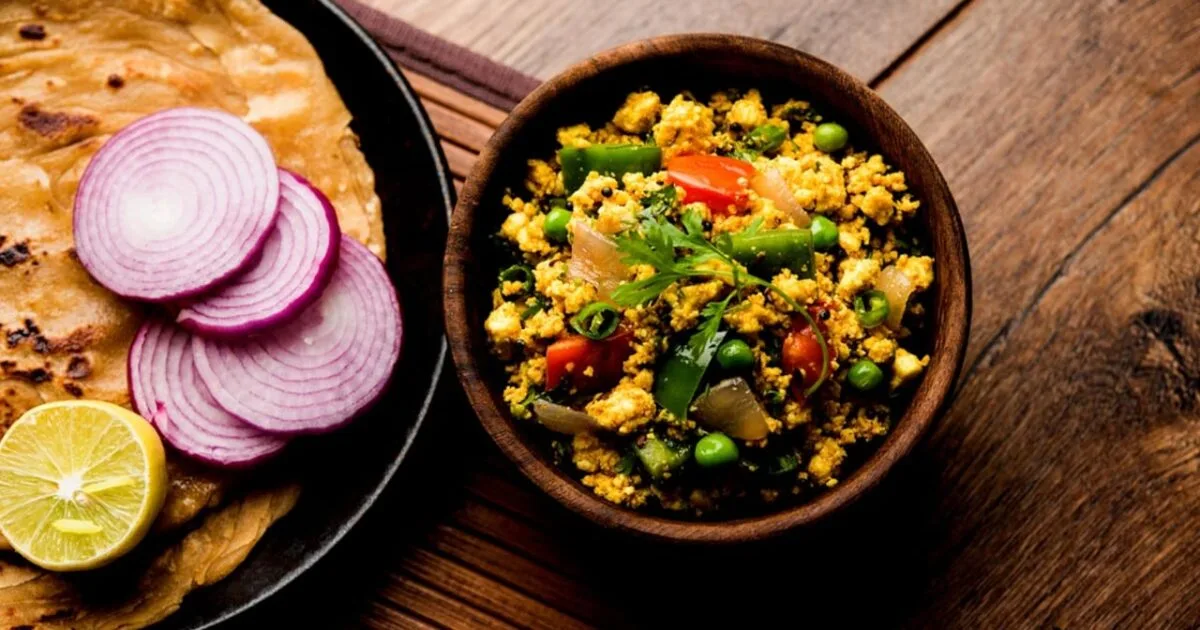
Use whatever vegetables you have on hand – carrots, beans, peas, or bell peppers. Chop them small so they cook evenly. Stir-fry with spices and a little water. This is a great way to use up leftovers in your fridge.
Common Ingredients for Quick Sabzis
One of the best things about these recipes is that you probably have most of the ingredients at home. Indian kitchens are stocked with a few key spices and staples that are the building blocks for quick sabzis. Here is what you need:
Spices: Cumin seeds, mustard seeds, turmeric powder, chili powder, garam masala, and salt. These are the basic spices for most sabzis and add huge flavor with minimal effort.
Oils and fats: Vegetable oil, mustard oil, or ghee. Oil is used for frying the spices and vegetables. Ghee adds a rich flavor, but oil works just fine. For a vegan option, use any plant-based oil.
Vegetables: Potatoes, tomatoes, okra, cauliflower, spinach, carrots, beans, peas, and onions. These are all common vegetables that cook quickly. You can mix and match based on what you have.
Fresh ingredients: Garlic, ginger, green chilies, and curry leaves. These add fresh flavor and aroma. You can keep ginger and garlic in the fridge for weeks, and green chilies and curry leaves freeze well.
Other useful items include lemon juice for a tangy finish, fresh coriander for garnish, and a pinch of sugar to balance flavors. That is all you need to make six different sabzis. Simple, right?
If you do not have all these spices, do not worry. You can substitute or skip some. For example, if you do not have cumin seeds, use cumin powder. If you do not have garam masala, just leave it out. The dish will still taste good. The key is to experiment and find what works for you.
Here is a quick tip: keep a small spice box or jar with the essential spices. That way, you can grab them quickly when you cook, saving time and making cooking easier.
Step-by-Step: How to Make Each 10-Minute Sabzi
Now let’s get into the details. Each recipe takes 10 minutes from start to finish. Follow these steps, and you will have a hot, homemade meal in no time.
Aloo Sabzi (Potato Stir-fry)
Start with boiled potatoes. If you have leftover boiled potatoes, this dish is ready in 5 minutes. If not, you can microwave potatoes for 5 minutes to cook them quickly. Peel and cube the potatoes. Heat 1 tablespoon of oil in a pan. Add 1 teaspoon cumin seeds and let them sizzle. Add the potatoes, plus 1/2 teaspoon turmeric, 1/2 teaspoon red chili powder, and salt to taste. Stir well and cook for 3-4 minutes until the potatoes are golden and crispy. Garnish with fresh coriander. Serve with roti or bread.
Bhindi Sabzi (Okra Stir-fry)
Wash and dry the okra thoroughly, then slice them into thin rounds. Heat oil in a pan. Add 1 teaspoon cumin seeds and 1 chopped onion. Saute for 2 minutes until the onion is soft. Add the okra, plus 1/2 teaspoon turmeric, 1/2 teaspoon chili powder, and salt. Stir well. Cook on medium heat for 5 minutes, stirring occasionally, until the okra is tender. Do not cover the pan, or the okra might get slimy. When done, add a squeeze of lemon juice and serve.
Tomato Sabzi (Tomato Curry)
For this tangy dish, chop 4 ripe tomatoes. Heat oil and add 1 teaspoon mustard seeds and a few curry leaves. Let them pop. Add a pinch of asafoetida (hing) if you have it, then add the tomatoes. Stir in 1/2 teaspoon turmeric, 1/2 teaspoon chili powder, and a pinch of sugar. Cook for 5 minutes until the tomatoes break down and form a thick sauce. Add salt and garnish with coriander. This sabzi is great with rice or flatbreads.
Gobi Sabzi (Cauliflower Stir-fry)
Cut the cauliflower into small florets. Heat oil in a pan. Add 1 teaspoon cumin seeds and 1 teaspoon grated ginger. Saute for 1 minute. Add the cauliflower florets, plus 1/2 teaspoon turmeric, 1/2 teaspoon chili powder, and salt. Stir to coat. Add 2 tablespoons of water, then cover the pan. Let it cook on low heat for 5 minutes. Check if the cauliflower is tender by piercing it with a fork. If not, cook for another minute uncovered. Sprinkle garam masala on top and serve hot.
Palak Sabzi (Spinach Stir-fry)
Wash and chop a bunch of spinach. Heat oil in a pan. Add 2 chopped garlic cloves and 1 chopped onion. Saute for 2 minutes until soft. Add the spinach, a handful at a time; it will shrink quickly. Stir in 1/2 teaspoon salt and a pinch of pepper or chili flakes. Cook for 2-3 minutes until the spinach is wilted and tender. Add a squeeze of lemon juice and serve. This healthy side dish cooks in less than 5 minutes.
Mix Veg Sabzi (Mixed Vegetable Stir-fry)
Gather whatever vegetables you have: carrots, beans, peas, bell peppers, or potatoes. Dice them into small cubes so they cook evenly. Heat oil in a pan. Add 1 teaspoon mustard seeds and 1 chopped onion. Cook for 2 minutes. Add the vegetables, plus 1/2 teaspoon turmeric, 1/2 teaspoon chili powder, and salt. Stir well. Add 1/4 cup water and cover. Cook for 5 minutes until the vegetables are tender. Uncover and cook for another minute to dry out excess water. Garnish with coriander. This sabzi is flexible and easy.
Tips to Speed Up Your Prep for 10-Minute Sabzi Recipes
Time is precious, so here are some tips to make these recipes even faster. First, prep your vegetables in advance. Chop onions, tomatoes, and ginger on the weekend or the night before and store them in airtight containers in the fridge. That way, you can just grab and cook.
Second, use a microwave for boiling potatoes or other hard vegetables. In 5 minutes, you can have soft potatoes ready for the aloo sabzi. It is faster than boiling on the stove.
Third, invest in a good knife. A sharp knife makes chopping quick and safe. Keep your knives sharp, and you will cut your prep time significantly.
Fourth, use frozen vegetables when fresh ones are not available. Frozen peas, green beans, and spinach work well. They are already washed and cut, so just add them directly to the pan. They cook in the same time as fresh.
Fifth, keep your spices organized. Store them in labeled jars near your stove so you can add them without searching. A small spice rack or tray can help.
Sixth, clean as you go. While the sabzi is cooking, wash the cutting board and knife. This keeps your kitchen tidy and saves time later.
Seventh, cook extra for leftovers. Double the recipe and store the extra in the fridge for lunch the next day. Sabzis taste even better the next day as the flavors meld together.
These tips may seem small, but they add up. With a little planning, you can have a hot sabzi on the table in 10 minutes or less. No stress, no fuss.
Common Mistakes to Avoid When Making Quick Sabzis
Even simple recipes can go wrong if you are not careful. Here are some common mistakes to avoid when making quick sabzis.
Overcrowding the pan. When you put too many vegetables in the pan at once, they steam instead of fry, making them mushy and watery. Cook in batches if needed. A single layer of vegetables ensures they cook evenly and get a nice golden color.
Not drying vegetables properly. Wet vegetables release steam and get soggy. After washing okra, spinach, or other vegetables, pat them dry with a towel. This helps them fry properly and prevents sliminess, especially with okra.
Skipping the tadka. The tadka is the initial frying of spices in hot oil, which releases the flavors and aromas that make sabzi taste authentic. Do not skip it. Heat the oil first, then add the spices and let them sizzle for a few seconds before adding vegetables.
Using too much water. Quick sabzis do not need much water. The vegetables release their own moisture as they cook. Adding water makes them boil instead of stir-fry. Use just a splash if needed, or rely on the vegetables’ natural moisture.
Cooking on low heat. For quick sabzis, you need medium-high heat. Low heat extends cooking time and can make vegetables limp. High heat gives a nice char and keeps the texture firm. Stir frequently to avoid burning.
Forgetting to taste and adjust. Always taste your sabzi before serving. Adjust salt or spices as needed. Everyone’s palate is different, and a little extra chili or lemon juice can make a big difference.
Not using fresh spices. Old spices lose their flavor. Check the date on your spice jars. If they smell weak, replace them. Fresh spices make a huge difference in taste.
Avoid these mistakes, and your sabzis will turn out perfect every time. Practice makes perfect; the more you cook, the faster and better you will get.
Wrap-Up: Your Weeknight Dinner Solution with 10-Minute Sabzi Recipes
There you have it – six easy, 10-minute sabzis that will change your weeknight cooking. No more ordering takeout or eating bland meals. With common ingredients and simple steps, you can make a delicious, healthy dish in no time.
These recipes are perfect for busy days when you are short on time but still want a real meal. They are versatile, too. You can adjust spices, swap vegetables, and add your own twists. Experiment and find your favorites.
Remember, cooking should not be a source of stress. It should be a way to nourish yourself and your family. These quick sabzis make it easy to enjoy homemade food even on the busiest days.
So next time you come home hungry and tired, do not reach for your phone to order food. Open your pantry, grab some spices, and create a delicious meal in minutes.
Frequently Asked Questions
What are the benefits of making 10-minute sabzi recipes?
10-minute sabzi recipes are ideal for busy individuals who want a quick, healthy, and homemade meal. They save time, reduce stress, and offer a delicious alternative to takeout or processed foods. These recipes are also versatile and can be adapted to various dietary needs.
What common ingredients are needed for these quick sabzis?
You'll typically need basic Indian spices like cumin seeds, mustard seeds, turmeric, chili powder, garam masala, and salt. Common vegetables include potatoes, tomatoes, okra, cauliflower, and spinach. Fresh ingredients like garlic, ginger, and onions are also essential.
How can I make the preparation of these sabzis even faster?
To speed up preparation, chop vegetables like onions, tomatoes, and ginger in advance and store them. Using a microwave to pre-cook potatoes or other hard vegetables can also save time. Keeping spices organized and using a sharp knife for chopping further streamlines the process.
What are some common mistakes to avoid when cooking quick sabzis?
Avoid overcrowding the pan, which leads to steaming instead of frying. Ensure vegetables are dried properly after washing to prevent sogginess. Don't skip the 'tadka' (tempering spices in oil) and use medium-high heat for quick cooking. Always taste and adjust seasoning before serving.
Are these 10-minute sabzi recipes suitable for dietary restrictions?
Yes, these recipes are naturally vegan and gluten-free, provided you use appropriate spices and cooking oils. They are a great option for vegetarians, vegans, or anyone looking for a lighter, healthier meal.
Can I use frozen vegetables for these recipes?
Absolutely. Frozen vegetables like peas, green beans, and spinach are excellent substitutes for fresh ones. They are already washed and cut, making them convenient and cooking in a similar timeframe.
References
- Short On Time? Try These 6 Easy 10-Minute Sabzis – Original report (NDTV Health)