At a Glance
A Border Security Force (BSF) recruit was caught after 12 days of training when his fingerprint did not match the one recorded during the recruitment exam. The impostor had paid ₹50,000 to a ‘solver’ to take the exam for him, but a routine biometric check at the training center exposed the BSF fingerprint fraud.
Key Takeaways
The main points at a glance
- A BSF recruit was identified as an impostor after 12 days of training due to a fingerprint mismatch.
- The recruit had paid ₹50,000 to a ‘solver’ to take the recruitment examination on his behalf.
- The fraud was uncovered during routine biometric data collection at the training center, which cross-referenced fingerprints with exam records.
- This incident highlights a vulnerability in the BSF’s recruitment process, where a delay in biometric verification allowed the impostor to train for nearly two weeks.
- Biometric checks are crucial for preventing fraud, but their effectiveness depends on timely and comprehensive implementation at all stages.
- The case raises questions about the extent of impersonation in government job recruitment and the need for stronger security measures.
Fingerprint Exposes BSF Recruit Fraud 12 Days into Training
When a recruit placed his finger on the biometric scanner 12 days into Border Security Force (BSF) training, he unknowingly revealed an elaborate scheme that had gotten him there. His own fingerprint betrayed the fraud, leading to an investigation that uncovered a carefully planned deception.
The Catch: How Fingerprints Snapped the Deceit
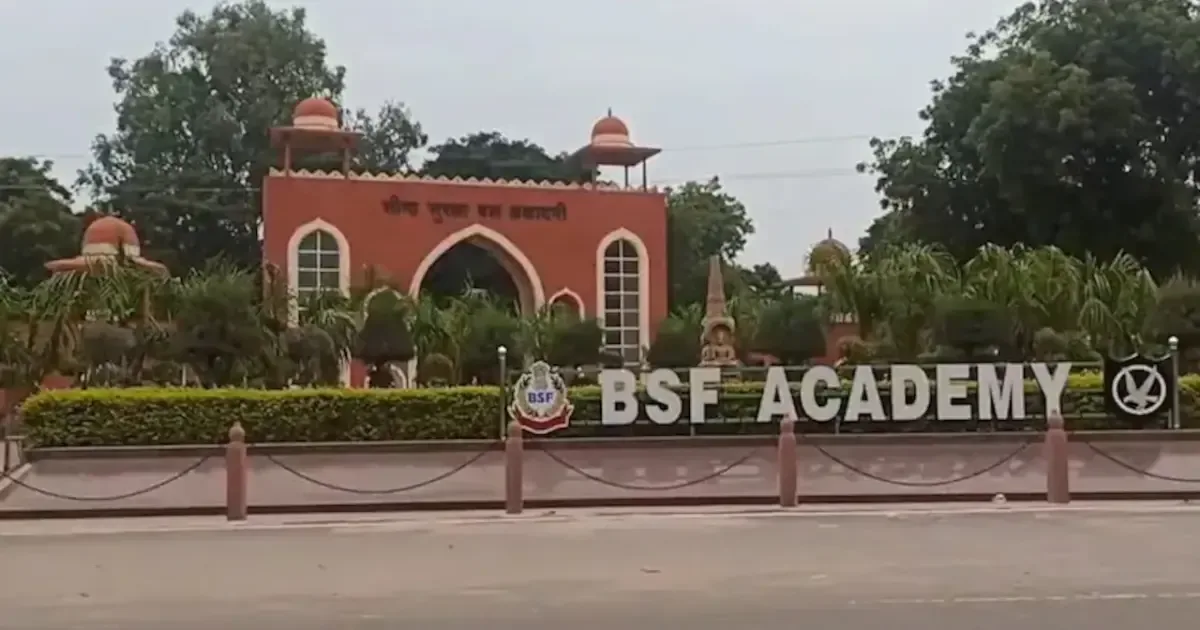
The Border Security Force (BSF) is India’s primary border patrol agency, employing over 250,000 personnel. Securing a job within the BSF is highly competitive, with thousands applying for limited positions. This particular recruit managed to pass the written exam, physical tests, and document verification before reporting for training.
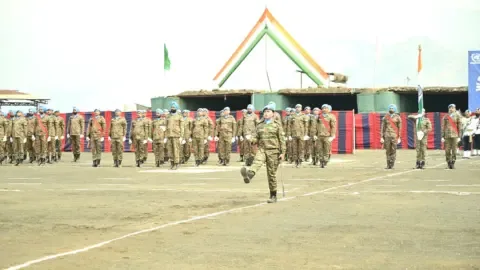
For 12 days, he trained alongside other recruits, wearing the uniform and learning drills. However, during routine biometric data collection for identity cards or attendance systems, his fingerprint was scanned. The system compared his print against records from the written exam, and the crucial mismatch was detected.
This discrepancy immediately halted the training and initiated an investigation. The recruit could not explain why his fingerprint differed from the one on record from the examination. The investigation confirmed that an impersonator had taken the recruitment test in his place.
The Scheme: Paying a ‘Solver’ ₹50,000 to Take the Exam
Reports indicate that the impersonator paid a stand-in writer, often called a ‘solver’ in India, ₹50,000 (approximately 600 US dollars) to take the recruitment examination. Solvers are hired by candidates who wish to avoid taking the test themselves. The solver completes the exam, and the candidate uses the passing result to secure a job.
The fee of ₹50,000, while substantial, is considered worthwhile by some for the security and benefits of a government job. The solver, likely experienced, provided his fingerprints as part of the BSF’s mandated biometric process during the exam. These prints were then stored in the database under the actual candidate’s name.
The real candidate proceeded through the subsequent selection stages, including physical tests and medical checks. He likely believed the most challenging part was over, but the biometric check during training ultimately exposed his deception.
The Timeline: From Exam Hall to Training Field
The BSF recruitment process typically involves a written exam, followed by physical efficiency tests, a medical examination, document verification, and finally, training. Biometrics are collected at various points, but the system’s integration can have gaps.
During the written exam, candidates provide fingerprints to prevent cheating and ensure identity. In this case, the solver’s prints were recorded but not immediately cross-referenced against a live database. The actual candidate, who did not take the exam, used the solver’s results to advance.
He passed the physical and medical evaluations. Document verification may have been navigated with forged documents or assistance. He was then selected for training.
For 12 days, the impostor attended classes and participated in physical training. The identity check against the exam fingerprints did not occur until the training center collected biometric data for its own records, such as for issuing ID cards or for attendance. The moment his fingerprint was scanned and compared to the exam database, the fraud was detected.
The 12-day delay might be attributed to the training center processing new recruits in batches. This gap allowed the impostor to remain within a security force training facility for nearly two weeks, highlighting a significant security vulnerability.
The Evidence: Biometric Checks as a Security Net
Biometric identification methods, including fingerprint scans, are widely used by government agencies to prevent fraud. The BSF employs them at critical recruitment stages. This case demonstrates both the effectiveness and limitations of such systems.
Fingerprints taken during the written exam are intended to serve as a record of the actual test-taker. A real-time check on the first day of training could have exposed the fraud immediately. However, the verification occurring on day 12 created an exploitable window.
It’s possible the training center lacked the immediate capability or authority to perform a real-time match against exam records. Data transfer to a central server or manual verification might have caused the delay, allowing the impostor to gain access.
Despite the delay, the biometric system ultimately functioned as a security net, catching the fraud. This success underscores the value of biometric technology, but also raises concerns about the timing of checks and the potential for undetected frauds due to similar delays.
Official Silence: What the BSF Has Not Said
The BSF has not issued a public statement regarding this specific incident, and official comments are not available from the sources. This silence leaves several questions unanswered about the actions taken and the investigation’s status.
Details regarding the arrest of the impersonator, legal proceedings, the tracing of the stand-in writer, or any internal inquiry into the security lapse remain undisclosed. Government agencies often refrain from commenting on ongoing investigations, but transparency is crucial in cases involving security breaches.
The lack of official information makes it difficult to verify all aspects of the case. While the detection method (fingerprint mismatch) and the payment to the solver (₹50,000) are known, specifics like names and locations are not public.
Impersonation in India’s Forces: A Pattern or an Anomaly?
Impersonation in government job exams is a recurring issue in India, with documented cases involving ‘solvers’ across various sectors like the army and railways. This incident raises questions about whether it represents a broader pattern within the BSF.
While current sources do not indicate other similar BSF cases, the organized nature of this fraud suggests the potential existence of networks facilitating such activities. The ₹50,000 payment points to a significant financial incentive for such operations.
The BSF has implemented measures like online applications and biometric verification to enhance its recruitment process. However, determined individuals continue to find ways to circumvent these safeguards, sometimes through bribery or technological manipulation. This case highlights a simpler method: using a substitute to take the exam.
This incident serves as a cautionary tale, suggesting that if one person could infiltrate the system, others might have succeeded as well. The BSF is likely reviewing its procedures to close such loopholes, with real-time fingerprint matching at all stages being a key recommendation.
Open Questions: Who Is the Real Culprit and Who Was the Stand-In?
Despite the details available, critical information about the individuals involved remains unknown. The identity of the man attempting to join the BSF, his background, motivations, and whether he acted alone or as part of a larger network are unclear.
Similarly, the identity of the solver who took the exam for ₹50,000 is not public. It is unknown if the police are actively tracing this individual or if the solver was aware of the fraudulent intent. Solver networks often involve agents who connect candidates with test-takers.
The lack of official confirmation on arrests or specific actions taken by the BSF adds to the mystery. However, it is clear that an individual gained access to a security force training program under a false identity and remained for 12 days before being detected by a fingerprint mismatch.
This case underscores the need for the BSF and other agencies to strengthen their verification processes. Implementing real-time biometric checks from the very start of training could prevent future impostors. Until such measures are fully in place, the risk of similar frauds persists.
Frequently Asked Questions
How was the BSF impersonator caught?
The impersonator was caught after 12 days of training when his fingerprint, taken for identification purposes at the training center, did not match the fingerprint recorded during the initial recruitment examination. This mismatch triggered an investigation that revealed the fraud.
What was the role of the 'solver'?
A 'solver' is a person hired to take an examination in place of the actual candidate. In this BSF fingerprint fraud case, the solver took the recruitment exam for ₹50,000, providing his own fingerprints, which were then associated with the real candidate's identity.
Why did it take 12 days to catch the impersonator?
The delay was likely due to the timing of biometric data collection at the training center. The system for cross-referencing fingerprints with exam records was not immediate, allowing the impostor to participate in training for nearly two weeks before the mismatch was detected.
What is the significance of the ₹50,000 payment?
The payment of ₹50,000 indicates a significant financial transaction involved in the BSF fingerprint fraud. This amount suggests a level of organization and investment by the candidate seeking to secure the government job through illicit means.
What are the security implications of this incident?
The incident highlights a security breach, as an unauthorized individual managed to infiltrate a BSF training facility for 12 days. It points to potential weaknesses in the verification process that need to be addressed to prevent future security risks.
Has the BSF commented on this case?
As of the reporting, the BSF had not issued a public statement regarding this specific incident. Official comments on ongoing investigations are often withheld by government agencies.
References
- 12 Days Into Training For Border Force, A Fingerprint Exposed His Fraud – Original report (NDTV India)
- 12 Days Into Training For Border Force, A Fingerprint Exposed His Fraud – NDTV – NDTV
- Fake constable caught in BSF recruitment case: Solver wrote exam for ₹50,000; exposed in biometric check – Bhaskar English – Added that the stand-in exam writer was paid ₹50,000 and that biometric check during training exposed the fraud.