At a Glance
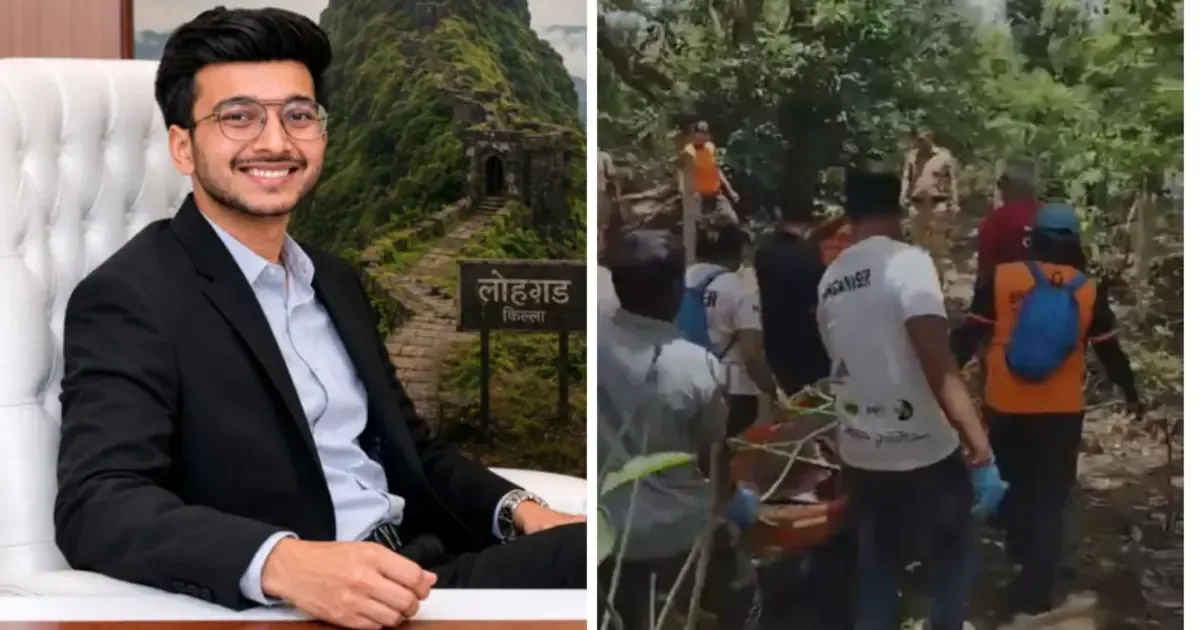
A man celebrating his birthday died after slipping into a gorge during a trek in Lonavala. The incident highlights the significant dangers of monsoon trekking in the region, where wet and slippery trails, especially near cliffs and gorges, pose a serious risk. This tragedy serves as a stark reminder for trekkers to prioritize safety, be aware of the conditions, and take necessary precautions to avoid similar accidents.
Key Takeaways
The main points at a glance
- A birthday trek in Lonavala turned fatal when a man slipped and fell into a gorge due to wet, slippery conditions.
- Monsoon trekking in Lonavala’s scenic but treacherous Western Ghats poses significant risks due to rain-slicked rocks and natural, unmaintained trails.
- Past incidents show a pattern of trekkers underestimating the dangers of wet terrain, leading to fatal falls, particularly near viewpoints and cliff edges.
- Essential safety measures include trekking in groups, informing others of your plans, checking weather forecasts, wearing proper gear with good grip, and maintaining a safe distance from edges.
- Authorities and tourism boards are urged to implement better signage, safety barriers, and public awareness campaigns to improve Lonavala trekking accident safety.
- Ultimately, trekkers must adopt a cautious mindset, prioritize safety over adventure, and understand that the goal is to return safely, not just to reach a destination.
The Birthday Trek That Turned Tragic
The monsoon rains had painted the hills of Lonavala a deep, lush green. The air was thick with the smell of wet earth and fresh leaves. For many, this is the perfect time to escape the city and walk among the clouds.
But for one man, what began as a birthday celebration in those beautiful hills ended in tragedy.
He had set out on a trek, a simple plan to mark another year of life with a journey through the scenic landscape near Lonavala, a popular hill station about two hours from Mumbai. The trek was supposed to be a joyful experience, a chance to enjoy nature and celebrate with friends or perhaps just on his own. The exact details of his group or his plans remain unclear from the reports.
What is known, however, is that his trek ended on a rain-soaked rock, with a sudden misstep that cost him everything.
The man fell into a gorge, a deep, narrow valley cut into the mountain by centuries of water. The cause, as reported by NDTV, was simple and unforgiving: he lost his balance on a damp, slippery surface. In that moment, a birthday celebration became a fatal accident.
This story is not just about one man’s tragic fall. It is a stark reminder of the hidden dangers that lie beneath the beauty of India’s monsoon landscapes. It is a warning for every trekker, every nature lover, and every person who thinks that a little rain cannot stop a good adventure.
What Happened During the Lonavala Trek
According to the news report, the incident occurred when the man, whose identity has not been publicly released, was trekking in the Lonavala area. The specific trail or gorge where the accident took place has not been named in the available reports. What is clear is that the terrain was wet, a common condition in this region during and after the monsoon season.
The report states that he lost his balance due to the damp, slippery surface. This is a frequent hazard on the rocky trails of the Western Ghats, the mountain range that runs through this part of India. The rocks, often covered in a thin layer of moss or lichen, become extremely treacherous when wet. A single step on an apparently stable stone can become a slide, and a slide can become a fall.
There is no information in the source about whether the man was trekking alone or with a group. There is no timeline of a rescue effort or any details about how long it took for his fall to be discovered. The report is a brief news alert, a sketch of a tragedy without the full picture. This lack of detail is itself a lesson: accidents in remote areas can go unreported for hours, and the window for rescue is often very small.
The story serves as a somber reminder of how quickly a joyful outing can turn into a nightmare. The birthday trek, meant to be a celebration of life, instead became a story of loss.
The Danger Beneath Lonavala’s Beauty: Slippery Monsoon Trails
Lonavala is famous for its scenic beauty. The hills, the waterfalls that roar to life during the monsoon, and the cool, misty air attract thousands of visitors every year. People come for the famous Lonavala kanda (a local sweet), for the views from Lion’s Point, and for the trekking trails that wind through the forests.
But the same rain that makes the landscape so beautiful also makes it deadly.
The trails in and around Lonavala, such as those leading to the Duke’s Nose, the Rajmachi Fort, and the various waterfalls, are not paved or maintained like city sidewalks. They are natural paths, often made of loose rock and uneven stone. When the monsoon hits, these paths become slick with water and mud.
Several specific gorges and cliff edges in the area are known for their slip hazards. The area around the ‘Lion’s Point’ viewpoint, for example, has a steep drop that is not fenced off. Trekkers often walk close to the edge for a better photo, not realizing that the wet rock beneath their feet is as slippery as ice.
Reports from previous years show that this is not an isolated incident. Similar fatalities have occurred in the Lonavala region during the monsoon season. In the past five years, there have been multiple cases of trekkers slipping and falling from the same types of dangerous, rain-slicked ledges. The pattern is consistent: a person on a trip, often a celebration or a holiday, underestimates the power of the wet ground, and pays the ultimate price.
The safety measures that exist are often inadequate. While some popular spots have basic signage warning people to stay away from the edge, many of the more remote trails have no such warnings. There are no guardrails on most of these natural paths. There are no fences to stop a person from stepping one foot too far. The only barrier between a trekker and a fatal fall is their own careful judgment.
Local authorities and tourism boards have occasionally responded with new warnings, especially during the peak monsoon season. They put out notices asking people to avoid trekking in the rain. But these warnings are not always heeded. The pull of the green hills, the promise of a perfect view, is strong. And for many, the risk seems small until it is too late.
A Solemn Reminder: Lonavala Trekking Accident Safety in the Monsoon
This tragedy is a clear, sad reminder that the monsoon season is not the time for casual trekking, especially on unfamiliar or unmarked trails. The focus keyword ‘Lonavala trekking accident safety’ is integrated here.
The weather in the mountains can change in an instant. A light drizzle can turn into a heavy downpour. The rocks that were dry an hour ago can become soaked and treacherous. The trails that were visible can become hidden under flowing water.
Many trekkers, especially those who are young and fit, believe they can handle the conditions. They think that their good shoes or their experience will keep them safe. But the truth is that no amount of experience can make a wet rock safe to stand on. No pair of shoes can completely prevent a slip on a moss-covered slope.
The key to safety in the monsoon is not skill or bravery. It is caution. It is the willingness to turn back. It is the understanding that the goal of the trek is not to reach the top or to take the best photo. The goal is to come back down safely.
For those who do choose to trek during the monsoon, there are a few simple rules that can make a difference.
First, always go with a group. Trekking alone is dangerous, especially in bad weather. If you fall, there is no one to call for help.
Second, tell someone where you are going. Leave a plan with a friend or family member. Know your route and your expected return time. If you do not come back, people will know where to look.
Third, check the weather forecast. Do not go if heavy rain is predicted. The trails will be at their most dangerous.
Fourth, wear proper gear. This means shoes with good grip, not just sneakers. It means a rain jacket to stay dry. It means a small first-aid kit and a charged phone.
And fifth, stay away from the edge. The most beautiful views are often the most dangerous. Do not stand on the edge of a cliff for a photo. Do not walk close to the side of a gorge. The ground can give way, and you will not have time to react.
These are not just tips for beginners. They are reminders for everyone. Even experienced trekkers have died on trails they knew well, because they took one step too close to the edge.
What Authorities Can Do for Lonavala Trekking Safety
In the wake of this accident, there has been no official statement from the police or local authorities that has been published in the available news reports. It is not uncommon for such incidents to be reported as brief news items, without a detailed follow-up from government agencies.
However, the lack of a formal statement does not mean that nothing can be done. The tragedy has happened, and it can serve as a catalyst for change.
Local authorities in Lonavala and the surrounding areas have, in the past, issued general warnings about the dangers of trekking in the monsoon. They have put up signs at some of the more popular viewpoints. But these efforts are often scattered and not enough.
What is needed is a more systematic approach to Lonavala trekking accident safety. This could include better signage on all major trails, with clear warnings in multiple languages. It could include the installation of basic guardrails or ropes at the most dangerous spots. It could include the deployment of more forest guards or guides during the peak season to warn people and keep them away from dangerous areas.
Tourism boards, which promote Lonavala as a destination, have a responsibility too. They can run safety campaigns, especially on social media, before the monsoon season starts. They can remind people that the beauty of the hills is not worth the risk of their lives.
But the most important change is not in rules or infrastructure. It is in the mindset of trekkers. The culture of adventure can sometimes push people to take unnecessary risks. The desire for a perfect photo or a thrilling story can override common sense.
The message from this tragedy is clear: the mountains are not a playground. They are a wild, natural place that demands respect. The rain does not make them safer. It makes them more dangerous. And every trekker must understand that before they step onto the trail.
Remembering the Victim of the Lonavala Trekking Accident
Within the available facts, we know very little about the man who died. We do not know his name, his age, or where he came from. We do not know if he was an experienced trekker or a first-time visitor. We do not know if he had family waiting for him at home, or friends who were supposed to join him on the trail.
What we do know is that he was celebrating a birthday. He had chosen to mark his special day with a trek in the hills. That simple fact tells us something about him. He was a person who loved nature. He was a person who wanted to see the world, to experience the beauty of the monsoon. He was a person who saw joy in the journey.
And that is what makes his loss so hard to accept. His joy turned to tragedy in a single moment. A slip on a wet rock. A fall that could not be stopped. A birthday that became a day of mourning for his loved ones.
We do not know his name, but we can still remember him. We can remember him as a warning. We can remember him as a reason to be more careful, to be more cautious, to be more aware of the dangers that lie hidden in the beauty we love.
His story is not just his own. It is a story that every trekker should hear. It is a story that should make us all stop, look at the wet ground beneath our feet, and take one step back from the edge.
Moving Forward: How to Trek Responsibly in Lonavala
The tragedy in Lonavala does not have to be the end of the story. It can be a beginning. It can be a starting point for a new conversation about how we enjoy the outdoors, and how we do it safely.
Trekking is a wonderful activity. It brings people close to nature, it gives them exercise, and it creates memories that last a lifetime. But those memories should be happy ones. They should not be stories of loss.
To ensure that, we all need to take responsibility for our own safety. We cannot rely on the authorities to put up fences everywhere. We cannot rely on the weather to be kind. We have to rely on ourselves.
Here is a simple way to think about it: before you go on a trek, ask yourself if you are ready for the worst. Are you ready to fall? Are you ready to get lost? Are you ready to be stranded in the rain? If the answer is no, then you are not ready to go.
Preparation is not about being scared. It is about being smart. It is about understanding that the mountains are not forgiving. They do not care about your plans or your celebrations. They are just rock and water and gravity. And gravity always wins.
So when you plan your next trek, especially in the monsoon season, plan for safety. Plan your route. Tell someone your plan. Bring the right gear. And most of all, plan to come back.
Because the best part of any trek is not the view from the top. It is the safe walk back down, the feeling of having seen something beautiful, and the knowledge that you will get to see it again another day.
For the man who died on his birthday trek in Lonavala, there was no safe walk back. His journey ended on a rain-soaked rock, in a gorge that will now hold his memory. His story is a quiet, sad reminder that the beauty of the world is not always safe. And that every step we take on a wet trail is a step that we must take with care.
Let his loss be a lesson. Let it be a reason for every trekker to be more cautious, more careful, and more aware. And let it be a reason to come home safe, so that the next birthday can be celebrated with joy, not with tears.
Frequently Asked Questions
What caused the Lonavala trekking accident?
The accident occurred when a man lost his balance on a damp, slippery surface while trekking in Lonavala. He then fell into a gorge. The wet conditions, common during the monsoon season, made the rocky terrain treacherous.
Is Lonavala trekking safe during the monsoon?
Trekking in Lonavala during the monsoon is dangerous. The rain makes natural trails extremely slippery, increasing the risk of falls, especially near cliffs and gorges. While beautiful, the monsoon conditions demand extreme caution.
What are the main dangers of Lonavala trekking in the rain?
The primary dangers include slippery rocks covered in moss or lichen, hidden water flows on trails, sudden changes in weather, and steep drops near viewpoints or gorges that are often unfenced. These conditions can lead to slips and fatal falls.
What safety precautions should trekkers take in Lonavala during the monsoon?
Trekers should always go in groups, inform someone about their trekking plans, check weather forecasts, wear sturdy shoes with good grip, carry a first-aid kit, and a charged phone. Most importantly, they must stay away from cliff edges and gorge sides.
What can authorities do to improve trekking safety in Lonavala?
Authorities can improve safety by installing clearer, multilingual signage on trails, adding guardrails or ropes at dangerous spots, and increasing the presence of forest guards or guides during peak monsoon season. They can also run public safety awareness campaigns.
Why is it important to avoid edges and gorges during monsoon treks?
The ground near edges and gorges becomes extremely unstable and slippery when wet. Even a slight misstep can lead to a fall into a deep gorge, with little to no chance of recovery. The most scenic spots are often the most dangerous.
References
- Trekking To Celebrate Birthday, Man Dies After Falling Into Lonavala Gorge – Original report (NDTV India)
- Trekking To Celebrate Birthday, Man Dies After Falling Into Lonavala Gorge – NDTV – Duplicate RSS feed version of the same article; no additional content was accessible.
- Mumbai Biker Clears Traffic For Ambulance, Wins Hearts Online – NDTV – Unrelated story about a biker clearing traffic for an ambulance; not connected to the Lonavala tragedy.