At a Glance
The room was buzzing. Chefs, food writers, and industry insiders had gathered for the NDTV Food Awards 2026. When the host called out Manu Chandra's name for Chef of the Year, the applause was loud and long. It was not just a prize. It was…
Key Takeaways
The main points at a glance
- The Award and the Man
- From Cannes to Davos: A Culinary Journey
- Why Indian Cuisine Hasn't Peaked Yet
- What Makes Manu Chandra's Vision Different
- The Role of Awards in Shaping Culinary Trends
The Award and the Man
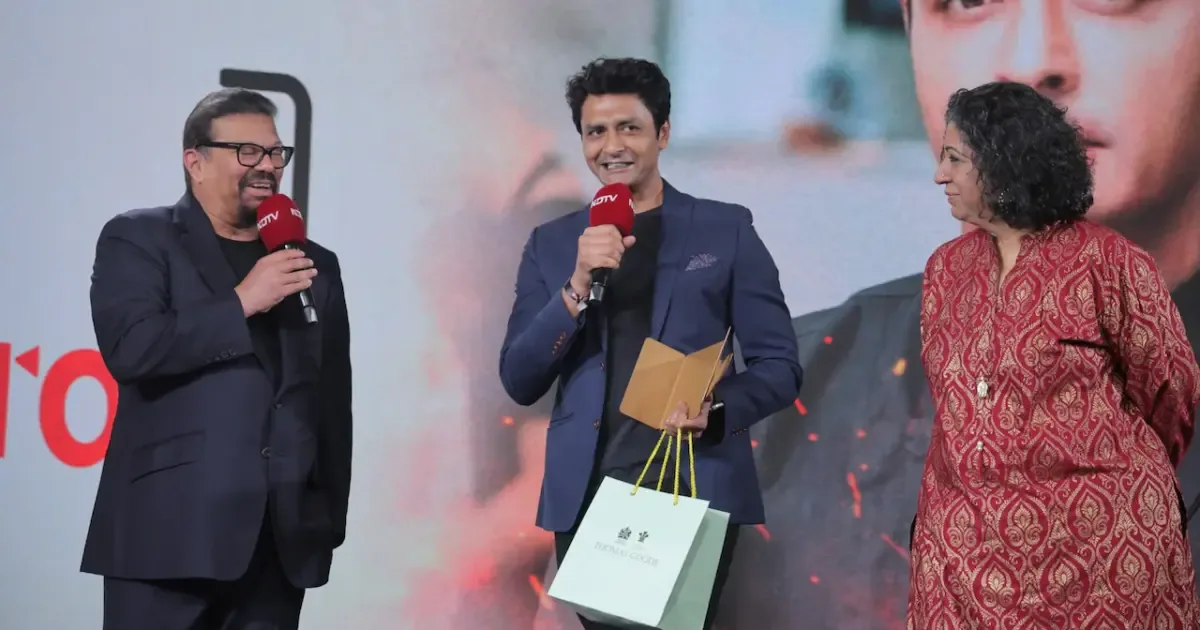
The room was buzzing. Chefs, food writers, and industry insiders had gathered for the NDTV Food Awards 2026. When the host called out Manu Chandra’s name for Chef of the Year, the applause was loud and long. It was not just a prize. It was a recognition of a career built on breaking boundaries.
Chandra walked to the stage in a simple dark jacket. He smiled, but he did not look like someone who thought he had reached the top. Instead, he said something that surprised many people. He told the audience that Indian cuisine’s biggest moment is still ahead of us. Not behind. Not right now. Still coming.
That statement caught attention. Here was a chef who has cooked at some of the finest restaurants in India. He has represented Indian food on global stages like the Cannes Film Festival and the World Economic Forum in Davos. He has seen the world take notice of Indian flavors. And yet, he said the best is yet to come.
The NDTV Food Awards are a big deal in India’s food world. They honor people who are changing how we eat, cook, and think about food. This year, the awards celebrated a range of talent. From home cooks who turned their hobbies into businesses to professional chefs who run busy kitchens. But the Chef of the Year award went to someone who thinks beyond just cooking. It went to someone who thinks about where Indian food is heading.
Manu Chandra is not a newcomer. He has been in the industry for over two decades. He started his career in fine dining and later helped build brands like Olive Bar and Kitchen and Monkey Bar. He is known for mixing traditional Indian techniques with modern ideas. But what sets him apart is his curiosity. He travels. He watches. He listens. And he brings that learning back to his kitchen.
At the awards event, other chefs also won honors. There were awards for best new restaurants, for innovation in cooking, and for using local ingredients. But Chandra’s win stood out because of his message. He did not just thank his team or his mentors. He used the platform to talk about the future.
From Cannes to Davos: A Culinary Journey
To understand why Chandra thinks the way he does, you have to look at where he has been. In the past few years, he has cooked at some of the most exclusive events in the world. Not just for celebrities or business leaders. For people who make decisions about culture, trade, and diplomacy.
One of those places was Cannes. The film festival in the south of France is known for glamour. But behind the red carpets, there is a lot of food talk. Chandra was invited to cook at a private dinner for film industry insiders. He served dishes that were distinctly Indian but presented in a way that a French or American guest could understand. Think of a delicate fish curry with a light sauce. Not heavy. Not overwhelming. Just enough to let the spices speak.
He said that experience taught him something important. People at Cannes were not looking for exotic food. They were looking for good food. And when they tasted his cooking, many of them said they had never experienced Indian food like that before. That is a common reaction, Chandra noted. Many people outside India think of Indian food as just curry and naan. They do not know about the regional varieties. The coastal flavors of Kerala. The tangy street food of Mumbai. The slow-cooked meats of Lucknow.
Then there was Davos. The World Economic Forum is where world leaders and CEOs meet to discuss big problems. Chandra was invited to cook there as part of a showcase of Indian culture. He served a menu that told a story. Each dish represented a different part of India. The idea was to show that Indian food is not one thing. It is many things. And it is always changing.
At Davos, Chandra said he met people who had traveled to India for business but never really explored the food. They had eaten in hotel restaurants. They had not eaten in homes or small eateries. He told them they were missing out. That is where the real magic is, he said. In the hands of home cooks who have been passing down recipes for generations.
n
These two experiences, Cannes and Davos, shaped his view. He saw that the world is ready for Indian food. But the world does not yet know what Indian food can be. There is a gap between what is served abroad and what is actually cooked at home in India. Chandra wants to close that gap.
Why Indian Cuisine Hasn’t Peaked Yet
Chandra’s statement that the biggest moment is still ahead is not just optimism. It is based on what he sees as a gap in global appreciation. He points to a few reasons why Indian food has not yet had its moment like other cuisines have.
Think about how Japanese food became popular. Sushi, ramen, and tempura spread across the world because there were clear, simple dishes that people could understand. The same thing happened with Italian food. Pizza and pasta are easy to explain. But Indian food is complex. A single dish can have ten spices. The cooking methods vary from region to region. There is no one way to represent it.
Chandra believes that Indian cuisine needs more than just good restaurants. It needs storytellers. People who can explain why a particular spice is used. Why a dish is cooked in a certain way. The history behind it. Without that story, he says, the food is just food. But with the story, it becomes culture.
Another gap is that Indian food abroad has often been simplified. Many Indian restaurants outside India serve a version of Indian food that is adapted for local tastes. It is often heavier, creamier, and less spicy than what you would find in India. Chandra said that is fine for a start. But it is not the real thing. And if the real thing never gets a chance, then the world will never know how good Indian food can be.
He also pointed out that Indian chefs have not had the same platform as chefs from other countries. French chefs get media attention. Italian chefs get cookbooks and TV shows. But Indian chefs, until recently, have been mostly working behind the scenes. That is changing, but slowly. Awards like the NDTV Food Awards help. They put a spotlight on the people who are doing the work.
Chandra said the future of Indian cuisine depends on two things. First, Indian chefs need to keep experimenting. They need to try new things without losing the essence of what makes Indian food special. Second, the world needs to be open to learning. Not just eating, but understanding. That takes time. But Chandra thinks the time is coming.
What Makes Manu Chandra’s Vision Different
Many chefs talk about the future of food. But Chandra’s vision is different because it is not just about cooking. It is about systems. He thinks about how food gets from the farm to the table. He thinks about who grows the spices and how they are treated.
At the awards ceremony, Chandra talked about the importance of using local ingredients. He said that Indian cuisine has a huge advantage because India grows so many things. From cardamom in the hills to coconuts on the coast. The variety of produce is amazing. But many chefs still rely on imported ingredients. They use French butter or Italian olive oil. Chandra said that is fine, but he wants to see more chefs using Indian ingredients in new ways.
He also thinks about sustainability. He said that as Indian food becomes more popular, there will be pressure to produce more. That could hurt the environment if it is not done carefully. He wants chefs to think about where their ingredients come from. He wants them to support local farmers and small producers.
Another thing that sets his vision apart is his focus on education. He does not just want to cook for people. He wants to teach them. He has been involved in talks and workshops where he explains Indian cooking techniques. He said that when people understand how a dish is made, they appreciate it more. It becomes more than just something to eat. It becomes a story.
Chandra also sees a role for technology. He said that social media and online videos have helped spread knowledge about Indian food. Young chefs can now watch videos from home. They can learn from masters without having to travel. That is opening up opportunities for a new generation of cooks who might not have had access before.
But he also warned that technology cannot replace real experience. He said that the best way to learn is still to cook with someone who knows. To stand in a kitchen and watch. To taste and adjust. That is how traditions are passed on. And that is how Indian food will grow.
The Role of Awards in Shaping Culinary Trends
Awards like the NDTV Food Awards do more than just give out trophies. They shape what people pay attention to. When a chef like Manu Chandra is named Chef of the Year, it sends a message. It says that this kind of thinking matters. It says that looking forward is as important as cooking well.
The NDTV Food Awards 2026 also recognized other trends. There were awards for plant-based cooking. For using millets and ancient grains. For reducing food waste. These are all signs that the food world is changing. People are thinking about health, the environment, and culture at the same time.
Chandra said that awards give chefs a platform. They can say things that might not get heard otherwise. He used his moment to talk about the need for more Indian chefs to go global. He said that when he was at Cannes and Davos, he was one of only a few Indian chefs. He wants to see more. He wants Indian food to be represented at every major food event in the world.
The awards also highlight the diversity of Indian food. The winners included chefs from different regions. Some from the south, some from the north. Some who specialize in street food, some in fine dining. That variety is important. It shows that Indian cuisine is not just one thing. It is a collection of many traditions.
Chandra said that the awards help build confidence. When a chef gets recognized, it encourages them to keep pushing. It also encourages others to try. Young chefs see that someone like them can make it. That is powerful.
What Comes Next for Indian Cuisine
So what does the future look like? Chandra thinks Indian food will become more visible in the next decade. He sees more Indian chefs opening restaurants abroad. Not just Indian food, but their personal take on it. He sees more Indian ingredients being used in global kitchens. Turmeric, cumin, and cardamom are already popular. But he thinks there will be more.
He also thinks that the way Indian food is presented will change. Right now, many Indian restaurants abroad are still in a traditional style. Heavy decor, dark colors, lots of gold. Chandra thinks that will shift. He sees a future where Indian food is served in clean, modern spaces. Where the focus is on the food, not the decoration.
Another change is in how Indian food is marketed. Chandra said that the word curry has been used too broadly. It covers too many things. He wants to see more specific names. More dishes being called by their real names. Biryani, not just rice. Vindaloo, not just curry. That helps people understand the variety.
He also thinks that Indian food will become more regional. Just like Italian food is known for different regions, Indian food will be known for its regions. People will talk about Goan food, Punjabi food, Bengali food. Not just Indian food. That is a more accurate way to describe it.
Chandra said that the biggest change will come from the next generation. Young chefs who grew up with the internet. They have seen food from all over the world. They are not afraid to mix things. They will take Indian flavors and put them into new forms. That is already happening. There are Indian-inspired tacos, pizzas, and burgers. Some purists do not like it. But Chandra sees it as a sign of growth.
He said that Indian food has always been about adaptation. The food that we call Indian today is a mix of influences from traders, invaders, and travelers. It has never been static. It is always changing. So the idea that it will change again is not strange. It is natural.
Lessons from a Chef Who Thinks Ahead
Manu Chandra’s story is not just about an award. It is about a way of thinking. He shows that success is not just about getting to the top. It is about looking at what is next. He has been to Cannes and Davos. He has cooked for the most powerful people in the world. But he does not think that is the peak.
For him, the peak is when Indian food is understood the way other cuisines are. When people know the difference between a chaat from Delhi and a dosa from Chennai. When they can name the spices and know why they are used. That is a high bar. But he thinks it is reachable.
His advice to young chefs is simple. Keep learning. Keep traveling. Do not be satisfied with what you know. And do not be afraid to share your food with the world. The world is ready. It is just waiting for the right moment.
Chandra also said that chefs should not forget their roots. He said that it is easy to get caught up in trends. To try to make food that looks good on social media. But the real test is taste. If the food does not taste good, nothing else matters. He wants chefs to focus on flavor first. Everything else comes second.
The NDTV Food Awards 2026 was a celebration of where Indian food is now. But Manu Chandra used his moment to look forward. He said that this is just the beginning. That there is much more to come. And that the biggest moment is still ahead. For a chef who has already done so much, that is a bold statement. But if you listen to him, you might believe it too.
Frequently Asked Questions
Who is Manu Chandra?
Manu Chandra is a chef who has been in the food industry for over two decades. He is known for blending traditional Indian cooking methods with modern ideas. He has also helped build popular restaurant brands in India.
What award did Manu Chandra receive?
Manu Chandra received the Chef of the Year award at the NDTV Food Awards 2026. This award recognizes his contributions to breaking boundaries in Indian cuisine.
Why does Manu Chandra believe Indian cuisine's biggest moment is still ahead?
Chandra believes this because there is a gap in global understanding and appreciation of Indian food's diversity. He feels the world is ready for more, but doesn't yet know the full scope of what Indian cuisine can offer.
What experiences shaped Manu Chandra's view on Indian cuisine?
Experiences cooking at exclusive events like the Cannes Film Festival and the World Economic Forum in Davos shaped his view. These events showed him that people are interested in Indian food but often lack a deeper understanding of its regional varieties.
How is Indian food often simplified abroad, according to Chandra?
Chandra notes that Indian food served outside India is often simplified and adapted for local tastes. It can be heavier, creamier, and less spicy than authentic dishes found in India.
What does Indian cuisine need to reach its full potential?
Chandra believes Indian cuisine needs more than just good restaurants; it needs storytellers. These individuals can explain the history, spice usage, and cooking methods behind dishes to convey the culture.
What is the difference between food served abroad and food cooked in India?
Chandra sees a gap between the Indian food commonly served internationally and the authentic dishes prepared in homes and small eateries across India. He aims to help close this gap by showcasing the real flavors and diversity.
References
- Why NDTV Food Awards' Chef Of The Year Manu Chandra Thinks Indian Cuisine's Biggest Moment Is Still Ahead – Original report (NDTV Health)
- Why NDTV Food Awards' Chef Of The Year Manu Chandra Thinks Indian Cuisine's Biggest Moment Is Still Ahead – NDTV Food – Original RSS item providing the central hook: Chef Manu Chandra wins Chef of the Year and believes Indian cuisine's peak is still ahead.
- India’s Culinary Stars Shine at NDTV Food Awards 2026 – MediaNews4U – Confirms the NDTV Food Awards 2026 event and lists Manu Chandra among the honored culinary stars.