At a Glance
Despite claims by Donald Trump that a deal has been signed with Iran, leaving the country financially and militarily “finished,” evidence suggests otherwise. Multiple reports indicate delayed peace talks, ongoing fighting, and dissatisfaction from the US side. Furthermore, the inclusion of a parody government website and factual errors regarding the current US presidency cast significant doubt on the authenticity and finality of the alleged agreement.
Key Takeaways
The main points at a glance
- Claims of a finalized deal with Iran, including Iran’s military and financial ruin, are contradicted by multiple news reports.
- Other sources indicate that peace talks are delayed due to ongoing fighting and that the US is not yet satisfied with any potential agreement.
- Significant factual errors, such as referring to Donald Trump as the current US president, undermine the credibility of the initial report.
- The presence of a parody website mimicking a government source raises serious concerns about the research and information presented.
- The geopolitical implications, particularly regarding the Strait of Hormuz, remain uncertain if a stable and verified agreement is not reached.
- Readers are advised to approach such claims with skepticism due to conflicting information and untrustworthy sources.
Trump Iran Deal Claim Analysis: Examining the Evidence
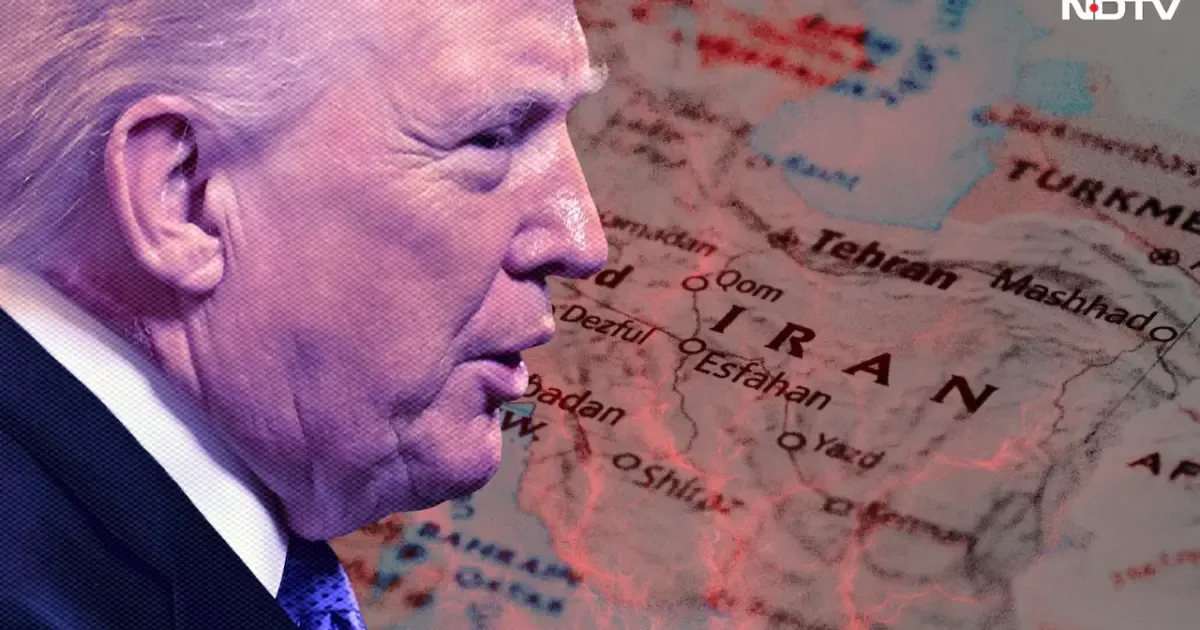
Donald Trump recently claimed that Iran is “Finished. No Air Force, Navy, They Get No Money.” This statement, reportedly made in relation to a supposed deal signed with Iranian President Masoud Pezeshkian, suggests a decisive victory for the United States. However, a closer look at various reports and timelines reveals significant contradictions, casting doubt on the validity and finality of such an agreement.
The Controversial Quote and Conflicting Reports
The initial report, suggesting a deal was signed following US and Israeli strikes on Iran on February 28, presents a dramatic narrative of swift resolution. However, multiple other news outlets indicate that peace talks are delayed and that the US remains unsatisfied, with ongoing conflict. This stark contrast raises questions about the accuracy of the initial claim.
Questions About the Deal’s Authenticity
A key issue with the reported deal is the timeline and the involvement of Donald Trump. As of 2025, Trump is not the sitting US president; Joe Biden holds that office. While a former president can engage in negotiations, the absence of the current administration’s involvement and the confusing timeline surrounding the alleged signing create skepticism.
Trump’s assertion of Iran’s complete military and financial ruin as part of the deal is a bold claim. Reports from The Hill suggest Trump is claiming “unconditional surrender” from Iran, an even more extreme outcome. Yet, other sources, like Mediaite, point to delayed peace talks due to continued fighting, which directly contradicts the idea of a finalized peace agreement.
Further complicating matters, The Korea Times quotes Trump stating the US is “not satisfied” yet and that the Strait of Hormuz will be “open to everybody.” This sounds more like stated objectives or conditions for a potential deal rather than a confirmed, signed agreement.
Analyzing the Conflict Timeline
The reported start date of the conflict, February 28, with US and Israeli strikes on Iran, followed by a supposed deal within weeks, presents an unusually rapid conclusion for a military engagement. Such swift resolutions, especially involving complete surrender, are rare in international conflicts.
If, as some reports suggest, fighting is still ongoing, it directly challenges the notion of a signed peace deal. Similarly, if the US is still expressing dissatisfaction, the deal cannot be considered final. These timeline inconsistencies undermine the credibility of the reported agreement.
Contradictions Highlight Uncertainty
The discrepancies between various reports are significant:
- Report 1 (NDTV): Claims a deal is signed, with Iran’s military and finances crippled.
- Report 2 (The Hill): States Trump claims “unconditional surrender” from Iran.
- Report 3 (Mediaite): Reports that peace deal talks are delayed due to ongoing fighting.
- Report 4 (U.S. Department of War – parody): Claims Trump stated objectives are near completion and Iran is no longer a “bully.”
- Report 5 (The Korea Times): Quotes Trump saying the US is “not satisfied” and the Strait of Hormuz will be “open to everybody.”
Notably, four out of these five reports do not confirm a signed deal, instead focusing on claims, delays, and dissatisfaction. The single report claiming a finalized deal also contains a significant error by presenting Trump as the current president. This pattern suggests the narrative may be exaggerated or fabricated.
The Suspicious ‘U.S. Department of War’ Source
One of the sources cited, the “U.S. Department of War” with a .gov address, is highly suspect. The actual US government department responsible for military affairs is the Department of Defense, not the Department of War, which was dissolved in 1947. Such websites often use official-looking domains to lend false credibility to satirical or fabricated content.
The inclusion of a parody source in a news summary casts doubt on the overall research and the reliability of the information presented. It suggests a lack of rigorous fact-checking and a potential mix of legitimate reporting with misinformation.
Geopolitical Implications: The Strait of Hormuz
The potential opening of the Strait of Hormuz, a critical global oil shipping route, is a significant aspect of the reported claims. If the Strait is indeed secured and open, it could lead to lower oil prices and improved global shipping stability. Iran has previously threatened to block this waterway during conflicts.
However, if the reported deal is not real or is incomplete, the Strait of Hormuz remains a potential flashpoint. The ongoing tension and potential for renewed conflict could threaten this vital passage. The silence from international bodies like the United Nations and the European Union on this reported deal further suggests it may not be legitimate.
Unanswered Questions and Future Outlook
This situation leaves several critical questions unanswered:
- Is the deal truly signed? Conflicting reports and the presence of significant errors suggest it is unlikely.
- What is the real state of Iran’s military? While strikes may have weakened it, claims of total destruction are unverified.
- Why the presidential error? This mistake points to potential issues with the source’s reliability or speculative reporting.
- How to interpret the parody source? It should be disregarded as non-credible.
- What are the implications for global energy? The future of the Strait of Hormuz remains uncertain if a stable agreement is not reached.
In conclusion, while Donald Trump has made strong claims about a deal with Iran, the available evidence suggests that the agreement is not finalized, or possibly not real at all. The contradictions in reporting, the presence of a parody source, and the lack of confirmation from official channels necessitate a skeptical approach. True journalistic practice involves questioning narratives, especially those that sound too good or too definitive to be true, until independent verification and consistent information emerge.
Frequently Asked Questions
What did Donald Trump claim about a deal with Iran?
Donald Trump reportedly claimed that Iran is "Finished. No Air Force, Navy, They Get No Money." This was in the context of a supposed deal signed with Iranian President Masoud Pezeshkian, suggesting a complete victory for the US.
Are there any credible reports of a signed deal with Iran?
While one report suggests a deal was signed, multiple other news sources indicate that peace talks are delayed and the US is not satisfied. These conflicting reports cast doubt on the finality of any agreement.
What are the issues with the timeline of the alleged deal?
The timeline is confusing. One report suggests a deal was signed shortly after US and Israeli strikes on February 28, but other reports mention ongoing fighting and delayed talks. Also, Donald Trump is no longer the sitting US president.
Why is the 'U.S. Department of War' source considered unreliable?
The 'U.S. Department of War' is not a real government entity; the correct department is the Department of Defense. Such sources often use official-looking domains to spread satire or misinformation, making them untrustworthy.
What is the significance of the Strait of Hormuz in this context?
The Strait of Hormuz is a vital global oil shipping route. Trump reportedly stated it would be "open to everybody." If true, this could stabilize oil prices, but if the deal is not real, the Strait remains a potential flashpoint for conflict.
What should the public conclude about Trump's claims?
Given the conflicting reports, factual errors, and unreliable sources, the public should approach these claims with significant skepticism. The alleged deal is not confirmed, and the situation remains uncertain.
References
- "They're Finished. No Air Force, Navy, They Get No Money": Trump On Iran Deal – Original report (NDTV World)
- "They're Finished. No Air Force, Navy, They Get No Money": Trump On Iran Deal – NDTV – NDTV
- Trump insists he won ‘unconditional surrender’ from Iran – The Hill – Reports Trump's claim of 'unconditional surrender' from Iran.
- ‘They Get No Money!’: Trump Insists Iran Is ‘FINISHED’ as Peace Deal Talks Delayed by Fighting – Mediaite – Notes that peace deal talks are delayed by ongoing fighting, contradicting the signed deal claim.
- Trump: Objectives in Iran Near Completion, Terrorist Nation 'Bully No Longer' – U.S. Department of War (.gov) – Claims Trump says objectives near completion; the publisher name is suspicious and likely satirical.
- Trump says US 'not satisfied' yet in Iran deal, Strait of Hormuz will be 'open to everybody' – The Korea Times – Quotes Trump saying US is not satisfied yet and that the Strait of Hormuz will remain open.