At a Glance
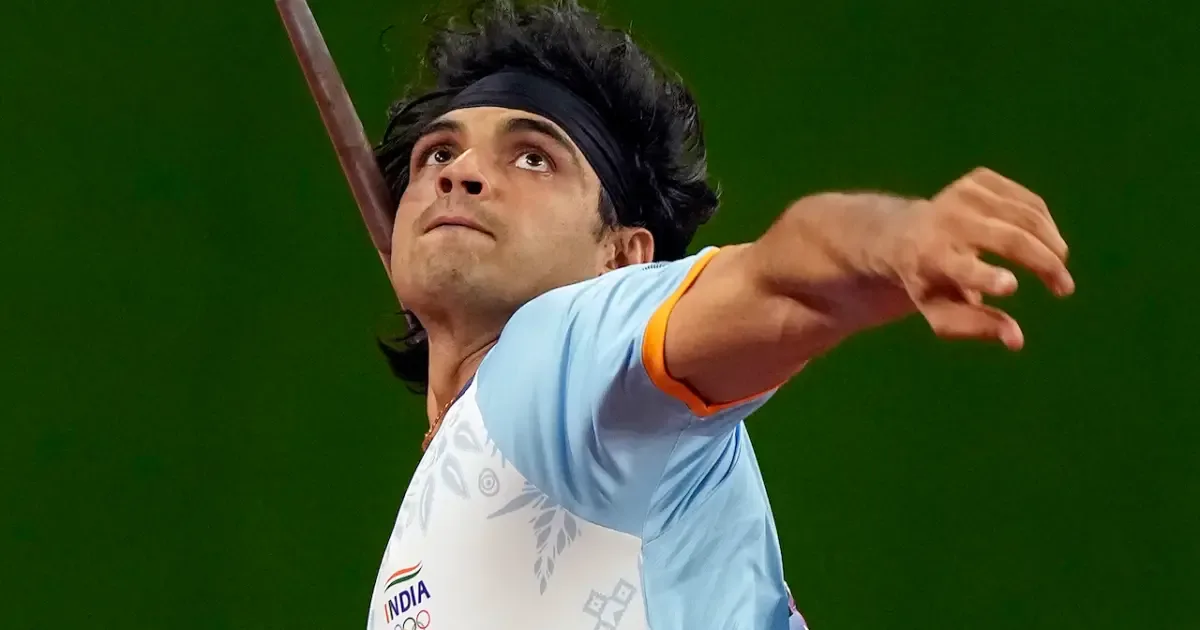
Neeraj Chopra, India's Olympic and world champion javelin thrower, has admitted he made a mistake. He says competing at last year's World Championships with a back injury was not a good decision.
Key Takeaways
The main points at a glance
- The Regret: What Chopra Said
- The Injury: A Back Problem at the World Championships
- Why It Matters: Health vs. Competition for Elite Athletes
- What's Next for Chopra
The Regret: What Chopra Said
Neeraj Chopra, India’s Olympic and world champion javelin thrower, has admitted he made a mistake. He says competing at last year’s World Championships with a back injury was not a good decision.
The admission came in a statement reported by NDTV Sports. Chopra did not name the specific World Championships event, but the context is clear: he pushed himself to compete despite being injured.
“It was not a good decision,” Chopra said, according to the report. His words are straightforward. There is no excuse. He takes full responsibility for his choice.
This is rare for a top athlete. Most competitors avoid admitting errors publicly. Chopra did not hide. He spoke plainly about his regret.
The statement marks a shift in how the 26-year-old thinks about his body and career. He is known for his calm demeanor and disciplined approach. But even the best make mistakes.
Chopra’s regret is not about losing a medal. It is about risking his long-term health for one competition. That is a hard lesson for any elite athlete.
The exact date of his statement is not clear from available sources. What matters is the message: Chopra has learned from the experience and wants others to understand the risks.
Chopra’s career has been remarkable. He won a historic Olympic gold medal in Tokyo 2020, becoming India’s first track and field Olympic champion. He followed that with a world championship gold in 2023. Such success brings immense pressure to perform consistently. That pressure likely influenced his decision to compete while injured.
By admitting his error, Chopra is showing a level of self-awareness that many athletes lack. He is not hiding behind vague statements or blaming conditions. He is simply saying he made a mistake. This honesty may help other athletes facing similar dilemmas.
The javelin throwing community has taken note. Chopra is a role model for millions in India and beyond. His words carry weight. They serve as a cautionary tale about the dangers of competing while injured.
The Injury: A Back Problem at the World Championships
Chopra entered the World Championships last year carrying a back injury. He did not disclose the full details at the time. But now he admits it affected his performance and decision-making.
Back injuries are serious for javelin throwers. The sport requires explosive rotational movement from the lower body through the spine. Any weakness in the back can reduce power and increase risk of further damage.
Chopra’s injury was not a minor strain. It was significant enough that he now regrets competing. He likely felt pressure to defend his title or represent India on the global stage.
At the World Championships, Chopra did not perform at his best. He finished with a throw that was below his usual standard. The injury clearly held him back.
But he still managed to compete. That shows his toughness. It also shows the dilemma athletes face: do you rest or compete when injured?
Chopra chose to compete. Now he says that was the wrong call.
Back injuries can linger for months or years if not treated properly. Chopra’s decision to push through the pain may have delayed his recovery.
He has not given specifics about the type of back injury. But any back problem for a javelin thrower is a red flag. The sport puts enormous strain on the lumbar spine and discs. The throwing motion involves a violent rotation of the torso, with the spine acting as a pivot. A weakened back can lead to herniated discs, muscle spasms, or even stress fractures. Recovery from such injuries often requires complete rest, followed by gradual strengthening exercises.
Chopra’s camp and coach have not issued a separate statement. The regret comes directly from the athlete himself. That gives it weight.
The World Championships are a pinnacle event in athletics, held every two years (except Olympic years). They attract the best athletes from around the globe. For Chopra, it was an opportunity to cement his legacy. But the risk was too high. His performance suffered, and he likely aggravated the injury.
Medical experts advise against competing with back injuries because the spine is a delicate structure. Even a small issue can become chronic if not given time to heal. Chopra’s case is a textbook example of how short-term ambition can conflict with long-term health.
It is not known whether Chopra consulted his medical team before deciding to compete. Typically, athletes have access to physiotherapists and doctors. But the final decision often rests with the athlete. Chopra’s regret suggests he might have ignored professional advice.
Why It Matters: Health vs. Competition for Elite Athletes
Chopra’s regret highlights a common problem in elite sports. Athletes often feel they must compete even when injured. The pressure to win, to represent their country, or to not let down fans can override common sense.
This is especially true for Olympic and world champions. They carry expectations. Fans, sponsors, and national federations want results. The athlete’s health can become secondary.
But competing with an injury rarely ends well. It can make the injury worse. It can shorten a career. It can lead to chronic pain or permanent damage.
Chopra’s decision to speak out is important. It sends a message to younger athletes: your health comes first. No medal is worth long-term suffering.
p>Other top athletes have made similar mistakes. Tennis star Rafael Nadal has often played through injuries, sometimes making them worse. Cricketers like James Anderson have pushed through pain and paid the price later. In track and field, many athletes have competed with strains and sprains, only to miss subsequent events due to prolonged recovery.
p>But few admit the error so directly. Chopra’s honesty is refreshing. It shows maturity and self-awareness.
p>The World Championships are a major event. They happen every year except Olympic years. For Chopra, it was a chance to defend his title or improve his standing. But the risk was too high.
p>By admitting his mistake, Chopra is also protecting his future. He is saying: I learned from this. I will not do it again.
p>This is a lesson for sports administrators too. They must create environments where athletes feel safe to sit out when injured. No athlete should feel forced to compete while hurt.
p>Chopra’s regret is not just personal. It reflects a wider issue in competitive sports. The culture of “play through pain” can be dangerous. This mindset has been criticized by sports medicine professionals for years. Athletes are often lauded for their toughness when they compete despite injuries. But that toughness can come at a high cost.
p>In javelin throwing, the rotational forces through the spine are immense. A back injury can compromise technique, leading to other compensatory injuries in the shoulder, elbow, or knee. By competing injured, Chopra risked a cascade of problems.
p>The Indian sports system has been increasingly focused on athlete welfare. Chopra’s admission may prompt further discussions about injury management and athlete education. Federations could implement stricter protocols to protect athletes from themselves.
p>For fans, it is a reminder that their expectations should not push athletes to jeopardize their health. Social media often amplifies pressure. Athletes feel they must perform to satisfy public demand. Chopra’s regret is a call for empathy and understanding.
What’s Next for Chopra
Chopra is now focused on recovery. He has not announced his next competition. His priority is getting fully fit before returning to the track.
p>The Indian star has a busy schedule ahead. Major events like the Asian Games and Olympics are on the horizon. But he will not rush back.
p>His regret suggests he will be more careful in the future. He will likely consult closely with his medical team before making decisions about competing while injured.
p>Chopra’s coach and physio will play a key role. They will monitor his back closely. They will ensure he is 100 percent before he throws competitively again.
p>Fans will be eager to see him back. But Chopra’s own words show he understands the need for patience.
p>He has not given a timeline for his return. That is smart. Rushing back could lead to another setback.
p>Chopra’s long-term career is more important than any single event. He is still young for a javelin thrower. He has many years of top-level competition ahead if he stays healthy.
p>His regret is a turning point. It signals a more cautious approach. It also shows that he values his health over short-term glory.
p>Other athletes can learn from his example. Competing with an injury is rarely worth it. Chopra’s admission is a powerful reminder of that truth.
p>For now, the focus is on healing. Chopra will rest, do rehab, and gradually build back strength. When he returns, he will be stronger and wiser.
p>His fans will support him. They understand that his health comes first. They want to see him throw far, but not at the cost of his future.
p>Chopra’s regret is not a sign of weakness. It is a sign of strength. It takes courage to admit a mistake, especially for a public figure.
p>He has set an example for young athletes everywhere. Listen to your body. Do not let pressure push you into bad decisions. Your health is your most valuable asset.
p>Chopra’s next chapter will be written with care. He will not repeat the same error. That is the mark of a true champion.
Frequently Asked Questions
What has Neeraj Chopra admitted about his participation in the World Championships?
Neeraj Chopra has admitted that competing at last year's World Championships with a back injury was a mistake. He stated it was not a good decision and takes full responsibility for his choice.
Why does Neeraj Chopra regret competing with a back injury?
He regrets it because he risked his long-term health for one competition instead of prioritizing recovery. Competing while injured can worsen the problem and potentially lead to chronic issues.
What kind of injury did Neeraj Chopra have?
Chopra had a back injury that affected his performance at the World Championships. While specific details aren't given, back injuries are serious for javelin throwers due to the sport's explosive rotational movements.
How did the injury affect Chopra's performance at the World Championships?
The injury clearly held him back, and he did not perform at his usual best. His throws were below his standard, indicating the back problem impacted his ability to compete effectively.
Why is Chopra's admission significant for other athletes?
His honest admission is significant because it serves as a cautionary tale about the dangers of competing while injured. It sends a message to younger athletes that their health should come first, even under pressure.
What is the dilemma elite athletes face regarding injuries?
Elite athletes often face pressure to compete despite injuries due to expectations from fans, sponsors, and their country. This can lead them to override common sense and risk their health for a competition.
References
- Neeraj Chopra Regrets Big Call During World Championships. Details Here – Original report (NDTV Sports)
- Neeraj Chopra Regrets Big Call During World Championships. Details Here – NDTV Sports – This is the same article as the RSS item; it reports Chopra's regret about competing with a back injury at the World Championships.
- 'I have made a mistake': Olympic medallist Aman Sehrawat regrets ban after failing to make weight at Worl – The Times of India – This article is about wrestler Aman Sehrawat, not Neeraj Chopra, and was not used for this research.