
At a Glance
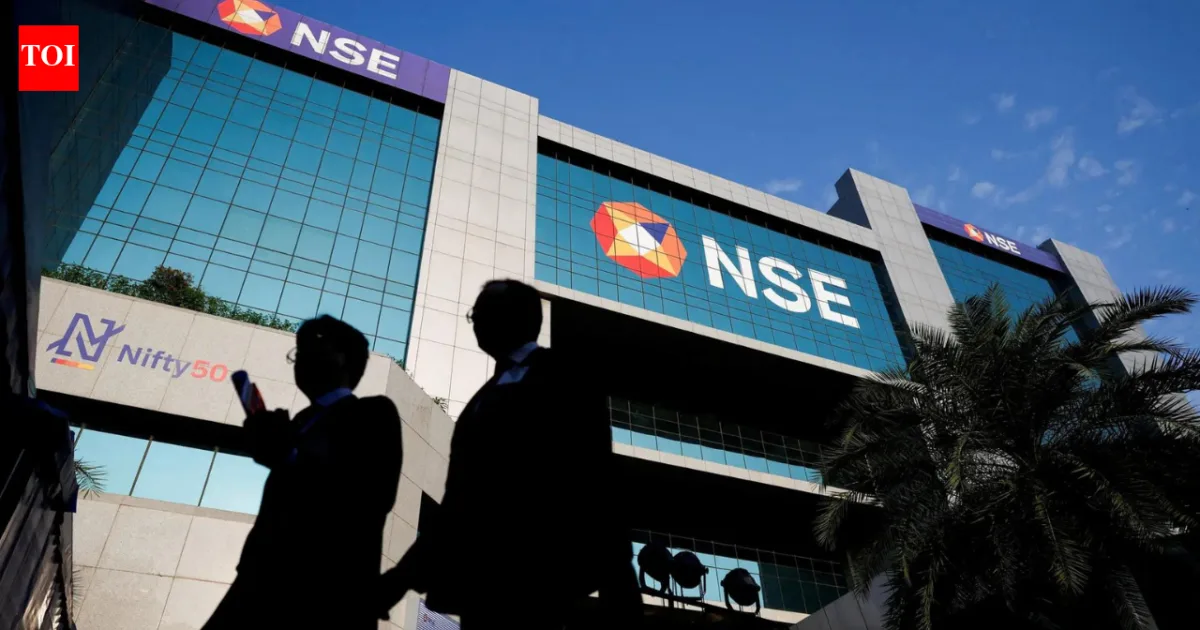
As the National Stock Exchange (NSE) advances its long-awaited IPO, its roadshows are being tempered by two major, self-acknowledged risks. The primary concern is a profound business model vulnerability: an over-dependence on derivatives trading, which generates a massive 78% of its operating income. This concentration is now under direct threat from the Securities and Exchange Board of India (Sebi), which is proposing a series of strict measures to crack down on speculative retail trading in futures and options. If implemented, these rules could severely deflate trading volumes and NSE’s core revenue. Compounding this regulatory overhang are persistent operational risks, with the potential for technology glitches or cyberattacks to disrupt the exchange’s critical infrastructure, damage its reputation, and lead to costly penalties. These combined financial and operational vulnerabilities are casting a shadow over NSE’s IPO, compelling the exchange to issue stark warnings about its future prospects.
Key Takeaways
The main points at a glance
- NSE’s business model is heavily concentrated, with derivatives trading contributing 78% of its operating income, making it highly vulnerable to regulatory changes.
- Sebi’s proposed six-point plan for 2024-2025 aims to curb speculative retail trading in futures and options, posing a direct threat to NSE’s primary revenue stream through measures like higher contract sizes and margin requirements.
- Past technology glitches and the ever-present threat of cyberattacks represent critical operational risks that could disrupt markets, erode investor confidence, and attract regulatory penalties.
- Global examples show that regulatory crackdowns on derivatives can permanently alter an exchange’s revenue-generating capacity, a risk NSE faces despite its current near-monopoly.
- The IPO roadshows are being conducted under a cloud of these dual pressures, forcing NSE to acknowledge these significant risks in its own disclosures to potential investors.
Derivatives Dominance: A Double-Edged Sword
As the National Stock Exchange (NSE) finally navigates the long and winding path toward its initial public offering (IPO), (NSE has filed its Draft Red Herring Prospectus for a landmark IPO) its own risk disclosures serve as a stark warning. The exchange’s business model, a juggernaut in Indian capital markets, is precariously perched on a single, dominant product line: derivatives trading. This segment accounts for a staggering 78% of its operating income, a concentration that presents both immense profitability and profound vulnerability. While this dominance has fueled NSE’s growth and profitability, it simultaneously exposes the exchange to significant headwinds, particularly from regulatory shifts and evolving market dynamics.
This heavy reliance on derivatives, especially index and stock options, places NSE in a position where any regulatory tightening could directly and severely impact its revenue streams. The sheer volume and value traded in these instruments underscore their importance to NSE’s financial health. However, this dependence also means that the exchange’s fortunes are inextricably linked to the regulatory environment governing these complex financial products.
The Sebi Overhang: Tightening Noose on Speculative Trading
The Securities and Exchange Board of India (Sebi) has increasingly turned its gaze toward the burgeoning derivatives market, particularly in the wake of a surge in retail participation and concerns over potential systemic risks. Recent proposals from Sebi aim to curb what is perceived as excessive speculative trading, a move that could significantly alter the landscape for exchanges like NSE.
Sebi’s proposed six-point plan, introduced in 2024-2025, includes measures such as increasing minimum contract sizes, limiting weekly option contracts to one benchmark index per exchange, and potentially raising upfront margin requirements. These proposals stem from a government panel’s report highlighting substantial household losses in futures and options trading. If fully implemented, these changes could lead to a substantial reduction in trading volumes and, consequently, a material impact on NSE’s transaction-based revenues. For an exchange where 78% of operating income is derived from derivatives, such a scenario represents a significant financial overhang, directly challenging the revenue model that has underpinned its success.
Global precedents offer a cautionary tale. Exchanges in markets like South Korea and the United States have faced regulatory crackdowns on specific derivative products, leading to adjustments in trading volumes and fee income. While NSE currently enjoys a near-monopoly in India’s equity derivatives segment, the principle remains: regulatory intervention, driven by investor protection concerns or systemic risk management, can fundamentally alter an exchange’s revenue-generating capacity. The current proposals from Sebi signal a clear intent to wield this regulatory authority.
Tech Glitches and Cyber Threats: Operational Vulnerabilities
Beyond regulatory pressures, NSE’s operational resilience is another critical area of concern, particularly as it prepares for its IPO. The exchange handles millions of transactions daily, processing vast amounts of data and executing trades at lightning speed. This complex technological infrastructure, while robust, is not immune to failure.
Past incidents of technology glitches, though perhaps minor in the grand scheme, serve as potent reminders of the potential for disruption. Any significant system outage, whether due to hardware failure, software bugs, or unforeseen technical issues, could paralyze trading activities. The immediate consequences would be market disruption, potential financial losses for participants, and a severe blow to investor confidence. Furthermore, such failures invariably attract regulatory scrutiny and potential penalties, adding another layer of risk for the exchange.
In parallel, the threat of cyberattacks looms large. As a critical piece of national financial infrastructure, NSE is a potential target for malicious actors seeking to disrupt markets, steal sensitive data, or extort concessions. Maintaining state-of-the-art cybersecurity defenses requires continuous investment and vigilance. The risk of a successful cyberattack on NSE’s core systems represents a significant operational vulnerability that could have far-reaching implications, impacting not just the exchange but the broader financial ecosystem it supports.
AI’s New Frontier: Market Manipulation and Amplified Volatility
The rapid advancement of artificial intelligence (AI) introduces a new and complex set of risks for capital markets, and NSE is acutely aware of its potential implications. While AI promises efficiency and innovation, it also opens avenues for sophisticated market manipulation and can amplify existing volatility.
AI-powered algorithms can now analyze market data, identify patterns, and execute trades at speeds and scales previously unimaginable. This capability, while beneficial for some market participants, also creates opportunities for malicious actors to engage in new forms of manipulation. These could include high-frequency trading strategies designed to create artificial price movements, spoofing, or other deceptive practices that are harder for traditional surveillance systems to detect. The challenge for regulators like Sebi, and for exchanges like NSE, is to develop effective frameworks to monitor and counteract AI-driven manipulation in real-time.
Moreover, AI’s ability to process and react to information instantaneously could exacerbate market volatility. In times of stress, AI-driven trading could lead to rapid sell-offs or buying frenzies, creating feedback loops that amplify price swings. International regulatory bodies are actively grappling with these challenges, exploring new surveillance techniques and regulatory approaches to manage AI’s impact on market stability. For NSE, preparing for this evolving landscape means investing in advanced surveillance technologies and collaborating with regulators to stay ahead of potential AI-induced risks.
NSE’s IPO Journey: A History of Delays and Challenges
The NSE’s pursuit of an IPO has been a protracted saga, marked by significant delays and governance challenges. The exchange has been planning its public debut since 2016, but its path has been consistently obstructed by a series of complex issues, including regulatory investigations and significant legal battles.
A pivotal moment in its history was the colocation scandal, which raised serious questions about preferential access to trading systems for certain brokers. This scandal not only led to substantial fines and regulatory actions but also cast a shadow over NSE’s corporate governance practices. The subsequent probes and litigation have created an environment of uncertainty, deterring potential investors and delaying the IPO. The exchange has since undertaken efforts to reform its governance structure and address the issues raised by regulators. However, the lingering impact of these past challenges means that the market will be closely scrutinizing NSE’s transparency and its ability to manage future risks effectively as it seeks to list.
Financial Impact: What 78% Revenue Concentration Means
The stark figure of 78% of operating income derived from derivatives trading is not merely a statistic; it is the central vulnerability in NSE’s financial narrative. This concentration means that any adverse regulatory action, significant decline in derivatives volumes, or shift in trading patterns could have a disproportionately large impact on the exchange’s profitability.
To quantify the potential impact of Sebi’s proposed measures, one can analyze historical trading volumes and fee structures. For instance, if Sebi were to mandate a doubling of option contract sizes, it could theoretically halve the number of contracts traded for a given notional value, directly impacting NSE’s per-contract transaction fees. Similarly, increased margin requirements or reduced weekly expiries could lead to lower overall participation and trading activity. While precise calculations are complex and depend on market reaction, it is clear that a significant portion of NSE’s revenue is directly exposed to these potential regulatory adjustments. This dependency makes the exchange’s financial outlook highly sensitive to Sebi’s policy decisions.
Investor Take: Weighing Growth Against Regulatory Risk
For institutional investors and market professionals, the NSE’s IPO presents a classic dilemma: the opportunity to invest in a dominant player in a high-growth market versus the significant regulatory and operational risks it faces. The exchange offers exposure to the burgeoning Indian capital markets, a sector with strong long-term growth prospects, driven by increasing financial inclusion and a growing investor base.
However, the disclosures in the draft prospectus highlight that this growth is not without peril. The heavy reliance on derivatives, the looming threat of regulatory intervention by Sebi, persistent technology vulnerabilities, and the emerging challenges posed by AI, all represent substantial risks that could cap future growth or even lead to a contraction in earnings. Investors will need to carefully weigh the potential for continued expansion against the possibility of regulatory headwinds and operational disruptions. The long history of IPO delays also suggests a cautious approach, as past governance issues may still cast a long shadow.
Looking Ahead: Can NSE Diversify Before It’s Too Late?
The critical question for NSE, and for its potential investors, is whether the exchange can successfully diversify its revenue streams and mitigate its inherent risks before they derail its growth trajectory. The current business model, while highly profitable, is inherently fragile due to its concentration.
NSE has indicated plans to expand into new asset classes and enhance its data and analytics services. These initiatives are crucial for building a more resilient business model. Exploring opportunities in areas such as commodity derivatives, currency derivatives, bond trading, or even developing new indices and data products could provide alternative revenue sources. Furthermore, continued investment in upgrading its technology infrastructure, enhancing cybersecurity defenses, and developing sophisticated surveillance capabilities to monitor AI-driven trading are paramount. The exchange must demonstrate a clear and actionable strategy for diversification and risk mitigation to assuage investor concerns and secure its long-term future. Without such proactive measures, the very strengths that have propelled NSE to its current dominant position could, paradoxically, become its greatest liabilities in an increasingly complex and regulated financial landscape.
Frequently Asked Questions
Why is NSE's derivatives dominance considered a risk for its IPO?
While derivatives trading is highly profitable for NSE, accounting for 78% of its operating income, this concentration is a major risk. It means the exchange’s financial health is excessively reliant on a single product line, making it extremely vulnerable to any regulatory changes or market shifts that negatively impact derivatives trading volumes.
What specific regulatory changes is Sebi proposing that could hurt NSE?
Sebi’s six-point plan includes measures like increasing the minimum contract size for derivatives, limiting weekly option contracts to only one benchmark index per exchange, and potentially raising upfront margin requirements. These proposals are designed to curb speculative retail trading but would likely lead to a significant drop in trading volumes and NSE’s transaction fee income.
How do technology glitches pose a risk to NSE's IPO?
As a systemically important market infrastructure, any significant technology glitch or outage can halt trading, cause financial losses for investors, and severely damage market confidence. Such failures would also attract intense regulatory scrutiny and potential penalties, representing a major operational risk that could affect the exchange’s valuation and reputation post-IPO.
What has been the impact on retail investors from derivatives trading, according to reports?
A government panel’s report highlighted that there have been substantial household losses in futures and options trading. This surge in retail participation and the subsequent losses are a key driver behind Sebi’s concerns over potential systemic risks and the new proposals to tighten regulations.
Are there global precedents for the regulatory risks NSE is facing?
Yes, exchanges in countries like South Korea and the United States have faced regulatory crackdowns on specific derivative products in the past. These interventions led to adjustments in trading volumes and fee income, serving as a cautionary tale that regulatory action can fundamentally alter an exchange’s revenue-generating capacity.