At a Glance
The film ‘Raakh’ prioritized the safety of its child actors during the filming of disturbing scenes by implementing a comprehensive support system. This included the use of code words for children to signal discomfort and the constant presence of a child psychologist on set. Actor Aakash Makhija highlighted these measures, emphasizing that the emotional well-being of the young performers was paramount, ensuring a clear distinction between acting and reality.
Key Takeaways
The main points at a glance
- The film ‘Raakh’ implemented strict safety protocols for child actors during intense scenes, including the use of code words to stop filming if a child felt uncomfortable.
- A child psychologist was present on set daily to monitor the well-being of young performers and provide support.
- Actor Aakash Makhija emphasized the importance of distinguishing between his on-screen villainous character and his off-screen interactions with the children.
- The film is based on the real-life Ranga-Billa case from 1978, which involved the kidnapping and murder of two teenagers.
- The production aimed to protect child actors from potential psychological harm, setting a responsible standard for handling sensitive material in filmmaking.
- These safety measures are crucial given the emotional impact that performing in traumatic scenes can have on children.
The Disturbing Heart of ‘Raakh’
There is a moment on every film set that nobody talks about enough. It is the moment just before the director calls action. The lights are hot. The camera is rolling. And a child actor, maybe ten years old, is about to step into a scene that involves kidnapping, fear, and violence.
Most adults would struggle with that kind of material. For a child, it can be deeply confusing and even harmful. That is why the team behind the new film ‘Raakh’ decided to do something different. They built a safety net around their youngest performers. They used code words. They hired a child psychologist. They made sure that the line between acting and reality never blurred.
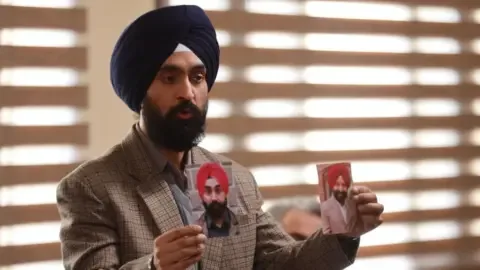
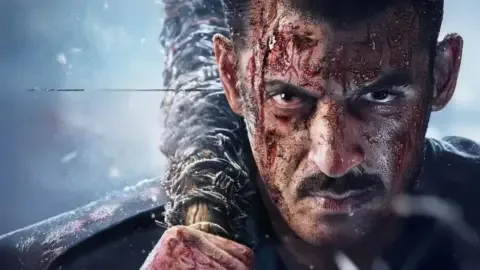
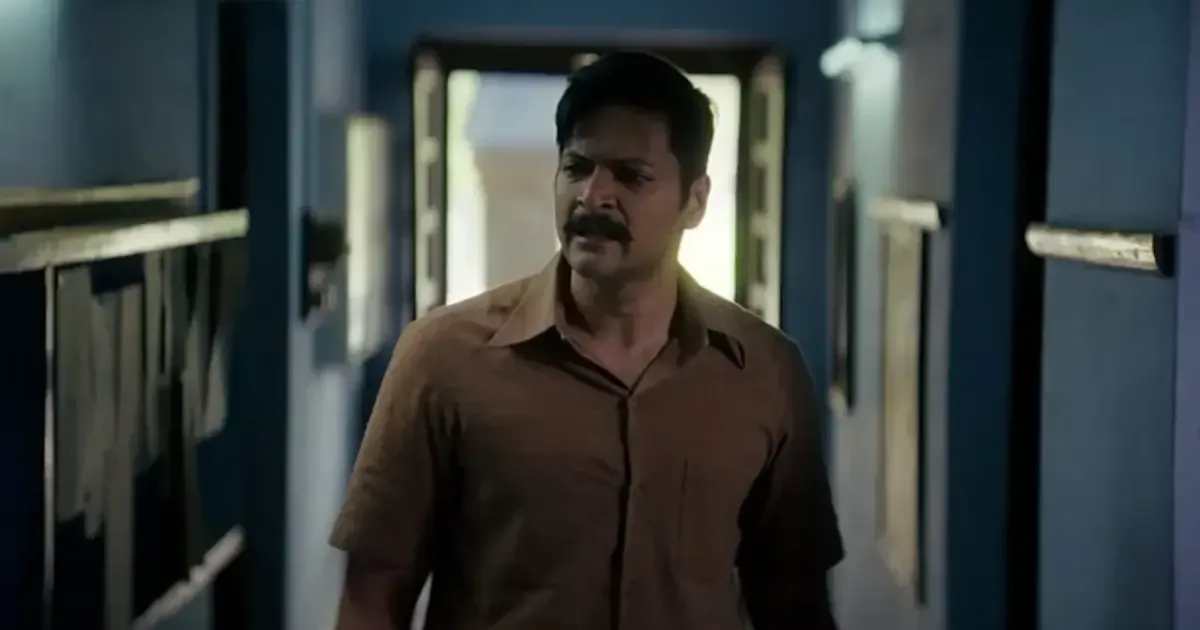
Actor Aakash Makhija, who plays the film’s primary antagonist Babu, recently spoke about these precautions in an interview with NDTV. He described a set where the emotional well-being of children was not an afterthought. It was the priority.
‘We had code words,’ Makhija said. ‘If a child felt uncomfortable, they could say a specific word, and we would stop immediately. There was no pressure to continue. The psychologist was always there, watching, ready to step in.’
This approach stands out in an industry where child actors have sometimes been pushed through difficult scenes without enough support. The film ‘Raakh’ is not just a crime drama. It is a story that forces its audience to confront the worst of human behavior. And yet, behind the camera, the production team worked hard to create an environment of trust and safety.
The result is a film that does not exploit its young actors. Instead, it protects them. Makhija’s testimony offers a rare glimpse into how filmmakers can handle sensitive material responsibly. It is a lesson that goes beyond one movie.
How a Real-Life Horror Inspired ‘Raakh’
To understand why ‘Raakh’ needed such careful handling, you have to understand the story it tells. The film is based on a real event that shook India nearly 50 years ago. It is known as the Ranga-Billa case.
In 1978, two teenagers from Delhi, Geeta and Sanjay Chopra, were kidnapped. They were the children of a respected naval officer. The kidnappers demanded a ransom. But the situation quickly turned tragic. The teenagers were murdered. The case became a national sensation. It sparked outrage and fear across the country.
The two men behind the crime, Ranga and Billa, were eventually caught and sentenced to death. But the horror of what happened to Geeta and Sanjay Chopra stayed in the public memory for decades. The case was discussed in schools, in newspapers, and in living rooms. It became a symbol of the vulnerability of young people in a rapidly changing city.
For the filmmakers of ‘Raakh’, telling this story meant recreating some of the most traumatic moments from the case. That included scenes of kidnapping and confinement. And those scenes involved child actors.
The production team knew they were walking a fine line. They wanted to honor the memory of the real victims. They wanted to make a powerful film. But they also had a duty to protect the children who were helping them tell the story.
That is where the code words and the psychologist came in. It was not just a publicity move. It was a genuine effort to do the right thing.
Makhija explained that the entire cast and crew were briefed on the protocols. Everyone knew the rules. If a child said the code word, the scene stopped. No questions asked. No arguments. The child’s comfort came first.
This kind of preparation is rare in the film industry. Often, the pressure to get the shot can override concerns about an actor’s mental state. But ‘Raakh’ tried a different path.
‘Raakh’ Child Actor Safety: Code Words and a Psychologist
The idea of using code words on a film set might sound like something out of a spy movie. But for the children working on ‘Raakh’, it was a simple and powerful tool.
Here is how it worked. Before filming began, the child actors were taught a specific word. That word was their signal. If they felt scared, confused, or overwhelmed during a scene, they could say that word. And the entire production would stop.
There was no need to explain why. No need to feel embarrassed. The code word gave the children control over a situation that could otherwise feel frightening.
Alongside the code words, the production hired a child psychologist. This professional was present on set every day that children were filming. The psychologist’s job was not just to intervene in emergencies. It was to observe the children, to check in with them, and to make sure they were handling the material well.
Makhija described the psychologist as a constant presence. ‘She was always there, watching, ready to step in if needed,’ he said. ‘It was not just about the intense scenes. It was about the whole experience.’
This approach aligns with what child psychologists recommend for any situation where children are exposed to stressful content. Experts say that children process trauma differently from adults. They may not have the words to express their fear. They may hide their discomfort to avoid disappointing adults. That is why having a trained professional on hand is so important.
Dr. Ananya Sharma, a child psychologist who was not involved in the film but has worked with young actors, says that such protocols should be standard. ‘Children need to know that they are safe,’ she explains. ‘They need to know that they can say no. A code word gives them that power. A psychologist provides a safety net.’
The ‘Raakh’ team went even further. They made sure that the children understood the difference between acting and reality. They explained that what was happening on screen was not real. They rehearsed scenes in a calm, controlled way before filming the more intense versions.
Makhija noted that the children were never left alone with him during the disturbing scenes. There was always a parent or guardian nearby. The psychologist was always in the room. The set was designed to be as transparent as possible.
This level of care is not common in the Indian film industry. While there are some guidelines for working with child actors, they are often vague or poorly enforced. Many productions rely on the goodwill of the director or the parents to protect the children. But that is not always enough.
Actor Aakash Makhija on Playing the Villain Babu
For Aakash Makhija, playing the villain Babu was a challenge unlike any other. He was stepping into the shoes of a real person who had committed terrible crimes. And he was doing it in front of children.
‘It was a strange feeling,’ Makhija admitted. ‘I had to be scary on screen. But off screen, I had to be the opposite. I had to be the person the children could trust.’
Makhija said that the presence of the child psychologist helped him as well. He knew that if a child showed any signs of distress, the psychologist would catch it. He did not have to worry about crossing a line. The expert was there to draw that line.
The actor also made a point of building relationships with the young actors outside of the intense scenes. He played games with them between takes. He talked to them about their lives. He made sure they saw him as a person, not just a scary character.
‘I wanted them to know that I was acting,’ he said. ‘I did not want them to be afraid of me in real life. That would have been harmful.’
Makhija’s approach is a reminder that actors in villainous roles have a responsibility too. When the villain is interacting with children, the actor must be extra careful. The line between performance and reality can be thin for a young mind.
The film ‘Raakh’ required Makhija to perform some deeply unsettling scenes. He had to shout, to threaten, to create an atmosphere of terror. But every time the director called cut, he switched back. He became the friendly, gentle person the children knew.
‘It was exhausting,’ he said. ‘But it was worth it. The children were safe. That was all that mattered.’
Why ‘Raakh’ Matters: Protecting Child Performers in Dark Stories
The story of ‘Raakh’ is not just about one film. It raises bigger questions about how the entertainment industry treats its youngest workers.
In India, there are laws that regulate child labor, but they do not always cover the specific challenges of acting. The Child Labour (Prohibition and Regulation) Act sets limits on working hours and conditions. But it does not address the emotional and psychological impact of performing in traumatic scenes.
Some productions have been criticized for putting children in harmful situations. In 2018, a popular TV show faced backlash after a child actor was made to cry on cue without proper support. In Hollywood, there have been famous cases where child stars struggled in adulthood because of the pressures they faced on set.
The ‘Raakh’ team wanted to avoid that kind of outcome. They did not want their young actors to carry emotional scars from the experience. They wanted them to look back on the film with pride, not trauma.
Dr. Sharma, the child psychologist, says that this kind of protocol should become a standard in the industry. ‘Every production that works with children should have a child psychologist on set,’ she says. ‘It should not be optional. It should be mandatory.’
She also recommends that productions use code words or other signals that give children control. ‘Children need to know that they have a voice,’ she says. ‘They need to know that they can stop the scene if they are uncomfortable. That is not just good practice. It is basic human decency.’
The ‘Raakh’ model could serve as a template for other films. It shows that it is possible to tell dark, difficult stories without exploiting the people who help tell them. It shows that safety and creativity can go hand in hand.
Other films that have featured child actors in traumatic roles have faced criticism for not doing enough. For example, the 2019 film ‘The Joke’ was criticized for its handling of a child actor in a violent scene. In contrast, ‘Raakh’ is being praised for its proactive approach.
The public reaction to the Ranga-Billa case at the time was one of horror and grief. People could not believe that such a crime could happen to two young people from a respected family. The case led to changes in how kidnapping cases were handled by the police. It also led to a greater awareness of the dangers facing children.
Now, nearly five decades later, the film ‘Raakh’ is bringing that story to a new generation. But it is doing so with a level of care that the original case never received.
The children who acted in ‘Raakh’ are not just performers. They are people. And the production team treated them as such.
Makhija summed it up simply: ‘We wanted to make a good film. But we also wanted to make sure that everyone came out of it okay. Especially the children.’
That is a standard that every film should aim for.
Frequently Asked Questions
How did 'Raakh' ensure child actors' safety during disturbing scenes?
The film 'Raakh' used a dual approach: code words allowed children to immediately stop filming if they felt uncomfortable, and a child psychologist was present on set daily to monitor their emotional state and provide support.
What is the Ranga-Billa case that inspired 'Raakh'?
The Ranga-Billa case is a real-life event from 1978 in India where two teenagers were kidnapped and murdered. The film 'Raakh' is based on this tragic incident.
What role did the child psychologist play on the set of 'Raakh'?
The child psychologist was a constant presence, observing the young actors, checking in with them, and ready to intervene if they showed signs of distress during filming.
How did actor Aakash Makhija handle playing a villain around children?
Makhija focused on building trust with the child actors off-camera, playing games and interacting normally, to ensure they understood he was acting and not a threat.
Are these safety measures common in the film industry?
While guidelines exist, the comprehensive approach taken by 'Raakh' with code words and a dedicated psychologist is not standard practice and is considered a proactive and responsible measure.
Why is Raakh's approach to child actor safety important?
It highlights the need to protect children from the potential psychological impact of performing in traumatic or violent scenes, setting a benchmark for ethical filmmaking.
References
- How Raakh's Disturbing Scenes With Children Were Shot: 'We Had Code Words, A Child Psychologist On Set' – Original report (NDTV Movies)
- How Raakh's Disturbing Scenes With Children Were Shot: 'We Had Code Words, A Child Psychologist On Set' – NDTV – NDTV
- Raakh's Ranga-Billa Case: What Happened To Delhi Teens Geeta And Sanjay Chopra 48 Years Ago? – NDTV – Background article on the real-life Ranga-Billa case that inspired the film 'Raakh', providing historical context.
- Arjun Rampal Attends Son Arik's Sports Day With Girlfriend Gabriella And Daughters Mahikaa-Myra – NDTV – Unrelated article about actor Arjun Rampal's personal life; no direct relevance to 'Raakh'.
- Ananya Panday And Her "Weird Selfies" Series – NDTV – Unrelated article about actress Ananya Panday; no direct relevance to 'Raakh'.