At a Glance
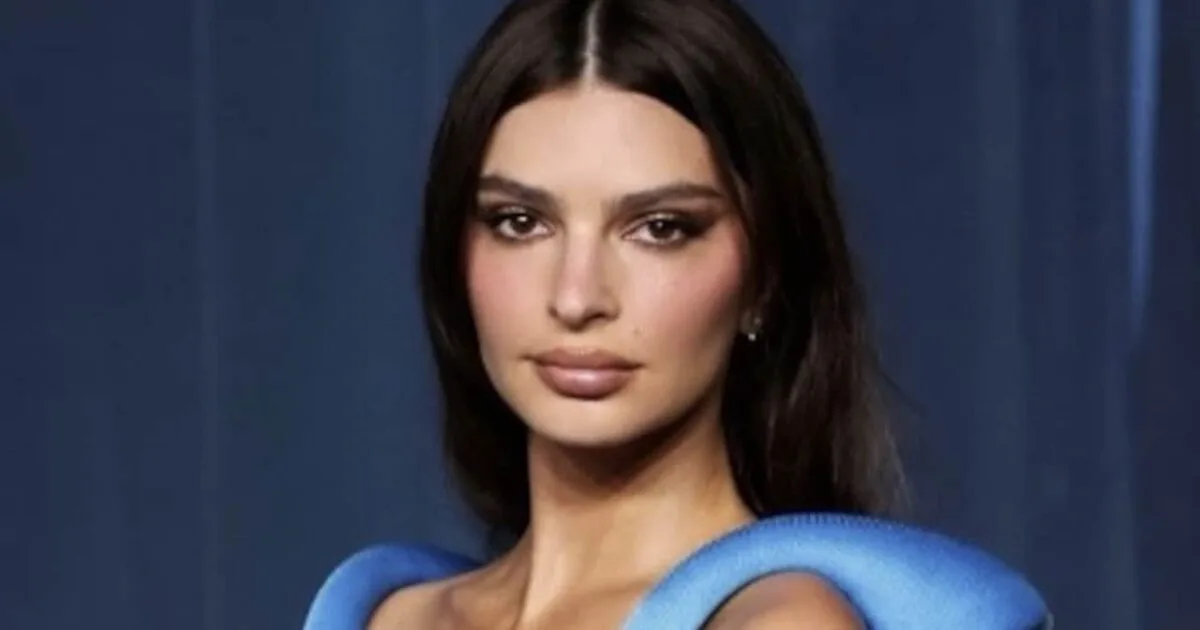
It started with an essay that felt less like a confession and more like a grenade tossed into the middle of polite dinner conversation. Emily Ratajkowski, the model and actress turned feminist pinup, sat down to write about her divorce. But what she wrote was…
Key Takeaways
The main points at a glance
- The Essay That Broke the Internet
- From Divorce to Dating Diary: A Timeline
- What the Book Could Reveal (and Who Might Be Named)
- The Backlash: 'Not All Single Moms Are Broken'
- Revenge Dating or Radical Honesty? The Debate
It started with an essay that felt less like a confession and more like a grenade tossed into the middle of polite dinner conversation. Emily Ratajkowski, the model and actress turned feminist pinup, sat down to write about her divorce. But what she wrote was not a quiet, sad reflection. It was a loud, messy, unfiltered account of what came next: the casual hookups, the strange dates, the men who seemed “disturbed” in ways she had not expected, the nights spent wondering if she was healing or just drowning.
The internet did what the internet does. It exploded. Some called it brave. Some called it reckless. Some called it something else: a revenge fantasy dressed up as empowerment. Now, according to reports from multiple outlets including NDTV and Page Six, that viral essay is being turned into a full book. No official announcement has come from Ratajkowski or her publisher yet, but the whispers are loud enough that we can already hear the cultural arguments sharpening their knives.
Will this book be a memoir of liberation, a raw and real look at what it means to be a woman in her thirties navigating sex, love, and motherhood after a high-profile split? Or will it be a cautionary tale, a story of a woman who used her pain as content and ended up feeding right back into the same old double standards she thought she was escaping? The answer, as with most things Ratajkowski, is probably both. And that is exactly why people are talking.
The Essay That Broke the Internet
To understand the book deal, you have to understand what the essay did. It was not just a breakup story. It was a public undressing. Ratajkowski, who shares a young son with film producer Sebastian Bear-McClard, went through a very messy divorce in 2022. Within months, she was dating again. And she was writing about it. Not in the vague, tasteful way celebrities usually do, where they say they are “taking time for themselves” and “focusing on their art.” She wrote about the guys. The dates. The sex. The confusing, often disappointing reality of putting yourself out there when you have been out of the game for years.
The essay painted a picture of a woman trying to reclaim her body and her desire after a marriage that ended badly. She did not hold back. She described nights that felt like adventures and mornings that felt like mistakes. She named emotions most people keep hidden: the loneliness, the thrill, the shame that curls up in your chest when you wake up next to someone you do not care about. It was raw. It was messy. It was exactly the kind of writing that publishers now pay top dollar for, because viral moments do not just happen anymore. They are cultivated, packaged, and turned into products.
The reaction was immediate. Supporters praised her for breaking the silence around women’s desires, particularly the desires of single mothers, a group society often expects to be sexless. Critics, though, had a different take. The New York Post ran a piece with a title that summed up the frustration: “Emily Ratajkowski’s message is wrong: not all single moms are broken.” The argument was simple: by framing her post-divorce life as a series of wild encounters, Ratajkowski risked making it seem like that was the norm, like all single mothers were secretly broken and looking for validation in the wrong places.
This tension is what makes the book announcement so interesting. Because a single essay can be written in a fever, published, and then forgotten. But a book? A book is a statement. A book is a commitment. And a book about this subject, from this particular woman, feels like it could either be a landmark moment for honest feminist writing or a perfectly packaged product of the very system she critiques.
From Divorce to Dating Diary: A Timeline
Let us step back for a moment and trace the path that led here. Emily Ratajkowski married Sebastian Bear-McClard in 2018, a surprise to many who knew her as the “Blurred Lines” video star turned feminist activist. She gave birth to their son, Sylvester, in 2021. By 2022, the marriage was over. Reports of infidelity surfaced, though neither party confirmed details publicly. What Ratajkowski did confirm, loudly and in print, was that she was not going to spend her post-divorce years hiding.
The essay came out in 2023, timed to the launch of her podcast and a general cultural moment where personal confession had become a form of currency. It went viral within hours. Social media lit up with reactions: think pieces, hot takes, personal essays about the personal essays. Ratajkowski became the face of a new kind of post-divorce narrative, one that did not apologize for wanting sex, pleasure, or attention.
Then came the follow-up coverage. Page Six ran headlines asking whether she would “name names” in a potential book, speculating that the list of men she dated could include some well-known figures. Another Page Six piece highlighted how Ratajkowski publicly described the men she dated in New York as “disturbed,” a choice of words that did not sit well with everyone. Some readers saw it as honest. Others saw it as cruel, painting real people with a broad brush to make a point.
The Independent weighed in with an opinion piece that took a different angle: “Revenge dating never works,” it argued, using Ratajkowski as the prime example. The idea was that dating to prove something, dating to heal a wound, dating with the energy of “look what you lost” never ends well. The piece suggested that Ratajkowski’s essay, for all its bravery, was really just a sophisticated version of the same thing people have done for centuries: using one person to get over another, then writing about it.
Now, with the book reportedly in the works, the timeline is moving forward. But the questions remain. Will she expand on the essay’s themes? Will she offer more depth, more reflection, or just more names? And will the book address the criticism head on, or double down on the original message?
What the Book Could Reveal (and Who Might Be Named)
Here is where the gossip factor kicks in, and it is worth being honest about that. Part of the appeal of this book, for many readers, will be the hope of learning who she dated. Page Six has already stoked this curiosity, asking directly: “Will she name names?” The implication is clear. Ratajkowski’s post-divorce dating life reportedly included interactions with artists, musicians, and other public figures. If the book names them, it becomes a tell-all, a piece of celebrity gossip dressed up as feminist literature.
But that is not necessarily a bad thing, if handled well. Other celebrity memoirs have walked this line. Think of Jessica Simpson’s “Open Book,” which revealed intimate details about her relationships without feeling exploitative. Or think of the opposite, the works of people like Sarah Knight or even Elizabeth Gilbert, whose memoirs are about the idea of the experience more than the specific names and dates.
Ratajkowski has always been a careful curator of her image. She writes about feminism, but she also poses for magazine covers that sell sex. She critiques the beauty industry, but she also benefits from it. She is complicated, and that is what makes her interesting. A book that names names could be seen as an act of taking back power, saying these men were part of her story and she has the right to tell it. But it could also be seen as an act of revenge, dragging people into a public story they did not consent to.
The ethical question here is not new. When a woman writes about her sexual history, she is often accused of being too much or too little, too open or too cagey. When a man does it, it is often called a memoir or a lifestyle guide (see: any book by any male rock star or actor). Ratajkowski’s decision will be scrutinized either way. And the publishing industry knows this. They are betting that the tension, the controversy, will sell copies.
The Backlash: ‘Not All Single Moms Are Broken’
It would be easy to focus only on the positive reactions to Ratajkowski’s essay. Many women felt seen. They appreciated her honesty about wanting sex without strings, about being a mother and still being desirable, about refusing to apologize for her choices. But the backlash was equally loud, and it came from a surprising place: other single mothers.
The New York Post piece was the most direct. It argued that Ratajkowski’s narrative was harmful because it suggested that single mothers were, by default, in a state of crisis, that the proper response to divorce was a “revenge glow-up” and a series of hookups. For women who spent their post-divorce years focusing on their children, their careers, their therapy, and their slow, quiet healing, Ratajkowski’s story felt alienating. It felt like a performance of liberation that did not match their real, quietly dignified lives.
This criticism hits at something deeper. There is a pressure on single mothers to perform a certain kind of recovery. Society wants them to be strong, but not too sexual. Independent, but not cold. Happy, but not gloating. Ratajkowski’s essay broke those rules, and for some women, that felt like a betrayal of the unwritten code. It made it seem like not being ready to date, not being wild, was a failure.
Of course, that is not entirely fair to Ratajkowski. She wrote about her experience, not everyone’s. But when you are a public figure with millions of followers, your personal story becomes a statement. And statements can be misinterpreted, or they can land in ways you did not intend. The backlash is a reminder that the feminist demand for “authenticity” is complicated: what is authentic for one woman can feel like a stereotype to another.
Revenge Dating or Radical Honesty? The Debate
The Independent called it “revenge dating.” The phrase is catchy and it sticks. The idea is that after a painful breakup or divorce, some people date not out of genuine desire or connection, but as a way to prove something: that they are still desirable, that they are over the ex, that they are not broken. Revenge dating, the argument goes, never works because it is not about the other person. It is about the wound.
Is that what Ratajkowski was doing? Maybe. She did not frame it that way, but critics pointed to the language in her essay, the way she talked about the men as part of a narrative of recovery. They were not individuals; they were characters in a story. And if the book does include names, that will only reinforce the sense that these men were props in her journey.
But there is another way to look at it. What if this is not revenge but radical honesty? What if Ratajkowski is simply doing what male writers have done for centuries: using their lives as material? The double standard is hard to ignore. When men write about their sexual escapades, it is called a “chronicle” or a “memoir” and praised for its candor. When women do it, it is called “revenge” or “oversharing.” Ratajkowski herself has never been one to shy away from these contradictions. She built her brand on being aware of the double standards and, sometimes, leaning into them anyway.
The debate is not going away. And it should not, because it is a sign that we are having a real conversation about what it means to be a woman in public, a mother in public, a sexual being in public. Ratajkowski’s book, if it is written with the same unflinching eye as her essay, will only deepen that conversation.
What This Means for Ratajkowski’s Brand and for Readers
Emily Ratajkowski has always been a careful brand manager. She knows that her fame is partly about her looks, and she has used that to sell books, podcasts, and clothing lines. Her essay and the upcoming book are part of a larger shift in her public persona: from model who wrote feminist essays to feminist writer who also models. It is a subtle but real difference. The book could solidify her as a literary voice, someone who writes about culture, bodies, and relationships with the same authority she brings to a photo shoot.
For readers, the book offers something rare: a celebrity story that does not pretend everything is fine. Most celebrity memoirs are sanitized. They talk about struggles but wrap them in a bow of gratitude and growth. Ratajkowski’s essay was the opposite. It was messy. It was unresolved. It ended without a neat lesson, just more questions. If the book follows that pattern, it could be a genuinely interesting piece of writing, not just a product.
But there is also a risk. The publishing industry loves a viral moment. They love to take a hot take and stretch it into 300 pages. Sometimes that works. Sometimes it feels thin. The challenge for Ratajkowski will be to go deeper, to offer something that the essay did not: context, evolution, maybe even a little bit of humility. The backlash, if she addresses it, could become part of the story. The men she dated, if she names them, could become footnotes or lightning rods.
At the end of the day, this book is going to happen. The reports are too consistent to ignore. And when it comes out, people will read it. They will argue about it. Some will feel seen. Some will feel angry. Some will buy it just to see who is mentioned. That is the world we live in. But if Ratajkowski writes with the same raw energy that made the essay go viral, she will have done something many writers try and fail to do: she will have caught the exact feeling of a moment, messy and unresolved, and turned it into a story worth telling.
Whether that story is one of liberation or a cautionary tale is not for me to decide. Maybe it is both. Maybe that is the whole point.
Frequently Asked Questions
What is Emily Ratajkowski's viral essay being turned into?
Emily Ratajkowski's viral essay about her divorce and post-divorce life is reportedly being turned into a full book. This news comes after the essay gained significant attention online.
When did Emily Ratajkowski get divorced?
Emily Ratajkowski's marriage to Sebastian Bear-McClard ended in 2022. She began dating again and writing about her experiences within months of the divorce.
What was the main theme of Emily Ratajkowski's essay?
The essay was an unfiltered account of her life after divorce, detailing casual hookups, dates, and the emotional experiences of navigating new relationships. It focused on reclaiming her body and desire after a difficult marriage.
How did people react to Emily Ratajkowski's essay?
Reactions were divided. Some praised her for bravery and breaking silence around women's desires, especially single mothers. Others criticized her for potentially portraying a negative stereotype or using her pain as content.
What are the expectations for the upcoming book?
It is unclear if the book will be a memoir of liberation or a cautionary tale. It might explore themes of sex, love, and motherhood after a high-profile split, potentially offering more depth or naming names.
Why is the book announcement considered significant?
A book is a more substantial statement than an essay, and this one from Ratajkowski could be seen as a landmark moment for honest feminist writing or a packaged product of the cultural system she critiques.
What criticism did Emily Ratajkowski face regarding her descriptions of men?
She described some men she dated in New York as 'disturbed.' This choice of words drew criticism, with some finding it honest and others seeing it as cruel and overly broad.
References
- Emily Ratajkowski To Turn Viral Dating Essay Into Book: Report – Original report (NDTV Movies)
- Emily Ratajkowski To Turn Viral Dating Essay Into Book: Report – NDTV – This is the original RSS source confirming the book plan based on the viral essay.
- Exclusive | Emily Ratajkowski’s viral essay on sleeping her way around New York post-divorce to become a book —will she name names? – Page Six – Adds speculation about whether Ratajkowski will name the men she dated, framing the essay as a tell-all.
- Revenge dating never works. Just ask Emily Ratajkowski – The Independent – Offers an opinion piece arguing that revenge dating is ineffective, using Ratajkowski as an example.
- Emily Ratajkowski lists off ‘disturbed’ men she has dated in New York post-divorce – Page Six – Highlights Ratajkowski's characterization of her dates as 'disturbed,' adding a critical view of her dating experiences.
- Emily Ratajkowski’s message is wrong — not all single moms are broken – New York Post – Provides a counter-opinion arguing that Ratajkowski's narrative unfairly suggests single mothers are broken, offering a critique of the essay's messaging.