At a Glance
The Pakistani drama serial Zabt is facing widespread backlash over alleged insults to Islam in its 20th episode. Viewers have expressed outrage online, calling for action against the show. While the specific content causing offense remains unclear, the controversy highlights the deep religious sensitivities in Pakistan and the powerful influence of social media in shaping public discourse around media content.
Key Takeaways
The main points at a glance
- The Pakistani drama Zabt is under fire for alleged insults to Islam in its 20th episode.
- Actress Sara Ejaz is central to the controversy, which erupted on social media shortly after the episode aired.
- Viewers have expressed strong anger online, demanding apologies and the show’s removal.
- The exact nature of the controversial content has not been officially confirmed, leading to speculation and debate.
- The incident underscores the importance of religious sensitivity in Pakistan and the rapid amplification of such issues via social media.
- Potential outcomes include apologies, edits, show suspension, or regulatory action by PEMRA.
The Controversy Over Episode 20 of Pakistani Drama Zabt
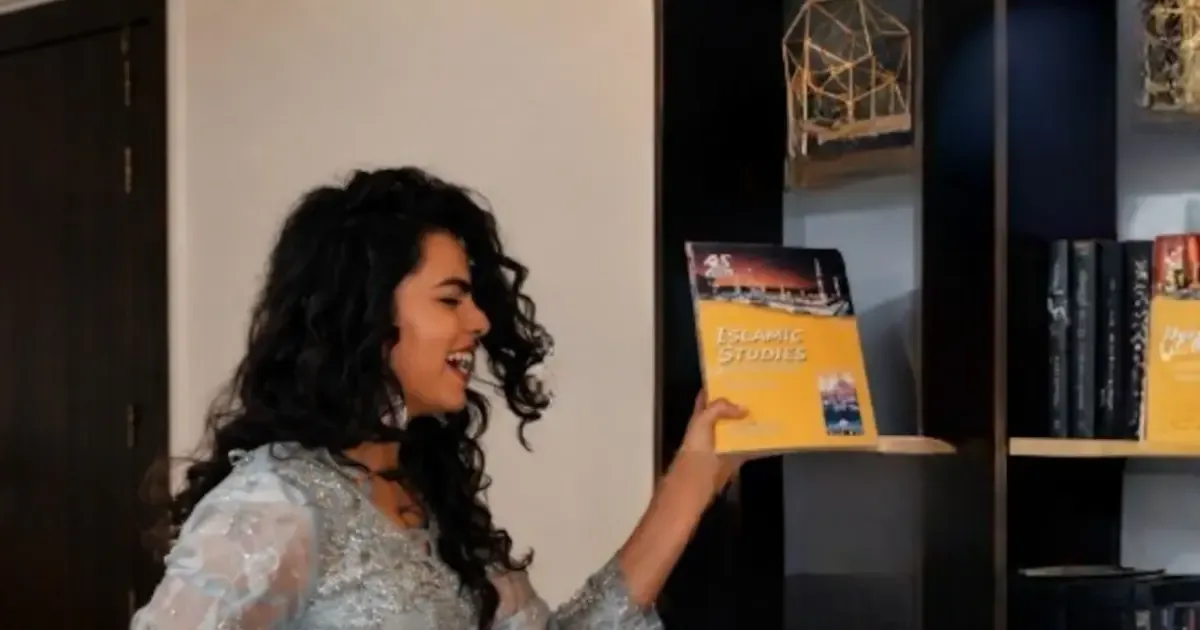
The Pakistani drama serial Zabt is currently facing significant backlash. The controversy erupted following the broadcast of its 20th episode, with viewers and social media users accusing the show of insulting Islam. Actress Sara Ejaz, a prominent figure in the drama, is at the center of this online storm. The public reaction has been swift and intense, though the precise details of the offensive content remain unclear in early reports.
Widespread anger surfaced online within hours of the episode’s airing. Numerous posts on platforms like X, formerly Twitter, and Facebook expressed strong complaints, with many feeling the show had crossed a line. Calls for the drama’s removal from air and demands for an apology from the producers have become prominent. This controversy has quickly become a major topic of discussion both within Pakistan and among the show’s global audience.
Understanding the Show Zabt and Its Context
Zabt is a Pakistani television drama series featuring actress Sara Ejaz in a key role. The show had been airing weekly episodes without significant public criticism until episode 20. Like many Pakistani dramas, it likely explores themes of family, social issues, and relationships, often characterized by emotional storylines and strong performances. These dramas are popular not only in Pakistan but also internationally, including in India, the Middle East, and among the South Asian diaspora.
However, Zabt now finds itself embroiled in a controversy concerning religious sensitivities, a situation not uncommon for shows in the region. The specific nature of the scene or dialogue that triggered the backlash has not been officially confirmed by the show’s producers or the broadcasting channel. The initial reports did not provide explicit details, leaving many questions unanswered about the exact content, whether it was a misunderstanding, or a clear violation of religious norms. A complete picture of the situation is still developing.
Social Media Reaction to Zabt’s Controversial Episode
The online reaction to Zabt has been immediate and fervent. Social media users have voiced significant anger and disappointment, with some sharing clips they claim depict disrespectful content. Petitions calling for action against the drama have emerged, and a related hashtag quickly began trending. Many users have tagged the Pakistan Electronic Media Regulatory Authority (PEMRA), urging an investigation and intervention.
Critics argue that the show’s creators should have exercised greater caution, especially in Pakistan where religious sentiments are deeply held. Conversely, some supporters defend the show, suggesting the backlash stems from a misunderstanding or that the scene was taken out of context. However, critical voices have so far been more prominent in the public discourse.
It is important to recognize the amplifying effect of social media, where outrage can spread rapidly. Controversial content, particularly when touching on religious themes, can quickly escalate into widespread online protests. This phenomenon has led to similar backlashes against other Pakistani dramas and films in the past, sometimes resulting in apologies, content edits, or even outright bans.
Religious Sensitivity in Pakistan and Content Creation
Religion plays a central role in public life in Pakistan, with Islam being the state religion. Strict blasphemy laws are in place, and perceived insults to Islam can provoke strong reactions, including protests and legal action. This environment necessitates extreme caution from content creators, yet controversies still arise when content is perceived to cross religious boundaries.
The Zabt controversy is part of a recurring pattern where Pakistani dramas face accusations of disrespecting Islam. Previous criticisms have targeted the negative portrayal of religious figures or misrepresentation of Islamic teachings, often leading to intense reactions and national debates amplified by social media.
In the current case, the exact nature of the alleged insult remains unconfirmed, yet the backlash persists. Public reactions are often based on interpretations and secondhand information, a common aspect of such controversies where incomplete facts can exacerbate the situation for all involved.
Potential Future Outcomes for Zabt
The future of the drama Zabt remains uncertain, with several potential outcomes. The producers might issue an apology, edit the controversial episode, or remove it from streaming platforms. The broadcasting channel could decide to suspend the show, or the regulator PEMRA might mandate changes, including fines, suspensions, or license revocations.
As of now, neither the producers of Zabt nor actress Sara Ejaz have released an official statement, and the channel has remained silent. This silence could be a tactic to let the initial anger subside or could be perceived as a lack of accountability. Many are awaiting an explanation from the show’s team regarding the intent behind the content.
Historically, similar controversies in Pakistan have often concluded with shows being pulled or creators issuing apologies. For instance, the drama Raqs-e-Bismil faced backlash in 2020 for a scene deemed disrespectful, leading to an apology and edits. The film Zinda Bhaag also encountered criticism for its portrayal of religious themes, requiring filmmakers to clarify their intentions. These precedents suggest a common trajectory for such incidents.
The Amplifying Role of the Internet in Zabt Backlash
The internet has fundamentally altered how controversies like the one surrounding Zabt unfold. What might have once been a localized discussion can now go viral globally within hours. Social media platforms facilitate rapid sharing of anger, organization of protests, and pressure on authorities. While this can be a powerful tool for accountability, it can also foster mob mentality, sometimes fueled by incomplete or inaccurate information.
In the case of Zabt, many reactions may be based on reports of the backlash rather than direct engagement with the controversial content itself. This reliance on secondhand accounts is a prevalent issue in the digital age, complicating conflict resolution as the truth can become obscured.
Despite these challenges, the internet also offers a space for reasoned discussion. Some users advocate for calm and thorough investigation, urging others to view the scene before forming judgments. This balanced approach is crucial, though often overshadowed by more vocal criticisms in heated online environments.
Pakistani Dramas, Public Opinion, and Industry Standards
Pakistani television dramas have a long-standing tradition of addressing societal issues, including poverty, women’s rights, and corruption. While often lauded for their realism, they must navigate a delicate balance, particularly concerning religion, where even minor missteps can trigger significant backlash.
The Pakistani drama industry is substantial and influential, with major networks like HUM TV, ARY Digital, and Geo TV producing shows watched by millions. The careers of actors and directors are closely tied to public perception, making controversies high-stakes affairs.
Actress Sara Ejaz, known for her roles in popular Pakistani dramas, is now in the spotlight due to her involvement in Zabt. While her role in creative decisions is unclear, as a lead actress, she is often seen as the face of the show and may face criticism alongside the producers.
Limited Information Surrounding Zabt Controversy
A significant challenge in reporting on the Zabt controversy is the scarcity of detailed information. The exact nature of the offensive content, including specific scenes or dialogue, remains unverified. Information regarding the episode’s air date and the precise scale of the backlash, such as the number of social media posts or prominent critics, is also unavailable.
This lack of verified details limits definitive statements but underscores how quickly news can spread in the digital age, often before full understanding or accuracy is established. As more information emerges, the narrative may evolve. The current public reaction is palpable, but the underlying facts are still being clarified.
It is possible that the show’s creators will soon release a statement to clarify the situation and address any perceived offense. Until then, questions persist about whether the controversial element was intentional, a mistake, approved by channel censors, or overlooked during the broadcast process.
Implications of the Zabt Backlash for the Industry
The Zabt controversy serves as a stark reminder of the challenges content creators face in Pakistan, balancing artistic expression with deep-seated religious and cultural sensitivities. A single misstep can jeopardize extensive work and damage reputations.
This backlash could lead to a more cautious approach within the industry, potentially discouraging creators from exploring sensitive topics or questioning religious norms. While this might reduce controversies, it could also limit the diversity of narratives presented on Pakistani television. Conversely, it might foster more rigorous script vetting processes.
For Zabt itself, the immediate future is uncertain. The coming days will be critical. A timely and appropriate response from the producers could help quell the controversy, whereas continued silence or escalating backlash might lead to the show’s permanent removal. The situation is being closely monitored online.
Frequently Asked Questions
What is the main controversy surrounding the Pakistani drama Zabt?
The drama Zabt is facing backlash over its 20th episode, which viewers allege contains content insulting to Islam. The controversy gained significant traction on social media platforms shortly after the episode was broadcast.
Who is at the center of the Zabt controversy?
Actress Sara Ejaz, who plays a leading role in the drama Zabt, is at the center of the controversy. Online discussions and criticisms have often involved her and the show's production team.
What specific content in Zabt episode 20 caused the backlash?
The exact scene or dialogue that caused the offense has not been officially confirmed or detailed in initial reports. This lack of specific information has led to speculation and debate among viewers and critics.
How has social media influenced the Zabt controversy?
Social media platforms like X and Facebook have been crucial in amplifying the backlash against Zabt. Users have shared complaints, clips, and hashtags, quickly bringing the issue to national attention and prompting calls for action.
What are the potential consequences for the drama Zabt?
Possible outcomes include an official apology from the producers, editing or removal of the controversial episode, suspension of the show by the channel, or intervention from regulatory bodies like PEMRA. Historically, similar controversies have led to shows being pulled or content being altered.
Has there been an official statement from the producers or actress regarding the Zabt controversy?
As of the latest reports, there has been no official statement released by the producers of Zabt, the broadcasting channel, or the actress Sara Ejaz addressing the controversy.