At a Glance
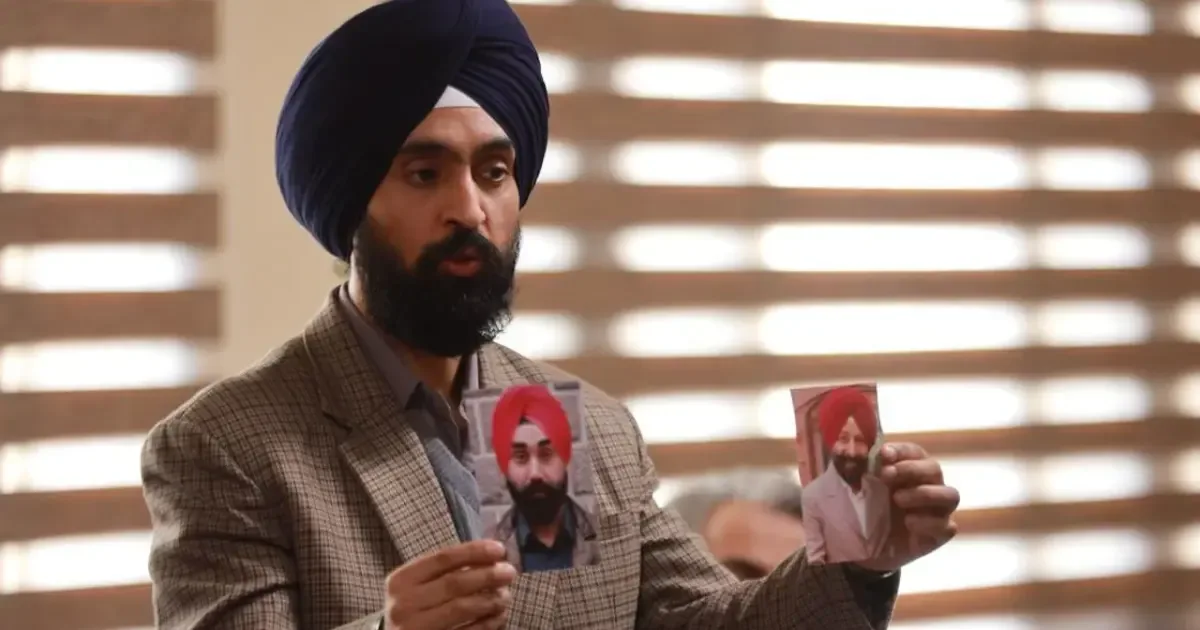
Diljit Dosanjh’s film ‘Punjab ’95’, delayed for three years due to demands for 127 cuts by the CBFC, has finally been released uncut on an OTT platform under the new title ‘Satluj’. This move signifies a victory for creative freedom in Indian cinema, allowing the director’s original vision to be seen without compromise.
Key Takeaways
The main points at a glance
- Diljit Dosanjh’s film ‘Punjab ’95’ was held back for three years by the CBFC, which demanded 127 cuts.
- Director Honey Trehan refused to make the cuts, stating they would alter the film’s core message and identity.
- The film has now been released uncut on an OTT platform with a new title, ‘Satluj’.
- The name change might be symbolic, representing the unstoppable flow of truth, or a strategic move to bypass censorship issues.
- OTT platforms are increasingly serving as an alternative for films facing censorship, allowing for uncut releases outside traditional theatrical rules.
- The ‘Satluj’ release highlights ongoing debates about censorship and freedom of expression in Indian cinema.
Diljit Dosanjh’s ‘Punjab ’95’ Finally Released Uncut as ‘Satluj’ on OTT
Diljit Dosanjh’s film ‘Punjab ’95’ faced a three-year delay due to demands for 127 cuts from India’s film censor board. Director Honey Trehan stated that making such extensive changes would compromise the film’s integrity and its identity as his and Dosanjh’s work. The movie has now been released uncut on an OTT platform under the new title ‘Satluj’, marking a significant moment for creative freedom in Indian cinema.
The Fight Over 127 Cuts: A Director’s Stand
The film is a biopic honoring Jaswant Singh Khalra, a human rights activist from Punjab. In the 1990s, Khalra investigated disappearances during a period of militancy in Punjab and was tragically killed in 1995. Director Honey Trehan aimed to bring Khalra’s story to the screen, but encountered significant hurdles with the Central Board of Film Certification (CBFC).
The CBFC, responsible for certifying films for public exhibition in India, is known to request cuts for various reasons, including violence, explicit content, or sensitive political themes. For ‘Punjab ’95’, the board demanded an extensive 127 cuts. Trehan publicly stated that these cuts would fundamentally alter the film, making it unrecognizable from his and Dosanjh’s original vision.
While the specific cuts were not disclosed, it’s widely believed the CBFC objected to depictions of state-sanctioned violence, police brutality, and the political atmosphere of the era, elements often present in films addressing Punjab’s turbulent past. Trehan’s refusal to implement these changes led to the film being shelved.
Three Years of Stalemate: What Kept ‘Punjab ’95’ in Limbo
From 2020 to 2023, ‘Punjab ’95’ remained unreleased as it could not obtain a censor certificate required for theatrical distribution. This prolonged standoff highlights the challenges filmmakers face when their work touches upon sensitive historical or political subjects in India.
During this period, attempts were made to negotiate with the CBFC for a reduced number of cuts, emphasizing the film’s intent as a tribute to Khalra’s pursuit of justice. However, these negotiations did not resolve the impasse, leaving the film in limbo for three years.
Meanwhile, Diljit Dosanjh’s career flourished with successful films in Punjabi and Hindi cinema. Despite his growing stardom, his personal project remained unreleased, frustrating fans eager to see his portrayal of Khalra and experience the story the authorities seemed hesitant to permit.
The stalemate was eventually broken when the filmmakers opted for an Over-The-Top (OTT) release, bypassing traditional theatrical channels.
Enter ‘Satluj’: The New Title and the Uncut Promise
Upon its eventual release on streaming services, the film was retitled ‘Satluj’. While the exact reasons for the name change are not explicitly stated, it likely serves symbolic and strategic purposes. The river Satluj is a significant cultural symbol in Punjab, representing life and continuity, perhaps suggesting that Khalra’s story, like the river, cannot be contained.
The new title may also have been a strategic move to navigate past the CBFC’s initial objections, potentially allowing for a fresh start. Most importantly, Diljit Dosanjh confirmed that the film is available with ‘absolutely no cuts’, meaning the version released is the director’s original vision, free from the 127 demanded changes. This uncut release represents a significant victory for artistic expression.
How OTT Became a Safety Valve for Banned Films
The release of ‘Satluj’ on OTT is part of a growing trend where films facing censorship hurdles in theaters find a platform online. Unlike theatrical releases, OTT platforms are not mandated to obtain CBFC certificates, offering a pathway for filmmakers to release their content uncut.
This shift provides an alternative for controversial or politically sensitive films that might otherwise be suppressed. While OTT releases may reach a smaller audience and generate less revenue compared to theatrical runs, they allow creators to maintain the integrity of their work.
The success of ‘Satluj’ on streaming reinforces the idea that OTT platforms can serve as crucial outlets for artistic freedom, enabling filmmakers to tell their stories without compromising their vision. This could encourage more directors to pursue OTT releases when faced with censorship challenges.
What This Means for Future Censorship Battles in India
The journey of ‘Punjab ’95’ to its ‘Satluj’ release highlights the ongoing debate surrounding freedom of speech and censorship in Indian cinema. Critics argue that the CBFC’s stringent approach often stifles creative expression, particularly concerning films that address historical injustices or political realities.
There are increasing calls for reform of the CBFC, with suggestions ranging from shifting its role to solely providing age ratings to demanding greater transparency in its decision-making processes. The ‘Satluj’ case amplifies these discussions, questioning the extent to which films exploring sensitive human rights issues can be freely exhibited.
While the filmmakers have not announced plans for a theatrical release, the uncut OTT debut is a notable achievement. It demonstrates that alternative avenues exist for artists to circumvent censorship, though the need for such workarounds points to systemic issues. The change in title and the three-year delay underscore the difficulties faced by filmmakers in bringing their complete artistic vision to the public.
Ultimately, the story of ‘Punjab ’95’ becoming ‘Satluj’ is a testament to perseverance. It underscores the commitment of the director and actor to preserving the film’s message and the resilience of storytelling in the face of censorship. The uncut release allows audiences to engage with the story as intended, prompting reflection on the importance of artistic freedom.
Frequently Asked Questions
Why was Diljit Dosanjh's film 'Punjab '95' delayed?
The film 'Punjab '95' was delayed for three years because India's Central Board of Film Certification (CBFC) demanded 127 cuts. The director refused to make these changes, stating they would compromise the film's integrity and artistic vision.
What is the new title of the film and where is it released?
The film has been released uncut on an Over-The-Top (OTT) platform under the new title 'Satluj'. The exact reasons for the name change are not fully disclosed but may be symbolic or strategic.
What does 'uncut release' mean in this context?
An uncut release means the film is being shown exactly as the director intended, without any of the 127 cuts that the CBFC had previously demanded. Diljit Dosanjh confirmed the film has 'absolutely no cuts'.
What is the film 'Punjab '95' about?
The film is a biopic about Jaswant Singh Khalra, a human rights activist from Punjab who investigated disappearances during the militancy period in the 1990s. He was killed in 1995 for his work.
How do OTT platforms help films facing censorship?
OTT platforms do not require a CBFC certificate for release, unlike traditional theaters. This allows filmmakers to bypass censorship demands and release their films uncut, even if they are deemed too controversial for theatrical distribution.
What is the significance of the film's release on OTT?
The uncut release of 'Satluj' on OTT is seen as a significant victory for creative freedom in Indian cinema. It demonstrates that filmmakers can find ways to release their work without compromising their artistic vision, even when facing censorship challenges.
References
- Once Asked To Make 127 Cuts, Diljit Dosanjh's Punjab 95, Now Titled Satluj, Releases After Years Of Delay With 'No Cuts' – Original report (NDTV Movies)
- Once Asked To Make 127 Cuts, Diljit Dosanjh's Punjab 95, Now Titled Satluj, Releases After Years Of Delay With 'No Cuts' – NDTV – NDTV
- After 3-year censorship battle, Diljit Dosanjh’s Punjab 95 hits OTT ‘uncut’ under new title – The Indian Express – The Indian Express
- Diljit Dosanjh on Punjab 95’s title change to Satluj: ‘Absolutely no cuts in the film’ – The Indian Express – Features a direct quote from Diljit Dosanjh affirming the film has 'absolutely no cuts'.
- Dosanjh’s long-delayed biopic on Khalra released as ‘Satluj’ – The Indian Express – Identifies the biopic subject as Jaswant Singh Khalra and notes the long delay.
- "With Censor Board's 127 Cuts, Punjab '95 Is Not My Or Diljit Dosanjh's Film": Director Honey Trehan To NDTV – NDTV – Provides the director's strong stance that 127 cuts would essentially destroy the film, reinforcing the censorship conflict.