At a Glance
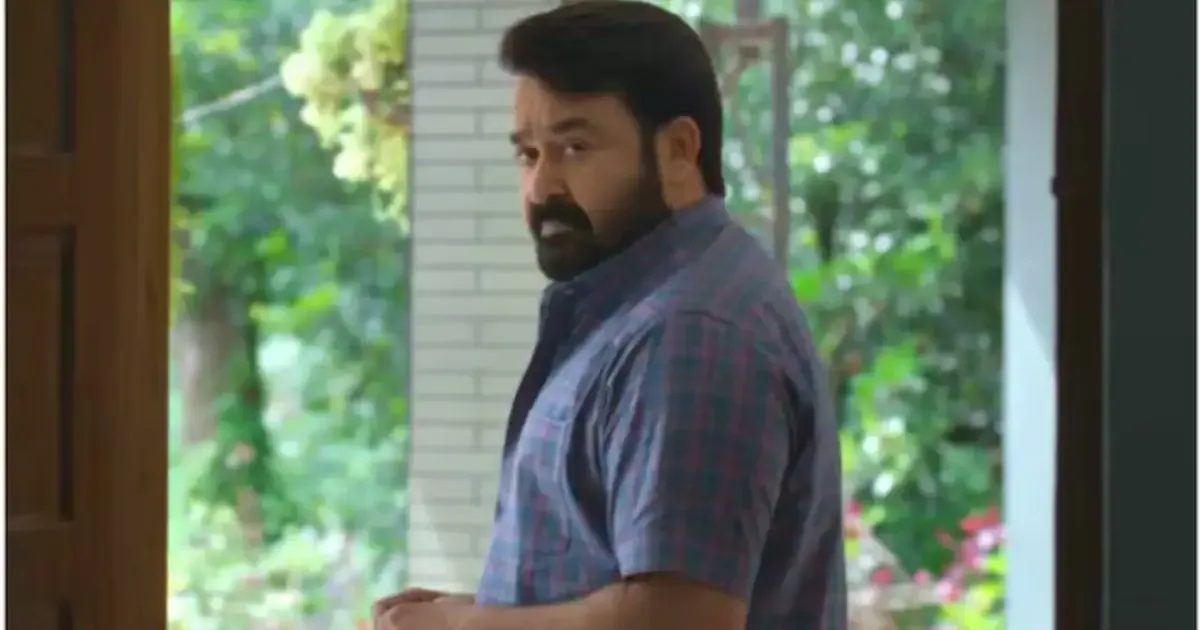
The Madras High Court has issued an interim injunction stopping the release of the Telugu dubbed version of Drishyam 3 on an OTT platform. The order came in response to a petition filed by Rajkumar Theatre Pvt Ltd, which claims rights over the film's distribution.…
Key Takeaways
The main points at a glance
- What the Court Ordered
- Who Filed the Plea and Why
- Rights Dispute: The Core Issue
- Impact on OTT Release
- What Happens Next
The Madras High Court has issued an interim injunction stopping the release of the Telugu dubbed version of Drishyam 3 on an OTT platform. The order came in response to a petition filed by Rajkumar Theatre Pvt Ltd, which claims rights over the film’s distribution. The ruling prevents the OTT platform from making the dubbed version available until the rights dispute is resolved.
What the Court Ordered
The Madras High Court passed an order halting the OTT release of the Telugu dubbed version of Drishyam 3. The court’s interim injunction means the OTT platform cannot stream the dubbed version until further notice. The order was passed on a plea moved by Rajkumar Theatre Pvt Ltd, a film production company based in Chennai.
An interim injunction is a temporary court order. It stops someone from doing something until a full hearing can take place. In this case, the court decided that the petitioner’s claims were strong enough to warrant immediate action. The OTT platform must now wait for the court to hear both sides before it can release the Telugu dubbed version.
The court did not give a detailed explanation of its reasoning in the order. But the fact that it granted an interim injunction suggests that Rajkumar Theatre Pvt Ltd raised serious concerns about its rights. The court likely found that the petitioner could suffer irreparable harm if the release went ahead before the dispute was resolved.
Who Filed the Plea and Why
Rajkumar Theatre Pvt Ltd is a film production and distribution company based in Chennai. The company has been in the film business for decades and has produced and distributed many Tamil and Telugu films. It claims to hold the distribution rights for the Telugu dubbed version of Drishyam 3 in certain territories.
The company filed a plea in the Madras High Court arguing that the OTT platform did not have the right to stream the Telugu dubbed version. According to the petition, Rajkumar Theatre Pvt Ltd had acquired the rights to distribute the film in Telugu for theatrical release. The company claims that those rights also cover digital streaming, including OTT platforms.
The exact details of the rights agreement are not public. But the petitioner’s argument appears to be that the OTT platform obtained a license from someone who did not have the authority to grant it. This is a common issue in the film industry when rights are split between different parties for different formats and languages.
Rights Dispute: The Core Issue
The core of the dispute is about who owns the rights to the Telugu dubbed version of Drishyam 3 for digital streaming. Rajkumar Theatre Pvt Ltd claims it acquired those rights from the original producers. The OTT platform claims it obtained a valid license from someone else.
Rights disputes in the film industry often arise because rights are sold separately for different formats and languages. For example, the original Malayalam version of Drishyam 3 might have one set of rights holders. The Telugu dubbed version might have another. The Tamil dubbed version might have yet another. And each version can have separate rights for theatrical release, television broadcast, home video, and digital streaming.
In Indian film contracts, dubbed version rights are often treated as separate from original language rights. A producer might sell the rights to the original Malayalam version to one distributor and the rights to the Telugu dubbed version to another. This can create confusion when multiple parties claim ownership of the same content.
The Madras High Court’s decision to halt the release suggests that the petitioner’s claim is not frivolous. The court likely saw that there was a genuine dispute over who holds the digital streaming rights for the Telugu dubbed version. Until that dispute is resolved, the court has decided to maintain the status quo by stopping the release.
Impact on OTT Release
The interim injunction directly affects the OTT platform that planned to stream the Telugu dubbed version of Drishyam 3. The platform cannot now release the film until the court lifts the injunction or the dispute is resolved. This could delay the release for weeks or even months.
For viewers who were waiting to watch the Telugu dubbed version on OTT, this means a longer wait. The film’s release on the platform is now uncertain. If the court eventually rules in favor of Rajkumar Theatre Pvt Ltd, the OTT platform may have to negotiate a new license agreement or scrap the release altogether.
For the OTT platform, this is a setback. Streaming services invest heavily in acquiring content and promoting it to subscribers. A court order blocking a high-profile release can disrupt their content pipeline and disappoint subscribers. It can also lead to financial losses if the platform has already paid for the rights but cannot use them.
The injunction also affects the film’s producers and other stakeholders. If the OTT release is delayed, it could affect the film’s overall revenue. Streaming rights are a major source of income for films today, especially for regional language films that may not have a wide theatrical release.
What Happens Next
The Madras High Court will now hear the case on its merits. Both Rajkumar Theatre Pvt Ltd and the OTT platform will have the chance to present their arguments. The court will examine the contracts and agreements to determine who actually holds the digital streaming rights for the Telugu dubbed version.
Injunction cases in the Madras High Court typically take a few weeks to several months to resolve. The timeline depends on the complexity of the case and the court’s schedule. Simple cases with clear contracts can be resolved quickly. More complex cases with ambiguous agreements can take longer.
During the hearing, the court may ask both parties to provide evidence of their rights. This could include copies of contracts, agreements, and correspondence. The court will also consider whether the OTT platform acted in good faith when it acquired the license.
If the court finds that Rajkumar Theatre Pvt Ltd’s claim is valid, it may make the interim injunction permanent. This would mean the OTT platform cannot stream the Telugu dubbed version at all without a new license from the petitioner. If the court finds that the OTT platform’s license is valid, it will lift the injunction and allow the release to go ahead.
There is also the possibility of a settlement between the parties. Many rights disputes in the film industry are resolved through negotiation rather than litigation. The OTT platform might agree to pay Rajkumar Theatre Pvt Ltd for the rights, or the two parties might reach a compromise that allows the release to proceed.
Broader Implications for Film Rights
This case highlights the growing complexity of film rights in the age of digital streaming. As more films are released on multiple platforms and in multiple languages, the potential for rights disputes increases. Producers and distributors need to be very clear about what rights they are selling and what rights they are retaining.
In the past, film rights were relatively simple. A producer would sell the theatrical rights to one distributor and the home video rights to another. Today, rights are split into many more categories: theatrical, television, satellite, digital streaming, video on demand, and more. Each category can be sold to a different buyer for a different territory.
Dubbed version rights add another layer of complexity. When a film is dubbed into another language, the rights to that dubbed version can be sold separately from the original language version. This is common in India, where films are often released in multiple languages. A film made in Malayalam might be dubbed into Telugu, Tamil, Kannada, and Hindi, with each language version having its own rights holders.
The Madras High Court’s decision serves as a reminder to everyone in the film industry to be careful when negotiating rights. Contracts must clearly specify which rights are being transferred and which are being retained. They must also specify whether the rights cover dubbed versions and digital streaming.
For OTT platforms, this case is a warning to verify the rights they are acquiring. A platform that buys streaming rights from someone who does not actually hold them could face legal action and financial losses. Platforms should conduct due diligence to ensure that the seller has the authority to grant the license.
For viewers, this case is a reminder that legal disputes can affect what they can watch and when. A film that is announced for release on a streaming service might be delayed or cancelled if there is a rights dispute. This is not uncommon in the entertainment industry, and viewers should be aware that release dates are not always set in stone.
The outcome of this case could set a precedent for similar disputes in the future. India’s OTT market is growing rapidly, with more and more films being released directly on streaming platforms. As the market grows, so too will the number of rights disputes. Courts will need to develop clear rules for resolving these disputes fairly and efficiently.
For now, the Madras High Court has acted to protect the rights of Rajkumar Theatre Pvt Ltd while the dispute is resolved. The OTT platform must wait for the court’s final decision before it can release the Telugu dubbed version of Drishyam 3. Until then, the film remains in legal limbo.
Frequently Asked Questions
What the Court Ordered?
The Madras High Court passed an order halting the OTT release of the Telugu dubbed version of Drishyam 3. The court's interim injunction means the OTT platform cannot stream the dubbed version until further notice. The order was passed on a plea moved by Rajkumar Theatre Pvt Ltd, a film production company based in Chennai….
Who Filed the Plea and Why?
Rajkumar Theatre Pvt Ltd is a film production and distribution company based in Chennai. The company has been in the film business for decades and has produced and distributed many Tamil and Telugu films. It claims to hold the distribution rights for the Telugu dubbed version of Drishyam 3 in certain territories. The company filed…
What is rights Dispute: The Core Issue?
The core of the dispute is about who owns the rights to the Telugu dubbed version of Drishyam 3 for digital streaming. Rajkumar Theatre Pvt Ltd claims it acquired those rights from the original producers. The OTT platform claims it obtained a valid license from someone else. Rights disputes in the film industry often arise…
How does this affect people?
The interim injunction directly affects the OTT platform that planned to stream the Telugu dubbed version of Drishyam 3. The platform cannot now release the film until the court lifts the injunction or the dispute is resolved. This could delay the release for weeks or even months. For viewers who were waiting to watch the…
What Happens Next?
The Madras High Court will now hear the case on its merits. Both Rajkumar Theatre Pvt Ltd and the OTT platform will have the chance to present their arguments. The court will examine the contracts and agreements to determine who actually holds the digital streaming rights for the Telugu dubbed version. Injunction cases in the…
What is broader Implications for Film Rights?
This case highlights the growing complexity of film rights in the age of digital streaming. As more films are released on multiple platforms and in multiple languages, the potential for rights disputes increases. Producers and distributors need to be very clear about what rights they are selling and what rights they are retaining. In the…