At a Glance
It is a familiar morning scene. You are rushing to get out the door. You grab the leftovers from last night's dinner. You toss an apple and a yogurt cup into a bag. Maybe you make a quick sandwich. Then you pause. You wonder: will…
Key Takeaways
The main points at a glance
- Why Packed Lunch Safety Matters More Than You Think
- Tip 1: Keep Hot Foods Hot and Cold Foods Cold
- Tip 2: Use the Right Containers That Seal Tightly
- Tip 3: Wash Your Hands and Prep Surfaces First
- Tip 4: Store the Lunch in a Cool, Clean Bag
It is a familiar morning scene. You are rushing to get out the door. You grab the leftovers from last night’s dinner. You toss an apple and a yogurt cup into a bag. Maybe you make a quick sandwich. Then you pause. You wonder: will this food still be safe to eat in four or five hours? Will the yogurt still be cold? Will the chicken curry go bad?
You are not alone. Millions of people pack lunches every day for school, work, or outings. And many of them have the same worry. Food left out too long can grow bacteria. That bacteria can make you sick. But with a few simple tricks, you can keep your lunch safe and fresh until you are ready to eat it.
The Food Safety and Standards Authority of India, known as FSSAI, recently shared some helpful advice on social media. The food regulator posted on X, formerly Twitter, with four simple tips for packed lunch safety. The message was clear: keeping your lunch safe is not hard. You just need to follow a few easy steps.
Let us break down what FSSAI wants you to know. These tips work for any packed lunch, whether you are packing for a child, for yourself, or for a family member.
Why Packed Lunch Safety Matters More Than You Think
Food poisoning is no joke. It can cause stomach pain, vomiting, diarrhea, and fever. For young children, older adults, and people with weak immune systems, it can be even more serious. But most cases of food poisoning can be prevented.
A packed lunch sits out at room temperature for hours between when you pack it and when you eat it. That time window is the perfect chance for bacteria to grow. Bacteria multiply fastest in what food safety experts call the danger zone. This is the temperature range between 40°F and 140°F, or roughly 4°C to 60°C.
When food stays in this danger zone for more than two hours, the risk of illness goes up. After four hours, the risk is even higher. That is why how you pack, store, and handle your lunch matters so much.
The good news is that following a few basic rules can keep your lunch out of the danger zone. FSSAI’s tips cover exactly these rules. They are simple enough for anyone to follow, even on a busy morning.
Tip 1: Keep Hot Foods Hot and Cold Foods Cold
This tip is the most important one. It is also the one people forget most often. Temperature control is the key to food safety.
If you are packing a hot lunch, like soup, curry, or rice, it needs to stay hot. That means above 140°F, or 60°C. Bacteria stop growing at these temperatures. But keeping food hot in a lunch bag can be tricky. Here is how to do it.
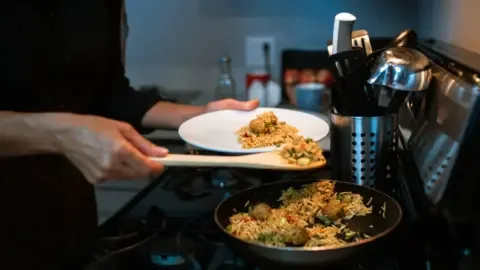
First, heat your food until it is steaming hot. Then put it into a pre-warmed container. You can warm the container by filling it with hot water for a few minutes, then pouring the water out. Then add your hot food right away. Do not let it cool down first. If it cools while you pack, it will spend more time in the danger zone.
Use an insulated food jar for hot foods. These are sometimes called thermoses. They are made to keep hot things hot. Make sure the lid is tight. Do not open the jar during the morning. Every time you open it, heat escapes.
If you are packing a cold lunch, the rule is the same but reversed. Cold foods need to stay cold. That means below 40°F, or 4°C. Sandwiches with meat, cheese, or egg salad need to be kept cold. So do yogurt, milk, and sliced fruits.
How do you keep things cold? Use an ice pack. Freeze it overnight. Put it in your lunch bag right next to the cold food. If you do not have a hard ice pack, a frozen water bottle works too. It will keep your food cold and give you cold water to drink by lunchtime.
Another tip: freeze your drink box or juice pack. It will thaw by lunchtime and keep your sandwich cold all morning. You can also freeze a yogurt cup and let it thaw in the bag. Just do not freeze anything in a glass container, as it might break.
What about foods that do not need temperature control? Things like whole fruits, nuts, bread, and dry crackers stay safe at room temperature. But anything with moisture or protein is a higher risk. Meat, dairy, cooked vegetables, rice, and eggs all need careful handling.
Different foods do have different risk levels. Rice is a good example. Cooked rice can carry a bacteria called Bacillus cereus. This bacteria can survive cooking. If rice is left out at room temperature, the bacteria can grow fast. That is why you should always refrigerate leftover rice quickly. For packed lunch, hot rice in a thermos is fine. But cold rice for sushi or salad should stay cold with an ice pack.
Sandwiches are also tricky if they have mayonnaise or moist fillings. Mayonnaise is made with eggs, and it spoils quickly at room temperature. Pack mayo-based fillings separately or use a cold pack. Better yet, skip the mayo and use oil-based dressings or hummus instead, which are more stable.
Tip 2: Use the Right Containers That Seal Tightly
The second tip from FSSAI is about your containers. Not all lunch boxes are the same. You need containers that are leak-proof and airtight.
Why is this important? A leaky container is a disaster. If your curry drips onto your apple, the apple tastes like curry. Worse, the moisture from the curry can make other foods spoil faster. Liquids help bacteria move and grow. A leak can also stain your lunch bag or desk.
Look for containers with snap-on lids or screw tops that seal tight. Do not trust a lid just because it clicks. Test it with water at home first. Fill it, close it, and turn it upside down. If water drips out, find a better container.
For hot foods, insulated food jars are best. They have a vacuum seal that keeps heat in. They also do not leak. For cold foods, sturdy plastic or stainless steel containers with tight lids work well. Glass containers are fine but heavier and can break.
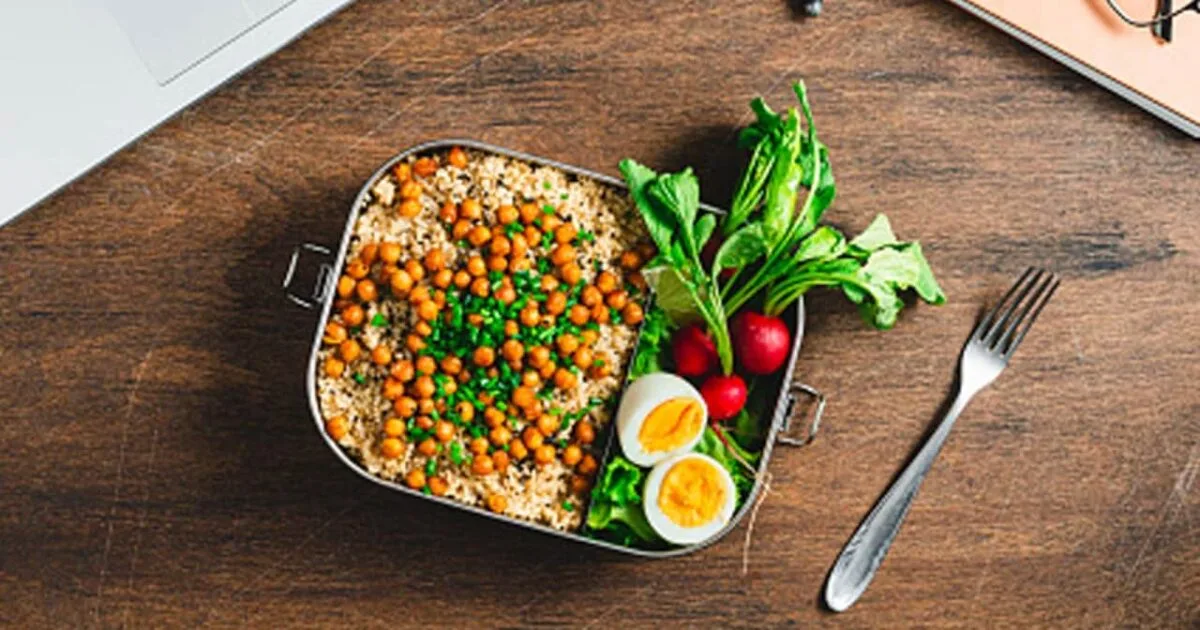
You should also separate different types of food. Do not put raw salad next to cooked meat. The juices from the meat can contaminate the salad. Use multiple small containers instead of one big one. That way, each food stays in its own space.
A good rule is to use separate containers for wet foods and dry foods. Keep the dressing or sauce in a small container on the side. Add it only when you are ready to eat. This keeps the main food from getting soggy and prevents bacteria from having the moisture they need to grow.
Do you reuse containers from takeout? That is fine as long as they are clean and seal well. But thin plastic containers from restaurants often crack after one use. They might seem tight, but they can leak if you squeeze the bag. It is better to use thicker, reusable containers made for lunch.
Label your containers if you share a fridge at work or school. Write your name and the date. That way you know which lunch is yours and when you packed it. If a container has been in the fridge for more than a day, check the food before eating.
Tip 3: Wash Your Hands and Prep Surfaces First
This tip might seem obvious, but it is worth repeating. Clean hands and a clean kitchen are your first defense against food poisoning. Bacteria live on your hands, on countertops, and on cutting boards. They can easily get into your food if you are not careful.
Start with your hands. Wash them with soap and warm water for at least 20 seconds. Do this before you touch any food, even if you just washed them. Do it again after you handle raw meat, eggs, or poultry. Do it after you touch your phone, your pet, or your kitchen trash can.
If you do not have a sink nearby, use a hand sanitizer with at least 60% alcohol. But soap and water are better, especially if your hands are visibly dirty.
Now clean your prep surfaces. Wipe down your countertop with a disinfectant cleaner or a mild bleach solution. Do the same for your cutting board. If you use a wooden cutting board, be extra careful. Wood can hold bacteria in its cracks. A plastic cutting board is easier to sanitize.
Use separate cutting boards for raw meat and for fruits or vegetables. Otherwise, you can get cross contamination. That means bacteria from raw chicken get onto your salad greens. Then you eat the salad with those bacteria still on it. You can get very sick from this.
Wash your utensils too. The knife you used to cut the raw chicken should not be used to cut the bread for your sandwich. Wash it thoroughly with hot soapy water first.
Do not forget about the sink. The kitchen sink is one of the germiest places in the house. Clean it regularly. Do not rinse your lunch containers in a dirty sink before packing them.
Your lunch bag itself can also be a source of germs. Fabric lunch bags should be washed regularly. Some can go in the washing machine. Check the label. If your bag is not machine washable, wipe the inside with a disinfectant wipe or a cloth with soapy water. Let it dry completely before using it again.
By keeping everything clean, you prevent bacteria from getting into your lunch in the first place. That is much easier than trying to kill them after they are already growing.
Tip 4: Store the Lunch in a Cool, Clean Bag
The fourth tip from FSSAI is about where you keep your packed lunch until it is time to eat. A cool and clean bag makes a big difference.
Do you leave your lunch bag in the car on a hot day? Do not. A car can heat up very quickly, even with the windows cracked. In summer, the inside of a car can reach 150°F (65°C) or more. That temperature will make your lunch spoil fast, even if you used an ice pack.
Keep your lunch bag in a cool place. If you are at work, put it in the office refrigerator as soon as you arrive. If there is no fridge, keep it under your desk away from direct sunlight. Do not put it near a heater, a radiator, or a sunny window.
If you are going to school, keep the lunch bag in a locker or a shaded spot. Some schools have fridges for student lunches. If not, use an insulated bag with a frozen ice pack. This can keep food safe for several hours, but not all day.
The same rule about the two-hour window applies here. Do not leave your lunch out at room temperature for more than two hours total. That includes time spent packing, carrying, and waiting to eat. If the temperature is above 90°F (32°C), like on a picnic or a field trip, the safe window shrinks to just one hour.
What if you forget your lunch on the kitchen counter? If it has been less than two hours, you can still pack it quickly and add an ice pack. If it has been longer, it is safer to throw it away, especially if it contains meat, dairy, or cooked rice.
Your lunch bag itself should be clean and in good condition. A torn bag can let dirt in. A dirty bag can have old food crumbs that attract bugs and bacteria. Wipe the bag out after each use. Let it air out so it does not get musty.
If you use a reusable lunch bag, rotate it. Do not use the same bag every day without cleaning it. Bacteria can build up on the fabric. If you use a disposable paper bag, use it only once. Paper absorbs moisture and can tear easily.
Another good habit is to pack the lunch the night before and put the whole bag in the fridge. That way, everything stays cold overnight. In the morning, just grab the bag and go. You might even save time.
When in Doubt – Follow This Simple Checklist
Sometimes you are in a hurry and you forget all the details. Here is a simple checklist you can use every morning. It covers the most important points from FSSAI’s advice.
Checklist for a Safe Packed Lunch:
- Did I wash my hands with soap and water before touching any food?
- Did I clean the counter, cutting board, and knife before starting?
- Is my hot food in a pre-warmed insulated jar and above 60°C (140°F)?
- Is my cold food next to a frozen ice pack and below 4°C (40°F)?
- Are all my containers airtight and leak-proof?
- Did I separate wet foods from dry foods in different containers?
- Is my lunch bag clean and in good condition?
- Will I be able to keep my lunch in a cool place or fridge until I eat it?
- Will the food be eaten within four hours of packing? (Max two hours at room temperature)
- If I packed leftovers, were they refrigerated overnight within two hours of cooking?
If you can answer yes to all these questions, your lunch is likely safe. If you have doubts about any one question, take a closer look. It is better to be safe than to eat food that might be spoiled.
You can print this checklist and stick it on your fridge. Or keep a copy in your phone to check quickly.
What FSSAI Wants You to Remember
FSSAI’s message is simple. Packed lunch safety does not have to be complicated. A few small habits can keep you and your family healthy.
The four tips are like a solid foundation. Keep hot foods hot. Keep cold foods cold. Use containers that seal tightly. Wash your hands and surfaces. Store the lunch in a cool, clean bag. That is all it takes.
Many common mistakes come from rushing. You skip washing the cutting board because you are in a hurry. You use a container that leaks a little because it is the only one clean. You forget the ice pack because you are late. These small shortcuts can lead to spoiled food and stomach aches.
Try to make food safety a habit. Plan your lunch the night before. Keep a pack of ice cubes or a frozen water bottle ready in the freezer. Have extra clean containers on hand. Wash your lunch bag once a week. When these steps become routine, you will not even think about them.
FSSAI often shares such tips on its social media pages. The food authority works to raise awareness about safe food practices across the country. Their goal is to prevent foodborne illness through education. By following their advice, you are taking an active step to protect your health and the health of those you feed.
If you want more information, you can check FSSAI’s official website or their social media accounts on X and other platforms. They post guidelines for home kitchens, restaurants, and street food vendors too. All of it is written to be easy to understand.
Now the next time you pack a lunch, you can do it with confidence. No more worrying at 10 a.m. about whether the chicken will be okay. You have the tools and tips to keep it safe. The most important thing is to start using them. Make one small change today. Add an ice pack. Wash your hands before you start. Use a sealed container. Over time, these small changes add up to big safety gains.
Your packed lunch can be delicious, nutritious, and safe. FSSAI’s tips show you how.
Frequently Asked Questions
Why Packed Lunch Safety Matters More Than You Think?
Food poisoning is no joke. It can cause stomach pain, vomiting, diarrhea, and fever. For young children, older adults, and people with weak immune systems, it can be even more serious. But most cases of food poisoning can be prevented. A packed lunch sits out at room temperature for hours between when you pack it…
What is tip 1: Keep Hot Foods Hot and Cold Foods Cold?
This tip is the most important one. It is also the one people forget most often. Temperature control is the key to food safety. If you are packing a hot lunch, like soup, curry, or rice, it needs to stay hot. That means above 140°F, or 60°C. Bacteria stop growing at these temperatures. But keeping…
What is tip 2: Use the Right Containers That Seal Tightly?
The second tip from FSSAI is about your containers. Not all lunch boxes are the same. You need containers that are leak-proof and airtight. Why is this important? A leaky container is a disaster. If your curry drips onto your apple, the apple tastes like curry. Worse, the moisture from the curry can make other…
What is tip 3: Wash Your Hands and Prep Surfaces First?
This tip might seem obvious, but it is worth repeating. Clean hands and a clean kitchen are your first defense against food poisoning. Bacteria live on your hands, on countertops, and on cutting boards. They can easily get into your food if you are not careful. Start with your hands. Wash them with soap and…
What is tip 4: Store the Lunch in a Cool, Clean Bag?
The fourth tip from FSSAI is about where you keep your packed lunch until it is time to eat. A cool and clean bag makes a big difference. Do you leave your lunch bag in the car on a hot day? Do not. A car can heat up very quickly, even with the windows cracked….
When in Doubt – Follow This Simple Checklist?
Sometimes you are in a hurry and you forget all the details. Here is a simple checklist you can use every morning. It covers the most important points from FSSAI’s advice. Checklist for a Safe Packed Lunch: