
At a Glance
Discover why your coconut chutney might turn bitter, often due to old coconut, over-blending, or too much souring agent. Learn simple home remedies like adding sugar, yogurt, or a pinch of salt to fix bitterness, and follow prevention tips like using fresh ingredients and blending carefully to ensure perfect, delicious chutney every time.
Key Takeaways
The main points at a glance
- The most common cause of bitter coconut chutney is using old or rancid coconut.
- Over-blending can heat up coconut oils, leading to bitterness.
- Excessive amounts of souring agents like tamarind or lemon juice can also cause bitterness.
- Simple fixes include adding a pinch of sugar or jaggery, a little yogurt or cream, or a squeeze of lemon juice.
- Prevent bitterness by always using fresh coconut, blending carefully, and removing the brown skin from the coconut flesh.
- For best results, make coconut chutney in small batches and consume it fresh.
You have just made a fresh batch of coconut chutney. The white, creamy texture looks perfect. You dip a piece of hot idli or a crispy dosa into it. But instead of the cool, sweet, and mildly tangy taste you expect, your mouth fills with a sharp, unpleasant bitterness. It is disappointing. You might think the whole batch is ruined and toss it in the sink. But do not give up yet.
Bitter coconut chutney is a common problem for home cooks. The good news is that in most cases, you can fix it. You do not need to be a professional chef. You just need to know what went wrong and how to balance the flavors again. This guide will walk you through the reasons for bitterness, simple fixes, and tips to make perfect chutney every time.
Why Does Coconut Chutney Turn Bitter?
Bitterness in coconut chutney usually comes from one of a few ingredients or a step in the preparation. Understanding the cause is the first step to fixing it. Let us look at the main culprits.
Old or Rancid Coconut
The most common reason for bitter chutney is the coconut itself. Fresh coconut has a naturally sweet, mild flavor. But as coconut gets older, its oils start to go bad. This process is called rancidity. Rancid coconut tastes bitter and sour at the same time. It can ruin the whole chutney.
How can you tell if your coconut is fresh? Look at the flesh. Fresh coconut meat is white, moist, and has a pleasant, nutty smell. If the flesh has yellow or brown patches, or if it smells like old oil or paint, it is past its prime. Do not use it for chutney.
Sometimes, even fresh-looking coconut can be slightly old. If you buy pre-cut coconut pieces from a store, they might have been sitting for a while. Always smell the coconut before you use it. Your nose is a good guide.
Over-Blending the Chutney
Another big reason for bitterness is over-blending. When you grind coconut for too long or at too high a speed, the heat from the blender or grinder can heat up the coconut oils. Heat can make the oils turn bitter. This is similar to how burnt oil tastes bad.
Many home cooks think that blending longer makes the chutney smoother. That is true up to a point. But if you blend for more than a minute or two in a high-speed blender, you risk overheating the mixture. The result is a chutney that tastes cooked or bitter, not fresh.
Too Much Tamarind or Sour Agent
Coconut chutney often uses a sour ingredient to balance the richness of the coconut. Common choices are tamarind pulp, lemon juice, or yogurt. But if you add too much tamarind, it can make the chutney taste sharp and bitter, not just sour. Tamarind has a complex flavor. In large amounts, it can overwhelm the coconut and leave a bitter aftertaste.
The same can happen with lemon juice. Lemon juice adds brightness, but too much can make the chutney acidic and unpleasant. Yogurt is milder, but if it is very sour, it can also contribute to bitterness.
Using the Wrong Type of Coconut
Not all coconuts are the same. Fresh, young coconut has a delicate, sweet flavor. Mature coconut has a richer, more pronounced taste. Dried coconut or desiccated coconut is even more concentrated. If you use dried coconut in a recipe meant for fresh coconut, the flavor can be too strong and slightly bitter.
Also, the brown skin on the coconut meat can be bitter. When you grate fresh coconut, make sure you remove all the brown outer layer. Only use the white flesh. The brown skin contains compounds that taste bitter.
Burnt or Over-Roasted Ingredients
Some coconut chutney recipes call for roasting ingredients like chana dal (split chickpeas), urad dal (split black gram), or red chilies before grinding. Roasting brings out a nutty flavor. But if you roast them too much or burn them, they become bitter. Burnt dal or burnt chilies will make the whole chutney taste like ash.
Common Mistakes That Lead to Bitterness
Beyond the ingredients themselves, certain habits in the kitchen can lead to bitter chutney. Here are some mistakes to watch out for.
Using a Dull Blender or Grinder
A dull blender blade requires more time and effort to grind the coconut. The longer the machine runs, the more heat it generates. This heat can turn the coconut oils bitter. If your blender is old or not powerful, it might be better to use a traditional stone grinder or a wet grinder. These tools grind more slowly and generate less heat.
Adding Water Incorrectly
Water is essential to get the right consistency for chutney. But adding too little water can make the chutney thick and pasty. When you blend a thick paste, the blender works harder and heats up more. This can cause bitterness. On the other hand, adding too much water makes the chutney watery and dilutes the flavor. The balance matters.
Storing Chutney for Too Long
Fresh coconut chutney is best eaten within a few hours of making it. If you store it in the fridge for a day or more, the flavors can change. The coconut can start to ferment or go rancid, even in the cold. This can make the chutney taste bitter over time. Always make chutney in small batches and use it fresh.
Using Old Spices
Spices like cumin seeds, mustard seeds, or curry leaves can add depth to chutney. But if your spices are old, they may have lost their freshness and developed a stale, bitter taste. Always check the expiry dates on your spice jars. Fresh spices make a big difference.
Quick Fixes to Rescue Bitter Chutney
Now for the good news. If your chutney is already bitter, you can often save it. Here are some simple fixes that work in most cases. Try one at a time and taste after each addition.
Add a Pinch of Sugar or Jaggery
Sweetness is the most effective way to balance bitterness. A small amount of sugar or jaggery can neutralize the bitter taste without making the chutney sweet. Start with half a teaspoon of sugar for a medium bowl of chutney. Mix well and taste. Add more if needed, but go slowly. You do not want the chutney to become sugary.
Jaggery works even better because it has a complex, caramel-like flavor that blends well with coconut. Grate a small piece of jaggery and stir it in until it dissolves.
Add More Fresh Coconut
If the bitterness comes from old coconut or over-blending, adding more fresh coconut can dilute the bad taste. Grate some fresh, white coconut and blend it into the chutney. This adds sweetness and freshness. It also increases the volume, which can help balance the overall flavor.
Add a Little Yogurt or Cream
Dairy products can mellow bitter flavors. A spoonful of thick yogurt or fresh cream can smooth out the sharpness. Yogurt also adds a tangy note that can distract from the bitterness. Use plain, unsweetened yogurt. Mix it in gently. Do not blend again, as that might heat the chutney further.
Add a Squeeze of Lemon or Lime
This might sound strange, but a small amount of acidity can reduce the perception of bitterness. Lemon or lime juice can brighten the flavor and make the chutney taste fresher. Use just a few drops. Taste before adding more. Too much acid can make the chutney sour, which is a different problem.
Add a Pinch of Salt
Sometimes, bitterness is just a matter of balance. A little extra salt can make other flavors pop and reduce the bitterness. Add a pinch of salt, mix, and taste. Be careful not to oversalt the chutney.
Add Roasted Cumin Powder
Roasted cumin powder has a warm, earthy, and slightly smoky flavor. It can mask bitterness very well. Dry roast cumin seeds in a pan until they are fragrant and slightly darker. Grind them into a powder. Add half a teaspoon to the chutney and mix. The cumin will add a new layer of flavor that can cover the bitter notes.
Add a Tadka (Tempering)
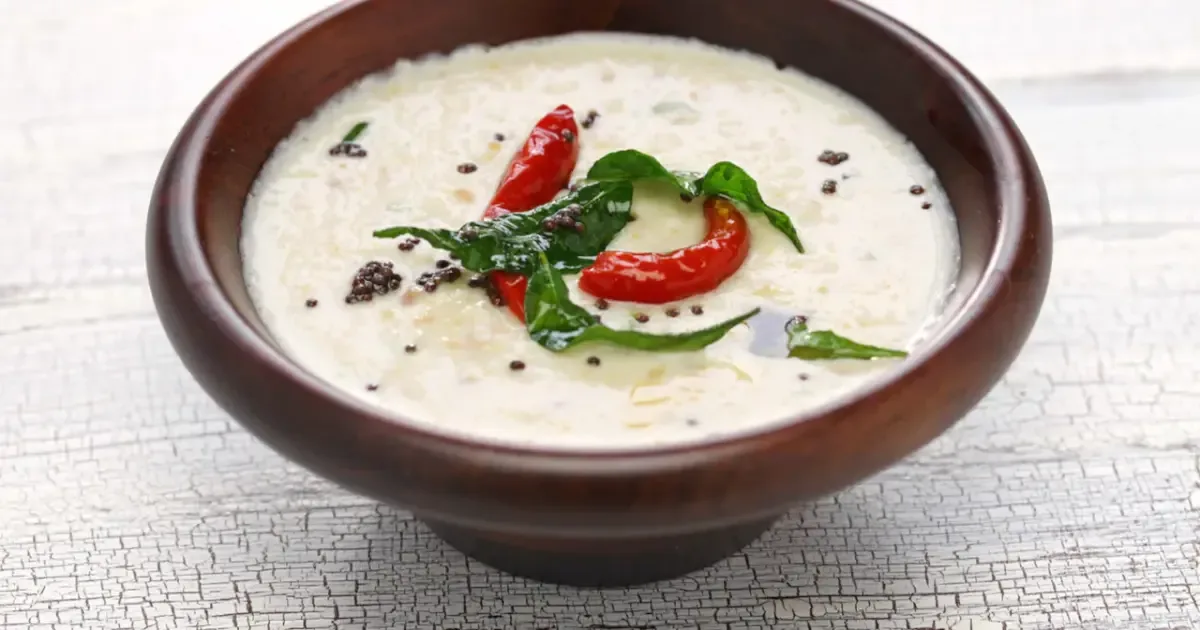
A tadka is a common finish for many Indian dishes. Heat a little oil in a small pan. Add mustard seeds, cumin seeds, a few curry leaves, and a dried red chili. Let them splutter. Pour this hot oil over the chutney and stir. The tempering adds a burst of fresh, aromatic flavor that can overpower bitterness. It also adds texture and visual appeal.
How to Prevent Bitterness in Future Batches
The best fix is prevention. Once you know the causes, you can avoid them. Here are some simple habits to follow.
Use Fresh Coconut
Always use fresh coconut for chutney. If you buy whole coconuts, crack them open just before you make the chutney. If you buy pre-cut pieces, choose ones that look moist and white. Smell them before using. If you must use frozen coconut, thaw it completely and pat it dry before grinding. Frozen coconut can sometimes develop a slightly off taste if stored too long.
Blend Carefully
Do not over-blend. Grind the coconut in short bursts. Stop the blender every 30 seconds to let it cool down. If you are using a high-speed blender, use the pulse function. Add enough water to help the blender work easily, but not so much that the chutney becomes watery. A good rule is to use about half a cup of water for every cup of grated coconut.
Remove the Brown Skin
When you grate fresh coconut, peel off the brown outer layer completely. Only the white flesh should go into the chutney. The brown skin is tough and bitter. It does not blend well and leaves a bad taste.
Roast Ingredients Gently
If your recipe calls for roasting dal or chilies, do it on low heat. Keep stirring constantly. Remove them from the pan as soon as they change color and become fragrant. Do not let them turn dark brown or black. Burnt ingredients cannot be fixed.
Use the Right Amount of Sour Agent
When adding tamarind, lemon juice, or yogurt, start with a small amount. For a medium bowl of chutney (about one cup), use half a teaspoon of tamarind paste or one teaspoon of lemon juice. Taste before adding more. You can always add more, but you cannot take it out.
Make Chutney in Small Batches
Coconut chutney is best eaten fresh. Make only as much as you need for one meal. If you have leftovers, store them in an airtight container in the fridge for no more than one day. The flavor will degrade quickly. It is better to make a fresh batch the next day.
Expert Tips for Perfect Chutney Every Time
Professional South Indian home cooks and chefs have some time-tested tricks for making perfect chutney. Here are a few.
Soak the Coconut in Cold Water
Before grinding, soak the grated coconut in cold water for about 10 minutes. This softens the flesh and makes it easier to blend. It also helps keep the temperature low during grinding. Drain the water before adding the coconut to the blender. This simple step can prevent overheating and bitterness.
Use a Stone Grinder
If you have a traditional stone grinder or a wet grinder, use it for chutney. These tools grind slowly and do not heat up the ingredients. The result is a smoother, more flavorful chutney with no bitterness. Electric blenders are convenient, but stone grinders give a superior texture and taste.
Add Curry Leaves Last
Curry leaves add a distinct aroma to coconut chutney. But if you blend them for too long, they can release a bitter taste. Add the curry leaves at the very end of the blending process. Pulse the blender just a few times to incorporate them. Do not grind them into a fine paste.
Use Fresh Ginger
A small piece of fresh ginger adds a warm, slightly spicy note that can mask any hint of bitterness. It also adds freshness. Add a one-inch piece of peeled ginger to the blender along with the coconut. Ginger pairs very well with coconut and enhances the overall flavor.
Season at the End
Do not add salt or sugar during the blending process. Add them after the chutney is ground. This allows you to taste and adjust the seasoning. If you add salt early, it can affect the texture and make the chutney watery. Seasoning at the end gives you more control.
Let the Chutney Rest
After grinding, let the chutney sit for 5 to 10 minutes before serving. This allows the flavors to meld together. Sometimes, a slight bitterness that you notice right after blending will mellow out after a short rest. If it is still bitter after resting, then use one of the quick fixes mentioned earlier.
Frequently Asked Questions
Can I use desiccated coconut for chutney?
Yes, but it is not ideal. Desiccated coconut is dried and has a more concentrated flavor. It can also be less moist, which may require more water during blending. If you use desiccated coconut, rehydrate it in warm water for 15 minutes before grinding. Squeeze out the excess water. The flavor will be different from fresh coconut, and it may be slightly more prone to bitterness if over-blended.
Does the type of coconut matter? (Young vs. mature)
Yes. Young coconut has a very mild, sweet, and watery flesh. It makes a lighter chutney. Mature coconut has a richer, creamier texture and a stronger coconut flavor. For traditional South Indian chutney, mature coconut is preferred. But both can work. Just adjust the water and other ingredients accordingly. Young coconut may need less water.
Can I fix bitter chutney by adding more chili?
Adding more chili will not fix bitterness. It will only make the chutney spicier. The bitterness will still be there, just masked by heat. It is better to use sweetness, dairy, or acidity to balance the bitterness. Spice alone does not neutralize bitter flavors.
How long can I store coconut chutney?
Fresh coconut chutney is best eaten within a few hours of making it. If you store it in the fridge, it should be consumed within 24 hours. Beyond that, the flavor and texture can degrade, and it may develop a bitter taste or become rancid. For the best taste and safety, always make small batches and consume them fresh.
Frequently Asked Questions
Can I use desiccated coconut for chutney?
Yes, but it's not ideal. Desiccated coconut is dried and has a more concentrated flavor. Rehydrate it in warm water for 15 minutes before grinding and squeeze out excess water. The flavor will differ from fresh coconut and it might be more prone to bitterness if over-blended.
Does the type of coconut matter (young vs. mature)?
Yes. Young coconut has a mild, watery flesh for a lighter chutney, while mature coconut has richer, creamier flesh for a stronger flavor. Mature coconut is preferred for traditional South Indian chutney, but both can work with adjustments to other ingredients and water content.
Can I fix bitter chutney by adding more chili?
Adding more chili will only make the chutney spicier, not fix the bitterness. The bitter taste will still be present, just masked by the heat. It's more effective to use sweetness, dairy, or acidity to balance bitterness.
How long can I store coconut chutney?
Fresh coconut chutney is best consumed within a few hours. If refrigerated, it should be used within 24 hours. Beyond that, the flavor and texture can degrade, potentially leading to bitterness or rancidity. Making small batches is recommended.
What is the best way to prevent bitterness in coconut chutney?
Always use the freshest coconut available, ensure it's free from yellow or brown spots, and smell it before use. Avoid over-blending by using short bursts and letting the blender cool. Also, remove the brown skin from the coconut flesh before grinding.
Can over-blending cause bitterness?
Yes, over-blending can cause bitterness. The friction from prolonged blending can heat up the coconut's natural oils, leading to a bitter taste, similar to how burnt oil tastes unpleasant.
References
- Why Coconut Chutney Turns Bitter And Simple Ways To Fix It – Original report (NDTV Health)
- Indian Aisle in Canada' Brought India's Premium Craft To International Retail Spaces – NDTV Food – This article is about Indian grocery retail expansion in Canada and is unrelated to coconut chutney bitterness.
- The 8 Best Pizza Places To Order From In Delhi-NCR Right Now – NDTV Food – This article lists pizza places in Delhi-NCR and is unrelated to coconut chutney.
- What Is 'Girl Dinner' And Why Is It Trending? All You Need To Know – NDTV Food – This article explains the 'Girl Dinner' trend and is unrelated to coconut chutney.
- This City Ordered Over A Million Plates Of Biryani During Ramadan 2024, Swiggy Report Reveals – NDTV Food – This article reports biryani orders during Ramadan and is unrelated to coconut chutney.
- Watch: How To Make Murmura Poha For Quick And Easy Breakfast During Winters – NDTV Food – This article provides a recipe for murmura poha and is unrelated to coconut chutney.