At a Glance
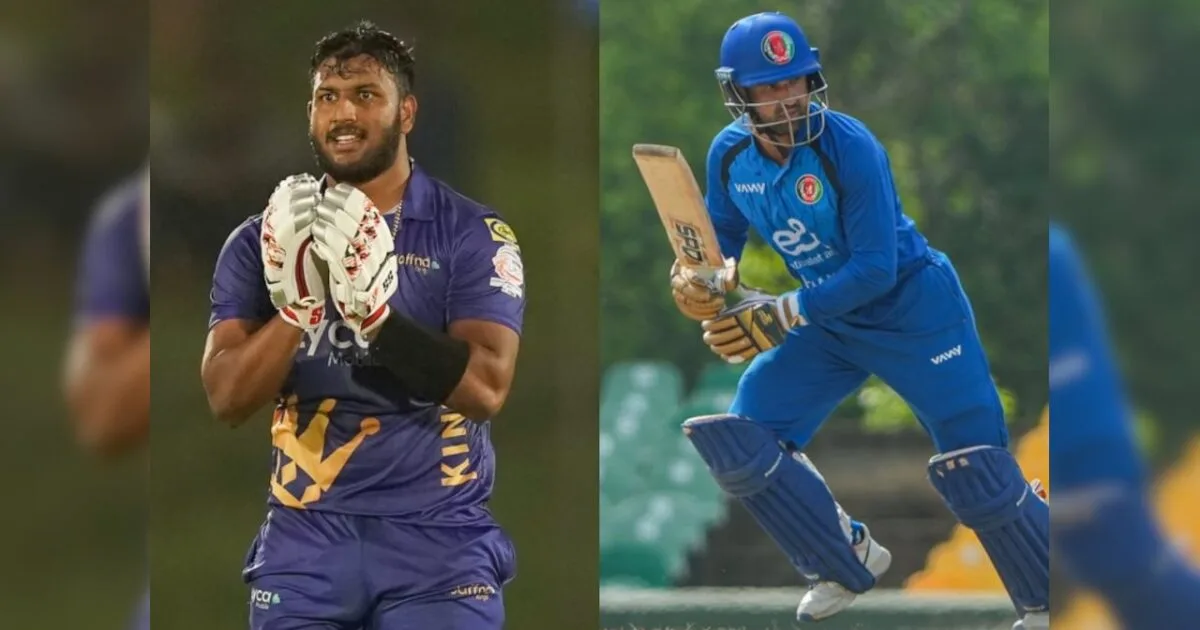
In a crucial Tri-Nation Series match, Sri Lanka A openers Niroshan Dickwella and Avishka Fernando provided a blistering start against Afghanistan A. Meanwhile, Afghanistan A’s Vaibhav Sooryavanshi was dismissed for 21, continuing a frustrating pattern of not converting promising starts into big scores. The outcome of this game significantly impacts the playoff chances for both teams.
Key Takeaways
The main points at a glance
- Niroshan Dickwella and Avishka Fernando gave Sri Lanka A a strong, aggressive start in a must-win match.
- Vaibhav Sooryavanshi of Afghanistan A was out for 21, highlighting a recurring issue of failing to convert good starts into significant scores.
- The match is the final round-robin fixture of the Tri-Nation Series, with the winner likely advancing to the final.
- Dickwella’s performance is seen as a potential revival of his form, aiming for a recall to the senior Sri Lanka team.
- Sooryavanshi’s pattern of dismissals is a concern for Afghanistan A, who need their top-order batsmen to post larger totals.
- The result of this game has significant implications for the series standings and playoff qualification.
The scene at Rangiri Dambulla International Stadium told two very different stories on Monday during the Afghanistan A vs Sri Lanka A match.
At one end, Niroshan Dickwella and Avishka Fernando were racing away. They were hitting boundaries, running hard between wickets, and giving Sri Lanka A the kind of start that teams dream about in a must-win match.
At the other end, Afghanistan A’s dugout was quiet. Vaibhav Sooryavanshi had just walked back to the pavilion after scoring 21 runs. It was a decent start, but nothing more, and that has become a frustrating pattern for the young batsman.
This match is the final round-robin fixture of the Tri-Nation Series, and it matters a lot for both teams. The winner will likely book a spot in the final, while the loser might have to wait and hope other results go their way.
So when Dickwella and Fernando came out swinging, they sent a clear message: Sri Lanka A were not here to play safe; they wanted to dominate from ball one.
The Explosive Start Sri Lanka A Needed
Dickwella and Fernando are not strangers to big stages, having both played for the senior Sri Lanka team. Dickwella has been a regular in the national side across formats, while Fernando has shown flashes of brilliance but struggled for consistency.
On this day, however, they looked like a pair who had been batting together for years. Their timing was perfect, their running between wickets was sharp, and they punished any loose deliveries.
The Rangiri Dambulla pitch is known for being good for batting – flat with a fast outfield and not-too-large boundaries. But that does not mean runs come easy; you still need to pick the right balls to attack and build partnerships.
Dickwella and Fernando did just that. They did not just survive the first few overs; they attacked, putting pressure back on the Afghanistan A bowlers.
For Sri Lanka A, this was exactly what they needed. In a tournament where every run matters, a flying start can set the tone for the entire innings, giving the middle order the freedom to play their natural game and taking pressure off the bowlers.
And for Dickwella personally, this innings meant more than just runs on the board.
Afghanistan’s Early Jolt: Sooryavanshi Falls for 21 Again
While Sri Lanka A’s openers were celebrating, Afghanistan A were dealing with disappointment.
Vaibhav Sooryavanshi is a talented young batsman with the technique, temperament, and hunger to succeed. However, he has a recurring problem: he keeps getting starts and then getting out.
His dismissal for 21 against Sri Lanka A is the latest example. He looked solid at the crease, played some nice shots, and seemed to be settling in, only to be gone just when it looked like he would go on to a big score.
This is not a new issue. According to reports, Sooryavanshi has a habit of getting into the 20s and 30s but not converting those starts into match-winning innings. It appears to be a mental block as much as a technical one.
Coaches often talk about the importance of the 20s and 30s as they build a foundation. But if you keep getting out at that stage, you never get to build anything big, leaving your team in a tricky spot.
For Afghanistan A, Sooryavanshi’s early dismissal was a jolt. They had hoped he would anchor the innings, but instead, they were left to rebuild.
The contrast between the two dugouts could not have been starker: Sri Lanka A’s openers were flying, while Afghanistan A were already in recovery mode.
Match Context: Why This Fixture Matters in the Tri-Nation Series
This is not just another A-team match. The Tri-Nation Series brings together second-string sides, and these tournaments are important for player development, giving fringe players a chance to prove themselves against quality opposition.
But for the players, these matches feel like much more than development exercises. A strong performance here can open the door to the senior team, while a weak one can set you back months.
The series has a clear structure: each team plays the others in round-robin matches, and the top two teams meet in the final. So, every fixture carries weight, and every win or loss changes the standings.
For Sri Lanka A, this match was a chance to seal their place in the final. A win would put them in a strong position, while a loss would leave them relying on other results.
For Afghanistan A, the stakes were just as high. They needed a win to keep their hopes alive. Sooryavanshi’s early dismissal made that task harder, but not impossible.
The Dambulla pitch is a batting-friendly surface, but it also offers something for bowlers who are accurate and patient. The key is to build pressure; if you bowl tight lines and lengths, you can create chances.
Afghanistan A’s bowlers would have been hoping to do that, but with Dickwella and Fernando on the attack, they were on the back foot from the start.
Dickwella’s Form Revival and Fernando’s Promise
Niroshan Dickwella has been around for a while, making his international debut in 2014 and playing over 50 ODIs and more than 40 T20Is. He is known for his aggressive batting and sharp wicketkeeping.
However, recent years have not been kind to him; he lost his place in the senior team and struggled with form and confidence. Like many players, he was sent back to the A-team setup to find his rhythm again.
That is what makes his performance in this Tri-Nation Series so important. A strong showing here could be the first step toward a recall to the national side.
Dickwella knows what it takes to succeed at the top level, having done it before. But cricket is a game of cycles, and the best players find a way to bounce back.
Against Afghanistan A, Dickwella looked like a man on a mission, playing not just for himself but to prove a point and remind selectors of his capabilities.
His partnership with Fernando was a masterclass in opening batting. They ran hard, rotated the strike, and punished anything loose – the kind of innings that can change a player’s season.
For Sri Lanka A, having a player of Dickwella’s experience in the top order is a huge advantage. He brings calmness and authority, knowing when to attack and when to consolidate, and young players can learn from watching him.
If Dickwella continues this form, it will not be long before the senior selectors come calling again.
Sooryavanshi’s Pattern of Missed Chances
If Dickwella’s story is about revival, Sooryavanshi’s story is about potential that has not yet been fulfilled.
Sooryavanshi is a young batsman with a lot of talent, a solid technique, and a good cricket brain. But he has developed a worrying habit: he gets himself in, scores a few runs, and then gets out.
The dismissal for 21 against Sri Lanka A followed that script. He looked comfortable at the crease, played some nice drives, and seemed to be building something, only to be walking back in a flash.
This pattern has been noted by coaches and analysts, who suggest it is a mental issue as much as a technical one. When you get into the 20s, the pressure changes, you might think about the next milestone, play an unnecessary shot, or lose concentration.
For Afghanistan A, this is a concern. They need their top-order batsmen to score big and convert starts into centuries. Sooryavanshi has the ability to do that but has not yet learned to manage his innings from start to finish.
The good news is that this is a fixable problem. Many young batsmen go through this phase. The key is to keep working on the mental side of the game, having a clear plan for each innings, and practicing converting starts into big scores in training.
Sooryavanshi has time on his side, being still young, and he can learn from this experience. However, he needs to make progress soon, as opportunities in professional cricket do not last forever.
His teammates will be hoping he breaks this pattern soon, because when Sooryavanshi does convert, he has the talent to win matches on his own.
Playoff Implications for the Tri-Nation Series
The result of this match will have a big impact on the Tri-Nation Series standings.
If Sri Lanka A win, they will be in a strong position to reach the final. Their net run rate could also get a boost from a big win, which might matter if there is a tie at the top of the table.
If Afghanistan A manage to fight back and win, they will keep their hopes alive. They would then need to win their remaining matches and hope other results go their way.
The final of the series is a one-off match to be played at the same venue, Rangiri Dambulla. The team that reaches the final will need to be at their best, as the pressure will be high.
For now, all eyes are on the middle overs of this match. Sri Lanka A have the momentum, but Afghanistan A have the bowling attack to fight back. It will come down to which team handles the pressure better.
Dickwella and Fernando have done their job by giving Sri Lanka A a flying start. Now the middle order needs to build on that foundation.
For Afghanistan A, the focus will be on limiting the damage, taking wickets, and keeping the run rate in check. If they can do that, they still have a chance.
And for Sooryavanshi, the lesson is clear: cricket is a game of small margins, and a start is not enough; you have to make it count. The next time he walks out to bat, he will be determined to go bigger.
That is the beauty of this format – there is always another match, another chance to prove yourself. The players who learn from their mistakes are the ones who go on to have long careers.
For now, the story of this Afghanistan A vs Sri Lanka A match is one of contrasts: Sri Lanka A are flying, while Afghanistan A are stuttering. But in cricket, things can change quickly; one wicket can shift the momentum, and one partnership can turn the game around.
The fans at Dambulla are in for an exciting finish.
Frequently Asked Questions
What was the significance of the Afghanistan A vs Sri Lanka A match?
This match was the final round-robin fixture of the Tri-Nation Series. The winner was likely to secure a spot in the final, making it a crucial game for both teams' playoff hopes.
Who had a strong start for Sri Lanka A in the match?
Openers Niroshan Dickwella and Avishka Fernando provided Sri Lanka A with a very aggressive and fast start. They hit boundaries and ran hard between wickets, setting a positive tone for their team.
What issue did Vaibhav Sooryavanshi face in the match?
Vaibhav Sooryavanshi of Afghanistan A was dismissed for 21 runs. This continued a frustrating pattern where he gets into a good position but fails to convert his starts into larger, match-winning scores.
Why is Vaibhav Sooryavanshi's pattern of dismissals a concern?
Afghanistan A needs their top-order batsmen to score big and anchor the innings. Sooryavanshi's inability to convert starts into big scores puts pressure on the rest of the batting lineup and hinders the team's ability to post competitive totals.
What does Niroshan Dickwella's performance signify?
Dickwella's strong performance is seen as a potential revival of his form. After struggling and losing his place in the senior team, a good showing in the A-team series could lead to a recall to the national side.
What are the playoff implications of this match?
A win for Sri Lanka A would put them in a strong position to reach the final. A win for Afghanistan A would keep their hopes alive, but they would then need to win their remaining games and rely on other results.
What is the nature of the pitch at Rangiri Dambulla International Stadium?
The pitch at Rangiri Dambulla is generally considered good for batting. It is flat, with a fast outfield and not excessively large boundaries, though accurate and patient bowling can still yield results.
References
- Afghanistan A vs Sri Lanka A Live Score Updates Tri-Nation Series: Niroshan Dickwella, Avishka Fernando Off To Flying Start – Original report (NDTV Sports)
- Another start, another miss: Vaibhav Sooryavanshi falls for 21 against Sri Lanka A – MSN – Highlights the recurring pattern of Afghanistan A batsman Vaibhav Sooryavanshi getting out after a decent start (21 runs).