
At a Glance
India began their ODI chase against Afghanistan at 5/0 without a ball bowled due to a rare ICC over-rate penalty. Afghanistan, penalized for bowling too slowly and committing a repeat offense in the series, had five runs deducted from their score before India’s innings started. This rule aims to ensure games proceed at a reasonable pace and penalizes teams for deliberate delays.
Key Takeaways
The main points at a glance
- India was awarded a 5/0 lead before their innings began in the third ODI against Afghanistan due to a slow over-rate penalty.
- The penalty was applied because Afghanistan committed a repeat offense of bowling too slowly within the same ODI series.
- The ICC over-rate penalty rule in ODIs awards five runs to the batting team if the fielding side is repeat offenders.
- This rule is designed to penalize teams for wasting time and ensure matches conclude within the allotted timeframe.
- Such penalties are extremely rare in ODIs, making the 5/0 start a highly unusual and notable event.
- Captains are held responsible for their team’s over-rate, and Hashmatullah Shahidi was accountable for Afghanistan’s repeated offense.
What Happened at Chepauk?
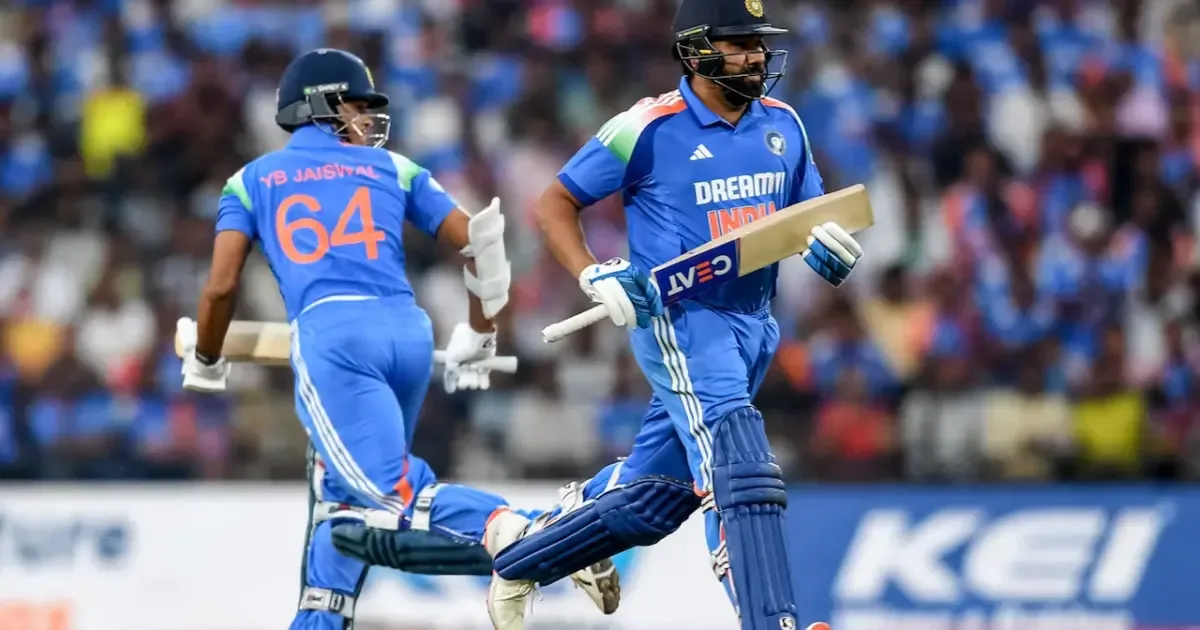
India walked out to bat in the third ODI against Afghanistan at Chennai’s Chepauk stadium. The umpires signaled play, but the scoreboard surprisingly showed India at 5 for 0 before a single ball was bowled. This unusual start was due to a little-known ICC rule: a penalty for slow over-rates.
Afghanistan triggered this penalty, marking a rare instance of the ICC over-rate penalty rule ODI in action. The incident occurred during the third and final ODI of the series. India began their chase with a five-run advantage, starting their innings at 5 for 0 without losing any wickets.
The confusion among fans was widespread, with many questioning the umpires and the validity of the situation. The reason was straightforward: Afghanistan was penalized for bowling their overs too slowly, and it was a repeat offense, leading to a more severe penalty.
Understanding the ICC Over-Rate Penalty Rule in ODIs
The over-rate refers to the speed at which the fielding team bowls its overs. In One Day Internationals (ODIs), teams are expected to bowl 50 overs within approximately 3.5 hours, averaging 14 to 15 overs per hour.
The International Cricket Council (ICC) enforces rules to prevent time-wasting. Teams that bowl too slowly face penalties, the severity of which depends on how many overs they are behind and whether it’s a first or repeat offense.
The specific rule applied here states that for a repeat over-rate offense in ODIs, the batting team is awarded a five-run penalty. This means their innings begins at 5 for 0, with the runs added before the chase commences. This rule aims to penalize teams for deliberate delays and ensure games proceed at a reasonable pace for spectators.
While not a new rule, it is rarely invoked. Most teams manage their over-rate effectively, making such penalties highly unusual and newsworthy when they occur.
Why Afghanistan Faced the Over-Rate Penalty
Afghanistan was penalized because their bowling pace fell significantly below the required rate during the match. The ICC match referee monitors the over-rate, issuing warnings for falling behind. Continued slowness results in penalties.
Having already received a warning earlier in the series, Afghanistan’s offense in the third ODI was considered a repeat offense. According to ICC rules, a repeat offense in the same series automatically triggers the five-run penalty for the batting team.
Reports indicated that Afghanistan’s over-rate was substantially behind schedule due to excessive time taken between overs and prolonged discussions on the field, despite umpire warnings. The match referee calculated the deficit, and upon confirming the repeat offense, the penalty was applied, giving India a 5-0 advantage.
The decision was strictly based on the rules, leaving no room for appeal, although it did cause some on-field discussion, notably with Afghanistan captain Hashmatullah Shahidi.
Captain Hashmatullah Shahidi’s Role in the Repeat Offense
As captain, Hashmatullah Shahidi bears responsibility for his team’s over-rate. The ICC holds captains accountable for slow over-rate penalties.
This was not the first instance of slow over-rate by Shahidi’s team. A previous warning in the series counted as the first offense. Repeating the slow over-rate in the third ODI constituted a repeat offense, triggering the automatic five-run penalty.
The ICC’s ODI playing conditions mandate a five-run penalty for a second over-rate offense within the same series, awarded to the batting side at the innings’ start. This repeat offense by Shahidi reportedly caused significant on-field drama, with players from both sides engaging with umpires and the crowd observing the unusual situation.
This incident underscores the critical importance of over-rate management. Captains must be mindful of game time and maintain a steady pace to avoid penalties that can impact match outcomes.
Rarity of the 5/0 Start in ODIs
Over-rate penalties leading to a 5/0 start in ODIs are exceptionally rare. This instance was one of the few in recent memory where such a penalty significantly altered the game’s beginning.
Several factors contribute to this rarity. Most teams are diligent about their over-rate, aware of the rules and aiming for a consistent pace. Warnings are typically issued before penalties are applied, and teams often adjust their speed after a warning to avoid further sanctions.
While penalties have occurred in Test matches (leading to points deductions or fines) and T20s (often a five-run penalty), the specific ODI scenario of starting an innings at 5/0 due to a slow over-rate is particularly uncommon. Cricket followers and media noted this as a highly unusual event, with reports highlighting its occurrence at Chepauk.
Compared to other rare cricket occurrences like extremely low team totals or triple centuries, a 5/0 start without a ball bowled is a spectacle most fans have never witnessed.
Impact of the Penalty on the Match and Series
The five-run penalty provided India with a slight but valuable advantage, reducing the runs needed to win before the first ball was bowled.
In a closely contested match, such a lead can be decisive. Even in a less competitive game, it offers a psychological boost to the batting team. For Afghanistan, conceding five runs before the chase began was a setback, potentially affecting their morale after setting a target.
The incident also emphasized the necessity for teams to improve their over-rate management, aligning with the ICC’s increasing strictness on timely match completion and fan experience. Captains failing to adhere to these rules risk penalties.
While the penalty did not alter the series’ ultimate outcome, it became a significant talking point, reminding everyone of the diverse and sometimes rarely seen rules within cricket. India ultimately chased the target and won the match, but the 5/0 start remains a memorable and unusual moment in ODI history.
This event serves as a reminder that the ICC’s over-rate rules are in place to ensure the game progresses efficiently, and unexpected situations can still arise in the sport.
Frequently Asked Questions
Why did India start at 5/0 against Afghanistan without a ball being bowled?
India started at 5/0 because Afghanistan was penalized for a slow over-rate. This is an ICC rule where the batting team is awarded five runs if the fielding team commits a repeat offense of bowling too slowly in an ODI series.
What is an over-rate penalty in cricket?
An over-rate penalty is imposed by the ICC on teams that fail to bowl their overs within the stipulated time. Penalties can include fines, points deductions in tournaments, or, as seen in this case, runs awarded to the opposition.
Is the 5/0 start rule common in ODIs?
No, the 5/0 start due to an over-rate penalty is extremely rare in ODIs. Most teams manage their over-rate effectively, and penalties are usually only applied after repeated warnings or offenses.
Who is responsible for the team's over-rate?
The captain of the fielding team is primarily responsible for ensuring their team maintains the required over-rate. In this instance, Afghanistan's captain, Hashmatullah Shahidi, was accountable for the repeat offense.
What happens if a team commits a first offense for slow over-rate?
For a first offense of a slow over-rate in ODIs, teams are typically fined. The five-run penalty is usually reserved for repeat offenses within the same series or tournament.
How does the ICC monitor over-rates?
The ICC match referee monitors the over-rate throughout the match. They track the time taken for each over and the overall progress against the required rate, issuing warnings or applying penalties as necessary.
References
- Why Did India Start Innings At 5/0 In Chase Against Afghanistan In 3rd ODI – ICC Rule Explained – Original report (NDTV Sports)
- Why Did India Start Innings At 5/0 In Chase Against Afghanistan In 3rd ODI – ICC Rule Explained – NDTV Sports – Duplicate of the original RSS item; confirms the rule explanation.
- Why India Started Their Chase Against Afghanistan With 5/0 In 3rd ODI At Chepauk? – News18 – Adds context that the incident occurred at Chepauk and highlights the rarity of the event.
- India began chase in 3rd ODI at 5/0 after Hashmatullah Shahidi's repeat offence sparked drama | Cricket – Hindustan Times – Reveals that Hashmatullah Shahidi's repeat offence caused the penalty and adds 'drama' to the narrative.
- Draft Income-Tax Rules 2026: All About Transactions With Mandatory PAN Quoting – NDTV – NDTV
- Rs 20 Lakh Daily To Ruin: Indian Founder's Viral Tale Of How Amazon Destroyed His Business – NDTV – NDTV