At a Glance
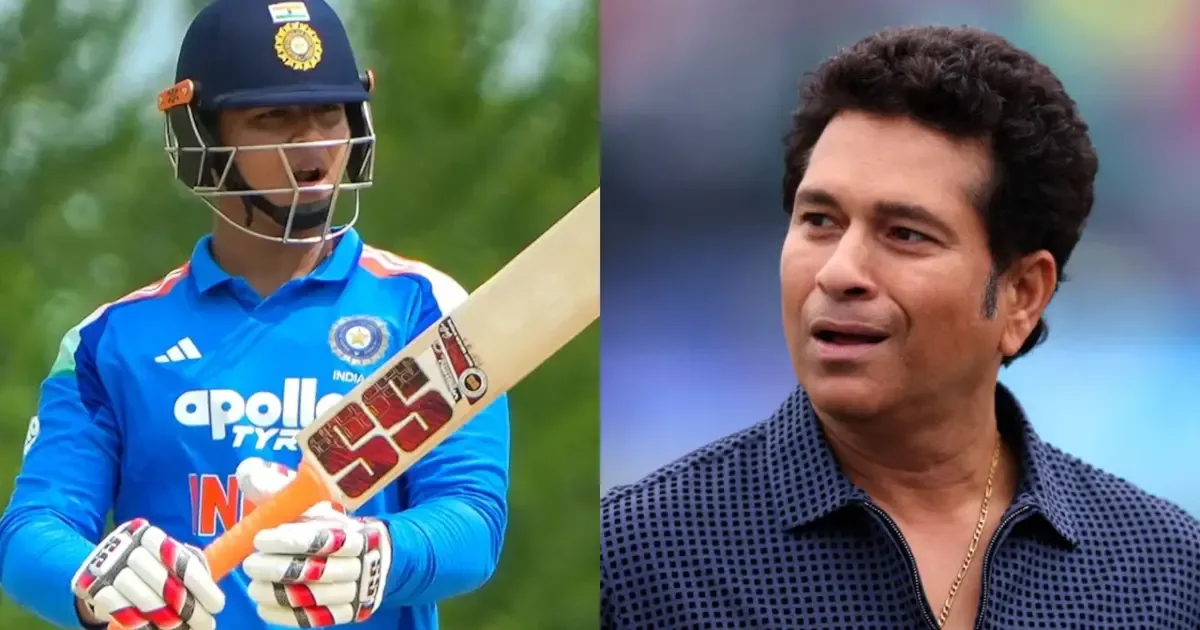
1983 World Cup winner Kris Srikkanth has urged fans to stop comparing young cricketer Vaibhav Sooryavanshi to Sachin Tendulkar. Instead, Srikkanth has called Vaibhav the ‘Son of God,’ aiming to protect the young player from the immense pressure associated with Tendulkar comparisons and allow him to develop his own identity.
Key Takeaways
The main points at a glance
- Kris Srikkanth, a 1983 World Cup winner, has advised against comparing young batsman Vaibhav Sooryavanshi to Sachin Tendulkar.
- Srikkanth has uniquely dubbed Vaibhav Sooryavanshi the ‘Son of God’ to set him apart and reduce the pressure of being labeled the ‘next Tendulkar.’
- Comparisons to Sachin Tendulkar, while initially flattering, often place immense and potentially career-damaging pressure on young cricketers.
- Srikkanth’s intervention reflects his history of mentoring and protecting young talent, aiming to foster individual growth without historical benchmarks.
- The ‘Son of God’ remark has sparked debate, with some praising Srikkanth’s intent and others questioning the suitability of any high-profile label for a developing player.
- Ultimately, Vaibhav Sooryavanshi’s career progression will depend on his performance, resilience, and ability to manage expectations, regardless of the nicknames used.
Kris Srikkanth, the celebrated 1983 World Cup winner, has a clear message for cricket enthusiasts: stop comparing young Vaibhav Sooryavanshi to the legendary Sachin Tendulkar. Instead, Srikkanth has bestowed upon the rising star the unique moniker ‘Son of God’.
These are not words Srikkanth utters lightly. As a former captain and a pivotal figure in India’s maiden World Cup victory, his pronouncements carry significant weight. His insights are shaped by extensive experience facing elite bowlers and contributing to India’s cricketing heritage.
Vaibhav Sooryavanshi is a young batsman who has been making waves in junior cricket. The emergence of comparisons to Sachin Tendulkar, a player often referred to as the ‘God of Cricket,’ places immense pressure on any emerging talent. In a nation where cricket is akin to a religion, such comparisons can be overwhelming for a player still developing their game.
Srikkanth’s intervention aims to alleviate this pressure. By calling Vaibhav the ‘Son of God,’ he seeks to free the young cricketer from the shadow of Tendulkar’s legacy. This approach acknowledges the psychological impact such comparisons can have on a developing athlete.
The ‘Son of God’ Remark: Srikkanth’s Bold Statement
Reports indicate that Kris Srikkanth made this striking remark during a recent public interaction. While the exact verbatim quote may not be universally available, the core message is unambiguous: Vaibhav Sooryavanshi should not be compared to Sachin Tendulkar, as it is unfair to the young player. The specific context of the statement, including the event or platform, remains unclear, but the sentiment has been widely reported.
Srikkanth’s ‘Son of God’ phrase appears to be a distinctive way of elevating and protecting the young talent. It sets Vaibhav apart from the common ‘next Sachin’ narrative. Rather than placing him in direct comparison with a legend, Srikkanth has offered a divine label that serves as both praise and a form of protective framing. This is a rare approach in Indian cricket discussions, which often invoke comparisons to past greats like Sunil Gavaskar or Kapil Dev, but rarely with such a unique and elevated tone.
This is not the first instance of a senior cricketer attempting to shield a young player from undue pressure. However, the ‘Son of God’ declaration is particularly noteworthy for its boldness and memorability. It also highlights Srikkanth’s concern for the mental well-being of young cricketers, a critical aspect in today’s era of intense social media scrutiny and public expectation.
The remark also reflects Srikkanth’s personal philosophy of allowing players to forge their own paths. His comment is a deliberate effort to create a new narrative, one that emphasizes individual potential over historical benchmarks. This could influence how Vaibhav is perceived and covered by the media moving forward.
Why Sachin Tendulkar Comparisons Can Be Problematic
In Indian cricket, comparisons to Sachin Tendulkar are often a double-edged sword. While they can bring immediate attention, opportunities, and endorsements, they also impose immense pressure. Fans and media expect extraordinary performances, placing young players under a constant microscope.
The burden of being labeled the ‘next Sachin’ has proven too heavy for many. History is replete with examples of promising cricketers who faded under the weight of such expectations. Players like Vinod Kambli, who had a stellar start, or more recent talents like Prithvi Shaw, have faced intense scrutiny following early comparisons to Tendulkar.
Tendulkar himself consistently discouraged such comparisons, emphasizing the uniqueness of each player and understanding the burden they imposed. Srikkanth’s current stance echoes this sentiment. Tendulkar’s own career was a masterclass in handling pressure, and he has often cautioned against placing such expectations on young athletes. His autobiography details how comparisons can hinder natural development.
The relentless pressure associated with these comparisons can potentially derail a career. Young cricketers need space to develop, learn from mistakes, and grow without harsh judgment. Comparisons to one of the greatest batsmen ever do not afford this luxury. Every setback is amplified, and every success is measured against an almost unattainable standard, potentially leading to anxiety, loss of confidence, and burnout.
Srikkanth, with his extensive experience as a player and selector, understands these pitfalls. He has witnessed firsthand how external pressures can derail promising talent. His use of the ‘Son of God’ label is a strategic move to halt the Tendulkar comparisons and protect Vaibhav during a crucial formative stage of his career.
Who is Vaibhav Sooryavanshi? The Emerging Talent
Vaibhav Sooryavanshi is an Indian cricketer who has been impressing in various age-group tournaments. His performances have attracted the attention of selectors and former players alike. Reports suggest consistent scoring in junior national competitions, showcasing a solid technique and the ability to perform under pressure.
While detailed statistics and background information may not be widely public, his name has recently surfaced in cricket news circles. He is recognized as a batsman with a sound technique and a commendable temperament, according to coaches. His junior career has included notable centuries in high-stakes matches, drawing parallels with other young stars who emerged from similar pathways.
Like many aspiring cricketers in India, Vaibhav’s dream is to represent the national team. The Tendulkar comparisons, while flattering, also brought an added layer of scrutiny, with every innings being evaluated against the master’s standards.
Srikkanth’s remark could signify a shift in this narrative. By rebranding Vaibhav as the ‘Son of God,’ Srikkanth offers him a distinct identity, freeing him from the immense shadow of Tendulkar. This could allow Vaibhav to focus more intently on his personal development without the constant weight of historical expectations.
Vaibhav’s immediate focus should remain on his game. His journey will likely involve progressing through domestic cricket, potentially the Indian Premier League (IPL), and then aiming for the senior national team. His next steps will involve representing his state in age-group and senior tournaments, facing increasingly challenging bowlers and higher stakes. Srikkanth’s words provide encouragement, but sustained performance will be the ultimate determinant of his future success.
Kris Srikkanth’s Track Record of Nurturing Young Cricketers
Kris Srikkanth has a history of being protective of young cricketing talent. During his tenure as chairman of selectors for the Indian team from 2008 to 2011, he played a role in integrating many young players into the system. Notable talents he supported during this period include Virat Kohli and Rohit Sharma, who have since become cornerstones of Indian cricket.
Known for his candid communication style, Srikkanth does not shy away from directness. However, he also possesses a deep understanding of the pressures inherent in professional cricket. His own playing days, which predated the current era of high earnings and fame, required balancing cricket with other commitments, providing him with a grounded perspective on the modern game.
Srikkanth has frequently emphasized the importance of carefully nurturing talent. He has been critical of the media and fans for placing excessive pressure on young players. His recent comments regarding Vaibhav Sooryavanshi align with this consistent pattern of advocating for a more supportive environment for emerging cricketers.
While many former players share similar sentiments, Srikkanth’s approach is often more direct. He employs striking phrases to convey his points effectively. For instance, he has previously identified a young batsman as ‘the next big thing’ while simultaneously cautioning against over-hyping. His bluntness stems from a genuine desire to protect talent rather than to provoke controversy.
Srikkanth’s past actions lend significant weight to his current statements. When he urges an end to comparisons, his intention is serious. His intervention is a calculated move aimed at managing the public narrative surrounding Vaibhav, recognizing that the cricketing world can be unforgiving of perceived failures.
Reactions to Srikkanth’s ‘Son of God’ Remark
News of Srikkanth’s statement quickly generated widespread discussion on social media. Many fans expressed agreement, supporting the call to allow young players more breathing room. Hashtags related to ending Tendulkar comparisons briefly trended, reflecting a growing awareness of mental health issues in sports.
The ‘Son of God’ label itself elicited surprise and some amusement. Some observers questioned if the new moniker was excessive, while others noted the irony of replacing one significant comparison with another. This sparked debates about the appropriateness of any form of high-profile labeling for young athletes.
Cricket experts offered varied perspectives. While some commended Srikkanth for his protective stance, others voiced concerns that the new label might inadvertently create its own set of pressures. However, there was a general consensus that comparisons to Tendulkar are often unfair to developing players. Pundits like Aakash Chopra and Sanjay Manjrekar shared measured opinions, advocating for a focus on Vaibhav’s development rather than his nicknames.
The initial report by NDTV Sports garnered significant attention, highlighting the public’s interest in the pressures faced by young cricketers. The article was widely shared and discussed, underscoring the resonance of the issue surrounding the ‘next Tendulkar’ burden.
Overall, Srikkanth’s intent behind the remark has been largely viewed positively, with appreciation for a World Cup winner looking out for a young talent. The ongoing discussion centers on whether the ‘Son of God’ tag is ultimately beneficial or potentially detrimental, with some believing it could be motivating and others worrying about unrealistic expectations.
Beyond the initial report, the story has been picked up by various sports media outlets. While some related articles might be tangential, the remark itself has increased Vaibhav’s visibility. This attention, while potentially beneficial, also carries risks, but Srikkanth’s framing may help guide the conversation in a more constructive direction.
Implications for Vaibhav Sooryavanshi’s Future Career
Kris Srikkanth’s statement marks a potential turning point for Vaibhav Sooryavanshi, bringing him into a different kind of spotlight. While the Tendulkar comparisons are now officially discouraged, the ‘Son of God’ label introduces its own set of expectations. Vaibhav will likely face increased media scrutiny and higher expectations from coaches and selectors. His performances in upcoming domestic seasons will be closely observed.
The advantage for Vaibhav is the removal of the Tendulkar comparison, which should alleviate some pressure. However, the new divine tag carries its own psychological weight, requiring maturity to handle. The focus will now be on whether he can live up to this elevated expectation.
Vaibhav’s priority must be to remain grounded, continue working diligently, and avoid complacency. Srikkanth’s remark serves as a shield and a narrative reframing tool, not a guarantee of success. His development will ultimately depend on his training, discipline, and adaptability.
If Vaibhav handles this situation effectively, it could be highly beneficial. He has the opportunity to build his own unique identity, free from the burden of emulating a legend. This freedom, similar to what Virat Kohli experienced when encouraged to be himself rather than the ‘next Tendulkar,’ allows for the carving of a distinct legacy.
The path ahead is long, requiring him to prove himself at higher levels of the game. Consistent performances in domestic tournaments like the Ranji Trophy will be crucial for attracting the attention of IPL franchises and national selectors. Potential inclusion in the U-19 World Cup squad could also be a significant step.
The journey may then lead to the IPL and, ultimately, the national team. However, career trajectories are not guaranteed; injuries, loss of form, or an inability to cope with pressure can derail even the most promising talents. Srikkanth’s intervention offers timely support, but Vaibhav’s own resilience and determination will be the key factors in his long-term success.
Srikkanth has provided Vaibhav with a unique platform. Now, the responsibility lies with Vaibhav to script his own story. While the ‘Son of God’ remark will be remembered, his future will be written by his performance on the field. As he steps out for upcoming matches, each innings will be an opportunity to validate the faith placed in him, with the cricketing world watching his progress closely.
Frequently Asked Questions
Why did Kris Srikkanth call Vaibhav Sooryavanshi the 'Son of God'?
Kris Srikkanth used the term 'Son of God' as a unique way to praise young cricketer Vaibhav Sooryavanshi. The primary goal was to set him apart from the common comparisons to Sachin Tendulkar, thereby reducing the immense pressure often associated with such labels for emerging players.
What is the significance of Srikkanth's statement?
Srikkanth's statement is significant because he is a respected former captain and World Cup winner whose words carry weight. By discouraging Tendulkar comparisons, he aims to protect Vaibhav's mental well-being and allow him to develop his own cricketing identity without the burden of living up to a legend's legacy.
Why are comparisons to Sachin Tendulkar often problematic for young players?
Comparisons to Sachin Tendulkar, while bringing initial attention, place enormous pressure on young cricketers. Many have struggled to meet these high expectations, leading to anxiety, loss of form, and potential career derailment. Tendulkar himself often discouraged such comparisons.
Who is Vaibhav Sooryavanshi?
Vaibhav Sooryavanshi is a young Indian batsman who has been performing well in junior cricket tournaments. His consistent performances and solid technique have caught the attention of selectors and former players, leading to early comparisons with established stars.
Has Srikkanth mentored young players before?
Yes, Kris Srikkanth has a history of supporting and mentoring young cricketers. During his time as chairman of selectors, he played a role in bringing players like Virat Kohli and Rohit Sharma into the Indian team, demonstrating his commitment to nurturing new talent.
How have fans and experts reacted to the 'Son of God' remark?
Reactions have been mixed. Many appreciate Srikkanth's intention to protect Vaibhav from undue pressure. Some find the 'Son of God' label itself to be a significant expectation, while others see it as a creative way to offer praise and a fresh narrative for the young player.
References
- 1983 World Cup Winner Calls Vaibhav Sooryavanshi 'Son Of God', Ends Sachin Tendulkar Comparisons – Original report (NDTV Sports)
- 1983 World Cup Winner Calls Vaibhav Sooryavanshi 'Son Of God', Ends Sachin Tendulkar Comparisons – NDTV Sports – NDTV Sports
- Kapil Dev reacts sharply to Pataudi Trophy being renamed Anderson-Tendulkar: 'Felt strange. Does this also happen?' | Cricket – Hindustan Times – This article is unrelated; it covers Kapil Dev's reaction to renaming the Pataudi Trophy to Anderson-Tendulkar Trophy.