At a Glance
China is undertaking a major river project in Bangladesh, including dredging, building embankments, and creating reservoirs. This initiative aims to improve Bangladesh’s water security and flood control, potentially reducing its reliance on India for water-sharing agreements, especially concerning the Teesta River. The project has significant geopolitical implications, as it challenges India’s regional influence and reflects broader shifts in Bangladesh’s foreign policy and economic partnerships.
Key Takeaways
The main points at a glance
- China’s extensive river project in Bangladesh involves dredging, embankments, reservoirs, and monitoring systems to enhance water management.
- The project aims to bolster Bangladesh’s water security and flood control, offering an alternative to traditional water-sharing agreements with India, particularly regarding the Teesta River.
- India views China’s growing infrastructure influence in the region with concern, seeing it as a challenge to its traditional geopolitical standing.
- Shifting political dynamics within Bangladesh, including the opposition BNP’s leanings towards China, could influence the country’s foreign policy and its engagement with Beijing.
- Scholars in Bangladesh often view the partnership with China positively, citing economic development and infrastructure benefits, though concerns about debt and environmental impact persist.
- The project has significant regional implications, potentially altering the balance of power in water resource management and creating new dynamics between Bangladesh, India, and China.
Understanding China’s River Project in Bangladesh
China is initiating a significant river project in Bangladesh, involving extensive infrastructure development. This initiative includes dredging rivers, constructing embankments, building reservoirs, establishing irrigation systems, implementing erosion control measures, and setting up a hydrological monitoring system. These are substantial undertakings designed to alter water flow patterns across the region.
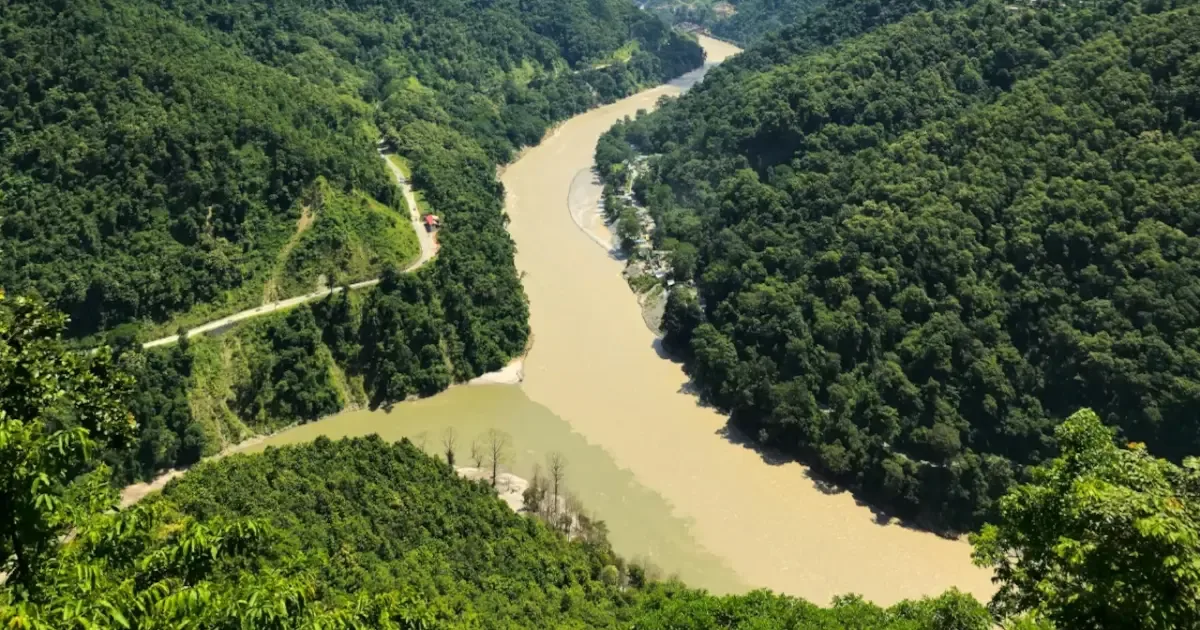
The scope of this project extends beyond the Teesta River, a waterway that has historically been a point of contention between India and Bangladesh. While specific details on all involved rivers are not fully disclosed, the Teesta is confirmed as only one component of a broader plan.
Key components of the project include:
- Dredging: Deepening riverbeds to improve water flow and mitigate flood risks.
- Embankments: Building raised walls along riverbanks to prevent overflow.
- Reservoirs: Creating storage areas for water to be used during drier periods.
- Irrigation Systems: Developing networks to deliver water to agricultural lands.
- Erosion Control: Implementing measures to prevent soil loss from river currents.
- Hydrological Monitoring: Installing systems to track river water levels and flow rates.
Collectively, these elements aim to enhance water management in Bangladesh, potentially boosting agricultural output, protecting communities from floods, and increasing the nation’s autonomy over its water resources. However, the project also raises questions about regional water governance and influence.
This initiative is part of China’s broader Belt and Road Initiative, which focuses on funding infrastructure development globally. Bangladesh is a key partner in this program, and the river project represents a significant investment in the country’s infrastructure.
While specific timelines and costs are not yet public, the scale of the project indicates a long-term commitment with the potential to shape Bangladesh’s development for decades.
China’s River Projects and Bangladesh’s Water Security
Water management is a critical issue for Bangladesh, a nation situated on the delta of major rivers originating in the Himalayas and flowing through India. Rivers like the Ganges, Brahmaputra, and Meghna are vital for agriculture and support millions of livelihoods.
Bangladesh faces challenges with water availability, experiencing scarcity during dry seasons and excess during monsoons, leading to floods and droughts.
Historically, Bangladesh has collaborated with India on water-sharing agreements, such as the 1996 Ganges Water Sharing Treaty. However, a similar agreement for the Teesta River has remained elusive due to political complexities, particularly the reluctance of India’s West Bengal state to share more water.
China’s involvement through its river projects offers Bangladesh an alternative avenue for water management, potentially reducing its reliance on India. By developing reservoirs and irrigation systems, Bangladesh could store water during the wet season for use in the dry season, thereby increasing its water security and flood control capabilities without needing to depend on upstream agreements.
However, these interventions carry risks. Altering natural river flows through dredging and embankments can impact downstream environments, potentially creating new tensions. Furthermore, if Bangladesh constructs dams or reservoirs that significantly hold back water, it could affect water availability in India, leading to reciprocal disputes.
Environmental concerns are also prominent. Modifications to river systems can disrupt delicate delta ecosystems and harm aquatic life. The long-term ecological consequences of large-scale infrastructure projects on dynamic river systems are a significant worry.
Additionally, the operation of a Chinese-built hydrological monitoring system raises strategic questions. If China manages this system, it would gain access to crucial data on regional water resources, potentially conferring a strategic advantage.
India’s Geopolitical Concerns Over China’s Infrastructure Projects
India views China’s expanding infrastructure footprint in South Asia with increasing apprehension. Historically, India has been the dominant regional power, but China’s investments in projects like roads, ports, and railways in neighboring countries are shifting this dynamic.
The Teesta River basin is particularly sensitive for India. The river’s importance to West Bengal, coupled with the state’s political stance on water sharing, has stalled a bilateral agreement with Bangladesh for years. China’s engagement in this same river system is seen by India as a direct challenge to its influence.
If China assists Bangladesh in managing its water resources, India’s traditional leverage as an upstream nation in water negotiations could diminish. Indian media outlets have often framed these developments as a competition for regional influence between India and China.
Some analysts suggest that India should avoid overreacting, noting that China’s projects are in early stages and Bangladesh pursues its own national interests. Bangladesh seeks to benefit from its relationships with both its large neighbors.
India possesses its own means to maintain influence, including offering water management assistance and leveraging its economic and diplomatic ties. However, the success of these efforts may depend on India’s willingness to meet Bangladesh’s specific needs, particularly concerning the unresolved Teesta water-sharing issue.
Bangladesh’s Political Landscape and Shifting Alliances
The political dynamics within Bangladesh are evolving, impacting its foreign relations. Prime Minister Sheikh Hasina’s government has maintained close ties with India, focusing on security and trade cooperation.
Conversely, Tarique Rahman, a prominent leader of the opposition Bangladesh Nationalist Party (BNP), advocates for a more balanced foreign policy. His stance suggests a move towards closer engagement with China, which contrasts with the current government’s pro-India orientation.
This potential shift towards China, particularly concerning infrastructure projects like the river initiative, could create friction with India. Rahman, though living in exile, holds significant influence within the BNP, which generally favors stronger ties with Beijing.
The river project aligns with the BNP’s inclination towards Chinese investment. A future government influenced by Rahman’s views might accelerate such projects, marking a significant change in Bangladesh’s foreign policy alignment.
For India, this represents a challenge to its established relationship with Bangladesh. Changes in Bangladeshi leadership could potentially weaken existing security and trade partnerships.
Beyond politics, economic considerations are paramount. Bangladesh requires substantial investment for development, and China offers significant financial and technical resources for infrastructure projects. While India also provides aid, China’s capacity for large-scale investment is often greater.
Bangladesh faces the delicate task of balancing its relationships with both India and China, seeking development benefits without alienating either major power.
Scholarly Perspectives on Bangladesh-China Relations
In Bangladesh, many scholars and analysts view the growing partnership with China optimistically. Reports suggest that over the next 50 years, China’s projects are expected to significantly contribute to Bangladesh’s economic development and infrastructure enhancement.
These experts often highlight China’s extensive experience and technological capabilities in executing large-scale infrastructure projects. They also note that China’s approach to development aid is perceived as less conditional compared to that of India, focusing more on business transactions rather than political demands.
This distinction is appealing to many in Bangladesh, who desire development without external political interference. China’s loans and grants are seen as facilitating growth with fewer strings attached.
However, concerns exist regarding the potential for increased debt burdens from Chinese loans and the environmental impact of large infrastructure projects. Critics worry about the long-term financial obligations and ecological consequences.
While the optimistic view emphasizes opportunities, the debate acknowledges potential risks. The prevailing sentiment in Dhaka appears to be one of cautious optimism, with Bangladesh seeking to leverage Chinese partnership for growth while carefully managing its relationship with India.
Regional Water Politics and Strategic Implications
Water resources in South Asia are intrinsically linked to power dynamics. Control over river flows, particularly in transboundary river systems, significantly influences regional politics.
India, as an upstream nation controlling the headwaters of major rivers like the Ganges, Brahmaputra, and Teesta, has historically held considerable influence over downstream Bangladesh.
China’s infrastructure investments in Bangladesh, including the river project, aim to enhance Bangladesh’s capacity for independent water management. While Bangladesh will still rely on upstream flows, these projects could provide it with greater autonomy and alternative water sources, thereby reducing its dependence on India.
This shift could diminish India’s traditional leverage in water-sharing negotiations. The potential for Bangladesh to store water in Chinese-assisted reservoirs during monsoons and utilize it during dry seasons offers a buffer against upstream control.
However, this development also introduces risks of new disputes. If Bangladesh’s water management actions, such as extensive dam construction, reduce downstream flow to India, it could trigger conflicts. The complexity of transboundary water management is amplified by the involvement of a third major power, China.
Environmental sustainability is another critical aspect. The delta’s fragile ecosystem is vulnerable to alterations in river flow. Large-scale dredging and embankment construction, if not managed with extreme care, could lead to long-term ecological damage.
Furthermore, the operation of hydrological monitoring systems by China raises concerns about data access and strategic implications for regional water resource understanding.
Frequently Asked Questions
What are the main components of China's river project in Bangladesh?
The project includes dredging rivers to improve flow, building embankments to prevent floods, constructing reservoirs for water storage, developing irrigation systems, implementing erosion control, and setting up hydrological monitoring systems.
How does China's river project affect the Teesta River dispute?
The project goes beyond the Teesta, but by offering Bangladesh alternative water management solutions through infrastructure like reservoirs, it could reduce Bangladesh's dependence on a resolution with India for Teesta water sharing.
What are India's main concerns regarding China's projects in Bangladesh?
India is concerned about China's growing influence in South Asia and sees these projects as a challenge to its traditional regional dominance, particularly its leverage in water-sharing negotiations with Bangladesh.
How might Bangladesh's political landscape influence these projects?
The opposition BNP, led by figures like Tarique Rahman, favors closer ties with China and more balanced foreign policy. If the BNP gains influence, it could lead to increased cooperation on Chinese infrastructure projects.
What are the potential economic benefits for Bangladesh?
China offers significant investment and technical expertise for large infrastructure projects, which can help boost Bangladesh's economic development, improve its agricultural sector through better water management, and enhance flood protection.
Are there any environmental or debt concerns associated with the project?
Yes, critics worry about the potential for increased national debt from Chinese loans and the long-term environmental impact of altering river systems, such as damage to delta ecosystems and aquatic life.
How does China's approach to development aid differ from India's?
China's aid is often perceived as more business-oriented with fewer political conditions compared to India's aid, which can sometimes come with demands for cooperation on security or trade.
References
- Beyond Teesta: How China's River Projects Could Shape Bangladesh For Decades – Original report (NDTV World)
- Beyond Teesta: How China's River Projects Could Shape Bangladesh For Decades – NDTV – This is the original RSS item that details the specific components of China’s river project in Bangladesh.
- India, China, and the Teesta Basin – India Narrative – This source provides an Indian perspective on the China-India rivalry over the Teesta basin.
- Bangladesh’s China Turn Under Tarique Rahman Tests India Ties – Frontline Magazine – This article explores how Bangladesh’s political shift under Tarique Rahman toward China is testing India’s diplomatic ties.
- Bharat, China, and the Teesta Basin – HinduPost – This source offers a Hindu-nationalist perspective on the China-India water disputes in the Teesta basin.
- Dhaka-Beijing Ties: Scholars See Greater Opportunities in Next 50 Years – RTV Bangladesh – This Bangladeshi source highlights scholarly optimism about the future of Bangladesh-China relations.