At a Glance
Pakistan’s ambitious plan to acquire eight Hangor-class submarines from China, initiated in 2015, is now severely hampered by significant delays. Factors such as the complexity of advanced submarine technology, potential economic constraints, and production capacity challenges are likely contributing to the setbacks. These delays impact Pakistan’s naval modernization efforts and regional security balance.
Key Takeaways
The main points at a glance
- Pakistan’s 2015 deal for eight advanced Hangor-class submarines from China is facing substantial delays.
- The complexity of integrating technologies like Air Independent Propulsion (AIP) may be a key challenge.
- Economic pressures in Pakistan could be affecting the program’s funding and timely payments.
- Delays weaken Pakistan’s naval capabilities relative to India’s growing fleet, impacting regional security.
- The program tests the strategic partnership between China and Pakistan, highlighting challenges in technology transfer and delivery.
- The future of the program is uncertain, with possibilities ranging from eventual delivery to scaling back or even collapse.
The 2015 Deal: A Grand Vision
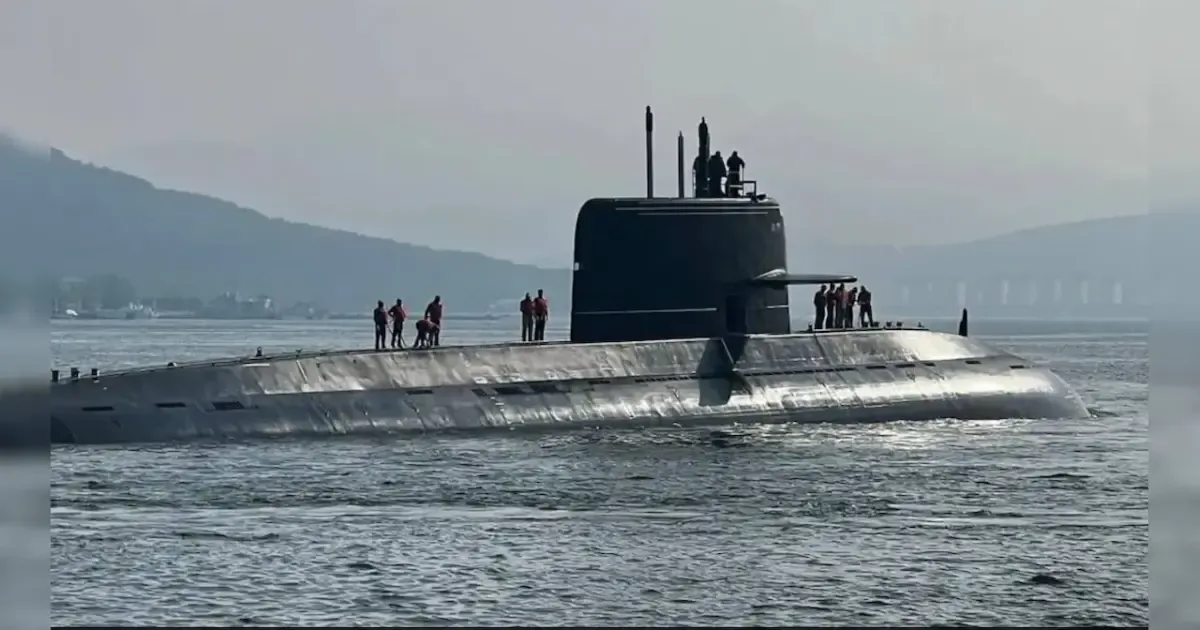
In April 2015, a significant deal was signed in Islamabad between China and Pakistan. This agreement involved the acquisition of eight new Hangor-class submarines, based on China’s advanced Type 039A Yuan-class design. These submarines were intended to be stealthy and powerful additions to Pakistan’s navy, significantly modernizing its aging underwater fleet.
The deal was more than just a purchase; it represented a strategic partnership. Some submarines were to be built in China, while others would be assembled at the Karachi Shipyard and Engineering Works. This arrangement promised technology transfer, aiming to bolster Pakistan’s domestic defense industry and enhance its naval capabilities to patrol the Arabian Sea and guard its coastline.
What Went Wrong: The Pakistan Submarine Program Delays Unfold
Despite the ambitious vision set in 2015, the Pakistan submarine program is now facing significant delays. Reports indicate that the submarines, which were expected to start arriving years ago, have not yet been delivered. The exact reasons for these delays are not officially stated, but several factors likely contribute to the setbacks.
Building submarines is an inherently complex undertaking. The Hangor-class, a diesel-electric submarine, incorporates advanced features like Air Independent Propulsion (AIP), which allows for extended underwater operation. Mastering and transferring this sophisticated technology may have proven more challenging than anticipated.
Economic factors could also be at play. Pakistan’s economy has faced challenges, including high inflation and reliance on international loans. The substantial cost of the submarine program might have become difficult to manage, potentially leading to payment delays or budget reallocations. Furthermore, the Karachi Shipyard may have required significant upgrades and worker training to handle the construction of such advanced vessels, adding to the overall timeline.
Why It Matters: Pakistan’s Naval Ambitions and Regional Security
The delays in the Pakistan submarine program have significant implications for the country’s naval ambitions and regional security. Pakistan’s navy operates in a strategically vital region, with major shipping lanes passing by its extensive coastline and the crucial Gwadar port. Its navy is primarily focused on defense, aiming to protect its maritime interests and deter potential adversaries.
Submarines are a critical component of Pakistan’s defense strategy due to their stealth and offensive capabilities. The Hangor-class submarines were intended to serve as a deterrent against India’s larger and more advanced naval fleet. With its existing submarines aging and increasingly difficult to maintain, the timely induction of new, capable vessels is crucial.
The delays risk widening the naval capabilities gap with India, which is actively modernizing its own fleet. This imbalance could affect the strategic dynamics in the Indian Ocean. Additionally, the program’s struggles can impact Pakistan’s image as a capable manager of complex defense projects.
The China Connection: A Strategic Partnership Tested
The Pakistan submarine program is also a test of the strong strategic relationship between China and Pakistan. While the two nations share deep ties, international defense deals often present challenges. China’s own naval modernization and production demands might influence delivery schedules.
Geopolitical considerations may also play a role. China might be cautious about excessively tilting the naval balance in the region, potentially provoking India. For Pakistan, while frustrated by delays, maintaining a strong relationship with China is vital for economic and diplomatic support.
This program is not an isolated incident; other joint defense projects between China and Pakistan have also experienced delays and technical issues. These challenges highlight the inherent complexities and long timelines associated with international arms procurement and co-production, especially for advanced platforms like submarines.
What Happens Next: Uncertain Future for the Program
The future of the Pakistan submarine program remains uncertain. Several scenarios are possible: the delays could be temporary, with the submarines eventually delivered, albeit late; the program could be scaled back, with fewer than eight submarines procured; or, in a more concerning outcome, the deal could face collapse, forcing Pakistan to seek alternatives.
The lack of official communication from either Pakistan or China regarding the delays fuels speculation. Without clear timelines or explanations, it is difficult to assess the program’s true status or predict its resolution. Pakistan’s navy must continue to operate with its current, aging fleet while hoping for the revival of this critical program.
Broader Implications for Defense Deals
The challenges faced by the Hangor-class submarine program offer broader lessons about international defense acquisitions. Technology transfer is a complex process requiring sustained effort, trust, and investment. Defense projects are susceptible to economic pressures, and strategic partnerships, while valuable, are subject to the differing priorities of the nations involved.
Ultimately, these delays have tangible security consequences, potentially impacting regional power dynamics. The program serves as a cautionary tale, illustrating how ambitious defense visions can encounter significant hurdles in reality. The success or failure of the Pakistan submarine program is still unfolding, but its current struggles underscore the difficulties in executing large-scale, technologically advanced military projects.
Frequently Asked Questions
What is the Hangor-class submarine program?
The Hangor-class submarine program is a 2015 deal between Pakistan and China for eight advanced diesel-electric submarines. Based on China's Type 039A Yuan-class design, these submarines are intended to significantly modernize Pakistan's navy.
Why is the Pakistan submarine program delayed?
The exact reasons are not officially stated, but likely factors include the complexity of advanced submarine technology like Air Independent Propulsion (AIP), potential economic challenges in Pakistan affecting funding, and the need for upgrades and training at the Karachi Shipyard.
How do these delays affect Pakistan's navy?
The delays mean Pakistan's navy continues to rely on aging submarines, weakening its underwater capabilities. This puts Pakistan at a disadvantage compared to India's expanding naval fleet and impacts its regional security posture.
What is the role of China in these delays?
China is the supplier and builder for the program. Potential reasons for delays from their side could include their own naval modernization priorities, production bottlenecks, or geopolitical considerations regarding regional power balance.
What are the possible outcomes for the program?
The program might eventually deliver the submarines, be scaled back to fewer units, or potentially collapse. The lack of official communication makes the exact future uncertain.
Are defense deals between Pakistan and China often delayed?
Yes, other joint defense projects between Pakistan and China, such as the JF-17 fighter jet and Azmat-class missile boats, have also experienced delays and technical issues, suggesting a pattern of challenges in complex collaborations.
References
- Crippled By Delays, Pakistan's Ambitious Submarine Programme Gasps For Breath – Original report (NDTV World)
- Crippled By Delays, Pakistan's Ambitious Submarine Programme Gasps For Breath – NDTV – This related article was listed but its full text was not available; it likely duplicates the main story.
- Mumbai Biker Clears Traffic For Ambulance, Wins Hearts Online – NDTV – This article is unrelated to the submarine program; it covers a Mumbai biker clearing traffic for an ambulance.