At a Glance
Milan prosecutors are investigating tram drivers for allegedly sharing CCTV images of female passengers’ body parts, accompanied by sexist comments. The investigation began after a woman reported seeing an off-duty driver viewing such images on his phone. Several drivers have since been suspended by the transport authority, ATM, as the probe into privacy violations and harassment continues.
Key Takeaways
The main points at a glance
- A Milan tram driver was observed sharing CCTV images of women’s body parts in a private chat with colleagues.
- The chat reportedly contained sexist comments and images taken from tram security cameras and personal phones.
- A passenger’s report to authorities triggered a formal investigation by Milan prosecutors.
- Several tram drivers have been suspended by the transport authority (ATM) pending the outcome of the investigation.
- The incident raises serious concerns about passenger privacy, gender-based harassment, and the misuse of surveillance technology on public transport.
- Experts suggest stricter access controls, logging of footage views, and enhanced employee training to prevent future violations.
The Incident That Sparked the Milan Tram Drivers Investigation
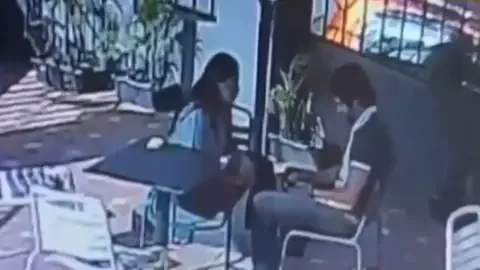
A woman riding a tram in Milan witnessed a disturbing act. An off-duty driver, still in uniform, was observed scrolling through a chat on his phone. This chat contained images of women’s body parts, apparently captured by CCTV cameras on public transport.
The woman realized the photos were not random but focused on specific parts of female passengers’ bodies. These images were being shared among tram drivers, accompanied by sexist comments.
This event occurred recently in Milan. The woman promptly reported what she saw to the authorities, initiating a formal investigation by Milan prosecutors into the Milan tram drivers.
Content of the Chat: CCTV Images and Sexist Remarks
The chat, reportedly on a messaging app like WhatsApp, included several tram drivers. They shared images focusing on women’s chests, legs, and other body parts, many sourced from the tram’s security cameras.
Some images were also taken by drivers using their personal phones to film women without their consent. These were then shared with crude and sexist remarks.
Sources described the comments as degrading and objectifying, treating the women as targets for amusement. The chat appears to have been active for some time before being discovered.
Privacy experts emphasize that this behavior breaches the trust passengers place in transport workers. CCTV cameras are intended for safety, not for unauthorized surveillance.
Reporting the Misconduct and Subsequent Actions
The observant woman reported the driver’s uniform and the chat’s content to the authorities. Her action was crucial in bringing the matter to light.
Upon receiving the report, prosecutors began gathering evidence, likely including phone data and chat records. The investigation is in its early stages, with no formal charges yet filed.
The case quickly attracted significant media attention, both domestically and internationally, generating public anger and concern over the privacy violations.
The woman’s swift action may help prevent future incidents and demonstrates how individuals can hold institutions accountable.
Prosecutors Launch Formal Investigation into Milan Tram Drivers
Milan prosecutors have opened a formal investigation into potential privacy violations and harassment. The specific legal charges are pending.
In Italy, sharing intimate images without consent is a criminal offense, punishable by up to six years in prison. This case might also involve laws concerning the misuse of surveillance data.
Prosecutors are expected to question the involved drivers and examine chat histories to determine the extent and duration of the image sharing. The investigation is anticipated to take weeks or months.
Currently, no one has been formally accused. The drivers are under investigation and are presumed innocent until proven guilty.
Suspension of Drivers and Transport Authority Response
Milan’s public transport authority, ATM, has taken swift action following the investigation’s commencement.
Several tram drivers have been suspended from their duties as a precautionary measure while the probe continues.
ATM has stated its full cooperation with the prosecutors and expressed deep concern. The company reiterated its strict policies against the personal use or sharing of CCTV footage by employees.
While ATM did not disclose the number of suspended drivers or their identities, reports suggest a handful are involved.
ATM has also committed to reviewing its procedures to prevent future occurrences and enhance oversight of driver phone usage during work hours.
Broader Implications: Privacy, Gender, and Public Transport Safety
This incident raises significant concerns about passenger privacy on public transport. Millions rely on trams and buses daily, expecting security cameras to be used solely for safety.
The prevalence of such misconduct among transport workers is unclear, though experts suggest it may be more common than reported cases indicate, given workers’ access to surveillance systems.
Similar incidents have occurred globally, highlighting the need for robust controls. Examples include train conductors filming passengers in Japan and a UK bus driver fired for sharing CCTV images.
Italian privacy laws, aligned with the EU’s GDPR, mandate the protection of personal data, including CCTV footage. However, effective enforcement by companies is crucial.
The case questions the adequacy of ATM’s existing rules and their consistent enforcement. Access to CCTV footage should be strictly limited to authorized personnel for safety and investigation purposes.
The public and political reaction in Italy has been one of outrage, with women’s rights groups condemning the behavior and politicians calling for stricter oversight and potential legal reviews.
Milan’s Mayor, Giuseppe Sala, expressed shock and pledged action, thanking the woman who reported the incident.
To prevent future incidents, experts recommend limiting CCTV access, logging all footage views, conducting random audits, reinforcing privacy training, and establishing clear reporting channels for passengers.
ATM’s procedural review is a step, but sustained effort is needed. This case underscores the ongoing pressure on the company to implement effective changes.
The incident also highlights gender-based issues, as the targeted images and comments were sexist. Many women already feel unsafe on public transport, and such events exacerbate this fear.
When individuals entrusted with passenger safety become perpetrators of harassment, it erodes trust. The woman’s courage in reporting the misconduct may help begin to restore that trust.
The Milan tram drivers investigation is ongoing, with further details expected. This case serves as a critical reminder that privacy requires constant vigilance and protection.
Frequently Asked Questions
What is the Milan tram drivers investigation about?
The investigation concerns Milan tram drivers accused of sharing private CCTV images of female passengers' body parts in a chat group. The chat also allegedly included sexist comments about the women depicted.
How did the investigation start?
The investigation was initiated after a woman on a tram noticed an off-duty driver viewing a chat containing inappropriate images of passengers, which she then reported to the authorities.
What action has the transport authority taken?
Milan's public transport authority, ATM, has suspended several tram drivers involved in the alleged misconduct. ATM is cooperating fully with the ongoing investigation.
What are the potential legal consequences for the drivers?
Drivers involved could face charges related to privacy violations and harassment. In Italy, sharing intimate images without consent can lead to prison sentences.
What are the broader implications of this incident?
The case highlights significant issues regarding passenger privacy on public transport, the potential for abuse of surveillance systems by employees, and gender-based harassment in public spaces.
What measures are being considered to prevent future incidents?
Recommendations include limiting access to CCTV footage, logging all viewing activity, conducting audits, improving employee training on privacy, and creating easier ways for passengers to report misconduct.
References
- Milan Probes Tram Drivers' Chat Over CCTV Images Of Woman Passengers – Original report (NDTV World)
- Milan Probes Tram Drivers' Chat Over CCTV Images Of Woman Passengers – NDTV – NDTV
- Milan prosecutors probe tram drivers’ chat over CCTV images of female passengers – Internazionale – Italian outlet confirming the investigation and the involvement of prosecutors.
- Milan tram drivers being investigated for sharing sexist photos of women passengers – Wanted in Milan – Local Milan news adding context about the drivers' suspension and public reaction.
- Milan Tram Drivers Suspended for Sharing Videos of Female Passengers and Sexist Comments – Inbox.eu – European news outlet confirming the suspension of drivers and the nature of the shared content.
- EU must tap trillions of euros in private savings to keep up with US and China, investors say – Reuters – Reuters