At a Glance
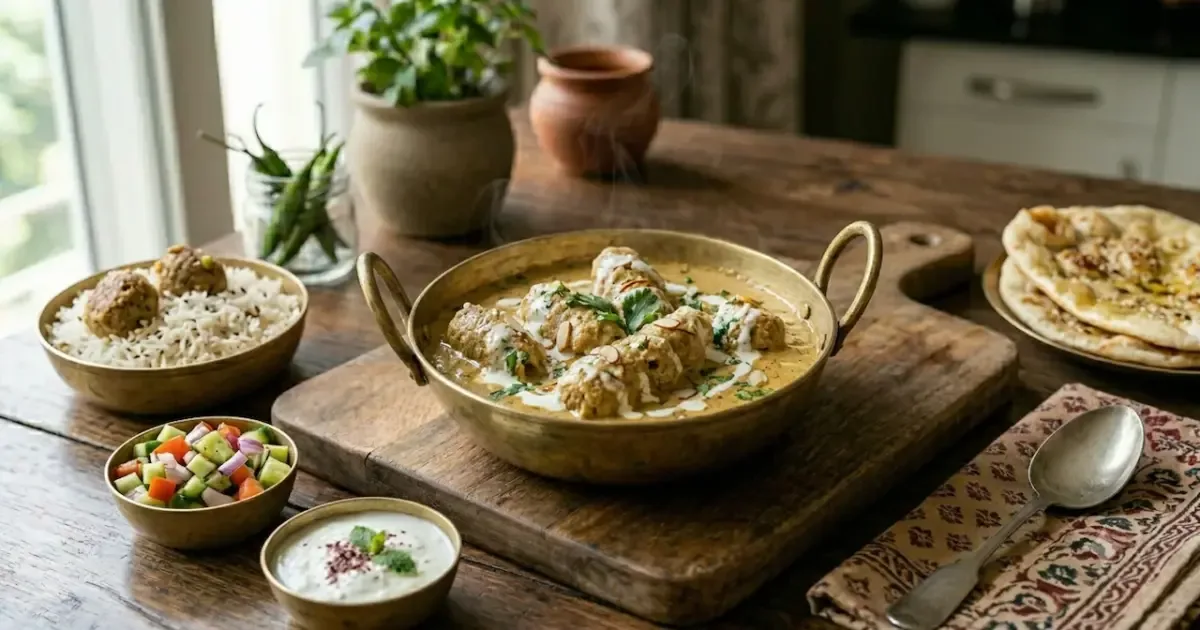
Achieving restaurant-quality malai chaap at home is possible by avoiding six common pitfalls. These include overcooking, insufficient marination, using low-fat dairy, imbalanced spices, cooking on too low a heat, and skipping the resting period. By addressing these malai chaap mistakes, you can ensure a creamy, tender, and flavorful dish every time.
Key Takeaways
The main points at a glance
- Overcooking soy or wheat protein chaap leads to a dry, rubbery texture; cook only until heated through and lightly golden.
- Allow at least 2-4 hours, or preferably overnight, for marination to ensure flavours penetrate and tenderize the chaap.
- Always use full-fat cream and yoghurt for a rich, creamy texture; low-fat versions result in a watery coating and dry chaap.
- Balance spices carefully to avoid overpowering the creaminess or making the dish bland; use fresh spices for best results.
- Cook chaap on medium-high heat to sear the exterior, lock in moisture, and achieve desirable char marks.
- Let the cooked chaap rest for 5-7 minutes before serving to allow juices to redistribute and the coating to set, ensuring a succulent bite.
You have tried making malai chaap at home, but it always falls short of the restaurant version. Dry, bland, or too chewy. The secret is not more cream. It is avoiding these six common malai chaap mistakes.
I have been there myself. My first few attempts were disasters. The chaap turned out rubbery. The creaminess was missing. The spices were either too weak or too harsh. But over time I learned what goes wrong and how to fix it.
Let me walk you through the six most common mistakes home cooks make with malai chaap. Each one has a simple fix. Once you get these right, your malai chaap will taste like it came from a top dhaba.
Mistake 1: Overcooking the Chaap Until It Is Rubbery
This is the biggest mistake. You cook the chaap for too long, thinking it needs more time to absorb flavours. But chaap is made from soy or wheat protein. Overcooking makes the protein strands tighten and squeeze out moisture. The result is a dry, rubbery texture that feels like chewing on a tyre.
I remember the first time I made malai chaap for a dinner party. I left it on the pan for almost 20 minutes, turning it constantly. My guests politely chewed and smiled. But I knew it was a failure.
The fix: Cook the chaap only until it is heated through and lightly golden. That usually takes 3 to 4 minutes per side on a medium-high flame. If you are grilling, keep an eye on it. The moment you see nice grill marks and a slight puff, take it off. The chaap will continue to cook from residual heat. Overcooking is the fastest way to ruin it.
Mistake 2: Skipping the Marination Time
Malai chaap gets its magic from the marinade. But many home cooks rush this step. They mix the cream, yoghurt, and spices, coat the chaap, and throw it straight on the pan. That is a mistake.
The marinade needs time to work into the chaap. Without enough marination, the flavours stay on the surface. The inside remains bland. The cream and yoghurt also need time to tenderise the protein. A short marination means a tough, flavourless bite.
The fix: Marinate the chaap for at least 2 to 4 hours in the fridge. Overnight is even better. Cover the chaap pieces well with the marinade. Use a bowl or a zip-lock bag. Let the flavours seep in. I usually prepare the marinade in the morning and let the chaap sit until dinner time. The difference is night and day.
Mistake 3: Using Low-Fat Cream or Yoghurt
We all want to eat healthy. But low-fat cream and yoghurt do not work for malai chaap. The whole point of malai chaap is the rich, creamy texture. Low-fat dairy products have more water and less fat. When you cook them, the water evaporates quickly. The coating becomes thin and watery. The chaap turns out dry and lacks that luscious mouthfeel.
Fat is not just about taste. It carries flavour. The spices dissolve better in fat. It also helps the chaap stay moist during cooking. Skimping on fat is the reason many homemade versions taste flat.
The fix: Use full-fat cream (malai) and full-fat yoghurt. Do not try to lighten the recipe. If you are worried about calories, remember that you are not eating this dish every day. A little indulgence is fine. Use thick cream with at least 25% fat. Greek yoghurt works well because it is thick and creamy. The extra fat ensures a silky coating that clings to the chaap and stays put even on the grill.
Mistake 4: Not Balancing Spices Correctly
Malai chaap is known for its mild, aromatic flavour. But many home cooks either go overboard with spices or use too little. Both are problems.
Too much garam masala or chilli powder can overpower the creaminess. The dish becomes harsh and loses its subtle character. On the other hand, too little spice makes it bland. You end up with chaap that tastes only of cream with no depth.
Another common issue is using stale spices. Old spices lose their punch. You add more to compensate, but it never tastes right.
The fix: Stick to a balanced spice mix. A good starting point is: 1 teaspoon garam masala, 1 teaspoon cumin powder, 1 teaspoon coriander powder, half teaspoon turmeric, half teaspoon red chilli powder (adjust to taste), and a pinch of black pepper. Add salt carefully because the cream and yoghurt already have some. Use fresh spices. Check the expiry dates. If you can, grind whole spices yourself. The aroma will be much better. Taste the marinade before adding the chaap. It should feel fragrant but not fiery.
Mistake 5: Cooking on Too Low a Heat
This mistake is common among cautious cooks. You put the chaap on a low flame, thinking it will cook evenly without burning. But low heat does the opposite. It dries out the chaap before the outside gets any colour. The cream coating stays pale and slimy. The chaap ends up steamed rather than grilled.
Low heat also means longer cooking time. The longer the chaap sits on the pan, the more moisture it loses. You lose the tender texture and the creamy coating slides off.
The fix: Use medium-high heat. Get the pan or grill hot before adding the chaap. A hot surface sears the outside quickly, locking in moisture. It also gives those beautiful char marks that add smoky flavour. Cook each side for 3 to 4 minutes. Do not overcrowd the pan. Leave space between pieces so the heat circulates. If you are using a grill, oil the grates lightly to prevent sticking. The high heat will give you a crisp exterior and a soft, juicy interior.
Mistake 6: Forgetting to Rest the Chaap Before Serving
You have cooked the chaap perfectly. It looks golden and smells amazing. You are tempted to serve it right away. Do not. Resting is crucial.
When you take the chaap off the heat, the juices are still moving inside. If you cut or serve it immediately, those juices run out onto the plate. The chaap becomes dry. The cream coating slides off. The texture suffers.
Resting allows the juices to redistribute. The protein relaxes. The coating sets slightly. The result is a more cohesive bite.
The fix: Let the chaap rest on a plate or a wire rack for 5 to 7 minutes after cooking. Cover it loosely with foil to keep it warm. Do not stack the pieces on top of each other or they will steam. A single layer is best. Use this time to prepare your garnishes or set the table. Then serve. You will notice the chaap holds its shape better and tastes more succulent.
Bonus Tips: How to Get That Charcoal-Grilled Flavour at Home
Many people love the smoky, charred taste of restaurant malai chaap. You can get that at home without a tandoor. Here are a few methods.
Use a Charcoal Piece for Smoky Flavor
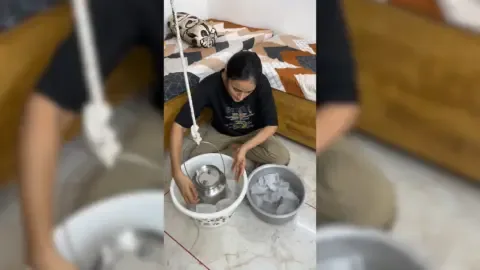
Heat a small piece of charcoal directly on the flame until it is red hot. Place it in a small metal bowl or piece of foil. Put the bowl in the centre of the cooked chaap. Pour a few drops of ghee or oil on the charcoal. Cover the entire dish with a lid immediately. Let it smoke for 2 to 3 minutes. The smoke infuses the chaap with a deep, earthy flavour.
Use a Grill Pan for Char Marks
A cast-iron grill pan gives great grill marks and a smoky taste. Heat it well, brush with oil, and cook the chaap as described. The ridges create char lines that add flavour.
Add Smoked Paprika for a Hint of Smokiness
If you cannot do the charcoal method, smoked paprika in the marinade gives a hint of smokiness. It is not the same, but it helps.
Finish with a Tadka
Heat a tablespoon of ghee in a small pan. Add a pinch of cumin seeds and a slit green chilli. Pour this over the chaap just before serving. The sizzling ghee adds aroma and a final layer of richness.
Wrap-Up: Your Perfect Malai Chaap Awaits
Making malai chaap at home is not difficult. You just need to avoid these six common mistakes. Do not overcook. Give the marinade time. Use full-fat dairy. Balance your spices. Cook on high heat. And let it rest before serving.
Once you master these, you can experiment. Add kasuri methi for a herby note. Use hung curd for an even thicker marinade. Try different spice blends. But the basics stay the same.
I remember the first time I got it right. My family could not believe it was homemade. They asked if I had ordered from a restaurant. That feeling of pride is what cooking is all about.
Now it is your turn. Next time you crave malai chaap, skip the takeout. Open your kitchen. Avoid these malai chaap mistakes. And enjoy the creamiest, most flavourful chaap you have ever made. You have got this.
Frequently Asked Questions
Why does my homemade malai chaap turn out rubbery?
Rubbery chaap is usually a result of overcooking. The protein in soy or wheat chaap tightens and loses moisture when exposed to heat for too long, leading to a tough, chewy texture. Cook it only until it's heated through and lightly golden, typically 3-4 minutes per side on medium-high heat.
How long should I marinate malai chaap?
For the best flavour and tenderness, marinate your malai chaap for at least 2 to 4 hours in the refrigerator. Marinating overnight is even better as it allows the flavours to fully penetrate the chaap and the dairy in the marinade to tenderize the protein.
Can I use low-fat dairy for malai chaap?
It's best to avoid low-fat cream and yoghurt for malai chaap. These products contain more water and less fat, which can lead to a thin, watery coating that evaporates during cooking. Full-fat dairy is essential for achieving the rich, creamy texture and luscious mouthfeel characteristic of this dish.
What spices are essential for malai chaap?
A balanced spice mix is key. Common spices include garam masala, cumin powder, coriander powder, turmeric, and red chilli powder for a mild heat. Always use fresh spices and taste the marinade before adding the chaap to ensure the flavour is fragrant but not overpowering.
What is the best heat level for cooking malai chaap?
Cook malai chaap on medium-high heat. A hot pan or grill sears the outside quickly, locking in moisture and creating appealing char marks. Low heat can dry out the chaap before it gets any colour, resulting in a steamed rather than grilled texture.
Why is resting the chaap important?
Resting the chaap for 5-7 minutes after cooking allows the internal juices to redistribute, preventing them from running out when served. This process helps maintain moisture, improves texture, and allows the creamy coating to set slightly, resulting in a more succulent and cohesive bite.
References
- Avoid These 6 Mistakes To Make Perfect Malai Chaap At Home – Original report (NDTV Health)
- Apple–Google AI alliance set to redefine Siri in iOS 27, macOS – MSN – About an AI alliance between Apple and Google; not related to malai chaap.
- Achaari Chicken Kathi Roll: Your Perfect Recipe For A Flavourful Weekend – NDTV Food – A recipe for Achaari Chicken Kathi Roll; not related to malai chaap.
- Delta Flight Diverted After Passengers Allegedly Served 'Spoiled' Food – NDTV Food – News about a Delta flight diversion due to spoiled food; not related to malai chaap.
- Sanjay Manjrekar Shares His Love For Keema Cutlet In This Nostalgic Video – NDTV Food – A nostalgic video about keema cutlet; not related to malai chaap.
- Kate Middleton Reveals Her Favourite Food During Chat With 109-Year-Old Fan – NDTV Food – NDTV Food