At a Glance
Dr. Manish Gupta allegedly murdered his househelp, Meena, with a cricket bat and knife after an argument with his wife about firing her. He reportedly told police she “brought bad energy.” The incident highlights the vulnerability of domestic workers and has sparked public outrage.
Key Takeaways
The main points at a glance
- A Delhi doctor, Manish Gupta, is accused of murdering his househelp, Meena, with a cricket bat and knife.
- The murder allegedly followed an argument with his wife regarding the termination of Meena’s employment after 15 years of service.
- Dr. Gupta reportedly told police the victim “brought bad energy” and stated “Hang me.”
- The case underscores the precarious situation and vulnerability of domestic workers in India.
- Neighbors alerted police after hearing screams, leading to the doctor’s arrest at the scene.
- The investigation is ongoing, with the doctor in police custody.
Delhi Doctor Murders Househelp Over ‘Bad Energy’ Claim
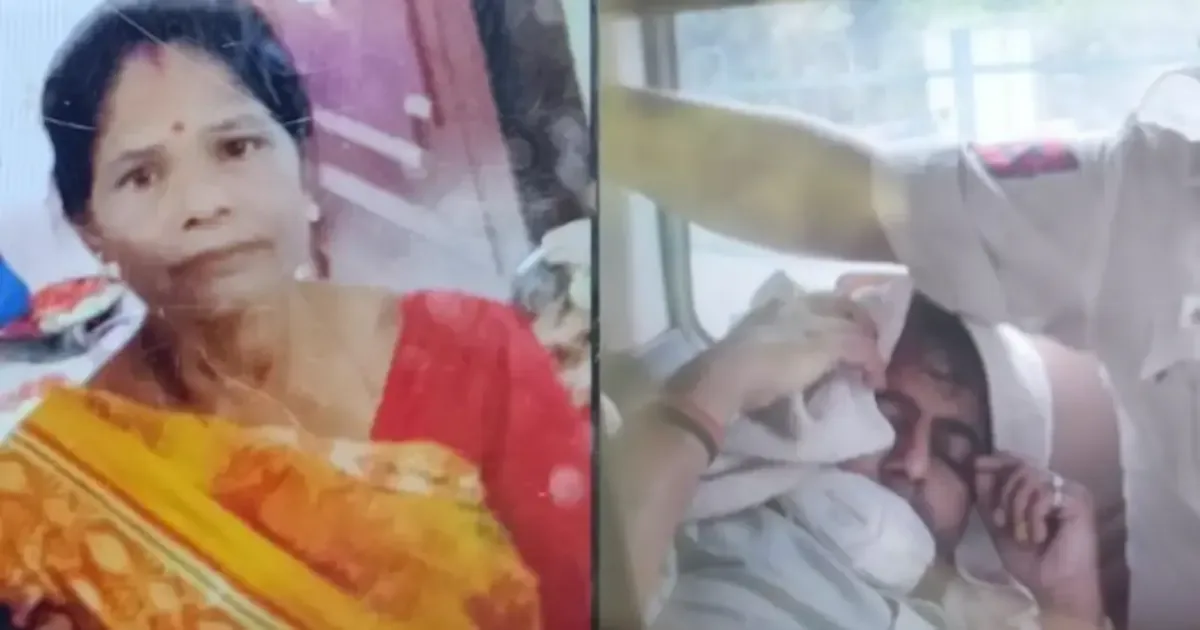
In a shocking incident in south Delhi’s Mount Kailash neighborhood, Dr. Manish Gupta allegedly murdered his househelp, Meena, using a cricket bat and a kitchen knife. The brutal killing occurred on Thursday afternoon, reportedly after an argument with his wife about firing the domestic worker, who had served the family for 15 years.
According to police reports, Gupta first assaulted Meena with a cricket bat and then repeatedly stabbed her with a knife from the kitchen. Neighbors alerted by screams called the police, who arrived to find Meena deceased. Dr. Gupta, who did not attempt to flee, was apprehended at the scene. Upon the officers’ arrival, he allegedly stated, “Hang me,” and offered a disturbing reason for the murder: that Meena “brought bad energy.”
This case has sent shockwaves through the city, highlighting the extreme vulnerability of domestic workers and raising questions about the actions of a medical professional. The violence of the attack, coupled with the accused’s cold and unusual statement, has fueled public anger and concern.
Argument Over Firing the Househelp Escalates to Murder
The violence stemmed from an argument between Dr. Gupta and his wife earlier that day. Sources indicate that his wife wished to terminate Meena’s employment, but Dr. Gupta disagreed. The disagreement reportedly escalated significantly.
While the specific reasons for the wife’s desire to fire Meena are not fully detailed in reports, some suggest it may have involved a minor dispute or financial disagreement. Regardless of the trigger, the marital conflict tragically culminated in murder.
Following the argument, Dr. Gupta reportedly confronted Meena in her work area. He allegedly used a cricket bat to assault her. She attempted to defend herself, but he overpowered her. He then proceeded to the kitchen, retrieved a knife, and inflicted fatal stab wounds.
Reports indicate Dr. Gupta’s wife was present in the house during the attack. It remains unclear if she intervened or sought assistance. She has not been publicly identified, and her potential legal standing in the case is yet to be determined.
This incident serves as a stark reminder of how domestic disputes, particularly those involving power imbalances, can have devastating and fatal consequences.
‘She Brought Bad Energy’: The Accused’s Disturbing Statement
When questioned by the police about the motive, Dr. Gupta’s response was reportedly, “She brought bad energy,” as cited in a Hindustan Times report. He offered no further explanation regarding this claim or any specific misconduct by Meena.
Following this statement, Dr. Gupta allegedly told officers, “Hang me.” This phrase was also reported by The Times of India and theweek.in, suggesting a confession or a defiant challenge.
These words have become a focal point of public outrage, portraying a suspect who, after committing a brutal act, offered a vague, almost supernatural justification. The absence of remorse or apology has intensified public reaction.
No public information is available regarding any medical or psychological evaluations of Dr. Gupta. His history of violence or any potential mental health issues have not been disclosed in the reports. The current understanding is based solely on his statements to the police immediately after the incident.
His statements, “bad energy” and “hang me,” suggest a profound detachment and a potential belief that he was justified in his actions, possibly viewing the victim as less than human.
15 Years of Service Ends in Violent Tragedy
Meena had dedicated 15 years of her life to serving the Gupta family. This long tenure implies a deep integration into the household, potentially involving childcare and daily domestic responsibilities.
Details about Meena’s personal life remain scarce in public reports, including her full name and age. The lack of information underscores the often-unseen lives of domestic workers, whose personal stories are frequently overshadowed by their service.
Her employment lacked formal security, such as a contract or defined terms. This made her entirely dependent on her employers’ goodwill, with no formal recourse in case of disputes.
The goodwill apparently ended abruptly on Thursday. After 15 years, Meena was killed by her employer. The use of a cricket bat, a sporting item, as a murder weapon, and a kitchen knife, a common household tool, highlights the tragic transformation of everyday objects into instruments of violence within the home.
Her death has become a symbol of the extreme vulnerability faced by domestic workers in India, who often work in isolation and are at risk of abuse with limited protection.
Police Investigation and Custody
Responding to neighbor reports of a disturbance, police arrived at the Mount Kailash residence. They discovered Meena’s body and found Dr. Gupta present, reportedly calm and offering no resistance to his arrest. His statement, “Hang me,” was made shortly after their arrival.
Dr. Gupta was taken into custody and booked for murder. The specific legal sections applied are not yet detailed in public reports. In India, murder charges can lead to life imprisonment or, in exceptional cases, the death penalty.
As of the latest updates, Dr. Gupta remains in police custody. He has not yet appeared in court, and no bail proceedings have been announced. The investigation is ongoing, with police focusing on forensic evidence and witness accounts to establish the sequence of events.
It is not known if other domestic workers have come forward with complaints against the doctor. The current investigation has not revealed any prior allegations of abuse. However, the public attention generated by this case might encourage others to share their experiences.
The legal process is expected to be lengthy. The trial will aim to determine intent and the precise circumstances of the crime. Dr. Gupta’s mental state could be a factor. However, the core facts-that he killed Meena and cited “bad energy” as a motive-are central to the case.
The Precarious Situation of Domestic Workers in India
Meena’s murder has drawn national attention to the precarious employment conditions of domestic workers across India. Millions, predominantly women, work as maids, cooks, and caregivers in private households. Many are not covered by standard labor laws, lacking fixed hours, overtime pay, sick leave, or job security.
The employer-employee relationship in domestic work is often intimate yet fundamentally unequal. Workers’ dependence on employers for housing and sustenance can lead to exploitation, including verbal and physical abuse, and wage theft, which often go unreported.
When dismissed, domestic workers typically have no legal recourse, losing their job and often their accommodation. This significant power imbalance allows employers to mistreat workers with minimal fear of repercussions.
In Meena’s case, a dispute over her termination escalated to fatal violence. However, even without such extreme outcomes, domestic workers face constant job insecurity, where minor issues can lead to job loss.
Advocacy for improved legal protections for domestic workers continues. While a model law has been proposed, its adoption by states remains limited. Unions and activists are pushing for basic rights, including written contracts, minimum wages, and safety standards, but progress is slow.
This tragic event may catalyze a broader public discussion on the rights and welfare of domestic workers. High-profile cases in affluent areas often garner more attention than the daily struggles faced by this workforce.
Meena’s story is a profound tragedy-a woman who served a family for 15 years was killed in their home under inexplicable circumstances. While the accused is in custody and the legal process will unfold, the systemic failures to protect vulnerable workers like Meena remain a critical issue.
Frequently Asked Questions
What happened to the househelp in Delhi?
The househelp, identified as Meena, was allegedly murdered by her employer, Dr. Manish Gupta, in his South Delhi home. The incident involved a cricket bat and a kitchen knife.
What was the motive for the Delhi doctor's alleged murder?
According to reports, Dr. Manish Gupta told police that the victim, Meena, "brought bad energy." This statement was made after an argument with his wife about firing Meena, who had worked for them for 15 years.
What was the doctor's reaction after the alleged murder?
Dr. Manish Gupta reportedly did not resist arrest and told the arriving police officers, "Hang me." He offered no other explanation beyond the 'bad energy' claim.
How long had the househelp worked for the doctor's family?
Meena had reportedly worked for Dr. Manish Gupta's family for 15 years, indicating a long-standing employment relationship.
What is the current legal status of Dr. Manish Gupta?
Dr. Manish Gupta has been taken into police custody and booked for murder. The investigation is ongoing, and he has not yet appeared in court.
Does this case highlight issues faced by domestic workers in India?
Yes, the murder has brought significant attention to the vulnerability of domestic workers in India, who often lack job security, legal protections, and face power imbalances with employers.
References
- Delhi Doctor Who Murdered Househelp Had Argued With Wife Over Firing Her – Original report (NDTV India)
- Delhi Doctor Who Murdered Househelp Had Argued With Wife Over Firing Her – NDTV – Original RSS item establishing the core facts: argument with wife, cricket bat beating, knife stabbing.
- 15 Years Of Service, A Violent End: Delhi Doctor Had Argued With Wife Over Firing Househelp – News18 – Adds the detail that Meena had worked for the family for 15 years.
- Bizarre reason cited by Delhi doctor who killed his house help with cricket bat: ‘Hang me’ – theweek.in – Highlights the bizarre nature of the crime and the accused telling police to 'Hang me'.
- 'Hang me', south Delhi doctor tells cops after killing help with kitchen knife – The Times of India – Reports the doctor's direct statement 'Hang me' to police after using a kitchen knife.
- ‘She brought bad energy’: House help's chilling bat-knife murder by doctor in posh South Delhi area | India News – Hindustan Times – Quotes Gupta's explanation 'She brought bad energy' and emphasizes the posh location.