At a Glance
Learn how to perform a simple ghee purity test at home using iodine to detect starch and refrigeration to check for vanaspati. Food safety alerts from FSDA highlight the importance of verifying ghee quality, as adulterated products pose health risks. You can also use heat, hand, and freezer tests, or make your own ghee for guaranteed purity.
Key Takeaways
The main points at a glance
- A simple iodine test can detect starch adulteration in ghee by checking for a blue or purple color change.
- Refrigerating ghee helps identify vanaspati; pure ghee has a grainy texture, while vanaspati remains smooth.
- Other home tests include observing melting behavior (heat test), feel on the palm (hand test), and texture after freezing (freezer test).
- Making ghee at home from pure unsalted butter is a reliable way to ensure its purity and quality.
- Always check for FSSAI certification, buy from reputable brands, and compare prices to avoid potentially adulterated ghee.
- Simple tests are also available for checking the purity of khoya and milk at home.
Why Ghee Purity Matters for Your Health
Ghee is a staple in most Indian kitchens, used for cooking, tempering dishes, and traditional home remedies. But when that golden spoonful is not pure, it can contain cheaper vegetable oils, animal fats, or starch. These additives save manufacturers money but can compromise your health.
Consuming impure ghee regularly may lead to digestive problems and high cholesterol from hidden trans fats. In some cases, adulterants are not meant for human consumption and can strain your liver and kidneys over time. The risk is higher for children and the elderly, whose bodies are more sensitive to contaminants.
Thankfully, you do not need a laboratory to check if your ghee is real. A simple test recommended by food authorities can be done right in your kitchen. This article guides you through that test and offers other practical ways to keep your family safe.
Simple Home Ghee Purity Test Using Iodine
Food safety bodies like the Food Safety and Standards Authority of India (FSSAI) and state-level Food Safety and Drug Administration (FSDA) actively test ghee brands. Their recommended home test is straightforward and reliable for common adulterants like starch.
The test involves a spoonful of ghee and a few drops of iodine solution. Pure ghee does not contain starch. However, some adulterators mix starch powder into ghee to increase its weight and thickness. When iodine tincture is added to melted ghee, a color change reveals the presence of starch.
Step-by-step process:
- Take one teaspoon of ghee in a small, clear bowl.
- Heat the bowl gently until the ghee melts completely. Avoid smoking.
- Let the melted ghee cool to room temperature.
- Add 2 to 3 drops of iodine tincture (available at medical stores) to the ghee.
- Observe the color.
- If the ghee turns blue or purple, it contains starch and is adulterated. If it remains its usual golden-yellow color, it is likely pure.
This color change occurs because iodine reacts with starch. Pure ghee lacks starch, so no reaction happens. This simple chemistry is a good first check for consumers.
Testing for Vanaspati (Hydrogenated Oil)
Another common adulterant is vanaspati, or hydrogenated vegetable oil. To test for this:
- Put a teaspoon of melted ghee in a bowl and refrigerate it for 30 minutes.
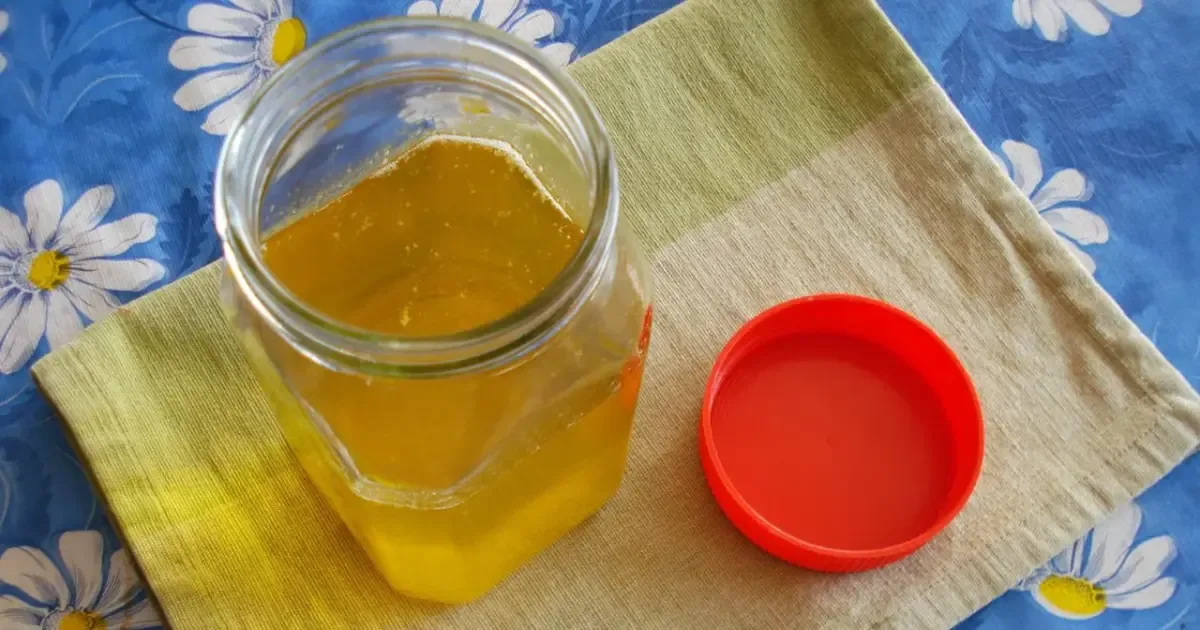
- Pure ghee remains liquid or semi-solid at room temperature and freezes into a grainy texture.
- Vanaspati stays solid and smooth like butter even after refrigeration. If your ghee becomes hard and smooth, it likely contains vanaspati.
These home tests are not foolproof and cannot detect every possible adulterant. For official confirmation, samples can be sent to FSSAI-approved testing labs.
FSDA Flags Unsafe Brands: What Consumers Should Know
FSDA teams have recently conducted raids, flagging several popular ghee brands for selling adulterated products. Some were found to contain vegetable oils, animal fats, or even recycled cooking oil.
While full lists of flagged brands are not always public due to ongoing investigations, consumers are warned to be cautious with unknown or cheaper local brands. The FSDA regularly updates its website and social media with alerts.
This action is part of a larger crackdown on food adulteration, with similar alerts issued for milk and khoya. Food authorities encourage home testing and consumer awareness to mitigate risks.
Additional Home Tests for Ghee Purity
Beyond the iodine and refrigeration tests, other methods use sight, smell, and touch.
The Heat Test
- Melt a tablespoon of ghee in a small pan on a low flame.
- Pure ghee melts evenly without spluttering and has a sweet, nutty aroma.
- Adulterated ghee may smoke excessively, smell like old oil, or leave a sticky residue.
The Hand Test
- Place a few drops of melted ghee on your palm.
- Pure ghee feels smooth, melts completely into the skin, and leaves a pleasant oily feel.
- Adulterated ghee may feel grainy or waxy and absorb slowly, leaving a sticky film.
The Freezer Test
- Freeze a small amount of ghee in a glass bowl for one hour.
- Pure ghee becomes semi-solid with a grainy texture and breaks apart easily.
- Adulterated ghee hardens into a smooth, solid block that does not break easily.
These sensory tests can provide strong clues. If something feels off, trust your instinct. For complete assurance, consider making ghee at home.
Making Your Own Ghee: A Safer Alternative
Making ghee at home is a sure way to ensure purity. It requires only one ingredient: good quality unsalted butter.
Ingredients:
- 500 grams of unsalted butter.
Equipment:
- A heavy-bottomed pan.
- A wooden spoon or spatula.
- A fine mesh strainer or clean cotton cloth.
- A clean, dry glass jar for storage.
Instructions:
- Cut butter into small pieces and place in the pan.
- Melt on low to medium heat, stirring occasionally.
- As water evaporates, the butter will foam and turn a clear golden color.
- Milk solids will settle at the bottom. Continue stirring gently.
- When milk solids turn light brown and the liquid is clear and golden, turn off the heat.
- Let it cool for 5 minutes.
- Strain the ghee into a jar, discarding the browned solids.
- Let the jar cool completely before sealing.
Homemade ghee lasts for months at room temperature if stored properly. It offers a richer taste and you control the quality. Making ghee at home is often more cost-effective than buying premium brands and can yield ghee with higher nutrient content if grass-fed butter is used.
Quick Tests for Other Dairy Products
Ghee is not the only dairy product at risk. Khoya and milk are also commonly adulterated. Here are simple home tests:
Khoya Purity Test
- Rub a small piece on your palm; pure khoya feels slightly greasy and crumbles easily, while adulterated khoya may feel sticky or rubbery.
- Drop a pinch into warm water; pure khoya sinks and dissolves slowly, while adulterated khoya may float or dissolve quickly.
- The iodine test can also detect starch in khoya, indicated by a blue color.
Milk Purity Test (Detecting Detergent)
- Mix a small amount of milk with water in a glass. If it forms frothy bubbles like soap, it may contain detergent.
- Place a drop of milk on your palm; pure milk feels smooth and leaves a thin film, while adulterated milk may feel slippery or watery.
These tests can alert you to potential problems, but lab analysis provides definitive results. Report any suspicions to your local food safety office.
Tips for Buying Pure Ghee from Trusted Brands
If you prefer buying ghee, follow these tips:
- Look for the FSSAI logo and license number on the package.
- Buy from well-known, established brands.
- Read the ingredient list; pure ghee should only contain milk fat or butter.
- Check packaging and expiry dates.
- Prefer glass jars over plastic containers.
- Be suspicious of prices significantly lower than market rates.
- Store ghee properly at home in a cool, dark place, using a dry spoon.
Regular home testing, even for branded ghee, is a wise habit. Combined with occasional lab tests, you can significantly reduce the risk of consuming adulterated ghee and ensure your family’s health.
Frequently Asked Questions
What is the simplest way to test ghee purity at home?
The simplest and most common home test involves adding a few drops of iodine tincture to melted ghee. If the ghee turns blue or purple, it indicates the presence of starch, meaning it is adulterated. Pure ghee will remain its natural golden-yellow color.
How can I check if my ghee contains vanaspati?
To check for vanaspati, melt a teaspoon of ghee and refrigerate it for about 30 minutes. Pure ghee will become semi-solid with a grainy texture. Vanaspati, being hydrogenated oil, will solidify into a smooth, buttery texture.
What are the health risks of consuming adulterated ghee?
Consuming impure ghee can lead to digestive issues and high cholesterol due to hidden trans fats. Adulterants like certain oils or chemicals can also strain the liver and kidneys over time, posing greater risks to vulnerable individuals like children and the elderly.
Are there other home tests for ghee purity besides the iodine and refrigeration tests?
Yes, you can use a heat test by observing how ghee melts and smells, a hand test by feeling its texture on your palm, and a freezer test to check its solidifying behavior. These sensory tests can provide clues about purity.
Is making ghee at home a guaranteed way to ensure purity?
Yes, making ghee at home from high-quality unsalted butter is one of the most reliable ways to ensure purity. You control the ingredients and the process, eliminating the risk of commercial adulteration.
What should I look for when buying ghee from a store?
When buying ghee, look for the FSSAI logo and license number, choose well-known brands, check the ingredient list (should only be milk fat), compare prices (very low prices can be suspicious), and prefer glass packaging.
Can I test other dairy products like milk and khoya at home?
Yes, simple home tests exist for other dairy products. For khoya, you can use rub, water, or iodine tests. For milk, you can check for detergent by shaking it with water and observing foam, or by feeling its texture on your palm.
References
- Is Your Ghee Pure? Food Authority Recommends This Simple Test To Find Out – Original report (NDTV Health)
- Beware of adulterated Khoya on Holi: 6 health risks associated with fake Mawa, 4 ways to check purity at home – Bhaskar English – Offers home purity tests for khoya, another dairy product prone to adulteration, expanding the context of food fraud.
- Milk purity test: How to detect detergent-based synthetic milk in just 10 seconds – The Economic Times – Describes a rapid test for detecting detergent in synthetic milk, demonstrating broader dairy adulteration issues.
- How to check ghee purity at home and make your own after FSDA flags unsafe brands – Firstpost – Provides home-testing methods for ghee purity and suggests making ghee at home after FSDA flagged unsafe brands.
- 4 of a family die due to suspected watermelon poisoning: How to know the fruit you have bought is fresh a – The Times of India – The Times of India
- Best ghee brands in India: 10 top picks to boost your health – Healthshots – Lists recommended ghee brands, aiding consumers in selecting safe products.