At a Glance
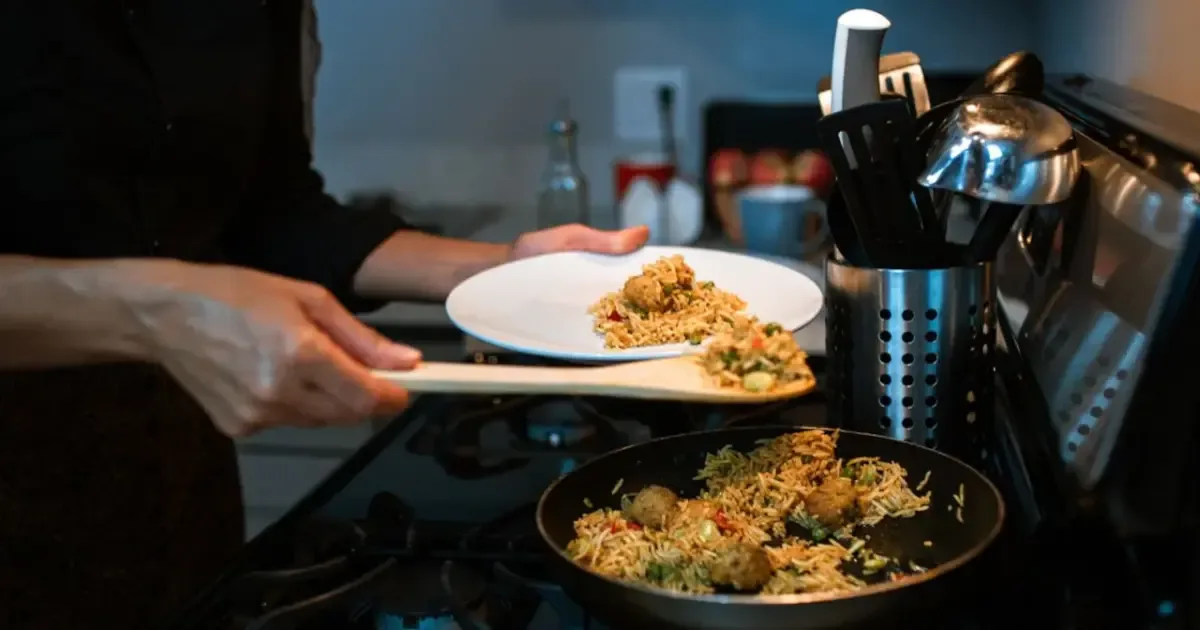
Reheating leftovers incorrectly can make food unsafe to eat. The FSSAI warns against common mistakes like not heating food to the recommended 75°C (167°F), using unsafe containers, reheating food more than once, and not stirring to ensure even heating. Following simple steps like using glass dishes, heating thoroughly, and only reheating what you’ll eat can prevent foodborne illnesses.
Key Takeaways
The main points at a glance
- Reheating food to at least 75°C (167°F) throughout is crucial to kill harmful bacteria.
- Always use glass, ceramic, or microwave-safe containers for reheating; avoid non-microwave-safe plastic and metal.
- Never reheat leftovers more than once, as this increases the risk of bacterial growth and toxin formation.
- Stir food during reheating and flip solid items to ensure even heating and eliminate cold spots.
- Reheat only the portion you plan to eat immediately and discard any excess.
- If leftovers look, smell, or feel off, or have been stored improperly, it’s safest to throw them away.
Why Reheating Leftovers Safely Matters
Cooking food properly is the first step to prevent illness from harmful bacteria. However, bacteria can return after cooking from the air, hands, or utensils. Even refrigerated food is not sterile and may contain some bacteria.
Reheating is your second chance to eliminate these bacteria. But it must be done correctly. Low temperatures allow bacteria to survive, while some containers can leach chemicals into food. Reheating the same food multiple times also increases the risk.
The Food Safety and Standards Authority of India (FSSAI) emphasizes that safe reheating is as crucial as proper cooking. Improperly reheated leftovers are a common cause of foodborne illnesses worldwide.
Let’s explore the four common mistakes FSSAI warns about and how to avoid them when reheating leftovers.
Mistake #1: Reheating at the Wrong Temperature
A common error is using default microwave settings, which often don’t reach a high enough temperature to kill bacteria. FSSAI recommends that reheated food must reach an internal temperature of at least 75 degrees Celsius (167 degrees Fahrenheit) throughout.
This temperature ensures most harmful bacteria are killed quickly. To check, use a food thermometer inserted into the thickest part. If you don’t have a thermometer, ensure the food is steaming hot throughout, bubbling, or simmering. For solid foods, the center should be hot to the touch.
Fix: Heat leftovers until they are steaming hot all the way through. Use high power settings on microwaves and stir. On the stovetop, heat on medium flame until bubbling. Adjust heating time based on food quantity and type.
Mistake #2: Using the Wrong Container
Reheating food in non-microwave-safe plastic containers can cause harmful chemicals like BPA to leach into your food. These chemicals are linked to various health issues.
FSSAI advises using only microwave-safe containers. It’s best to transfer food to glass or ceramic dishes, which distribute heat evenly and do not leach chemicals. Avoid using plastic wrap directly on food; use a microwave-safe lid or paper towel instead.
Never put metal or aluminum foil in a microwave, as it can cause sparks and fires. Always use microwave-safe dishes.
Fix: Transfer leftovers to glass, ceramic, or microwave-safe containers before reheating. For stovetop reheating, any pan is suitable. Use microwave-safe lids or paper towels for covering.
Mistake #3: Reheating Leftovers More Than Once
Reheating food multiple times significantly increases the risk of bacterial growth. Some bacteria produce heat-resistant toxins that remain even after reheating, causing illness.
The safest practice is to reheat only the portion you intend to eat for a single meal. Divide large batches of leftovers into single servings before storing them in the fridge or freezer.
Food reheated from a frozen state counts as one reheating. Do not reheat it again.
Fix: Never reheat leftovers more than once. Store leftovers in individual portions and reheat only what you will consume immediately. Discard any excess reheated food.
Mistake #4: Not Stirring Food Evenly
Microwaves can create cold spots in food, allowing bacteria to survive. FSSAI stresses the importance of even heating to ensure safety.
Stir liquid dishes halfway through microwaving. For solid foods like biryani, break up clumps and redistribute them. On the stovetop, stir regularly to ensure even heat distribution.
For flatbreads like roti or paratha, reheat them on a tawa (griddle) over medium heat, flipping them until hot. Avoid microwaving them unless wrapped in a damp paper towel to prevent drying.
Fix: Stir liquid foods at least once during reheating. Turn or flip solid foods to ensure even heating. Check for and eliminate cold spots.
How to Reheat Leftovers Safely (Step-by-Step)
Follow these steps for safe and effective reheating of leftovers, especially Indian dishes:
Step 1: Plan ahead. Remove leftovers from the fridge about 10 minutes before reheating. Do not leave them out for more than 30 minutes.
Step 2: Choose your method wisely.
- Curries, dal, soups: Stovetop or microwave. Stovetop offers more even heating.
- Rice, biryani: Microwave with a splash of water and cover. Stir halfway.
- Roti, paratha, naan: Tawa or oven. Avoid microwave unless wrapped in a damp paper towel.
- Fried foods: Oven or air fryer to maintain crispiness.
Step 3: Use the right container. Use glass or ceramic dishes for microwaving. Any pan is fine for stovetop. Never use non-microwave-safe plastic.
Step 4: Add moisture if needed. Add a tablespoon of water or broth to curries and rice to prevent drying and burning.
Step 5: Heat to the right temperature. Aim for at least 75 degrees Celsius throughout. Check the center if using a thermometer, or ensure thorough steaming/bubbling.
Step 6: Stir and check. Stir liquid dishes halfway through. Turn or flip solid foods. Ensure there are no cold spots.
Step 7: Serve immediately. Eat reheated food right away. Discard any excess; do not reheat it again.
Step 8: Proper storage. If you accidentally reheat too much, the extra must be thrown out. Do not refrigerate it.
When in Doubt, Throw It Out
If leftovers have been refrigerated for more than 3-4 days, it is best to discard them. Bacteria can grow even in the fridge if the temperature is above 5 degrees Celsius (41 degrees Fahrenheit). FSSAI recommends consuming cooked leftovers within two to three days.
Signs that leftovers are unsafe include:
- Sour, off, or unusual smell.
- Slimy texture or mold growth.
- Left at room temperature for over two hours.
- Stored in a warm environment.
- Already reheated once.
Do not taste food to check for spoilage. If it looks or smells wrong, throw it away. A small amount of food waste is better than food poisoning.
For leftover roti or paratha, ensure they are stored in a closed container in the fridge and reheated properly, rather than left out uncovered.
Quick Checklist for Safe Leftovers
- Store leftovers in the fridge within two hours of cooking.
- Use shallow containers for quick cooling.
- Eat leftovers within 3-4 days.
- Reheat only the portion you will eat.
- Use glass or ceramic dishes for the microwave.
- Never use plastic wrap or metal in the microwave.
- Heat food to at least 75 degrees Celsius (167 degrees Fahrenheit).
- Stir liquid dishes halfway through reheating.
- Flip or turn solid foods for even heating.
- Serve and eat immediately after reheating.
- Never reheat leftovers more than once.
- When in doubt, throw it out.
Making mistakes with leftovers is common. The key is to learn and apply safe reheating practices to enjoy your meals without worry.
Frequently Asked Questions
What is the correct temperature for reheating leftovers?
According to FSSAI, reheated food should reach an internal temperature of at least 75 degrees Celsius (167 degrees Fahrenheit) throughout. This ensures that most harmful bacteria are killed.
Can I reheat food multiple times?
No, FSSAI strongly advises against reheating food more than once. Each reheating and cooling cycle gives bacteria more opportunities to multiply and potentially produce heat-resistant toxins.
What kind of containers should I use for reheating leftovers in the microwave?
You should use glass, ceramic, or containers specifically labeled as microwave-safe. Avoid using regular plastic containers or plastic wrap, as they can leach harmful chemicals into the food when heated.
How can I ensure my food is heated evenly in the microwave?
To ensure even heating, stir liquid dishes at least once during the reheating process. For solid foods, break up clumps and redistribute them. This helps eliminate cold spots where bacteria might survive.
How long can I safely store leftovers in the refrigerator?
FSSAI recommends consuming cooked leftovers within two to three days. If leftovers have been in the fridge for more than 3-4 days, it is best to discard them to avoid potential bacterial growth.
What are the signs that leftovers are no longer safe to eat?
Signs include a sour or off smell, slimy texture, mold growth, or if the food has been left at room temperature for more than two hours. When in doubt, it's always safest to throw the food out.
References
- Reheating Leftovers? Food Authority Shares Mistakes That Can Make Food Unsafe – Original report (NDTV Health)
- Padma Shri Awardee R Madhavan's 11 Mantras To Lose Weight In 21 Days Without Intense Exercise – NDTV Food – Unrelated topic; weight loss tips from R Madhavan.
- Tarla Dalal To Sanjeev Kapoor, 4 Indian Chefs Who Have Received The Prestigious Padma Awards – NDTV Food – Unrelated topic; highlights Indian chefs honored with Padma awards.
- Planning a BBQ? Check out these 5 food safety tips first – RTE.ie – Unrelated topic; BBQ-specific food safety advice.
- Watch: World's Oldest Vegetarian Restaurant In Zurich, Visited By Former Indian Prime Minister Morarji Desai – NDTV Food – Unrelated topic; profile of world’s oldest vegetarian restaurant.
- 8 Food Safety Mistakes You Didn't Know You Were Making—and How to Avoid Them – marthastewart.com – marthastewart.com