At a Glance
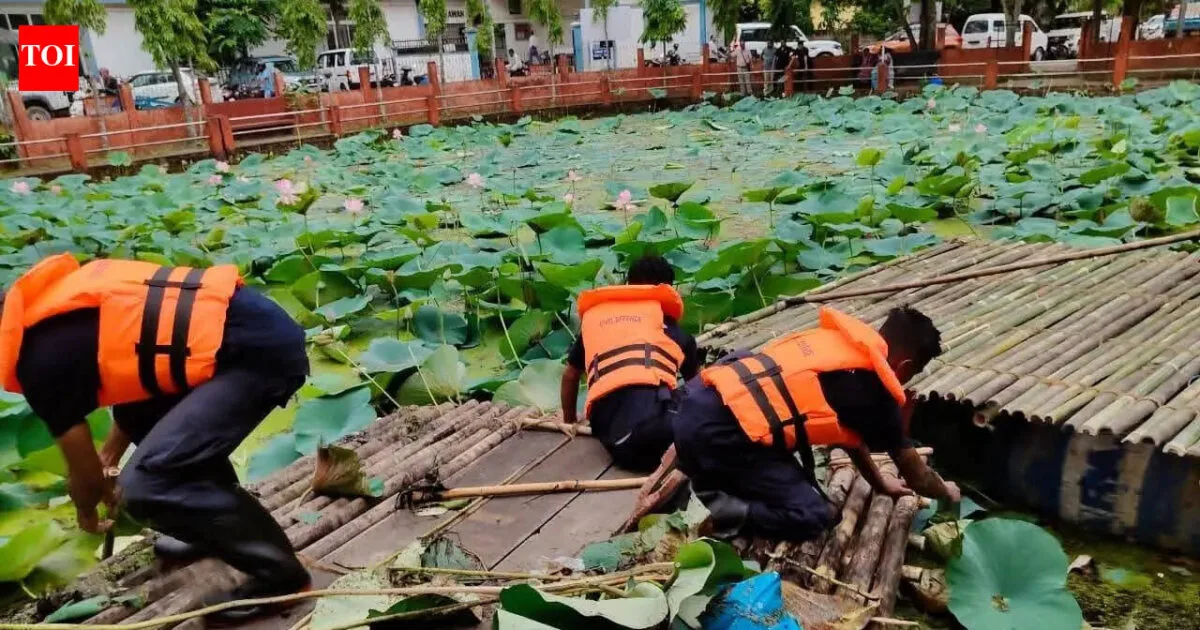
A districtwide initiative to restore and rejuvenate traditional water bodies has officially commenced in Jorhat. The launch ceremony took place at the historically significant Mitha Pukhuri, signaling the start of a focused effort to bring back the vitality of the region's numerous ponds.
Key Takeaways
The main points at a glance
- Launch Event Details
- Historical Significance of Mitha Pukhuri
- Scope and Objectives of the Drive
- Expected Ecological and Social Impact
- Next Steps and Community Involvement
Launch Event Details
A districtwide initiative to restore and rejuvenate traditional water bodies has officially commenced in Jorhat. The launch ceremony took place at the historically significant Mitha Pukhuri, signaling the start of a focused effort to bring back the vitality of the region’s numerous ponds.
Local authorities spearheaded the inauguration, emphasizing the importance of this drive as a key component of broader environmental conservation strategies within the district. The event at Mitha Pukhuri served as a symbolic starting point, highlighting the historical and cultural value of these water assets.
Historical Significance of Mitha Pukhuri
Mitha Pukhuri, meaning ‘sweet pond’ in Assamese, is not merely another water body but a landmark deeply intertwined with Jorhat’s past. Constructed during the 18th century, this historic pond stands as a testament to the region’s rich heritage and traditional water management practices.
For centuries, such ponds have served essential roles in community life, providing water for various needs and acting as natural cooling agents. Over time, many of Jorhat’s historic pukhuris have faced challenges such as pollution, encroachment, and neglect, leading to a decline in their ecological health and aesthetic appeal. The selection of Mitha Pukhuri for the launch underscores the urgent need to conserve these valuable historical and environmental resources.
Scope and Objectives of the Drive
This ambitious districtwide drive aims to systematically address the degradation of ponds across Jorhat. While the exact number of ponds targeted in the initial phase is yet to be fully detailed, the program is designed to be comprehensive.
Key activities planned include extensive desilting to remove accumulated sediment, thorough cleaning to eliminate waste and pollutants, and beautification efforts to enhance the surrounding areas. The overarching objective is to restore the ecological balance of these water bodies, improve water quality, and revive them as vibrant community spaces.
Expected Ecological and Social Impact
The restoration of these traditional water bodies is anticipated to yield significant environmental benefits. Improved water quality and increased water availability can contribute to better groundwater recharge, a crucial aspect for maintaining water tables, especially in urban settings.
Furthermore, rejuvenated ponds are expected to support a richer biodiversity, providing habitats for aquatic life and attracting migratory birds. Socially, the revitalization of these communal assets can foster a stronger sense of local pride and encourage greater community engagement with environmental stewardship. The beautification of areas around the ponds could also potentially boost local tourism and create more appealing public spaces for residents.
Next Steps and Community Involvement
Following the launch at Mitha Pukhuri, the restoration drive will progressively move to other identified ponds across the district. Local authorities are looking to collaborate with various stakeholders to ensure the long-term success and sustainability of the initiative.
Community involvement is seen as a critical factor. Residents, local organizations, and environmental groups are encouraged to participate in cleaning drives, awareness campaigns, and the upkeep of the restored ponds. While specific details on funding mechanisms and long-term maintenance plans are still being finalized, the initial launch signifies a strong commitment from the administration to prioritize the revival of Jorhat’s invaluable water heritage.
Frequently Asked Questions
Launch Event Details
A districtwide initiative to restore and rejuvenate traditional water bodies has officially commenced in Jorhat. The launch ceremony took place at the historically significant Mitha Pukhuri, signaling the start of a focused effort to bring back the vitality of the region’s numerous ponds.
Historical Significance of Mitha Pukhuri
Mitha Pukhuri, meaning ‘sweet pond’ in Assamese, is not merely another water body but a landmark deeply intertwined with Jorhat’s past. Constructed during the 18th century, this historic pond stands as a testament to the region’s rich heritage and traditional water management practices.
Scope and Objectives of the Drive
This ambitious districtwide drive aims to systematically address the degradation of ponds across Jorhat. While the exact number of ponds targeted in the initial phase is yet to be fully detailed, the program is designed to be comprehensive.
Expected Ecological and Social Impact
The restoration of these traditional water bodies is anticipated to yield significant environmental benefits. Improved water quality and increased water availability can contribute to better groundwater recharge, a crucial aspect for maintaining water tables, especially in urban settings.
Next Steps and Community Involvement
Following the launch at Mitha Pukhuri, the restoration drive will progressively move to other identified ponds across the district. Local authorities are looking to collaborate with various stakeholders to ensure the long-term success and sustainability of the initiative.