At a Glance
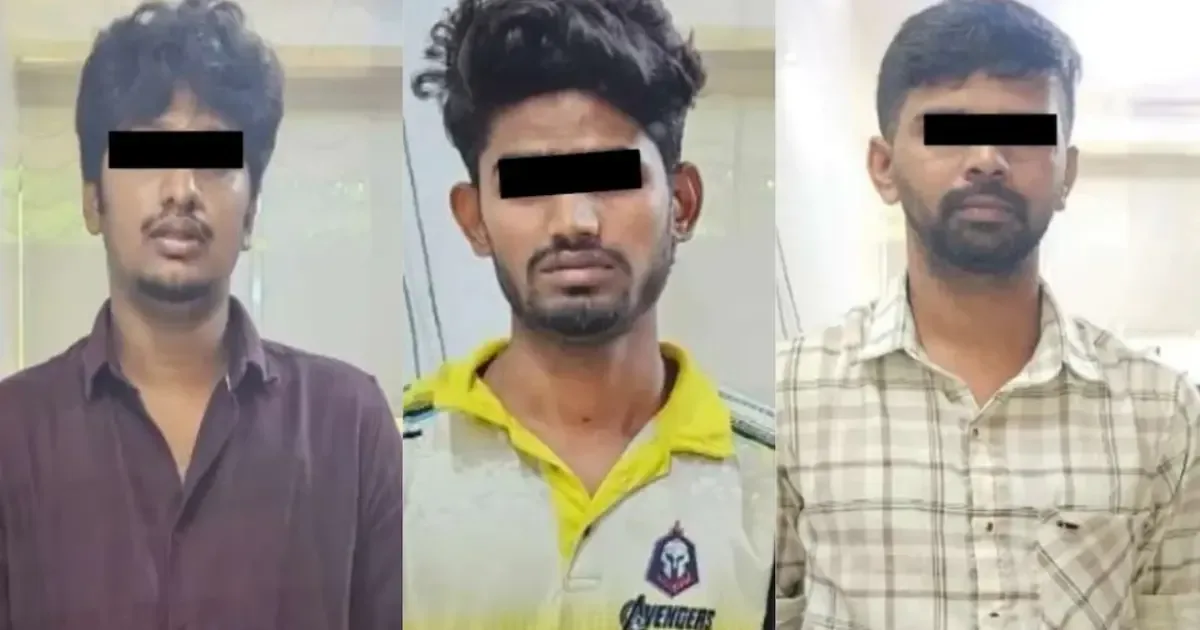
Three individuals have been arrested by Bengaluru police for creating and distributing AI-generated morphed images and videos of actor Rukmini Vasanth. Vasanth called the incident a serious violation of her privacy, and the arrests followed her formal complaint. This case highlights the growing misuse of AI technology for creating deepfakes, which can falsely depict individuals in harmful or explicit situations.
Key Takeaways
The main points at a glance
- Three people were arrested by Bengaluru Cyber Crime Police for creating and spreading AI-generated morphed images of actor Rukmini Vasanth.
- Actor Rukmini Vasanth described the incident as a serious violation of privacy and dignity, prompting her to file a complaint.
- The arrests underscore the increasing problem of deepfake technology being misused to create fake, often explicit, content of public figures.
- Police are investigating the suspects’ methods, potential network involvement, and the specific AI tools used.
- This case highlights the need for stronger laws and increased awareness regarding the creation and distribution of non-consensual deepfake content.
- The swift police action in this case serves as a warning to offenders and demonstrates the effectiveness of cyber forensic tools.
Three Arrested Over AI-Generated Morphed Images of Kantara Actor
Three individuals have been arrested by the Bengaluru City Cyber Crime Police for creating and distributing AI morphed images and videos of actor Rukmini Vasanth. Vasanth, known for her role in the popular Kannada film “Kantara,” has described the incident as a severe violation of her privacy.
The arrests followed a formal complaint filed by Vasanth. She stated that the manipulated content was deeply distressing and an infringement on her personal dignity. The police responded promptly to track down the suspects.
This case highlights a growing global issue: the misuse of artificial intelligence to generate fake and often damaging images of public figures. This technology, known as deepfake, can falsely depict individuals saying or doing things they never did. In Vasanth’s situation, the images and videos were altered to place her in inappropriate contexts.
Rukmini Vasanth Calls It a ‘Serious Violation of Privacy’
Rukmini Vasanth expressed her distress, stating, “This is a serious violation of privacy. No one should have to go through this. I hope this sends a strong message that such actions will not be tolerated.”
Vasanth did not remain silent, speaking out publicly about the deepfake content and calling it a violation of her fundamental rights. Her statement gained attention from various news outlets.
“What happened to me is not just about me. It could happen to anyone,” Vasanth said. “We need stronger laws and better awareness. People need to understand that creating and sharing such content is a crime.”
Her words resonate as many women in the public sphere have faced similar harassment. Fake images can harm reputations, cause emotional distress, and lead to threats. Vasanth’s decision to file a complaint and speak openly is seen as a courageous act.
She also conveyed her gratitude to the police for their swift action. “I am grateful to the Bengaluru Cyber Crime Police. They took my complaint seriously and acted fast. I hope others who face such abuse will also come forward,” she added.
Her case has prompted online discussions about digital safety, with many fans and colleagues offering support and calling for stricter penalties for those involved in creating and distributing deepfake pornography.
Details of the Complaint and Police Action
Vasanth became aware that fake images and videos of her were circulating on social media and messaging platforms. The content had been manipulated using AI to depict her in explicit scenes.
She promptly filed a complaint with the Bengaluru City Cyber Crime Police. A case was registered under relevant sections of the Indian Penal Code and the Information Technology Act, addressing offenses like criminal intimidation, defamation, and publishing obscene material.
The police initiated a digital investigation, tracing the origin of the content through IP addresses and online identities. Within days, three individuals were arrested, and authorities indicated that further arrests might occur as the investigation progresses.
The arrested individuals are currently in custody and undergoing questioning. Police are working to determine if they created the content themselves or obtained it from elsewhere, and if they have targeted other celebrities.
This incident serves as a clear example of law enforcement utilizing cyber forensic tools to apprehend offenders. The Bengaluru police’s dedicated cyber crime unit has a history of handling similar complaints effectively.
The Growing Problem of Deepfake Harassment
Deepfake technology, which uses AI to realistically superimpose one person’s face onto another’s body in videos or images, has become more prevalent and convincing.
Celebrities are frequent targets due to the abundance of their images and videos available online, making it easier for malicious actors to create fake content.
In India, several actresses have been victims of similar attacks. The problem is not confined to India, with international stars also facing deepfake harassment.
The rapid availability of AI tools, many of which are accessible online with minimal effort, has lowered the barrier for creating deepfakes, leading to increased misuse.
Social media platforms face challenges in detecting and removing deepfake content quickly, as it can be uploaded and shared rapidly, with copies often persisting across different sites.
Experts emphasize the importance of education and awareness regarding the illegality and unethical nature of creating or sharing non-consensual deepfake content. Victims are advised to report such incidents immediately to platforms and law enforcement.
Investigation and Legal Ramifications
The ongoing investigation is examining the source of the AI tools, the extent of the suspects’ involvement (individually or as part of a group), and any financial motives.
The arrested individuals may face charges under the Information Technology Act, including Section 66E (violation of privacy) and Section 67 (publishing obscene material electronically), as well as relevant sections of the Indian Penal Code.
While India has introduced legislation like the Digital Personal Data Protection Act, there is a recognized need for a specific law addressing non-consensual deepfake content.
Karnataka’s cyber crime police, equipped with digital forensics expertise, played a crucial role in the swift resolution of this case.
The legal framework in India is evolving to address AI-related crimes, with courts acknowledging the seriousness of deepfake offenses. However, penalties may need strengthening to serve as a more effective deterrent.
Rukmini Vasanth’s case, coupled with the police’s prompt action, could set a precedent for handling such incidents and testing the efficacy of existing laws against AI-driven crimes.
Protecting Yourself from AI Harassment
To safeguard against similar AI harassment, individuals are advised to be cautious about the personal content shared online and to adjust social media privacy settings.
If fake content is discovered, it should not be shared further. Instead, evidence should be collected, and the content reported to the platform and the police via channels like the National Cyber Crime Reporting Portal.
Understanding deepfakes and recognizing potential signs, such as unnatural visual elements, can aid in identification, although advanced deepfakes can be difficult to detect.
Supporting legislative efforts for stronger laws against AI-generated harassment is also encouraged. Public figures speaking out, like Vasanth, can drive policy changes.
The fight against deepfake abuse affects everyone, not just celebrities. Awareness of the risks associated with increasingly accessible AI tools is crucial for online safety.
Vasanth’s case underscores the possibility of achieving justice in the digital realm, demonstrating that law enforcement can apprehend offenders with the right resources and determination. However, preventative measures remain paramount.
The investigation is ongoing, with the possibility of further arrests and collaboration with social media platforms to remove the illicit content. Vasanth has received widespread support, with many hoping her stance will empower other victims to come forward.
As AI technology advances, blurring the lines between real and fake, legal frameworks continue to protect individual privacy. This case highlights that truth can prevail even in the age of deepfakes.
Frequently Asked Questions
What happened to Kantara actor Rukmini Vasanth?
AI-generated morphed images and videos of Rukmini Vasanth were created and spread online. These manipulated visuals depicted her in objectionable situations, which she has called a serious violation of her privacy and dignity.
Who was arrested in connection with the AI morphed images?
Three individuals have been arrested by the Bengaluru City Cyber Crime Police. They are suspected of creating and distributing the AI-generated fake content of the actor.
What is deepfake technology?
Deepfake technology uses artificial intelligence to create realistic-looking fake videos or images. It can superimpose one person's face onto another's body, making it appear as though the person is saying or doing something they never did.
References
- Kantara Actor Rukmini Vasanth Files Complaint Over Morphed Images, 3 Arrested – Original report (NDTV India)
- Kantara Actor Rukmini Vasanth Files Complaint Over Morphed Images, 3 Arrested – NDTV – Duplicate source (Google News AMP) providing same core facts; no additional detail available.
- This is a serious violation of privacy: Rukmini Vasanth on deepfake – The Times of India – Provides Rukmini Vasanth's direct quote calling the deepfake incident a 'serious violation of privacy'.
- Pak Woman Gets Rejected From Job Interview After "Unreliable AI Detector" Flags Her Original Work – NDTV – Unrelated story about AI detector bias; not used for this article.
- Mindtree Co-Founder Calls Re 1 Salary His "Life's Biggest Wealth" – NDTV – Unrelated story about Mindtree co-founder; not used for this article.
- Gurugram Man Survives Fall After Bungee Jumping Goes Wrong In Rishikesh – NDTV – NDTV