
At a Glance
Keep your milk fresh during hot weather by understanding how heat accelerates spoilage. Prioritize immediate refrigeration after purchase, store milk on inner shelves rather than the door, and consider shelf-stable options like Tetra Pak or UHT milk for added convenience and safety.
Key Takeaways
The main points at a glance
- Refrigerate milk immediately after purchase, especially in hot weather, as bacteria multiply rapidly at room temperature.
- Store milk on inner refrigerator shelves, preferably towards the back, as the door is the warmest part.
- Consider shelf-stable options like Tetra Pak or UHT milk for unrefrigerated storage until opened.
- Avoid common mistakes like leaving milk out, storing it in the door, or not checking fridge temperature.
- Check milk for spoilage by smell, appearance, and taste; when in doubt, discard it.
Why Milk Spoils Faster in Hot Weather
On a sweltering summer day, the last thing you want is your milk to spoil before you’ve had your morning cereal. With a few smart milk storage hot weather habits, you can keep it fresh and safe.
Milk is a delicate product, full of nutrients that bacteria love. When temperatures rise, bacteria grow faster, causing milk to spoil more quickly. The key is to slow down that bacterial growth.
Think of milk as needing a cool, stable home. The fridge is that home, but not all parts are equal. The door is the warmest spot, while the back of the bottom shelf is the coldest. Knowing where to put your milk can make a big difference.
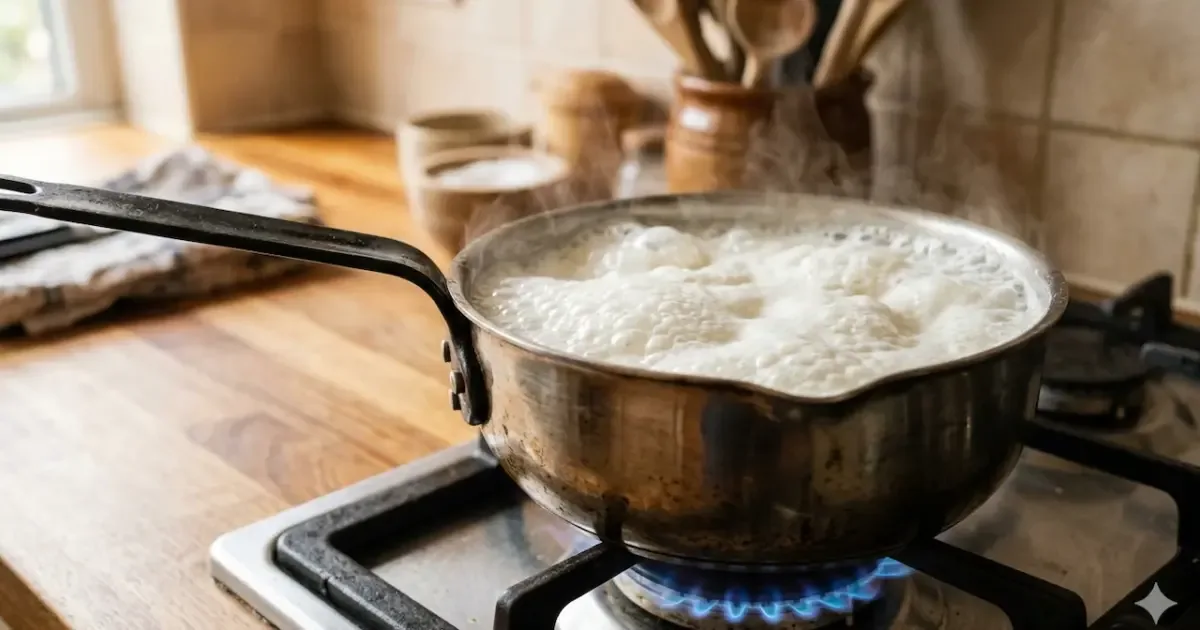
In many parts of the world, people keep milk fresh without a fridge by boiling it first to kill bacteria, then storing it in a cool place. This tradition works well where electricity is unreliable. However, for most people, a good refrigerator remains the simplest and most reliable method.
Heat is the enemy of freshness. Every time the fridge door opens, warm air enters, raising the internal temperature. If your milk is in the door, it experiences every fluctuation, which is why placement matters so much.
The Golden Rule: Refrigerate Immediately
This simple rule is powerful. As soon as you buy milk, get it into the fridge. Do not leave it in the car or on the counter while unpacking groceries. Every minute at room temperature allows bacteria to multiply.
Food safety experts recommend refrigerating milk within two hours of purchase. In hot weather, this window shrinks to just one hour. If the outside temperature is above 32 degrees Celsius (90 degrees Fahrenheit), you need to act even faster.
When you bring milk home, put it in the fridge right away. Make it the first thing you store. This habit alone can add days to your milk’s life.
During your grocery trip, keep milk in a cooler bag or the coldest part of your car. If walking home in the heat, use an insulated bag. Every effort helps.
Refrigeration stops the clock on spoilage. The ideal fridge temperature for milk is between 1 and 4 degrees Celsius (34 to 40 degrees Fahrenheit). Use a thermometer to check your fridge’s temperature, as many are warmer than they should be.
Once milk is in the fridge, keep it there. Avoid repeatedly taking it out and putting it back. Each warming cycle gives bacteria a chance to grow. Plan ahead and take out only what you need.
Placement Matters: Inner Shelves Over Door Storage
Many people store milk in the refrigerator door out of convenience, but it is the worst place for it.
The door is the warmest part of the fridge and is exposed to warm room air every time it’s opened. Temperature swings here can shorten milk’s life.
Instead, store milk on an inner shelf, preferably the middle or lower ones. The back of the shelf is colder than the front, so push the milk toward the back, but not so far that it touches the back wall, which could freeze it.
Bacteria grow fastest between 4 and 60 degrees Celsius (40 to 140 degrees Fahrenheit), known as the danger zone. Milk in the door can spend more time in this zone, leading to faster spoilage.
Studies show milk stored on the middle shelf stays fresh up to three days longer than milk stored in the door. This simple change makes a big difference.
If your fridge has a dedicated dairy or milk compartment on a shelf, use it. These are designed for steady milk temperature.
Keep milk away from strong-smelling foods like onions or fish, as it can absorb odors. Store milk in its original container to protect it from smells.
Do not overfill the fridge. Air needs to circulate to keep everything cold. Leave space around the milk carton for proper cooling.
Close the fridge door quickly after opening. Every second it’s open raises the internal temperature. Teach your family to be efficient when retrieving items.
Beyond the Fridge: Tetra Pak and Other Shelf-Stable Options
For situations without a reliable fridge or when refrigeration is unavailable, Tetra Pak and other shelf-stable milk products are excellent options.
Tetra Pak uses aseptic technology, heating milk briefly to a high temperature and sealing it in a sterile container. This process kills bacteria and prevents new ones from entering, allowing the milk to stay fresh for months without refrigeration.
This is ideal for hot climates or areas with unreliable electricity. Tetra Pak milk can be stored in a cupboard until opened, eliminating the need for a cold chain.
Once opened, Tetra Pak milk must be refrigerated and consumed within a few days, similar to fresh milk. But its unopened shelf life is a significant advantage for emergencies, power outages, or travel.
UHT (ultra-high temperature) milk is another option. Heated to about 135 degrees Celsius (275 degrees Fahrenheit) for a few seconds, it kills most microbes and can also be stored without refrigeration until opened.
While some prefer the taste of fresh milk, UHT and Tetra Pak milk offer safety and convenience. Some may notice a slightly cooked flavor, but their long shelf life is a major benefit.
Powdered milk, with water removed, can be stored for years in a cool, dry place. It’s great for baking, cooking, or travel, and is reconstituted by adding water.
Many cultures, like in India, boil fresh milk upon purchase to kill bacteria and extend its life before refrigerating. This extra step adds safety.
Boiling milk involves heating it until it bubbles, then letting it cool. Stirring prevents a skin from forming. Once cool, transfer it to a clean container and refrigerate.
Tetra Pak packaging, made from paper, plastic, and aluminum, is recyclable in many areas. Refrigerated milk distribution requires more energy for the cold chain. Shelf-stable milk uses less energy for transport but its packaging can be harder to recycle.
The best choice depends on your situation. If you have a reliable fridge and buy milk often, fresh milk is fine. For areas with frequent power cuts or hot climates, Tetra Pak or UHT milk offers a smart backup.
Common Mistakes That Shorten Milk’s Life
Even with good intentions, common mistakes can shorten milk’s shelf life. Food safety experts highlight these frequent errors.
Mistake one: Leaving milk out on the counter. Pouring a glass and getting distracted can lead to milk sitting out for an hour, shortening its shelf life significantly. Put the carton back in the fridge immediately after pouring.
Mistake two: Storing milk in the door. As mentioned, this is the warmest spot. Move your milk to a shelf.
Mistake three: Keeping milk past its sell-by date without checking. While not a strict safety deadline, milk can go bad after this date. Use your senses: if it smells or looks off, do not drink it.
Mistake four: Not cleaning the fridge regularly. Spills and drips harbor bacteria. Clean your fridge every few weeks with warm, soapy water, paying attention to milk storage areas.
Mistake five: Transferring milk to a different container. The original carton or bottle is designed for protection and sealing. Using a new container can introduce bacteria and may not seal as well.
Mistake six: Letting milk get too cold and freeze. While freezing is okay for long-term storage, it changes texture and can cause separation. Use frozen milk for cooking, not drinking. Leave room in the container for expansion.
Mistake seven: Ignoring fridge temperature. Many people don’t check their fridge’s temperature. Use a thermometer to ensure it stays between 1 and 4 degrees Celsius (34 to 40 degrees Fahrenheit).
Mistake eight: Overstocking the fridge. A packed fridge hinders air circulation, creating warm spots where milk can spoil faster. Aim for about three-quarters full.
Mistake nine: Not covering milk properly. An improperly sealed carton can absorb odors and flavors from other foods. Always reseal tightly or use a clean, covered container.
Mistake ten: Buying too much milk at once. In hot weather, buy only what you’ll use in a few days. If buying in bulk, freeze portions for later.
Avoiding these mistakes requires awareness and forming good habits, which quickly become automatic.
Bonus Tip: How to Tell If Milk Has Gone Bad
Even with perfect storage, milk eventually spoils. Here’s how to check if your milk is still good.
First, smell it. Fresh milk has a mild, clean scent. Sour milk smells sharp and unpleasant. If it smells off, do not drink or taste it.
Second, look at it. Fresh milk is smooth and white. Lumps, curds, or watery separation indicate spoilage. A thin layer of cream is normal and can be shaken, but chunky texture means it’s bad.
Third, check the date. The sell-by date is a guide. If it’s passed by more than a few days, be cautious. If it smells and looks fine, it’s likely safe, but when in doubt, discard it.
Fourth, do the pour test. Pour a small amount into a clear glass. Look for separation or clumps. If it pours smoothly, it’s likely okay.
Fifth, trust your taste. After checking smell and appearance, take a tiny sip. If it tastes sour or strange, do not drink more and discard the rest.
Spoiled milk can cause food poisoning, so it’s not worth the risk. When in doubt, throw it out.
Do not rely solely on the sniff test for milk that’s been in the fridge a long time. Some bacteria grow without a strong smell. If milk is a week past its date, it’s safer to discard it even if it smells okay.
In hot weather, milk spoils faster. Check it more often. If opened milk smells fine, use it quickly and don’t let it sit in the fridge for days.
Unopened Tetra Pak or UHT milk lasts for months. Once opened, refrigerate and use within a few days. Mark the opening date on the package.
Powdered milk has a long shelf life. Once mixed with water, it becomes fresh milk and must be refrigerated and used within a few days.
Safe milk storage in hot weather involves keeping it cold, in the right spot, and using it promptly. Following these tips will keep milk fresh longer, reduce waste, save money, and ensure you always have cold milk available.
Frequently Asked Questions
Why does milk spoil faster in hot weather?
Milk spoils faster in hot weather because higher temperatures accelerate the growth of bacteria naturally present in milk. These bacteria consume the milk's nutrients and produce waste products that cause spoilage, leading to sour taste and smell.
What is the best place to store milk in the refrigerator?
The best place to store milk is on an inner shelf, ideally towards the back of the middle or lower shelves. This area maintains the coldest and most stable temperature, unlike the refrigerator door which experiences frequent temperature fluctuations.
How quickly should I refrigerate milk after buying it?
You should refrigerate milk as soon as possible after purchasing it. Food safety experts recommend refrigerating it within two hours, but in hot weather (above 32°C or 90°F), this window shrinks to just one hour.
What are shelf-stable milk options?
Shelf-stable milk options include UHT (ultra-high temperature) milk and milk packaged in Tetra Pak containers. These products are treated to kill bacteria and can be stored at room temperature for months until opened, after which they require refrigeration.
How can I tell if milk has gone bad?
You can tell if milk has gone bad by its smell (sour or unpleasant), appearance (lumps, curds, or significant separation), and taste (sour or off). If you are unsure, it's best to discard it to avoid foodborne illness.
Is it okay to store milk in the refrigerator door?
It is not recommended to store milk in the refrigerator door. The door is the warmest part of the fridge and its temperature fluctuates significantly each time it's opened, which can speed up milk spoilage.
References
- Simple Ways To Store Milk Safely During Hot Weather – Original report (NDTV Health)
- I Went To Jhol Bangkok's Exclusive Gurugram Pop-Up And It Was A Seven-Course Journey Worth Taking – NDTV Food – NDTV Food
- Kolkata's Sienna Takes Top Honour For Modern Indian Cuisine At NDTV Food Awards 2026 – NDTV Food – NDTV Food
- How Tetra Pak Keeps Milk Fresh for Months Without a Fridge – The Better India – Explains how Tetra Pak aseptic packaging allows milk to remain fresh for months without refrigeration, an innovation relevant to hot climates.
- This Is the Best Way to Store Milk So It Lasts Longer – Real Simple – Likely provides actionable tips for milk storage, but full text was not available for analysis.
- How Chabeel, A Punjabi Drink, Offers Refreshing Relief During North India Summer – NDTV Food – NDTV Food