
At a Glance
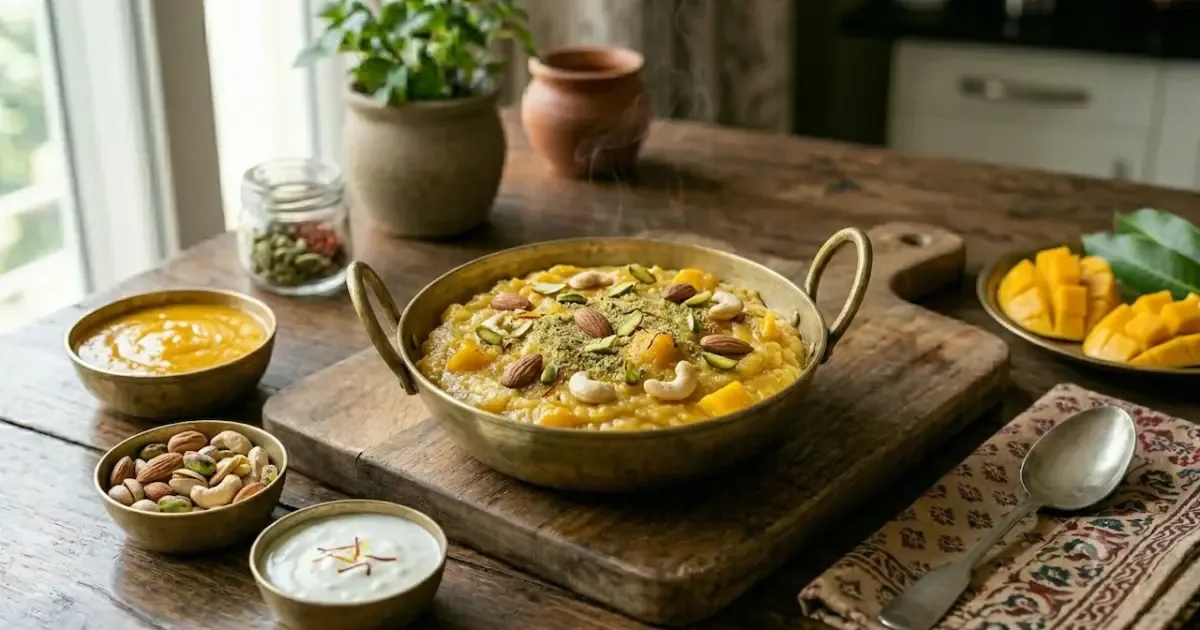
Elevate your classic sheera recipe this summer by adding fresh mango. This simple twist transforms the traditional Indian dessert into a light, fruity, and refreshing treat perfect for warm weather. Learn how to incorporate mango puree or chunks into your cooked sheera base, along with tips to avoid common mistakes and creative variations to make it your own.
Key Takeaways
The main points at a glance
- Mango adds a refreshing, fruity twist to the classic, rich sheera dessert, making it ideal for summer.
- The key is to add mango (puree or chunks) after the sheera is cooked to preserve its fresh flavor and texture.
- Choose ripe but firm mangoes and roast semolina properly for a lump-free, flavorful base.
- Adjust sugar and liquid content based on the sweetness and moisture of the mango used.
- Mango sheera can be served warm, chilled, or with various toppings for different occasions.
- Avoid common mistakes like adding mango too early, using overripe fruit, or over-stirring.
Transforming Classic Sheera into a Summer Delight with Mango
Sheera, also known as sooji halwa, is a beloved Indian dessert, often associated with comfort, rainy days, and festive occasions. Typically enjoyed warm and fragrant with cardamom and ghee, it’s a rich and satisfying treat. However, summer calls for lighter, fruitier flavors, and ripe mangoes, the undisputed king of fruits, are the perfect addition to give this classic dessert a vibrant, seasonal twist. This easy mango sheera recipe transforms a comforting dish into a refreshing summer favorite.
The concept is simple: take the familiar sheera base and infuse it with the natural sweetness and creamy texture of mango. The result is a dessert that feels both nostalgic and excitingly new. The richness of the sheera beautifully complements the tangy sweetness of the mango, creating a visually appealing dish with warm golden hues and bright mango pieces or swirls.
This delightful variation doesn’t require special equipment or hard-to-find ingredients. All you need is a good quality mango and your standard sheera recipe. It’s a simple yet effective way to elevate a traditional dessert for the warmer months, and it might just become your go-to summer indulgence.
Understanding the Classic Sheera Base
Before diving into the mango twist, it’s helpful to understand the foundation of sheera. Made from semolina (coarse wheat flour), sheera is a staple in Indian households, often served for breakfast or as a sweet offering during religious ceremonies. Its basic recipe is forgiving and easy to master.
The essential ingredients are semolina, ghee (clarified butter), sugar, and liquid (water or milk), flavored with cardamom powder. Optional additions include a pinch of salt to balance sweetness and nuts like cashews or almonds for texture. The cooking process involves roasting the semolina in ghee until golden and nutty, then gradually adding hot liquid while stirring to prevent lumps. Sugar is added once the liquid is absorbed, and the mixture is cooked until it thickens.
Traditionally served warm, sheera is dense and comforting. However, its richness can feel heavy in summer. Adding mango lightens the dish and introduces a burst of freshness, making it ideal for warmer weather. If you’re new to making sheera, focus on roasting the semolina well and adding the liquid off the heat to avoid lumps. Once you’ve mastered the base, experimenting with flavors like mango becomes effortless.
Creating the Perfect Mango Sheera: Step-by-Step
Adding mango to sheera can be done in two primary ways, each offering a slightly different texture and flavor profile. The key is to add the mango after the sheera is cooked to preserve its fresh taste and texture.
Method 1: Using Mango Puree
This method results in a smooth, uniformly colored mango sheera with an intense mango flavor throughout. Prepare the classic sheera base as usual. Once cooked and slightly cooled, stir in fresh mango puree. A good ratio is about half a cup of puree for every cup of semolina used. Mix gently until fully incorporated. The sheera will take on a beautiful golden-orange hue and may become slightly looser, but it will firm up as it cools.
Method 2: Using Diced Mango Chunks
For a more rustic texture with distinct fruit pieces, use diced ripe mango. Prepare the sheera and let it cool slightly. Then, gently fold in diced firm, ripe mangoes. Aim for about one cup of diced mango per cup of semolina. Fold carefully to keep the mango pieces intact. The residual heat from the sheera will slightly warm the mango, softening it without making it mushy.
Choosing Your Method
If you prefer an elegant, pudding-like dessert, the puree method is ideal. For a more textured, rustic experience, opt for chunks. You can also combine both methods: use a little puree for color and flavor, then fold in chunks for added texture.
Tips for Achieving Delicious Mango Sheera
Follow these tips to ensure your mango sheera is perfect every time:
- Select the Right Mango: Use ripe but firm mangoes. Alphonso or Kesar varieties are excellent choices for their sweetness and flavor. Avoid overly soft or fibrous mangoes.
- Roast Semolina Properly: Roast semolina in ghee over low to medium heat until light golden and fragrant (about 3-4 minutes). This is crucial for a lump-free texture and nutty flavor.
- Use Hot Liquid: Always add hot water or milk to the roasted semolina to prevent lumps.
- Stir Continuously: Pour the hot liquid slowly while stirring vigorously.
- Add Mango Last: Incorporate mango (puree or chunks) only after the sheera is cooked and removed from heat.
- Adjust Sweetness: Mangoes are naturally sweet. Taste your mango and consider reducing the sugar in the sheera recipe accordingly.
- Manage Moisture: If using mango puree, reduce the amount of water or milk in the sheera recipe to maintain the desired consistency.
Serving Mango Sheera
Mango sheera is incredibly versatile and can be enjoyed in various ways:
- Warm: Serve warm for a comforting dessert that highlights the aromas of ghee and cardamom, balanced by the fresh mango notes.
- Chilled: Chill the sheera for a refreshing summer treat. It firms up and becomes sliceable, akin to a pudding or mousse.
- With Toppings: Garnish with chopped nuts like cashews, almonds, or pistachios for added crunch and visual appeal.
- Indulgent Additions: Serve with a dollop of fresh cream or a scoop of vanilla ice cream for an extra decadent experience.
- Layered Presentation: For parties, layer mango sheera with whipped cream or yogurt and fresh mango cubes in glasses for an impressive presentation.
Common Mistakes to Avoid
Be mindful of these common errors when making fruit-infused sheera:
- Adding Fruit Too Early: Cooking mango with the sheera causes it to break down and release water, making the dessert runny and diluting the mango flavor.
- Using Overripe Mango: Mushy, overripe mangoes can turn the sheera into an undesirable pulp. Opt for ripe but firm fruit.
- Not Adjusting Liquid: Mango puree adds moisture. Failing to reduce the liquid in the sheera can result in a too-loose consistency.
- Over-Stirring: Gently fold in mango to avoid breaking the fruit pieces and altering the sheera’s texture.
- Skipping Cardamom: Cardamom is essential for the classic sheera flavor and pairs wonderfully with mango.
- Serving Too Hot: Let the mango sheera cool slightly so the mango flavor can fully come through. Room temperature or slightly warm is ideal.
Creative Variations
The mango sheera recipe is a fantastic base for further culinary creativity:
- Alphonso vs. Kesar: Both offer unique sweetness. Alphonso is creamier, while Kesar has a honey-like flavor. Puree and strain Kesar if it’s fibrous.
- Mango Saffron Sheera: Add saffron soaked in warm milk to the mango puree for a luxurious color and aroma.
- Mango Coconut Sheera: Replace some water with coconut milk and add mango puree for a tropical twist. Top with toasted coconut flakes.
- Other Fruits: Adapt the method for other seasonal fruits like pineapple, berries, apples, or pears. Adjust sugar and cooking times as needed for each fruit.
The beauty of this recipe lies in its flexibility. It’s a blank canvas ready for your personal touch, allowing you to use seasonal fruits and adjust sweetness and texture to your preference. This summer, give your classic sheera a vibrant mango makeover and enjoy a dessert that’s both comforting and refreshingly new.
Frequently Asked Questions
Can I use any type of mango for mango sheera?
It's best to use ripe but firm mangoes. Varieties like Alphonso or Kesar are excellent choices due to their sweetness and flavor. Avoid mangoes that are overly soft or fibrous, as they can make the sheera mushy or difficult to eat.
When should I add the mango to the sheera?
Always add the mango after the sheera has been fully cooked and removed from the heat. Adding it during cooking can cause the fruit to break down, release excess water, and dilute the mango flavor.
How do I prevent lumps in my sheera?
Lump-free sheera is achieved by roasting the semolina well in ghee until fragrant and golden, and then gradually adding hot liquid while stirring continuously. Using a whisk can also help.
Should I adjust the sugar when making mango sheera?
Yes, it's recommended to taste your mango first. Since mangoes are naturally sweet, you may need to reduce the amount of sugar in your sheera recipe to achieve the perfect balance.
Can I make mango sheera ahead of time?
Yes, mango sheera can be made ahead. It can be served warm, at room temperature, or chilled. Chilling it will make it firmer, similar to a pudding or mousse, which is very refreshing on a hot day.
What's the difference between using mango puree and mango chunks?
Using mango puree results in a smooth, uniformly flavored sheera with a pudding-like consistency. Using diced mango chunks provides bursts of fruit in every bite, offering a more rustic texture.
Can I use frozen mango for mango sheera?
While fresh mango is preferred for the best flavor and texture, you can use frozen mango. Thaw it completely and drain any excess liquid before pureeing or dicing. Be aware that frozen mango might release more moisture.
References
- Turn Classic Sheera Into A Summer Favourite With Mango – Original report (NDTV Health)
- Indian Aisle in Canada' Brought India's Premium Craft To International Retail Spaces – NDTV Food – This article is about Indian food products in Canada and is unrelated to mango sheera.
- Alphonso meets paniyaram? Nine creative ways, restaurants in Chennai are serving their mangoes this season – IndulgExpress – This article lists creative mango dishes in Chennai restaurants but does not mention sheera.
- Bryan Adams Enjoys Vada Pav In Mumbai, Says It's The 'Most Delicious Vegan Street Dish' – NDTV Food – This article covers Bryan Adams eating vada pav and is unrelated to mango sheera.
- 11 Times Indian Food Shone Globally In 2024: A Year In Review – NDTV Food – This is a year-in-review article about Indian food globally and does not relate to mango sheera.
- Amazon Great Indian Festival Sale: 5 Best Deals On Rice Cookers That You Shouldn't Miss – NDTV Food – NDTV Food