At a Glance
In a world saturated with visually appealing food content on social media, the NDTV Food Awards aim to cut through the clutter and identify genuine culinary talent. Led by industry experts, these awards prioritize skill, taste, and tradition over follower counts and online popularity, offering a much-needed filter for consumers and a platform for deserving chefs and home cooks.
Key Takeaways
The main points at a glance
- Social media platforms like Instagram often blur the line between skilled content creators and true culinary talent, prioritizing visuals over expertise.
- Expert-led awards, such as the NDTV Food Awards, are crucial for providing credible recognition based on taste, technique, and tradition.
- These awards aim to discover and celebrate hidden culinary heroes, including home cooks, small restaurant chefs, and traditional cuisine preservers, who might be overlooked in the digital noise.
- By setting a standard, these awards can help raise the overall quality and innovation within the food industry and guide consumers towards authentic culinary experiences.
- Potential challenges include the risk of awards becoming marketing tools, the subjectivity of judging, and the need for ongoing support beyond the ceremony.
- The success of the NDTV Food Awards will depend on a transparent and robust judging process that genuinely identifies and honors deserving culinary talent.
The Instagram Food Boom: A Blessing or a Clutter?
You open Instagram and scroll through a parade of beautiful food photos. From dripping burgers to perfectly styled ramen bowls, your feed is full of delicious-looking dishes. Chefs and home cooks alike share their creations, making you hungry with every post.
But how many of these creators are truly talented chefs, and how many are just skilled photographers? Social media, especially Instagram, has given a platform to food lovers everywhere, but it has also created a significant clutter. This makes it difficult to spot genuine culinary talent.
A chef with twenty years of experience perfecting a dish might have only a few hundred followers. Meanwhile, someone who plates a home-cooked meal on a trendy surface and uses the right hashtags can gain thousands of likes overnight. The algorithm often prioritizes visuals and engagement over years of training or authentic recipes.
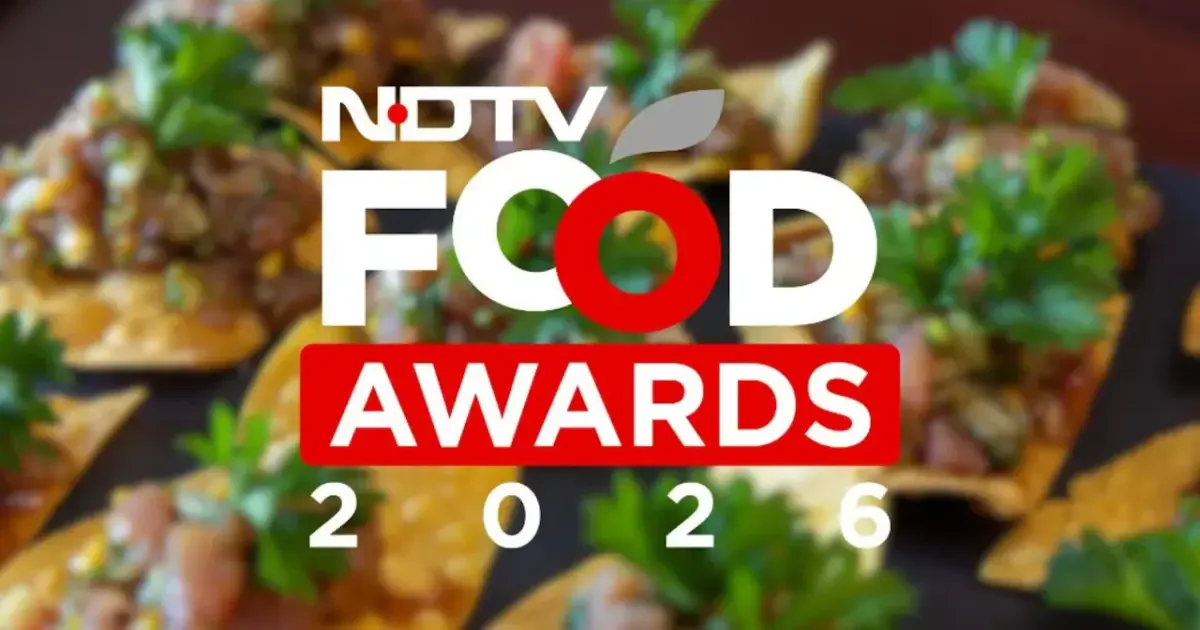
This is where the NDTV Food Awards aim to make a difference. These awards are designed to cut through the digital noise and identify real culinary heroes. The focus is on actual skill and ability, not just follower counts or online popularity.
The awards are led by seasoned experts from the food industry, including experienced chefs and food writers. Their discerning palates and deep knowledge ensure that recognition is based on taste, technique, and tradition, not just on filters or follower numbers. This expert-led approach brings much-needed credibility in a world where anyone can claim to be a foodie.
The timing for these awards is opportune, as India’s food industry is rapidly evolving. With new restaurants opening weekly, booming food delivery services, and home chefs gaining prominence, the market is vibrant but noisy. A trusted award can act as a vital signpost for consumers, guiding them towards genuine quality and value.
Why Expert-Led Culinary Talent Recognition Matters
Social media has undeniably benefited the food world, bringing fame to small kitchens, new customers to street food vendors, and global audiences to regional cuisines. However, the lack of a quality filter is a significant issue.
Algorithms reward popularity, not necessarily skill, leading to a system where marketing prowess can overshadow culinary expertise. This is detrimental to the industry and confusing for consumers.
Consider who you would trust to learn a perfect dosa: an influencer with millions of followers or a grandmother with sixty years of experience? While the answer seems clear, social media often makes the influencer more visible than the seasoned home cook.
The NDTV Food Awards intend to highlight these often-invisible talents, such as the dedicated home cook or the chef in a modest restaurant. By using expert judgment as a filter, the awards prioritize food quality over online presentation.
These awards are more than just trophies; they are about setting a standard. A credible award signals to the industry who is worth watching and to customers what is worth trying. This helps build careers, preserve culinary traditions, and elevate the entire food scene.
How the NDTV Food Awards Plan to Stand Out
India has numerous food awards, but the NDTV Food Awards aim to differentiate themselves by focusing on cutting through digital noise and celebrating overlooked talent.
Unlike awards that often recognize the same established names, these aim to discover heroes who may not have extensive PR teams or widespread fame. This includes chefs from small dhabas, home bakers, and local caterers.
Achieving this requires a robust judging process. Experts must go beyond social media metrics, visiting kitchens and tasting food to understand the true quality and story behind each dish. This intensive approach is crucial for identifying genuine culinary talent.
A key challenge is comparing diverse culinary contributions, from street food vendors to fine-dining chefs. The awards must establish clear categories that allow different types of talent to be recognized fairly within their respective domains.
Transparency in the judging process is also vital for building trust. Clearly outlining who the judges are, their qualifications, and how winners are selected will be essential for the awards’ credibility.
What Defines a Culinary Hero?
The NDTV Food Awards are looking for individuals who embody true culinary heroism. These heroes can be found in various roles within the food ecosystem.
One type is the guardian of tradition, the chef who diligently preserves India’s diverse regional cuisines against the tide of convenience and modernization. They are the keepers of our food heritage.
Another is the innovator, who creatively reinterprets traditional dishes for contemporary palates, perhaps by using indigenous ingredients like millets or jaggery, thereby pushing Indian cuisine forward.
The home cook also represents a vital category. Often learning from family and cooking with instinct and love, their skills are fundamental to Indian food culture, proving that culinary excellence isn’t confined to professional kitchens.
Entrepreneurs who transform their passion for food into successful businesses, whether through cloud kitchens or pop-ups, also deserve recognition for their risk-taking and community impact.
Finally, the awards could also acknowledge farmers and producers, the foundational heroes whose work in cultivating ingredients is essential to the entire food chain, perhaps by recognizing sustainable farming practices or unique produce.
The Impact on the Food Industry
When executed effectively, these awards can significantly benefit the Indian food industry.
For emerging chefs and home cooks, an award can be transformative, providing crucial visibility, attracting customers, generating media attention, and opening doors to new opportunities, potentially turning a small business owner into a local celebrity.
On an industry-wide level, such accolades can elevate standards. The pursuit of winning encourages chefs to strive for greater excellence, innovation, and quality, fostering a culture of achievement over mere hype.
For consumers, these awards serve as a reliable guide in a saturated market, helping them discover talented individuals and establishments they might otherwise miss, benefiting both diners and businesses.
Furthermore, food awards can shape national conversations around important issues like food waste, sustainability, and nutrition, while celebrating culinary diversity and bringing attention to often-overlooked cuisines.
Are Such Awards Enough? A Critical Look
It is important to acknowledge that awards are not a perfect solution and come with inherent challenges.
A significant risk is that awards can become co-opted by marketing machines. Well-funded restaurants with PR agencies might unduly influence the process, potentially overshadowing less-resourced talents and replicating the very clutter the awards aim to combat.
The subjective nature of food means that not everyone can win, and deserving individuals might be overlooked. Awards must handle this by celebrating all nominees and ensuring the judging process is as fair and transparent as possible.
The impact of an award can be fleeting if not followed by ongoing support. To be truly effective, awards might need to extend beyond the ceremony, offering mentorship, grants, or networking opportunities to help winners build their careers.
Predictability is another concern; if the same types of winners emerge year after year, interest may wane. Awards must remain dynamic, continuously seeking new talent and adapting to the evolving food landscape.
Despite these potential pitfalls, the core concept of the NDTV Food Awards-expert-led recognition in a crowded digital space-is valuable. The success will hinge on the execution, and the food community will be watching closely to see if the promise is fulfilled.
What’s Next for the Awards
The NDTV Food Awards have announced their mission, but the critical phase of execution is now underway.
Specific details regarding categories, the judging panel, and the event date are still emerging. However, the stated intention provides a clear direction for what to expect.
The announcement of the judging panel will be a crucial step, as their credibility will directly influence public trust in the awards. A panel of respected industry professionals will lend immediate authority.
The process for identifying nominees is equally important. Whether through public nominations, active scouting, or regional outreach, a transparent and thorough talent-finding method will distinguish these awards.
The awards ceremony itself will be an opportunity to showcase winners and share their stories, potentially creating significant positive impact and setting new standards for food awards in India.
The long-term viability of the awards-whether they become an annual event, expand categories, or involve more regions-depends on the success of this inaugural edition.
India’s food industry is at a pivotal moment, with social media democratizing access but also creating noise. Expert-led awards like those from NDTV Food offer a way to restore order and emphasize the enduring value of skill, hard work, and tradition over fleeting online fame.
The ultimate success remains to be seen, but the endeavor is worthwhile. In an era of constant scrolling, anchors that point to genuine quality are essential. The NDTV Food Awards have the potential to become such an anchor, celebrating those who truly feed us, rather than just those who photograph their meals.
Frequently Asked Questions
What is the main problem the NDTV Food Awards are trying to solve?
The awards aim to address the issue of social media clutter, where visually appealing content often overshadows genuine culinary skill. They seek to identify and recognize true talent that might be lost amidst the noise of platforms like Instagram.
How do the NDTV Food Awards differ from other food awards?
They differentiate themselves by focusing on cutting through digital noise and celebrating talent that may not have a large online following or PR team. The awards are led by experts who prioritize taste and technique over popularity.
Who are considered 'culinary heroes' by these awards?
Culinary heroes include chefs who preserve tradition, innovators who put a new twist on classic dishes, home cooks with exceptional skills, entrepreneurs in the food business, and even farmers and producers who are foundational to the food chain.
What is the potential impact of these awards on the food industry?
The awards can provide life-changing visibility for small chefs and home cooks, raise industry standards by encouraging excellence, and serve as a reliable guide for consumers seeking quality food experiences.
What are the potential challenges or criticisms of such awards?
Awards can risk becoming marketing tools for established players, face challenges in ensuring fair judgment due to the subjective nature of food, and may need to offer ongoing support to winners beyond the ceremony to have a lasting impact.
Why is expert-led judging important for food awards?
Expert judges bring credibility and a deep understanding of culinary arts, ensuring that recognition is based on genuine skill, taste, and technique rather than superficial factors like social media popularity or presentation.
References
- NDTV Food Awards Are All About Cutting Social Media Clutter And Finding Real Heroes – Original report (NDTV Health)
- NDTV Food Awards Are All About Cutting Social Media Clutter And Finding Real Heroes – NDTV Food – NDTV Food
- Rameshwaram Cafe Mumbai Opens Free Food Trials For Everyone For 3 Days. Details Here – NDTV Food – NDTV Food
- This Is What Happens When A Five-Star Legend Designs A Menu Around Olive Oil – NDTV Food – NDTV Food
- You Don't Need Alcohol to Have a Great Wine Dinner. SOBER Is Proving It – NDTV Food – NDTV Food
- T20 World Cup: How Zomato, Swiggy Celebrated India's Win Against Pakistan – NDTV Food – NDTV Food