At a Glance
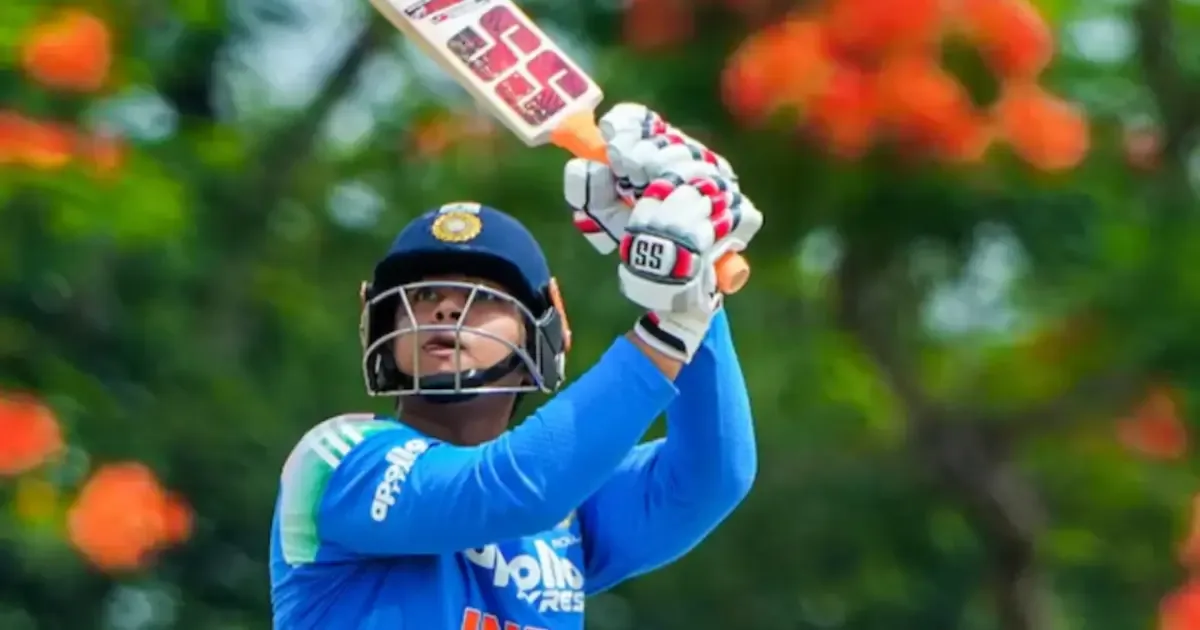
Vaibhav Sooryavanshi is set to become the youngest player in Indian men’s cricket history. A former mental conditioning coach has advised Team India to prepare him ‘for the worst,’ emphasizing mental resilience and readiness for challenges. This strategy involves visualizing difficult scenarios to build mental toughness, a crucial aspect for young athletes facing intense pressure and scrutiny.
Key Takeaways
The main points at a glance
- Vaibhav Sooryavanshi is on the verge of becoming the youngest player in Indian men’s cricket history.
- A former mental conditioning coach has advised Team India to prepare him ‘for the worst’ to build mental resilience.
- This strategy involves anticipating and mentally rehearsing difficult scenarios to reduce shock and improve coping mechanisms.
- Mental conditioning is crucial for young players facing intense pressure, scrutiny, and the potential for overwhelming expectations.
- Team India’s support system, including senior players and staff, plays a vital role in integrating and nurturing young talent.
- Proactive mental preparation, alongside physical training, is key for a young player’s long-term success and well-being.
Vaibhav Sooryavanshi is poised to enter an elite group of cricketers. In about a week, the young talent is expected to become the youngest player ever in the Indian men’s cricket team, a significant moment for both him and Indian cricket.
This potential record comes with immense pressure. An former mental conditioning coach has offered Team India crucial advice: prepare Vaibhav Sooryavanshi ‘for the worst.’
This advice emphasizes readiness for challenging moments that can affect any debutant, especially one so young. The coach highlights that mental fortitude is as vital as physical skill in cricket.
Becoming the Youngest Indian Player
To be the youngest player to represent India is a remarkable achievement, surpassing a record held by legendary cricketers. While Sooryavanshi’s exact age for this milestone is not yet confirmed, it is imminent.
Such intense attention can be overwhelming for a young player. Every action is scrutinized, and any setback can be amplified. The expectations from fans, media, and teammates can feel immense.
Team India has a history of nurturing young stars, with players like Sachin Tendulkar debuting as teenagers and achieving greatness. However, the spotlight has also challenged other young talents, where mental resilience often dictates success.
Sooryavanshi’s skill is undeniable; he has earned his spot through dedication and strong domestic performances. Yet, the transition to international cricket presents a significant leap in pace, crowd intensity, and constant pressure.
This context makes the former mental conditioning coach’s advice particularly relevant. It’s not about instilling fear, but about fostering preparedness for any eventuality.
The Strategy: Prepare for the Worst
The phrase ‘prepare for the worst’ might sound pessimistic, but in sports psychology, it’s a strategic approach. It involves anticipating difficult situations before they arise. This includes contemplating scenarios like dropping a catch, getting a duck, or facing crowd disapproval.
By visualizing these potential challenges, a player can build mental resilience and develop coping mechanisms. When such situations occur, they are less likely to be shocking, as the player has mentally rehearsed their response.
The former mental conditioning coach advised the team to discuss these possibilities with Sooryavanshi. The goal is preparation, not intimidation. This mental rehearsal is a common practice in elite sports, from tennis to golf, and cricket is no exception.
The coach likely drew upon extensive experience with Indian cricketers, recognizing that a young debutant’s primary challenge is often psychological rather than technical. The ability to maintain composure during adversity is a key differentiator between good and great players.
Team India possesses a robust support structure, including experienced players and knowledgeable coaches. However, the former coach’s advice adds a specific focus: proactive planning for adversity, not just hoping for success.
This proactive strategy is widely adopted by successful athletes. By preparing for potential failures, they mitigate their impact. For Sooryavanshi, this mental conditioning could be pivotal in managing the pressure of his historic debut.
The Importance of Mental Conditioning
Mental conditioning has become increasingly integral to cricket. Teams now employ dedicated sports psychologists and coaches to enhance player resilience, focus, and confidence.
For a young player like Sooryavanshi, mental preparation is especially critical. He will be carrying the hopes of millions, with every performance intensely analyzed. Success will be celebrated, and failures will be scrutinized.
Without adequate mental conditioning, a player might struggle. They could overexert themselves, leading to errors, or become fearful of failure, inhibiting risk-taking. External criticism can also negatively impact performance.
The former coach’s advice underscores that preparation extends beyond physical drills to mental training. While visualizing success is beneficial, envisioning and planning for challenges is even more effective.
Indian cricket has produced many mentally strong players, such as MS Dhoni, known for his calm demeanor, and Virat Kohli, who channels intensity into focus. Their mental strength was cultivated through deliberate practice.
Sooryavanshi has the opportunity to benefit from this expertise. The current support staff, guided by the former coach’s insights, can help him build a strong mental foundation early in his career.
The unique pressure of being the youngest player requires specific attention. While no current teammate shares this exact experience, the principles of mental conditioning are universal: stay present, control what is controllable, and accept what is not.
This advice extends to the entire team, fostering an environment where a young player can thrive. A supportive team culture that allows for mistakes can accelerate a young player’s development.
Team India’s Supportive Role
Team India plays a crucial role in Sooryavanshi’s developmental journey. Senior players and the coaching staff can significantly influence his early experiences. The former mental conditioning coach’s advice is directed at them as much as at the player.
The team should facilitate a gradual integration process, avoiding excessive pressure for immediate performance. Allowing him to settle in and find his rhythm is key. The captain and senior players can lead in making him feel a valued part of the team.
Historically, Team India has successfully integrated young talent, providing support and time for players like Rishabh Pant and Shubman Gill to learn from their experiences.
However, each player’s needs differ. Sooryavanshi might require tailored support, which the team’s mental conditioning staff can provide. The former coach’s advice serves as a foundational strategy.
Managing media exposure is also vital. Young players can easily become overwhelmed by interviews and public attention. The team management can limit his media interactions initially, allowing him to concentrate on his game.
Clarity regarding his role in the playing XI is essential. If selected, Sooryavanshi needs a clear understanding of his batting position and expected contribution, whether aggressive or defensive. Such clarity can reduce anxiety.
The support staff, including the current mental conditioning coach, can develop a plan with specific, achievable goals for his initial matches. These could include process-oriented objectives like maintaining composure, effective communication, and enjoying the experience, rather than solely focusing on statistics.
Team India’s culture has evolved to be more nurturing towards young players, moving away from the ‘sink or swim’ approach. A system of mentorship and phased integration is now more common.
The former mental conditioning coach’s advice aligns perfectly with this progressive culture, emphasizing the equal importance of mental preparation and physical training. The team is urged to take this guidance seriously.
Looking Ahead for Vaibhav Sooryavanshi
The upcoming week is critical for Sooryavanshi. His likely inclusion in the squad for an upcoming series will attract considerable attention, confirming his status as the youngest Indian player.
His debut, whether in a Test, ODI, or T20, will be a momentous occasion. Walking onto the field as a history-maker can be either inspiring or intimidating, depending heavily on his mental readiness.
Team India is expected to implement the former mental conditioning coach’s advice, discussing worst-case scenarios and equipping Sooryavanshi with a mental toolkit. They will reinforce his place in the team.
Once the match begins, the focus will shift to performance. However, the mental preparation will remain a constant resource. In challenging situations, he can draw upon his mental rehearsals, enabling him to breathe, refocus, and play his natural game.
Sooryavanshi’s long-term career will be shaped by various factors, including technique, fitness, and dedication. However, the mental foundation established now will support all these aspects.
The former mental conditioning coach’s advice is invaluable, signifying Indian cricket’s commitment to nurturing the individual behind the player, not just their on-field performance. This holistic approach bodes well for the future.
Vaibhav Sooryavanshi is on the verge of becoming a part of cricket history. With robust mental preparation, he can craft his own narrative. The team’s responsibility is to provide the optimal environment for his debut. The clear guidance is: prepare for the worst, hope for the best, and allow his talent to flourish.
Frequently Asked Questions
Who is Vaibhav Sooryavanshi?
Vaibhav Sooryavanshi is a young cricketer who is expected to become the youngest player ever in the Indian men's cricket team. He has earned his place through strong performances in domestic cricket.
What is the 'prepare for the worst' advice?
This advice, from a former mental conditioning coach, means proactively anticipating and mentally rehearsing difficult situations a player might face. The goal is to build resilience and reduce the impact of unexpected challenges, rather than to instill fear.
Why is mental preparation important for young cricketers?
Young cricketers like Vaibhav Sooryavanshi face immense pressure, scrutiny, and expectations. Strong mental conditioning helps them manage this pressure, maintain focus, and perform consistently, preventing potential burnout or performance anxiety.
How can Team India help Vaibhav Sooryavanshi?
Team India can support Sooryavanshi by providing a stable environment, integrating him gradually, offering mentorship from senior players, and managing media exposure. Clarity on his role and setting process-oriented goals are also crucial.
Is this 'prepare for the worst' strategy common in sports?
Yes, this strategy is a well-established technique in sports psychology. Athletes across various disciplines use visualization and mental rehearsal to prepare for potential adversities, which helps them perform better under pressure.
What is the role of mental conditioning in cricket?
Mental conditioning in cricket focuses on building resilience, focus, confidence, and coping mechanisms. It helps players handle pressure, overcome setbacks, and maintain peak performance, complementing their physical skills and training.
References
- Prepare Vaibhav Sooryavanshi "For The Worst": Team India Gets Golden Advice From Ex-Mental Conditioning Coach – Original report (NDTV Sports)
- Prepare Vaibhav Sooryavanshi "For The Worst": Team India Gets Golden Advice From Ex-Mental Conditioning Coach – NDTV Sports – This article introduces the story of Vaibhav Sooryavanshi potentially becoming the youngest player in Team India, with advice from an ex-mental conditioning coach.