At a Glance
Hard paneer is often caused by using too much acid during curdling or over-pressing the curds, both of which squeeze out essential moisture. To achieve soft paneer, use just enough acid until the whey separates clearly and press the curds gently for only 20-30 minutes with a light weight. Using full-cream milk and soaking the finished paneer in cold water are also key steps for a tender result.
Key Takeaways
The main points at a glance
- Using too much acid (lemon juice, vinegar) during curdling makes paneer tough and rubbery.
- Over-pressing the curds squeezes out moisture, resulting in dry, hard paneer.
- Always use full-cream milk for the softest, most tender paneer.
- Press the paneer curds gently for only 20-30 minutes with a light weight.
- Soaking the finished paneer block in cold water for 15-30 minutes helps restore moisture and softness.
- When cooking, fry paneer quickly and add it towards the end of dishes to prevent it from hardening.
You’ve spent time making paneer from scratch, but the cubes turn out chewy and hard. This is a common and disappointing problem. The good news is that hard paneer is easy to avoid. This guide will show you the common mistakes and how to fix them for silky-soft paneer every time.
Why Paneer Turns Hard: Understanding the Causes
Paneer is a fresh cheese made by curdling milk with an acid. The curds are then strained and pressed. The final texture depends on how the curds form and how much moisture is retained. Too much acid causes milk proteins to tighten excessively, squeezing out moisture and making the paneer tough. Similarly, pressing the curds too hard or too long forces out the moisture that keeps paneer soft.
The secret to soft paneer is simple: use just enough acid and press gently for a short time. Let’s look at each mistake in detail.
Mistake #1: Using Too Much Acid for Curdling
This is the most frequent error. Adding extra lemon juice or vinegar to ensure complete separation makes the curds hard and rubbery. Different acids have slightly different effects. Lemon juice is mild but easy to overuse. Vinegar is stronger. Yogurt whey is a gentler option for softer paneer.
Regardless of the acid, the rule is to stop adding it the moment the whey turns clear and separates from the curds. Don’t add more than necessary. Also, using full-cream milk is crucial. The fat content in full-cream milk helps keep the paneer moist and tender, resulting in a much softer texture compared to low-fat or skimmed milk.
The Right Way to Acidify Milk for Soft Paneer
To achieve the perfect curdling, follow this method:
Start with 1 liter of full-cream milk. Heat it on medium heat, stirring occasionally. When it reaches a gentle boil, turn off the heat.
Slowly add your chosen acid. For lemon juice, start with 1 tablespoon mixed with 2 tablespoons of water. For vinegar, use 1 teaspoon mixed with 2 tablespoons of water. Stir gently in one direction until the whey turns a clear greenish-yellow. Stop adding acid as soon as this happens. If the whey is still milky, wait a moment and add a tiny bit more.
The key is to add acid gradually and stop early. It’s better to have slightly soft curds that can be pressed gently than hard curds that cannot be fixed.
Mistake #2: Over-Pressing the Curds
After straining the curds, pressing them into a block is the next step. Many home cooks press too hard or for too long, believing it makes the paneer firm and easy to cut. However, over-pressing squeezes out essential moisture, leaving you with a dry, rubbery block.
Commercial paneer makers use very light pressing. They apply a gentle weight for a short duration, just enough to shape the block and remove excess whey. They understand that moisture is key to soft paneer.
How Long and How Hard Should You Press Paneer?
A simple guideline for pressing is 20 to 30 minutes with a light weight. Use a small plate or a flat lid with a bowl of water on top. Avoid heavy objects like bricks or cast iron pans.
Check the paneer after 20 minutes. It should hold its shape but still feel slightly soft. If it feels firm, it’s done. For an even softer texture, try pressing for only 15 minutes next time. The paneer will firm up slightly as it cools.
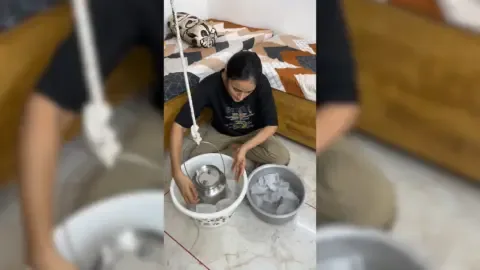
Another tip: don’t squeeze the muslin cloth too tightly when tying it. Gather the cloth and twist gently, letting the weight do the work.
Bonus Tips for Silky-Soft Paneer Every Time
Incorporate these extra tricks for even better results:
- Use full-fat milk: This is the most significant change for tender paneer.
- Don’t boil milk too long: Overheating can negatively affect texture. Turn off heat immediately after it boils.
- Add a little cream or yogurt: Stirring in a tablespoon of cream or plain yogurt before curdling adds fat and makes paneer creamier.
- Soak paneer in water after pressing: Submerge the paneer block in cool water for 15-30 minutes to restore moisture and softness.
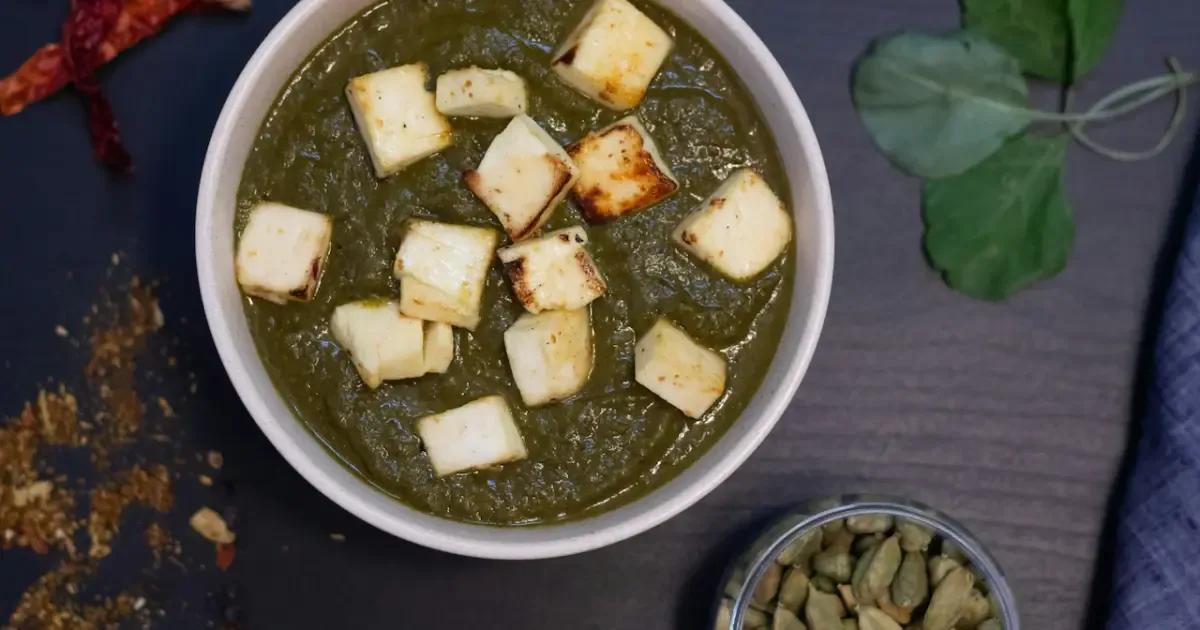
- Fry paneer quickly in hot oil: When cooking, fry paneer for only 1-2 minutes per side. Avoid prolonged cooking in gravy, as it can harden the paneer again. Add paneer towards the end of cooking.
- Rescue already hard paneer: If your paneer is hard, cut it into cubes and soak them in warm water for 30 minutes. This rehydrates the paneer and makes it softer.
Quick Recipe: Foolproof Soft Paneer
Here is a straightforward recipe for making soft paneer:
Ingredients:
– 1 liter full-cream milk
– 1 to 2 tablespoons lemon juice (or alternative acid)
– 1 tablespoon water to dilute the acid
– Ice cubes or cold water for soaking
Steps:
- Heat full-cream milk in a heavy-bottomed pot on medium flame, stirring often.
- Turn off the heat when the milk reaches a gentle boil.
- Mix the lemon juice with water. Add it to the milk one teaspoon at a time while stirring gently. Stop as soon as the whey turns clear greenish-yellow.
- Let the curds rest for 5 minutes. Line a colander with a muslin cloth and pour the curds into it. Rinse with cool water to remove the sour taste.
- Gather the cloth and twist gently to remove excess whey. Place the wrapped curds on a flat surface. Put a small plate on top, followed by a bowl of water (about 1 kg weight). Press for 20-30 minutes.
- Unwrap the paneer. It should be soft and slightly springy. Soak it in cold water for 15 minutes before use or storage.
Making soft paneer is about being gentle and avoiding common mistakes like over-acidifying or over-pressing. These small adjustments lead to a significant improvement in texture. Enjoy your perfectly soft homemade paneer!
Frequently Asked Questions
Why does my homemade paneer always turn out hard?
Your paneer might be turning out hard due to using too much acid when curdling the milk or pressing the curds too hard and for too long. Both actions squeeze out the moisture that keeps paneer soft and tender. Ensure you use just enough acid until the whey separates clearly and apply only light pressure when forming the block.
What is the best type of milk to use for soft paneer?
For the softest paneer, always use full-cream milk. The higher fat content in full-cream milk helps retain moisture, resulting in a tender and creamy texture. Low-fat or skimmed milk lacks this fat, leading to drier and harder paneer.
How much acid should I use to curdle milk for paneer?
Start with a small amount of acid, like 1 tablespoon of lemon juice mixed with water or 1 teaspoon of vinegar mixed with water, for about a liter of milk. Add it slowly while stirring gently. Stop adding acid as soon as the whey turns clear and separates from the curds. It's better to add too little and add a bit more if needed than to add too much.
How long should I press paneer curds?
You should press paneer curds for about 20 to 30 minutes. Use a light weight, such as a plate with a bowl of water on top. Avoid heavy objects. The goal is to shape the block and remove excess whey, not to squeeze out all the moisture.
Can I make paneer softer if it's already hard?
Yes, you can rescue hard paneer. Cut the hard paneer into cubes and soak them in warm water (not hot) for about 30 minutes. This process rehydrates the paneer and makes it much softer. You can change the water once if it becomes milky.
How do I prevent paneer from hardening when cooking?
To prevent paneer from hardening during cooking, fry it quickly in hot oil for just 1-2 minutes per side. Avoid cooking it for extended periods in gravies or curries. Add the paneer towards the end of the cooking process to maintain its soft texture.
References
- Common Cooking Mistakes That Make Paneer Hard And How To Fix Them – Original report (NDTV Health)
- From Chaat To Kulfi, 14 Food Joints That Make Sindhi Colony Hyderabad's Street Food Icon – NDTV Food – Article about Hyderabad street food – not related to paneer hardness.
- How to Cook a Proper Full English Breakfast – NDTV Food – Guide to making a full English breakfast – not related to paneer.
- What Makes Kolkata's Street Food So Unique? – NDTV Food – Article about Kolkata street food uniqueness – not related to paneer.
- Nigella Lawson: 'I'm Not a Chef – I'm Not Even Trained' – NDTV Food – Interview with Nigella Lawson – not related to paneer.
- Indian Cooking Tips: How To Make Restaurant-Style Punjabi Dal Tadka At Home (Watch Recipe Video) – NDTV Food – NDTV Food