At a Glance
Allegations of theft have surfaced regarding donations for the Ram Temple in Ayodhya, prompting the UP government to form a Special Investigation Team (SIT). Nripendra Mishra, overseeing temple construction, stated the Prime Minister is concerned about a ‘broken system,’ indicating systemic issues in donation management that require urgent attention and reform to restore public trust.
Key Takeaways
The main points at a glance
- A Special Investigation Team (SIT) has been formed by the UP government to probe alleged theft of Ram Temple donations.
- Nripendra Mishra, a key figure in the temple project, expressed that the Prime Minister is worried about a ‘broken system’ related to the incident.
- The term ‘broken system’ suggests failures in the processes for collecting, tracking, and safeguarding temple donations, beyond individual criminal acts.
- The incident highlights the critical need for strong oversight, transparency, and accountability in managing funds for large religious projects.
- Several key questions remain unanswered, including the exact amount stolen and the specific oversight mechanisms that failed.
- This situation has broader implications for public trust in religious institutions and the effectiveness of governance in handling sensitive projects.
Ram Temple Donation Theft Allegations Surface
The Ram Temple in Ayodhya, a symbol of faith for millions, is facing allegations of donation theft. This has raised concerns about trust and accountability, with a key figure involved in the temple’s construction stating that the Prime Minister is worried about a ‘broken system.’ This situation goes beyond a simple crime, highlighting issues with the machinery handling public faith and donations.
Investigation Launched into Alleged Ram Temple Donation Theft
The Uttar Pradesh government has formed a Special Investigation Team (SIT) to probe the alleged theft of donations intended for the Ram Temple. While no specific amount or suspects have been officially named, the formation of an SIT, typically comprising senior police and other agency officials, indicates the seriousness with which the government is treating the matter. The investigation aims to uncover how such a theft could occur within a high-profile project that has received vast sums through various official channels, including bank accounts and online portals.
The Importance of Strong Oversight in Donation Systems
Experts emphasize that large donation systems require robust oversight, including clear records of contributions and expenditures. Weaknesses in these systems can create opportunities for theft. The SIT’s task will be to examine these records to identify where the oversight failed. For many, temple donations are sacred, and any theft is seen as a violation of faith, leading to strong public reactions.
Nripendra Mishra: A Key Figure’s Perspective on the ‘Broken System’
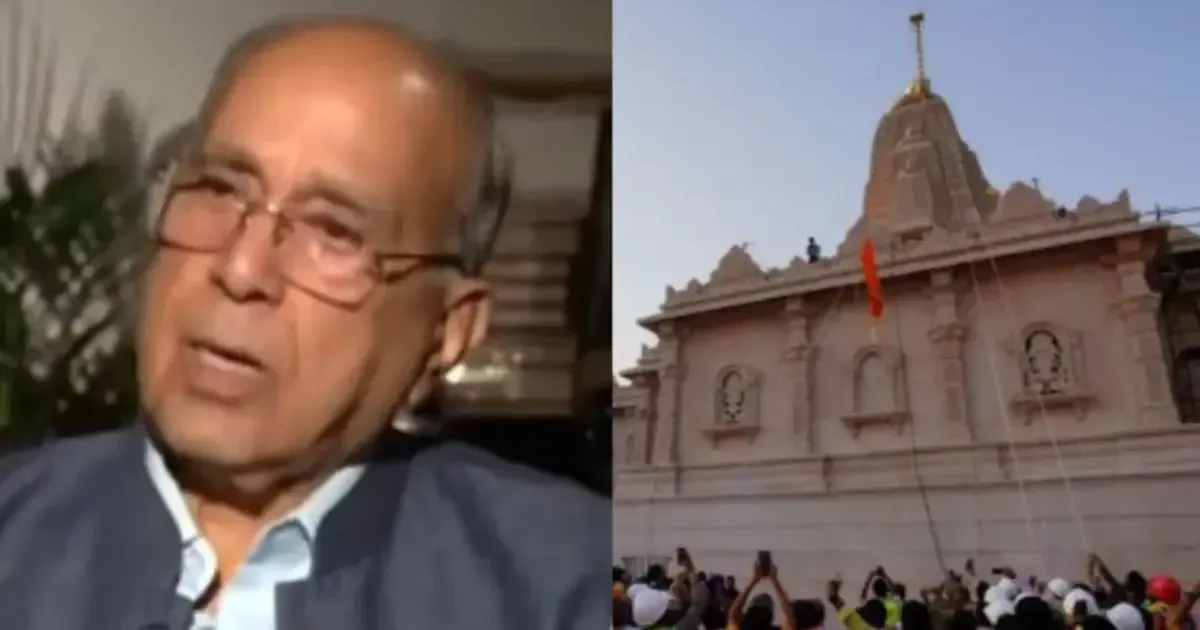
Nripendra Mishra, Chairman of the Ram Temple construction committee and former Principal Secretary to Prime Minister Narendra Modi, holds significant influence. His comment that the Prime Minister is concerned about a ‘broken system’ in relation to the donation allegations carries considerable weight. This statement suggests that the issue is viewed at the highest levels of government as a systemic failure rather than an isolated incident.
Mishra’s Admission of Systemic Weakness
Mishra’s acknowledgment of a ‘broken system’ implies a failure in the processes designed to protect temple donations. This candid admission, coming from a leader within the temple project, shifts the focus from individual perpetrators to the underlying weaknesses in the collection, tracking, and safeguarding of funds. It raises questions about the responsibility for ensuring the system’s integrity.
Understanding the ‘Broken System’ in Donation Management
A ‘broken system,’ in this context, refers to the failure of checks and balances throughout the donation handling process. This can encompass issues like inadequate auditing, insufficient supervision of personnel with access to funds, non-adherence to cash handling rules, or a design that allows undetected theft. The consequence is that money intended for the temple is allegedly stolen, indicating a fundamental flaw in the operational procedures.
Precedents in Temple Donation Management
Challenges in managing donations are not unique to the Ram Temple. Similar issues have arisen at other major Indian temples, such as the Tirumala Tirupati Devasthanams and the Shirdi Sai Baba temple, often leading to investigations and calls for reform. The Ram Temple, due to its scale and national significance, faces heightened scrutiny.
Unanswered Questions Surrounding the Ram Temple Donation Theft
Several critical questions remain unanswered regarding the alleged theft:
- The precise details and context of Nripendra Mishra’s statement about the Prime Minister’s concerns.
- Any official response from the Prime Minister’s Office regarding Mishra’s comments.
- The specific oversight mechanisms and internal audit procedures in place for temple donations prior to the alleged theft.
- The total amount of money allegedly stolen, which would indicate the scale of the problem.
- The identities and backgrounds of the individuals accused of the theft.
- How this incident compares to past donation-related issues at other major Indian temples and the lessons learned.
- The concrete steps that will be taken to restore public confidence in the donation system.
Broader Implications for Trust and Governance
The alleged theft at the Ram Temple has significant implications beyond the immediate financial loss. It impacts public trust in religious institutions and the governance structures that support them. Violations of trust can deter future donations, affecting not only this project but also other charitable organizations.
Restoring Faith Through Transparency and Reform
Mishra’s ‘broken system’ comment underscores the need for improved administrative practices. The SIT investigation is a necessary first step, but transparency in its findings and subsequent reforms are crucial for rebuilding confidence. This situation presents an opportunity for broader reforms in how religious donations are managed across India, potentially leading to standardized rules, mandatory audits, and public reporting.
Setting a Precedent for Accountability
The way this incident is handled by the government and the temple trust will set a precedent for accountability in managing religious funds. A transparent and firm response can reinforce integrity, while attempts to conceal the issue could erode public trust further. The focus remains on fixing the ‘broken system’ to ensure the sanctity of donations and the integrity of the project.
Frequently Asked Questions
What is the allegation regarding the Ram Temple donations?
There are allegations that some donations collected for the construction of the Ram Temple in Ayodhya have been stolen. The Uttar Pradesh government has formed a Special Investigation Team (SIT) to investigate these claims.
Who is Nripendra Mishra and why are his comments significant?
Nripendra Mishra is the Chairman of the Ram Temple construction committee and a former Principal Secretary to Prime Minister Narendra Modi. His statement that the Prime Minister is concerned about a 'broken system' is significant because it suggests the issue is viewed as a systemic failure at the highest levels.
What does 'broken system' mean in this context?
In this context, a 'broken system' refers to failures in the processes and checks designed to manage and safeguard temple donations. This could include issues with auditing, supervision, adherence to rules, or the overall design of the donation handling process.
Has the amount of stolen donations been specified?
No specific amount of money allegedly stolen has been officially disclosed in the available information. The SIT investigation is expected to determine the scale of the alleged theft.
What are the broader implications of this alleged theft?
The alleged theft impacts public trust in religious institutions and governance. It highlights the need for greater transparency and accountability in managing donations, and could lead to reforms in how funds are handled by temples across India.
What steps are being taken to address the situation?
The Uttar Pradesh government has formed an SIT to investigate the allegations. Beyond the investigation, there is a call for transparency in the findings and for concrete measures to be implemented to restore public confidence in the donation system.
References
- 'PM Worried About Broken System': Nripendra Mishra On Ram Temple Row – Original report (NDTV India)
- 'PM Worried About Broken System': Nripendra Mishra On Ram Temple Row – NDTV – This is a duplicate RSS feed version of the same NDTV article; no additional unique content provided.