
At a Glance
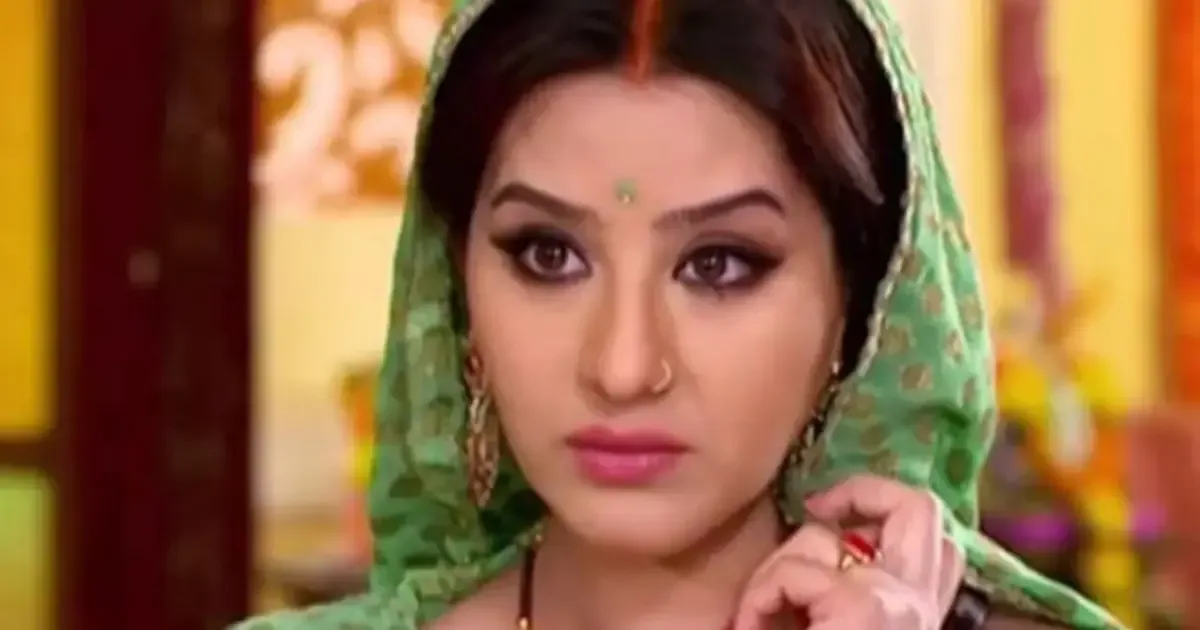
Actress Shilpa Shinde has strongly criticized TV producers, calling them ‘white-collar mafias’ who wield power to control careers and enforce silence. She revealed feeling abandoned by co-stars during a fake harassment case and expressed deep regret over a past false allegation, which she made out of desperation. Shinde also shared experiences of career threats and is now considering quitting television due to the industry’s toxic environment, emphasizing her self-respect over professional gains.
Key Takeaways
The main points at a glance
- Shilpa Shinde has labeled TV producers and directors as ‘white-collar mafias’ who control the industry through power and influence.
- She felt isolated and unsupported by co-artists when facing a fake sexual harassment case.
- Shinde expressed deep regret for making a false harassment allegation in the past, attributing it to desperation caused by industry pressures.
- She recounted career threats, such as being told ‘I’ll make you sit at home,’ which led to her being blacklisted.
- The actress is contemplating quitting television due to the toxic environment and mistreatment, prioritizing her mental peace and self-respect.
- Shinde also had a strong public disagreement with actor Shehzada Dhami, stating she’d rather sell vegetables than work with such individuals.
Shilpa Shinde Blasts TV ‘White-Collar Mafias’
Actress Shilpa Shinde, known for her roles in ‘Bhabi Ji Ghar Par Hai’ and winning Bigg Boss 11, has strongly criticized the leadership of the Indian television industry, labeling them ‘white-collar mafias’. She describes this group of producers and directors as behaving like gangsters, wielding power and influence instead of physical force.
In emotional interviews, Shinde revealed that these individuals hold significant control over the industry, dictating casting decisions and enforcing silence. She stated that crossing them can lead to career destruction. Shinde expressed that the work done by these directors is ‘dirty’ and that the issue is systemic rather than isolated.
She detailed how producers allegedly collude to ostracize those who speak out, using their financial resources and connections to intimidate actors. Shinde highlighted that these actions often occur under a veneer of professionalism.
This is not the first time Shinde has voiced concerns about unfair treatment in the industry. However, her recent statements carry a deeper personal weight. She expressed that her past struggles were misunderstood, with some falsely accusing her of fabricating issues for financial gain, a claim she refutes, emphasizing the genuine pain she experienced.
Lack of Support from Co-Artists During Difficult Times
A particularly painful aspect of Shinde’s experience was the absence of support from her co-artists when she faced a fake sexual harassment case. She stated that colleagues she worked with daily did not defend her or even inquire about her well-being.
‘I was completely alone,’ Shinde shared, visibly emotional. ‘Not one person from the industry came forward to support me.’ She noted that despite the outward appearance of camaraderie in the industry, this support vanished during her crisis.
Shinde believes her co-stars remained silent out of fear of jeopardizing their own careers or antagonizing powerful producers. While she understands their predicament, citing their need to support their families and protect their livelihoods, the feeling of abandonment was profound.
This situation reflects a broader pattern within the TV industry, where speaking out against unfair practices can lead to professional isolation. Shinde is calling attention to this culture of silence, asserting that it’s a systemic issue that punishes dissent.
Regret Over False Harassment Allegation
Shinde made a significant admission regarding a past false sexual harassment allegation, expressing deep regret for her actions. While she did not provide specific details about the incident, she acknowledged it was a mistake.
‘I made a false allegation, and I am sorry for it,’ she stated. She explained that while the harassment she experienced was not physical, it was real and involved power dynamics, threats, and attempts to diminish her value.
Reflecting on the ‘Bhabi Ji Ghar Par Hai’ controversy, where she played Anita, Shinde described the fake allegation as a desperate response to a system she felt was crushing her. She now believes that speaking the truth would have been the better course of action.
Her regret is coupled with anger, as she seeks to explain the desperation that led her to make the false claim, highlighting how extreme pressure can lead to poor choices.
Threats and Power Plays: ‘I’ll Make You Sit at Home’
Shinde recounted a haunting experience where a producer threatened her career, saying, ‘I’ll make you sit at home.’ In the television industry, this phrase signifies being blacklisted and unable to find work.
She stated that the producer followed through on this threat, leading to months without work and being labeled as difficult and troublesome. This tactic, Shinde explained, is how the ‘white-collar mafia’ operates, using their influence to halt an actor’s career without resorting to overt illegalities.
The threat was a demonstration of control, intended to make her aware of the producer’s power to dictate her professional fate. Shinde emphasized that such bullying is common, but most actors remain silent due to fear of repercussions.
Having faced such adversity, including being blacklisted, Shinde now speaks out, no longer intimidated by the potential consequences.
Considering Quitting Television Due to Industry Practices
Shinde has indicated a potential departure from television, citing exhaustion with industry politics and mistreatment. ‘I don’t know if I want to be in this industry anymore,’ she said, finding the prevailing work culture ‘dirty.’ She prioritizes her peace of mind over fame and financial gain.
The fake harassment case and the lack of support from peers have solidified her desire to leave environments where mutual support is absent. She feels she has given a lot to the industry but received stress, pain, and loneliness in return.
Shinde’s contemplation of quitting stems from her mental well-being, feeling worn down by constant battles. However, her stance is defiant; she is choosing to leave rather than being forced out, stating she would ‘rather do something else with my life than be in this dirty environment.’ This decision underscores her commitment to her principles, even at the cost of her career.
‘I’d Rather Sell Vegetables’ – Confrontation with Shehzada Dhami
Shinde’s criticism extends beyond producers to fellow actors, notably Shehzada Dhami, who reportedly made a complaint against her. Shinde responded sharply, stating, ‘I would rather sell vegetables on the street than work with this mafia.’ This statement emphasizes her strong stance against individuals she perceives as part of the corrupt system.
By invoking the image of selling vegetables, a low-status occupation, she conveys that her self-respect and integrity are more valuable than any professional engagement within a compromised industry. She reiterated, ‘If I have to work with people who are part of this mafia, I would rather be on the road with a basket of vegetables.’
Shinde views Dhami as representative of the system she is fighting. Her declaration, ‘I don’t care if I never work in TV again. I have my self-respect. And that is more important than anything,’ highlights her unwavering commitment to her values over her career.
Impact on the Television Industry
Shilpa Shinde’s outspokenness serves as a significant wake-up call for the television industry. While others have spoken out previously, her direct accusations against ‘white-collar mafias’ are difficult to ignore.
Her narrative highlights the issue of unchecked power within the industry, where individuals are allegedly marginalized for challenging the status quo. This situation affects not only Shinde but also countless other actors who fear speaking out against unfair practices.
The industry faces a critical need for introspection regarding why actors feel isolated during crises and why professional solidarity is lacking. Shinde’s story exposes the dark side of the glamorous television world, revealing underlying fear and control.
Whether Shinde ultimately leaves television or not, her words will persist as a reminder that the alleged ‘white-collar mafias’ are not beyond reproach. Shilpa Shinde has bravely chosen to call them out, signaling a potential shift towards greater accountability.
Frequently Asked Questions
Who did Shilpa Shinde call 'white-collar mafias'?
Shilpa Shinde used the term 'white-collar mafias' to describe producers and directors in the Indian television industry. She believes they act like gangsters, using their power and influence to control careers and enforce silence within the industry.
What happened during the fake harassment case Shilpa Shinde mentioned?
Shilpa Shinde stated that during a fake sexual harassment case she faced, she felt completely alone. She claimed that none of her co-artists or industry colleagues came forward to support her, leading her to feel abandoned.
Why does Shilpa Shinde regret making a false allegation?
Shinde expressed deep regret for making a false sexual harassment allegation in the past. She admitted it was a mistake and a desperate act to fight against the pressures and mistreatment she felt she was enduring within the industry.
What kind of threats did Shilpa Shinde face?
Shinde recalled being threatened by a producer who told her, 'I'll make you sit at home.' This is a threat of being blacklisted and unable to find work in the television industry, which she experienced for months.
Is Shilpa Shinde quitting television?
Shilpa Shinde has hinted at quitting television, stating she is tired of the industry's politics and mistreatment. She expressed that her peace of mind and self-respect are more important than continuing to work in what she describes as a 'dirty environment.'
What was Shilpa Shinde's response to Shehzada Dhami?
Shilpa Shinde had a strong reaction to actor Shehzada Dhami, stating she would rather sell vegetables on the street than work with people she considers part of the industry's 'mafia.' This highlights her commitment to her dignity over professional engagement in a system she distrusts.
References
- Shilpa Shinde Claims TV Producers Are 'White-Collar Mafias', Says Co-Artists Did Not Support In Fake Sexual Harassment Case – Original report (NDTV Movies)
- Shilpa Shinde Claims TV Producers Are 'White-Collar Mafias', Says Co-Artists Did Not Support In Fake Sexual Harassment Case – NDTV – NDTV reports on Shilpa Shinde's claim that TV producers are 'white-collar mafias' and that co-artists didn't support her during the fake harassment case.
- Shilpa Shinde hints at quitting TV? Actress lashes out at directors, says, ‘The kind of work they do is d – The Times of India – The Times of India reports that Shilpa Shinde hinted at quitting TV and lashed out at directors, calling their work 'dirty'.
- Shilpa Shinde gets emotional over the Bhabi Ji Ghar Par Hai controversy, claims she made a false sexual harassment allegation; recalls being told, 'I'll make you sit at home' – The Times of India – The Times of India
- Shilpa Shinde SLAMS TV 'Mafia' As She Reacts To Shehzada Dhami's Complaint: Raaste Mein Sabzi Bechungi Par… – Times Now – Times Now highlights Shinde's fiery response to Shehzada Dhami, where she declares she would rather sell vegetables than work with the TV 'mafia'.
- Shilpa Shinde gets emotional over the Bhabi Ji Ghar Par Hai controversy, claims she made a false sexual harassment allegation; recalls being told, 'I'll make you sit at home' – The Times of India – This article adds emotional depth, covering Shinde's tears over the 'Bhabi Ji Ghar Par Hai' controversy and her admission that the harassment allegation was false.