At a Glance
A culinary diplomacy event held at the Indian School of Hospitality in Gurugram successfully brought together Turkish and Indian food heritage. Organized by the Turkish Tourism Promotion and Development Agency, the Embassy of Türkiye in India, and ISH, the event showcased the deep historical connections and shared flavors between the two cuisines, highlighting food’s role in fostering cultural understanding and international relations.
Key Takeaways
The main points at a glance
- A culinary diplomacy event in Gurugram celebrated the shared history and flavors of Turkish and Indian cuisines.
- The event, hosted by ISH, was a collaboration between the Turkish Tourism Promotion and Development Agency and the Embassy of Türkiye in India.
- Attendees explored dishes like köfte, dolma, and baklava, discovering similarities with Indian food, such as the use of spices, yogurt, and slow-cooked meats.
- The historical influence of trade routes like the Silk Road and empires like the Mughals was highlighted as a key factor in the culinary connections between the two nations.
- Culinary diplomacy was presented as a form of soft power, crucial for building cultural ties, promoting tourism, and fostering international goodwill.
- The event provided an immersive learning experience for hospitality students, broadening their understanding of global cuisines and their diplomatic significance.
A Culinary Diplomacy Event in Gurugram Bridges Turkish and Indian Food History
The Indian School of Hospitality in Gurugram was filled with the enticing aromas of cumin, sumac, and sizzling meat. This was not a typical food festival, but a carefully planned culinary diplomacy event aimed at building bridges between cultures through shared meals. The event brought the spirit of Türkiye to Gurugram, allowing students, chefs, and visitors to explore the rich history and commonalities between Turkish and Indian cuisines.
Organizers and Partners Behind the Event
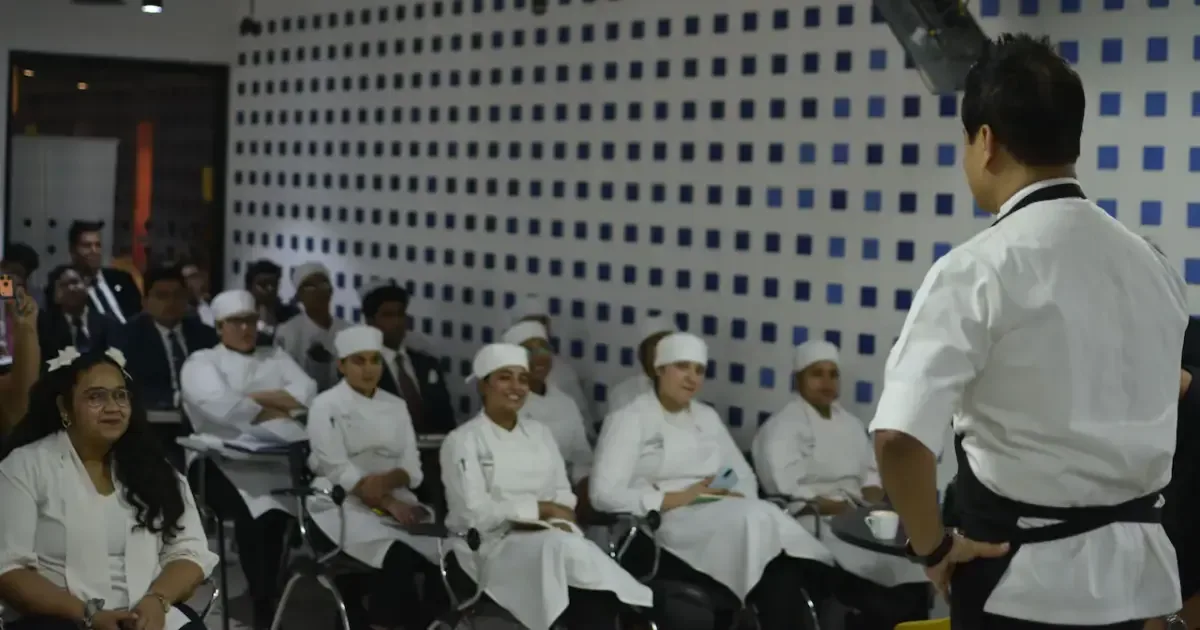
This significant gathering was made possible through the collaboration of three key organizations. The Turkish Tourism Promotion and Development Agency led the initiative, supported by the Embassy of Türkiye in India. The Indian School of Hospitality (ISH) in Gurugram hosted the event, providing a platform for future hospitality professionals to learn about food as a tool for diplomacy. ISH students actively engaged, learning the stories behind each dish, underscoring the agency’s goal to showcase Turkish cuisine’s depth beyond popular dishes like kebabs and baklava.
The Turkish Heritage Table: A Taste of Tradition
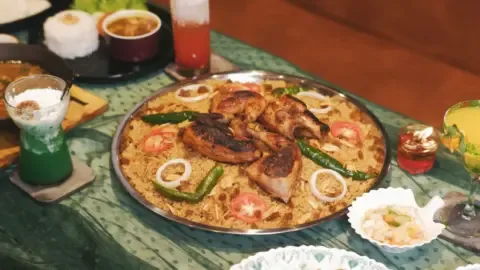
The event, named the Turkish Heritage Table, featured dishes that represent the breadth of Turkish cuisine, from Ottoman palaces to Anatolian homes. While specific menus varied, such events typically include classics like köfte (spiced meatballs), dolma (stuffed vegetables), mercimek çorbası (red lentil soup), and baklava. Yogurt and eggplant are prominent ingredients, often served with fresh flatbreads. These dishes often resonate with Indian palates due to shared culinary influences.
Discovering Shared Culinary Roots Between Türkiye and India
A key aspect of the event was highlighting the surprising connections between Turkish and Indian cuisines, shaped over centuries of trade and cultural exchange, particularly along the Silk Road. Ingredients like cumin, coriander, and cinnamon are common to both, as is the use of yogurt and slow-cooked meats. The Mughal Empire further blended Central Asian, Turkish, and Persian influences with Indian traditions, evident in dishes like biryani and the widespread use of the tandoor. This shared heritage was brought to life at the Gurugram event, demonstrating how food transcends borders.
The Diplomatic Significance of Culinary Exchange
Culinary diplomacy is a powerful form of soft power, using culture to foster goodwill and influence. Türkiye has actively engaged in this, with the Turkish Tourism Promotion and Development Agency organizing events globally to promote its cuisine, boost tourism, and strengthen cultural ties. For India, a key tourism market for Türkiye, such events help create a sense of familiarity and connection. By introducing Turkish food to Indian students and professionals, the event aims to build future advocates and strengthen bilateral relations, showing that food can build trust and open doors for cooperation.
Attendee Experiences at the Culinary Diplomacy Event
The event offered an immersive and interactive experience, allowing students at ISH to watch chefs, ask questions, and learn about the historical context of Turkish dishes. This provided a unique educational opportunity, broadening students’ understanding of global cuisines beyond traditional Western culinary education. Attendees, including food writers and bloggers, discovered new flavors and made connections, turning the event into a conversation starter. The modern facilities at ISH Gurugram provided an ideal setting for this culinary exchange.
The Growing Role of Culinary Diplomacy Globally
Culinary diplomacy is increasingly recognized as a vital tool in international relations, with countries like Thailand, Japan, and Peru successfully leveraging food to promote culture and trade. Türkiye is strategically investing in its cuisine’s global profile through chef training, festivals, and media campaigns, with the Gurugram event being part of this larger vision. The event also highlighted the potential for greater culinary exchange between India and Türkiye, fostering partnerships between institutions like ISH and culinary schools worldwide. The future of culinary diplomacy lies in such collaborations, creating opportunities for shared learning and deeper cultural understanding through the universal language of food.
Frequently Asked Questions
What is culinary diplomacy?
Culinary diplomacy is the use of food and cuisine as a tool to foster understanding, build relationships, and promote cultural exchange between nations. It leverages shared meals and culinary traditions to create goodwill and strengthen international ties.
What was the main goal of the culinary diplomacy event in Gurugram?
The main goal was to showcase the rich culinary heritage of Türkiye and highlight the historical connections and shared flavors between Turkish and Indian cuisines. It aimed to build bridges between the two cultures through the universal language of food.
Which organizations were involved in the event?
The event was a collaboration between the Turkish Tourism Promotion and Development Agency, the Embassy of Türkiye in India, and the Indian School of Hospitality (ISH) in Gurugram.
What kind of Turkish dishes were featured or likely present at the event?
The event likely featured classic Turkish dishes such as köfte (spiced meatballs), dolma (stuffed vegetables), mercimek çorbası (red lentil soup), baklava (layered pastry), and dishes highlighting ingredients like eggplant and yogurt, often served with fresh flatbreads.
How have Turkish and Indian cuisines influenced each other historically?
Historical trade routes like the Silk Road and empires such as the Mughals facilitated the exchange of ingredients and cooking techniques. Both cuisines share a love for spices like cumin and coriander, the use of yogurt, slow-cooked meats, and techniques like grilling on skewers.
What is the significance of events like this for hospitality students?
For hospitality students, these events offer a unique educational opportunity to learn about global cuisines, understand the cultural context of food, and appreciate food's role in diplomacy. This broadens their skillset for a globalized industry.
How does culinary diplomacy contribute to international relations?
Culinary diplomacy acts as a form of soft power, creating a foundation of understanding and goodwill between countries. It can foster cultural appreciation, boost tourism, and open doors for further cooperation by demonstrating shared values and experiences through food.
References
- When Turkiye Came To Gurugram: Inside The Culinary Diplomacy Event That Shared History On The Same Table – Original report (NDTV Health)
- When Turkiye Came To Gurugram: Inside The Culinary Diplomacy Event That Shared History On The Same Table – NDTV Food – Same article as the original RSS item, accessed via Google News RSS.
- ISH hosts Turkish cuisine programme with embassy support – BW Hotelier – Reports that ISH hosted a Turkish cuisine programme with support from the Turkish embassy.
- Turkish Heritage Table at ISH Gurugram Reveals the Surprising Culinary Link Between Türkiye and India – Travel And Tour World – Highlights the surprising culinary link between Türkiye and India revealed at the Turkish Heritage Table event at ISH Gurugram.