At a Glance
At least 16 people have died in southern Lebanon due to Israeli airstrikes that occurred as US-Iran diplomatic talks were postponed. Iran has reportedly demanded Israel’s withdrawal from Lebanon as a condition for any deal, complicating negotiations. The situation remains tense with ongoing strikes and an uncertain diplomatic future.
Key Takeaways
The main points at a glance
- Israeli airstrikes in southern Lebanon have resulted in at least 16 deaths.
- Diplomatic talks between the US and Iran, scheduled for the same day, have been postponed due to unspecified “logistics.”
- Iran has reportedly demanded Israel’s withdrawal from Lebanon as a prerequisite for any agreement with the US.
- The Israeli military stated the strikes targeted Hezbollah “military infrastructure” in response to ongoing threats.
- The situation is volatile, with potential for escalation and a worsening humanitarian crisis in Lebanon.
- The postponement of talks and the ongoing strikes create a complex and uncertain regional dynamic.
Deadly Israeli Strikes in Southern Lebanon Coincide with Postponed US-Iran Talks
At least 16 people have died in southern Lebanon following Israeli airstrikes. The strikes occurred as diplomatic talks between the United States and Iran, which could have significantly impacted regional dynamics, were unexpectedly postponed. While no direct link has been confirmed by either side, the timing of these events has raised considerable questions.
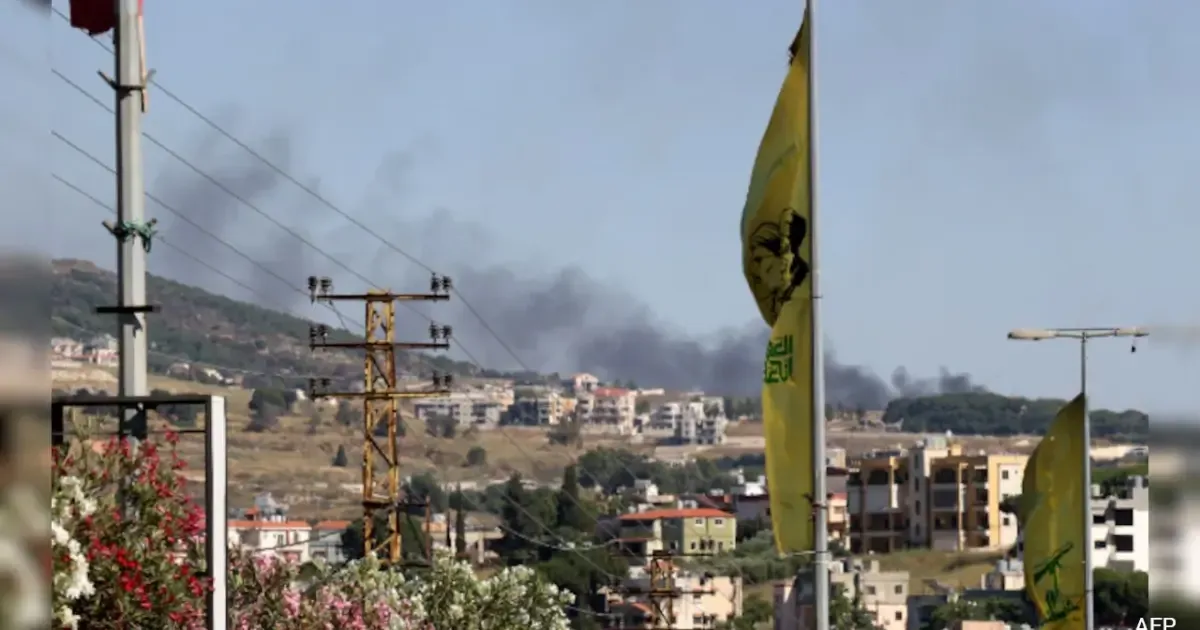
The Israeli military confirmed ongoing strikes, stating they were targeting what they described as “military infrastructure” belonging to Hezbollah. The military did not provide a specific casualty count. Independent verification of the death toll is pending, and numbers may change. Some reports suggest higher casualties, but these remain unconfirmed by international agencies.
These are not minor incidents. The Israeli military characterized the operations as “intense fighting” in southern Lebanon, indicating sustained military activity. Witnesses reported hearing explosions throughout the night and seeing smoke rising from villages near the border. Lebanese emergency services have faced difficulties reaching some affected areas due to the ongoing attacks.
US-Iran Diplomatic Talks Delayed Amidst Regional Tensions
The airstrikes took place on the same day that a new round of talks between the United States and Iran in Switzerland was scheduled. US Vice President Vance postponed his trip, citing “logistics” as the official reason. This postponement was reported by multiple news outlets.
The term “logistics” is vague and could encompass various practical issues. However, given the timing, many observers suspect other factors may be at play. These talks were viewed as a potential step towards de-escalating tensions between the US and Iran, which have been high due to Iran’s nuclear program and its support for groups like Hezbollah.
With the talks delayed and strikes ongoing, the diplomatic path appears to be stalled. A key question is whether Israel was aware of the impending talk postponement before launching its strikes. There is no public evidence to support this, and Israeli officials have not commented on the timing. The military stated the strikes were a response to “ongoing threats” from Hezbollah.
However, the sequence of events-the postponement announcement followed closely by the strikes-has led to speculation that Israel may have perceived a diplomatic window and acted militarily. Currently, this remains speculation without confirmed links.
Iran’s Demand for Israeli Withdrawal from Lebanon
A significant factor potentially influencing the timing of these events is a new condition set by Iran. Reports indicate that Iran has stipulated that any agreement with the United States must include the withdrawal of Israeli forces from Lebanon. This demand links the broader US-Iran negotiations to the long-standing conflict between Israel and Hezbollah.
Israel has conducted airstrikes against Hezbollah targets in southern Lebanon for years, viewing the group as a threat. Iran, a key supporter of Hezbollah, sees this demand as a prerequisite for any broader de-escalation. This puts US diplomats in a challenging position, as they aim to reduce tensions with Iran while also supporting Israel’s security interests.
The postponement of the talks might be a direct consequence of this new Iranian condition, possibly giving US officials time to assess the situation. Regardless, Iran’s demand significantly alters the landscape for future negotiations.
Key Players: Hezbollah, Israel, and Regional Dynamics
The current situation involves several key actors with distinct objectives. Israel states its strikes target Hezbollah’s military infrastructure used for planning attacks. Hezbollah, a Lebanese militant group backed by Iran, has a significant presence in southern Lebanon and has a history of conflict with Israel.
The Lebanese government has limited control over the southern region, where Hezbollah operates with considerable autonomy. The United States seeks to mediate and prevent a wider regional war. Iran continues to provide substantial support to Hezbollah.
These events unfold against a backdrop of heightened regional tension, including the ongoing conflict between Israel and Hamas in Gaza. Hezbollah has been closely observing these developments. The civilian population in southern Lebanon is caught in the middle, facing increased danger and displacement.
Future Outlook: Diplomatic and Military Scenarios
The immediate future remains uncertain. The death toll in Lebanon may rise as rescue efforts continue in areas affected by ongoing strikes. Independent verification of casualties will be crucial.
The resumption of US-Iran talks is unclear, with no new date set. If Iran maintains its demand for Israeli withdrawal, reaching an agreement will be challenging, especially as Israel shows no signs of withdrawing its forces. Hezbollah’s potential retaliation could escalate the conflict, potentially drawing in more regional powers and the US.
The humanitarian situation in Lebanon is expected to worsen, straining already limited resources. International calls for a ceasefire may go unheeded in the current climate. Israel has not indicated an end date for the strikes, describing them as “ongoing.”
While the US could play a mediating role, the postponed talks leave a gap in direct negotiation channels. Some analysts suggest Israel’s actions are a message to Iran and Hezbollah, while others see them as a reaction to the diplomatic delay. The volatile situation, marked by military actions, stalled diplomacy, and new demands, carries the risk of further escalation, with civilians bearing the brunt of the conflict.
Frequently Asked Questions
What caused the postponement of the US-Iran talks?
The official reason given for the postponement of the US-Iran talks was "logistics." However, the timing of the postponement, coinciding with Israeli strikes in Lebanon and Iran's new demands, has led to speculation about other underlying factors influencing the decision.
What is Iran's main demand regarding Lebanon?
Iran has reportedly stated that any deal with the United States must include the withdrawal of Israeli forces from Lebanon. This demand links broader US-Iran negotiations to the ongoing conflict and Israeli military actions in southern Lebanon.
Why is Israel conducting strikes in Lebanon?
The Israeli military stated that the strikes in southern Lebanon are targeting "military infrastructure" belonging to Hezbollah. They described the actions as a response to "ongoing threats" from the group, which is backed by Iran.
What is Hezbollah's role in this conflict?
Hezbollah is a Lebanese militant group supported by Iran, with a significant presence in southern Lebanon. It has a history of conflict with Israel, and the recent Israeli strikes are aimed at targets associated with the group.
What is the current death toll from the Israeli strikes in Lebanon?
At least 16 people have been reported dead as a result of the Israeli airstrikes in southern Lebanon. However, this number may change as rescue efforts continue and independent verification is pending.
Could the situation escalate into a larger war?
There is a risk of escalation, especially if Hezbollah retaliates against the Israeli strikes. Such a response could draw in more regional players and potentially the United States, leading to a wider conflict.
References
- 16 Dead In Israeli Strikes On Lebanon As US-Iran Talks Pushed Back – Original report (NDTV World)
- 16 Dead In Israeli Strikes On Lebanon As US-Iran Talks Pushed Back – NDTV – NDTV
- Scores killed in fresh Israeli strikes on Lebanon as US-Iran talks pushed back – coastaldigest.com – Used phrase 'scores killed,' indicating a higher death toll, but no exact number.
- Vance Delays Trip To Switzerland For Iran Talks — 'Logistics' Cited – Radio Free Europe/Radio Liberty – Confirmed Vance's delay and the official reason given: 'logistics'.
- Israeli military strikes in southern Lebanon in intense fighting as US-Iran talks postponed – WKMG – Described the strikes as 'intense fighting' in southern Lebanon, adding a geographic detail.
- Iran says deal with U.S. requires Israeli forces to leave Lebanon – CBS News – Reported Iran's condition for any US deal: Israeli withdrawal from Lebanon, linking the two conflicts.