At a Glance
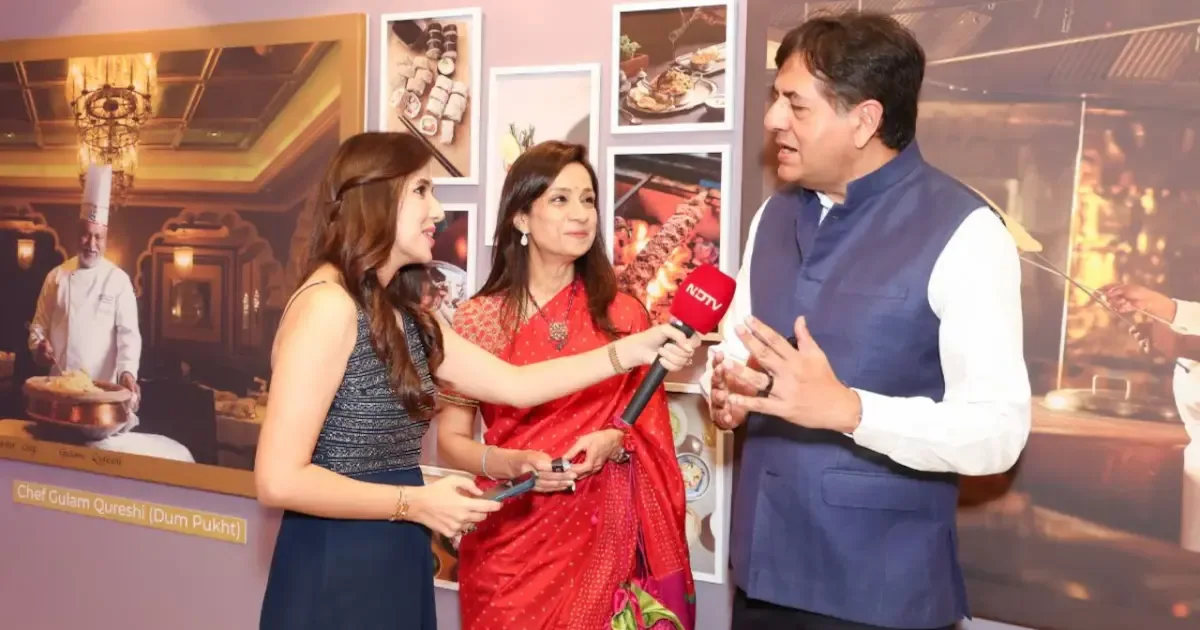
Picture this: Vikram and Seema Chandra sit across from each other at a small table. The room smells of warm spices and fresh herbs. Steam rises from plates of biryani and dal. They laugh, remembering the early days. It is not just any meal. It…
Key Takeaways
The main points at a glance
- Where It All Began: Memories Over a Meal
- The Spark: How Foodistan Began
- A Personal Connection: Travel, Health, and Friendships Through Food
- From Small Screen to National Stage: The Evolution of NDTV's Food Content
- The Birth of the NDTV Food Awards
Where It All Began: Memories Over a Meal
Picture this: Vikram and Seema Chandra sit across from each other at a small table. The room smells of warm spices and fresh herbs. Steam rises from plates of biryani and dal. They laugh, remembering the early days. It is a reunion with the past – a journey that started with a simple idea: to explore India through its food.
For them, food has never been just about eating. It is about travel, health, friendships, and the memories that stick long after the last bite. From the first episode of Foodistan to the grand stage of the NDTV Food Awards, their story is a love letter to Indian cuisine and the people who make it special.
The Spark: How Foodistan Began
In the early 2000s, Indian television was changing. News channels were popping up, but one thing was missing: a show that took food seriously – not fancy cooking competitions, but real food from real people. That is where Foodistan came in.
Vikram Chandra, then a senior journalist at NDTV, loved to travel and eat. Seema Chandra, a producer and writer, shared that passion. Together, they pitched an idea: a show traveling across India, one region at a time, to discover hidden gems of local cuisine.
Foodistan was different. No celebrity chef yelling at contestants; just Vikram and Seema, camera crew in tow, driving through dusty roads and narrow lanes. They visited roadside stalls, family-run dhabas, and village kitchens where grandmothers cooked with firewood. They sampled street food perfected over generations and listened to stories – how a particular spice came to be, or how a dish saved a community during a famine.
The show was a hit. Viewers loved the raw look at India’s culinary diversity, discovering dishes like pitha from Assam or pathrode from Karnataka. They learned that food was history, culture, and identity on a plate. Seema recalls an early shoot in a remote Rajasthan village, where the crew walked miles to meet a family making a special bajra roti. “The women taught us to roll dough by hand, cook it on a clay oven. It was a tradition passed down for centuries. That is what Foodistan was about.”
A Personal Connection: Travel, Health, and Friendships Through Food
For Vikram and Seema, the show was a way of life. Every trip added new friends. Vikram remembers a stop at a small dhaba in Punjab. The owner, an elderly man named Gurbaksh, served them makki di roti and sarson da saag. “He didn’t speak much English, but he talked to us through his food. We stayed for hours. When we left, he gave us a jar of homemade mango pickle. We still have it at home.”
Seema noticed how food connected to health. “When you eat real, unprocessed food, you feel better. In our travels, we met people who lived to be 90 or 100. They ate simple, seasonal ingredients. It made me think about our own diets.” This focus on authenticity became a core value of NDTV’s food programming – honest food that nourishes body and soul.
From Small Screen to National Stage: The Evolution of NDTV’s Food Content
Foodistan opened the door for more programming. Soon, NDTV launched other shows – some on cooking tips, others exploring international cuisines – all carrying the same spirit: food as a bridge between people. As media changed, NDTV adapted, moving food content to digital platforms like YouTube and social media, reaching a new generation of food lovers.
Vikram and Seema embraced the change, hosting live cooking sessions and writing articles. But the heart remained the same: real food, real people, real stories. One significant shift was from regional to international cuisines. As India became more connected, people wanted flavors from other countries. NDTV Food responded with shows on Thai, Italian, Japanese, and Middle Eastern food. “We started with Indian regional food, and that will always be our foundation,” Vikram says. “But we also want to show how Indian palates are evolving.”
The Birth of the NDTV Food Awards
After years of telling stories, Vikram and Seema realized something was missing. Many food awards focused on fine dining and celebrity chefs, not the real heroes – small restaurant owners, home cooks, keepers of traditional recipes. That is how the NDTV Food Awards were born: a platform honoring honesty and authenticity, with no fancy gimmicks or paid entries.
The first ceremony was small but grew quickly. Judges looked for passion, consistency, and commitment to quality. “We wanted to cut through the noise,” Seema explains. “Social media is full of people pretending to be food experts. We wanted the real heroes who have been doing this for years.” The rigorous judging process included visiting every shortlisted restaurant in person, tasting the food, and checking ingredients. “We are not interested in trends,” Vikram adds. “We are interested in truth.”
Real Heroes, Real Food: Cutting Through the Noise
In an age of Instagram filters and viral challenges, finding genuine talent is harder than ever. The NDTV Food Awards focus on substance over style. One winner was a small Mumbai restaurant serving traditional Maharashtrian thalis; the owner, a woman in her 60s, learned recipes from her grandmother. She never advertised, but her food was so good people lined up daily. “These are the unsung heroes,” Seema says. “They don’t have PR teams. They just make great food.”
The awards emphasize fresh, local ingredients, supporting farm-to-table restaurants and street food vendors who work long hours for small margins. “There are too many awards about money or fame,” Vikram says. “We want ours to be about quality and passion.” The awards also encourage young chefs to stay true to their roots. “You can innovate,” Seema says. “But don’t forget where you come from.”
Awards Night Highlights: Izumi and Seefah’s Wins
The latest NDTV Food Awards celebrated global flavors. Izumi was named Best Japanese Restaurant, known for authentic sushi, sashimi, and ramen, with a dedication to quality – the head chef imports ingredients from Japan and cooks rice using a traditional method. “Winning this award means a lot,” the chef said. “We have worked hard to bring real Japanese flavors to India.”
Seefah won Best Asian Restaurant, specializing in Southeast Asian cuisine. Its philosophy: “Food with honesty always wins.” That motto resonates with Vikram and Seema. “They don’t cut corners,” Vikram says. “They use fresh herbs, real coconut milk, authentic spices. The taste speaks for itself.” The wins highlight how Indian palates are changing. Ten years ago, Japanese or Southeast Asian food was exotic; now, people crave it. “India has always been open to new influences,” Seema says. “From Portuguese vindaloo to Mughlai biryani, we have always mixed things up.”
What Is Next for Vikram, Seema, and NDTV Food
After years of exploration, Vikram and Seema show no signs of slowing down. They are planning the next Foodistan season, focusing on India’s northeastern states – a region rich in unique flavors but often overlooked. “We have barely scratched the surface,” Vikram says. “So many stories waiting to be told.”
The digital side is growing too, with hundreds of recipes, restaurant reviews, and videos. A new series, “The Kitchen Table,” will feature conversations with home cooks. “These are the people who preserve our culinary heritage,” Seema says. The NDTV Food Awards will also evolve, adding categories for sustainable packaging and zero-waste kitchens.
“Food is not just about taste,” Vikram says. “It is about how it affects the planet, too.” As for their personal lives, they still travel and eat together, visiting places discovered on Foodistan. Some families have become close friends. “Food has given us so much,” Seema says. “A career, but more importantly, a community.”
Frequently Asked Questions
What was the inspiration behind the show Foodistan?
The inspiration came from a desire to explore India through its diverse food culture. Vikram and Seema Chandra wanted to create a show that focused on real food from real people, rather than just cooking competitions.
How was Foodistan different from other food shows?
Foodistan featured Vikram and Seema traveling across India to discover hidden culinary gems, emphasizing authenticity, regional diversity, and personal stories over flashy competition formats.