At a Glance
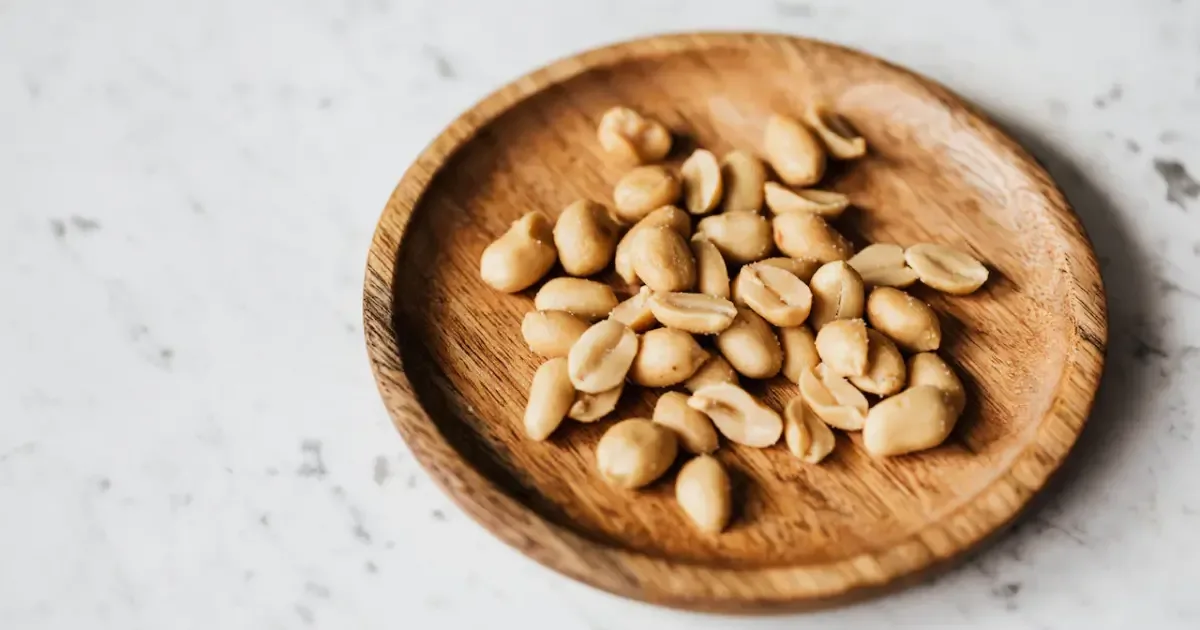
Properly storing peanuts is key to maintaining their crunch and preventing them from going stale or rancid. By using airtight containers, keeping them in a cool, dark place, and avoiding moisture, you can significantly extend their freshness. Even stale peanuts can sometimes be revived by toasting.
Key Takeaways
The main points at a glance
- Always use an airtight container, like a glass jar or sealed plastic container, to prevent air and moisture from reaching the peanuts.
- Store peanuts in a cool, dark location, ideally below 70°F (21°C), away from heat sources and direct sunlight.
- Moisture is the enemy of crunch; ensure containers and peanuts are dry, and avoid storing them in humid environments like the refrigerator without proper sealing.
- For long-term storage, refrigerate for up to 6 months or freeze for up to a year in airtight containers, being mindful of potential odor absorption.
- Slightly stale peanuts can often be revived by toasting them in an oven at 350°F (175°C) for 5-8 minutes, but this won’t fix rancidity.
- Avoid common mistakes such as using the original packaging, storing near heat, not sealing containers properly, or buying more than you can consume before they spoil.
Why Freshness Matters: The Science of Peanut Crunch
You open a bag of peanuts you bought last week, and they taste stale and soft. What went wrong? Peanuts are like little sponges for moisture and air. They soak up humidity from the environment. They also have natural oils that can turn bad when exposed to too much light, heat, or oxygen. When those oils go bad, peanuts lose their crunch and develop a bitter, cardboard-like taste. That’s rancidity, and it’s the opposite of fresh.
Fresh peanuts don’t just taste better. They also keep their natural aroma and nutritional value. That means you get more protein, healthy fats, and vitamins from every handful. So keeping peanuts fresh is about more than just flavor. It’s about getting the full benefit of this snack.
Here’s the good news. You don’t need fancy equipment to keep peanuts crunchy. A few simple habits can make a big difference. These five tips will help you store peanuts the right way, whether you buy them in bulk or just a bag for the week.
Tip 1: Choose the Right Container to Store Peanuts
The first rule of peanut storage is airtight. Air is the enemy of crunch. When peanuts are exposed to air, the oils start to oxidize. That’s a fancy word for going stale. The best containers are glass jars with tight-fitting lids, plastic containers with snap-on seals, or metal tins with rubber gaskets. Avoid storing peanuts in the original plastic bag after opening. Those bags are not sealed well, and they let air and moisture in.
Think of it this way. You wouldn’t leave an open jar of pickles on the counter. Same idea for peanuts. A good container keeps the air out and the crunch in. If you buy peanuts in bulk, divide them into smaller containers. That way you only open one at a time, and the rest stay sealed.
Action step: As soon as you open a bag of peanuts, transfer them to an airtight container. If you don’t have one, use a resealable plastic bag and squeeze out as much air as possible before sealing.
Tip 2: Keep Them Cool and Dark for Storage
Temperature matters more than you think. Peanuts are like butter. They soften and go bad faster in warm places. The ideal storage temperature is below 70°F (21°C). A pantry or a kitchen cupboard away from the stove, oven, or refrigerator exhaust is a good spot. Avoid placing peanuts near windows where sunlight can hit the container. Light speeds up the breakdown of oils, just like heat does.
A cool, dark place is your peanut’s best friend. If your kitchen gets hot in summer, move peanuts to a cooler room or the basement. The key is consistency. Temperature swings can cause condensation inside the container, which leads to moisture problems. So pick a stable spot and keep it there.
Action step: Store your peanut container in a dark cupboard or pantry, not on the counter near the stove. Check the temperature occasionally. If it feels warm to the touch, find a cooler spot.
Tip 3: Avoid Moisture at All Costs When Storing Peanuts
Moisture is the biggest threat to peanut crunch. Peanuts are like little sponges for water. They absorb humidity from the air. Once they get damp, they lose their crispness and become soft and chewy. Even worse, moisture can lead to mold growth. Moldy peanuts are dangerous and should be thrown away.
How do you keep moisture out? First, make sure your container is completely dry before adding peanuts. Never wash a container and then put peanuts in while it’s still wet. Second, avoid storing peanuts in the refrigerator or freezer without sealing them properly. The fridge can be humid, and condensation can form when you take them out. Third, don’t put hot peanuts into a container. Let them cool completely first. Heat produces steam, which turns into moisture.
Action step: Before storing, check that your container and peanuts are both dry. If you’re roasting peanuts, let them cool for at least an hour before sealing them up.
Tip 4: To Refrigerate or Freeze Peanuts for Long-Term Storage?
Refrigeration can extend the life of peanuts from a few weeks to several months. Freezing can keep them fresh for up to a year. But there are rules. Peanuts easily pick up odors from other foods in the fridge or freezer. That means your peanuts might start tasting like last night’s fish if not sealed well. Always use an airtight container or a heavy-duty freezer bag.
In-shell peanuts have a longer shelf life than shelled ones because the shell acts as a natural barrier. If you’re storing in-shell peanuts, you can keep them in a cool pantry for several months. For shelled peanuts, refrigeration is a good choice if you won’t eat them within a few weeks. To freeze, portion out what you need. Thawing and refreezing creates moisture, so take out only what you’ll use.
A quick note on rancidity. You can’t always see it. But you can smell it. If peanuts smell like old paint or play-dough, they’ve gone rancid. Toss them. Freezing delays rancidity but doesn’t stop it forever.
Action step: For long-term storage, put peanuts in a freezer-safe bag, squeeze out air, and freeze. For everyday use, refrigerate in a sealed container for up to 6 months.
Tip 5: How to Revive Stale Peanuts
So you forgot to follow the first four tips, and now your peanuts are soft and stale. Can you fix them? Sometimes, yes. If the peanuts are just soft from moisture but not rancid, you can bring back some crunch by toasting them. Spread the peanuts on a baking sheet and bake at 350°F (175°C) for about 5 to 8 minutes. Keep an eye on them. They can burn quickly. Let them cool, and they’ll be crunchier.
But this trick has limits. Toasting won’t fix rancidity. If the peanuts smell off or taste bitter, no amount of heat will save them. Also, revived peanuts won’t stay crunchy as long. Eat them within a day or two. The best approach is to prevent staleness in the first place by storing correctly.
Action step: To revive slightly stale peanuts, toast them in the oven. Check the smell first. If they pass the smell test, spread them on a pan and toast until fragrant.
Common Mistakes That Ruin Peanuts
Even with good intentions, people make mistakes. Here are the most common ones to avoid.
- Leaving peanuts in the original bag. That thin plastic does almost nothing to keep air out. Once you open it, transfer them.
- Storing peanuts near the stove or oven. Heat speeds up spoilage. Even the warmth from a nearby appliance can make a difference.
- Not sealing the container fully. A loose lid is as good as no lid. Check the seal every time.
- Mixing peanuts with strong-smelling foods. Onions, garlic, and spices can transfer their odors. Keep peanuts separate.
- Buying too many at once. It’s tempting to buy in bulk for savings, but if you can’t eat them in time, they’ll go stale. Buy what you can use within a few months.
Action step: Review your storage habits. Are you making any of these mistakes? Fix one today.
Quick Recap: Your Peanut Storage Cheat Sheet
Let’s put it all together in a simple list. Follow these points every time you buy peanuts.
- Use an airtight container. Glass or hard plastic with a tight seal.
- Store in a cool, dark place. Pantry or cupboard away from heat and light.
- Keep moisture out. Dry container, dry peanuts, no steam.
- Refrigerate for longer life. Freeze for up to a year. Always seal well.
- Revive stale peanuts by toasting, but only if they’re not rancid.
- Avoid common mistakes: original bag, heat, loose lids, strong odors, overbuying.
That’s it. Five simple tips that will keep your peanuts crunchy, tasty, and fresh for as long as possible. Next time you open that bag, you’ll know exactly what to do. Happy snacking.
Frequently Asked Questions
How long do peanuts stay fresh when stored properly?
When stored correctly in an airtight container in a cool, dark place, shelled peanuts can last for several months. Refrigeration can extend their freshness to about 6 months, while freezing them properly can keep them fresh for up to a year.
What is rancidity in peanuts?
Rancidity occurs when the natural oils in peanuts oxidize due to exposure to air, light, or heat. This process causes the peanuts to lose their crunch and develop a bitter, unpleasant taste and smell, often described as smelling like old paint or play-dough.
Can I store peanuts in the refrigerator?
Yes, you can store peanuts in the refrigerator to extend their shelf life. However, it's crucial to use an airtight container or a heavy-duty freezer bag to prevent them from absorbing odors from other foods.
How do I revive stale or soft peanuts?
If peanuts are soft due to moisture but not rancid, you can often revive them by toasting. Spread them on a baking sheet and bake at 350°F (175°C) for 5-8 minutes until they regain their crunch. Let them cool completely before eating.
Why should I avoid storing peanuts in their original bag?
The original packaging, especially thin plastic bags, is usually not airtight. Once opened, these bags allow air and moisture to enter, accelerating the oxidation of peanut oils and leading to staleness and loss of crunch.
What are the signs that peanuts have gone bad?
The primary signs that peanuts have gone bad are a stale, soft texture and a rancid smell or taste. Rancid peanuts often smell like old paint, play-dough, or stale oil. If they smell or taste off, they should be discarded.
References
- 5 Smart Tips To Store Peanuts For Maximum Crunch And Freshness – Original report (NDTV Health)
- Ramadan 2026: Foods To Eat At Suhoor To Remain Hydrated And Energised – NDTV Food – This article discusses foods to eat at suhoor during Ramadan for hydration and energy, but full text was not available and it is unrelated to peanut storage.
- From Biryani To Chai: 7 Indian Foods That Quietly Bind 1.4 Billion People – NDTV Food – This article lists seven Indian foods that culturally bind people, but full text was not available and it is unrelated to peanut storage.
- World Milk Day 2024: 5 Smart Ways To Use Beyond Drinking – NDTV Food – This article suggests five ways to use milk beyond drinking, but full text was not available and it is unrelated to peanut storage.
- World Pulses Day 2025: 5 Interesting Ways To Add Pulses To Your Diet – NDTV Food – This article offers five ways to add pulses to one's diet, but full text was not available and it is unrelated to peanut storage.
- Watch: Mumbai Hospital Using Medical Reports As Paper Plates. Internet Reacts – NDTV Food – NDTV Food