At a Glance
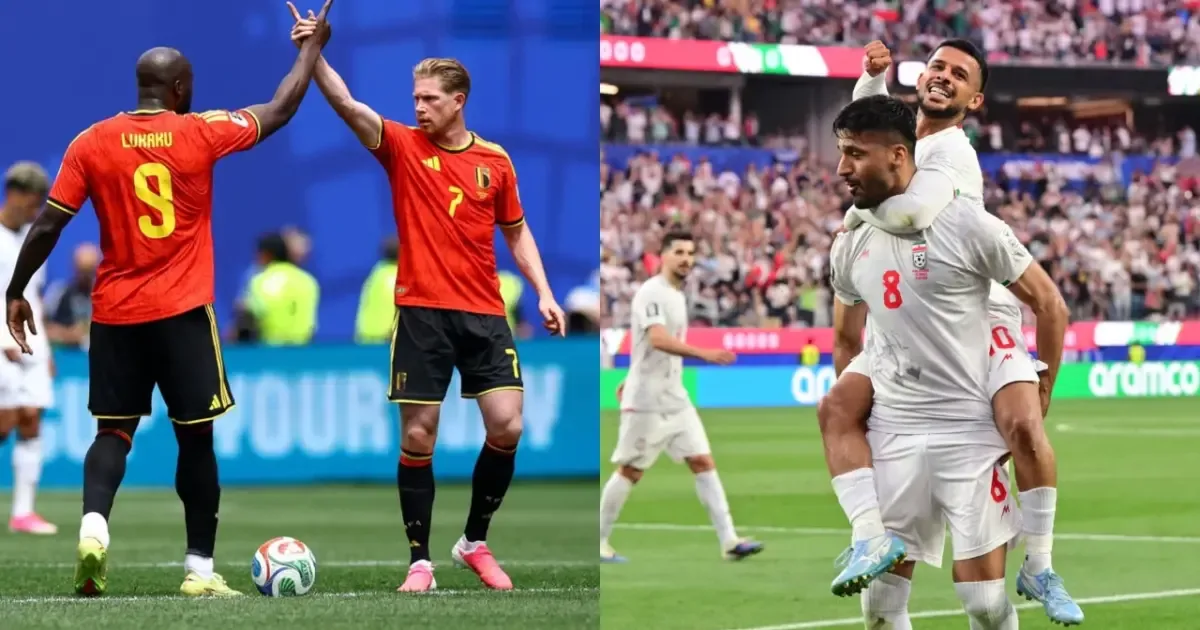
It took just a few minutes for the tension to boil over. Romelu Lukaku, Belgium's powerful striker, went flying into Iran's goalkeeper during an early attack. The contact was heavy. The referee's whistle blew. And then came the yellow card.
Key Takeaways
The main points at a glance
- Early Drama: Lukaku's Yellow Card and the Clash with Iran's Keeper
- Must-Win Stakes: Why Belgium and Iran Need Victory to Stay Alive
- Belgium's Recent Form: The Egypt Draw and Questions About the Golden Generation
- Lukaku's Role: From Super-Sub to Starter Under Pressure
- Iran's Defensive Strategy: Can They Silence Belgium's Attack?
It took just a few minutes for the tension to boil over. Romelu Lukaku, Belgium’s powerful striker, went flying into Iran’s goalkeeper during an early attack. The contact was heavy. The referee’s whistle blew. And then came the yellow card.
That moment set the tone for what was always going to be a high-pressure World Cup match. Belgium and Iran met at the Los Angeles Stadium in a group stage game where losing was not an option for either side. Both teams knew that a loss would likely end their hopes of reaching the knockout rounds. The yellow card against Lukaku only added to the sense of urgency.
Early Drama: Lukaku’s Yellow Card and the Clash with Iran’s Keeper
The incident happened fast. A long ball was played forward into the Iran penalty area. Lukaku, known for his strength and speed, chased it down. The Iran keeper came rushing out to claim the ball. The two collided with force. It was a 50-50 ball, but the referee decided Lukaku was too aggressive. The yellow card came out.
For Lukaku, this was a serious moment. A second yellow card in any future group game would mean a suspension. That could be costly for Belgium, especially if the match stays tight and they need their star striker in later games. For now, though, the bigger concern was how the card might change his approach.
Lukaku is not a player known for holding back. He plays on the edge. He uses his body to shield the ball. He barges into defenders. But with a yellow card already in his pocket, he had to be careful. One wrong tackle, one accidental elbow, and he could be walking off the pitch early.
Belgium’s coach would have to think about that too. Did he tell Lukaku to stay calm? Or did he let him play his natural game and risk another booking? It was a tough call. The team needed his goals, but they also needed him to stay on the field.
The early clash also sent a message from Iran. They were not going to be bullied. They were physical. They were aggressive. And they showed that they would not make life easy for Belgium’s big names. The yellow card was a warning, but not just to Lukaku. It was a signal that Iran came to fight.
Must-Win Stakes: Why Belgium and Iran Need Victory to Stay Alive
This was not just another group game. This was a knockout match disguised as a group stage fixture. Both Belgium and Iran came into the game knowing that a loss would likely send them home early.
The 2026 World Cup is the first edition with 48 teams. That means more teams get a chance to play. But the group stage is still tough. Only the top two from each group advance to the knockout rounds. With only three group games per team, every point matters. A loss in the first game puts a team in a deep hole. A second loss is usually fatal.
For Belgium, the pressure is enormous. They have one of the most talented squads in the tournament. Players like Kevin De Bruyne, Romelu Lukaku, and Jan Vertonghen are world class. But results lately have been shaky. They drew 1-1 with Egypt in their previous World Cup match. That was a game they were expected to win comfortably. Instead, they needed a late goal from Lukaku to escape with a point.
Iran, on the other hand, is a team that knows how to defend. They are organized. They are disciplined. And they have a history of making life hard for top teams. In the 2022 World Cup, they held Portugal to a draw and beat Wales. They are not afraid of big names. They see matches like this as a chance to make history.
For Iran, reaching the knockout stage for the first time would be a huge achievement. They have come close before but never made it through. A win against Belgium would put them in a strong position to finally break that barrier.
The expanded format means there is less room for error in the group stage. Teams cannot afford to drop points in winnable games. Every match is a final. And for Belgium and Iran, this match felt like the most important of their tournament so far.
Belgium’s Recent Form: The Egypt Draw and Questions About the Golden Generation
Belgium came into this World Cup with high expectations. They have been one of the best teams in the world for nearly a decade. They reached the semi-finals in 2018 and the quarter-finals in 2022. But many of their star players are now in their 30s. The so-called “Golden Generation” is starting to show its age.
Their recent performance against Egypt highlighted the cracks. Belgium fell behind early in that match. They looked slow and disorganized. Egypt, a team that has never won a World Cup game, had them on the ropes. Belgium needed a moment of magic from Lukaku to force an own goal and rescue a 1-1 draw.
That result was not good enough for a team with Belgium’s ambitions. The Times of India called it an “escape.” The Guardian noted that Lukaku’s “instant impact” saved the team from a major upset. Outlook India said the draw “denied Egypt World Cup history.” In other words, Belgium got lucky.
The Athletic, part of The New York Times, asked a tough question: “Do Belgium’s old guard still cut it?” That question hung over the team as they took the field against Iran. Can players like De Bruyne, Lukaku, and Vertonghen still compete at the highest level? Or is this generation past its peak?
The answer is not simple. These players have vast experience. They have won big games before. But football moves fast. Younger teams with more energy can expose older, slower players. Iran, a team with many players in their prime, was exactly the kind of opponent that could test Belgium’s aging core.
Belgium’s coach had to find a way to get the best out of his stars while also protecting them. The Egypt game showed that the team cannot afford to start slowly. Against Iran, they needed to be sharp from the first whistle. The early yellow card to Lukaku did not help that cause.
Lukaku’s Role: From Super-Sub to Starter Under Pressure
Romelu Lukaku has had an unusual World Cup so far. In the match against Egypt, he came off the bench and changed the game. He forced the own goal that earned Belgium a draw. He was the hero. But he was not a starter.
That raised questions about his role. Is he better as a super-sub? Can he start and still have the same impact? Against Iran, he was given the chance to start. The early yellow card put a damper on his return to the starting lineup.
Lukaku is a player who feeds on confidence. When he is scoring, he is unstoppable. But when things go wrong, he can struggle. The yellow card could affect his mindset. He might be more cautious. He might hold back on challenges. That is not the Lukaku that Belgium needs.
The team relies on him to hold up the ball, to create chances for De Bruyne and others, and to score goals. If he is worried about getting a second yellow, he might not be as effective. Iran’s defenders would know that. They could target him, push him, try to provoke him into a second booking.
Belgium’s coach had a decision to make. Keep Lukaku on and hope he stays calm. Or take him off early and bring on a fresh striker. Neither choice is easy. If Lukaku is substituted, the team loses his physical presence. If he stays on, he might get sent off.
The pressure was on Lukaku to prove he can start and deliver. The yellow card made that job harder. But it also gave him a chance to show his maturity. Can he adapt his game? Can he still be effective without taking risks? The answer would determine how far Belgium goes in this tournament.
Iran’s Defensive Strategy: Can They Silence Belgium’s Attack?
Iran came into this match with a clear plan. They wanted to defend deep, stay organized, and hit Belgium on the counterattack. It is a strategy that has worked for them before. Against top teams, Iran often sits back, absorbs pressure, and waits for a mistake.
The key for Iran was to stop Belgium’s creative players. Kevin De Bruyne is one of the best midfielders in the world. He can pick out a pass from anywhere. He can shoot from distance. He can change the game in an instant. Iran needed to deny him space and time on the ball.
Lukaku, with his yellow card, was also a target. Iran’s defenders could be physical with him, knowing he had to be careful. They could push him, pull him, try to get a reaction. If Lukaku lost his temper, he could get another yellow card. That would be a huge blow for Belgium.
But Iran also had to be careful. If they focused too much on stopping Belgium’s stars, they might leave gaps elsewhere. Belgium has other dangerous players. Jeremy Doku is fast and tricky. Youri Tielemans can shoot from long range. The team has options.
Iran’s best chance to win was to keep the score close and hope for a lucky break. A set piece, a corner, a defensive error. That is how they have beaten big teams before. They do not need to dominate possession. They just need to be clinical when they get a chance.
Against a team like Belgium, patience is key. Iran could not afford to rush forward and leave gaps at the back. They had to stay compact, defend as a unit, and wait for the right moment to strike. It was a risky strategy, but it was their best hope.
What’s Next: Implications for the Knockout Stage
The result of this match would have huge implications for both teams. For Belgium, a win would put them in a strong position to advance. They would have four points from two games, with one group match left. That would likely be enough to reach the knockout stage.
But a loss would be a disaster. Belgium would be bottom of the group with just one point. They would need to win their final game and hope other results go their way. For a team with so many stars, going out in the group stage would be a major failure.
For Iran, a win would be a huge step toward history. They would have four points and a great chance to reach the knockout rounds for the first time. Even a draw would keep their hopes alive. A loss, though, would likely end their campaign.
Beyond this match, the bigger story is about Belgium’s Golden Generation. If they fail to advance, questions will be asked. Was this the end of an era? Should the team rebuild with younger players? The talent is there, but the results have not matched expectations.
The Athletic’s question about Belgium’s old guard will not go away. If Belgium cannot beat a team like Iran, then maybe the answer is no. Maybe this generation has run its course. The match against Iran was more than just a group stage game. It was a test of whether Belgium’s stars still had the quality to compete at the highest level.
Lukaku’s early yellow card added one more layer of tension to an already high-stakes match. It reminded everyone that in the World Cup, every decision, every tackle, every card can change the course of a team’s tournament. For Belgium, the margin for error was already small. The yellow card made it even smaller.
As the match went on, the pressure only grew. Both teams knew what was at stake. The knockout stage was waiting. But only one team would get closer to it. The other would be left to wonder what might have been.
Frequently Asked Questions
What happened to Romelu Lukaku early in the match against Iran?
Romelu Lukaku received a yellow card just a few minutes into the game. He collided heavily with Iran's goalkeeper while challenging for a long ball in the penalty area.
Why was Lukaku's yellow card significant?
This yellow card was significant because a second yellow card in any future group game would result in a suspension for Lukaku. This could be a major problem for Belgium if they need him in later, potentially close matches.
What are the stakes for Belgium and Iran in this World Cup match?
This match is crucial for both teams as a loss would likely end their hopes of advancing to the knockout rounds. With only three group games, every point is vital, and a loss puts a team in a very difficult position.
How did Belgium perform in their previous World Cup match against Egypt?
Belgium drew 1-1 with Egypt in their last World Cup game. They fell behind early and appeared disorganized, needing a late goal from Lukaku to secure a draw.
What is Iran's history in the World Cup?
Iran has a history of being competitive and making things difficult for top teams. They have never reached the knockout stage before, and a win against Belgium would be a significant step towards achieving that goal.
What is the significance of the 2026 World Cup format?
The 2026 World Cup is the first to feature 48 teams, offering more opportunities. However, the group stage remains challenging, with only the top two teams from each group advancing, making every match critical.
What questions are being asked about Belgium's 'Golden Generation'?
There are questions about whether Belgium's star players, many of whom are in their 30s, can still perform at the highest level. Their recent shaky results have led to doubts about whether this generation has passed its peak.
References
- Belgium vs Iran LIVE Score, FIFA World Cup 2026: Lukaku Receives Early Yellow Card After Clash With Iran Keeper – Original report (NDTV Sports)
- World Cup predictions: Spain vs Saudi Arabia, Belgium vs Iran and rest of matchday 11 – The New York Times – Provided match predictions but not full context; confirms Belgium vs Iran was a key matchday 11 fixture.
- Belgium vs Egypt FIFA World Cup Match Result: Belgium escape Egypt scare, avoid major upset after Lukaku' – The Times of India – Focused on Belgium's 1-1 draw with Egypt, highlighting that Lukaku helped them escape a major upset.
- Belgium 1-1 Egypt: Lukaku Impact Denies Pharaohs World Cup History; See How Seattle Clash Ended In Stalemate – Outlook India – Emphasized that Lukaku's impact denied Egypt their first ever World Cup win, framing Belgium's narrow escape in the draw.
- Lukaku makes instant impact to force own goal and rescue draw for Belgium against Egypt – The Guardian – Offered a detailed account of Lukaku's match-saving performance off the bench against Egypt, noting his immediate impact.
- Lukaku’s impact keeps Egypt waiting for World Cup win but do Belgium’s old guard still cut it? – The Athletic – The New York Times – Posed a critical question about Belgium's aging core players and whether they can still compete effectively in the tournament.