
At a Glance
A French LNG tanker has passed through the Strait of Hormuz, marking a potential reopening of the vital waterway following a reported US-Iran war deal. This transit is a significant development for global energy markets, as the strait handles about 20% of the world’s oil and is crucial for LNG shipments, potentially easing supply concerns and stabilizing prices.
Key Takeaways
The main points at a glance
- A French-flagged LNG tanker successfully transited the Strait of Hormuz, the first known passage since a reported US-Iran war deal.
- This event signals a potential reopening of the critical waterway, which handles 20% of global oil and is vital for LNG exports.
- The Strait of Hormuz’s strategic importance means its closure significantly impacts global energy prices and supply chains.
- A finalized US-Iran deal could include a ceasefire, troop withdrawal, and the reopening of the strait, potentially easing sanctions and prisoner exchanges.
- The reopening could lead to lower shipping costs, stabilize oil and LNG prices, and benefit major energy importers in Asia and Europe.
- Continued safe passage of vessels and the stability of the war deal are crucial for sustained reopening and market confidence.
French LNG Tanker Passes Strait Of Hormuz Amidst US-Iran War Deal
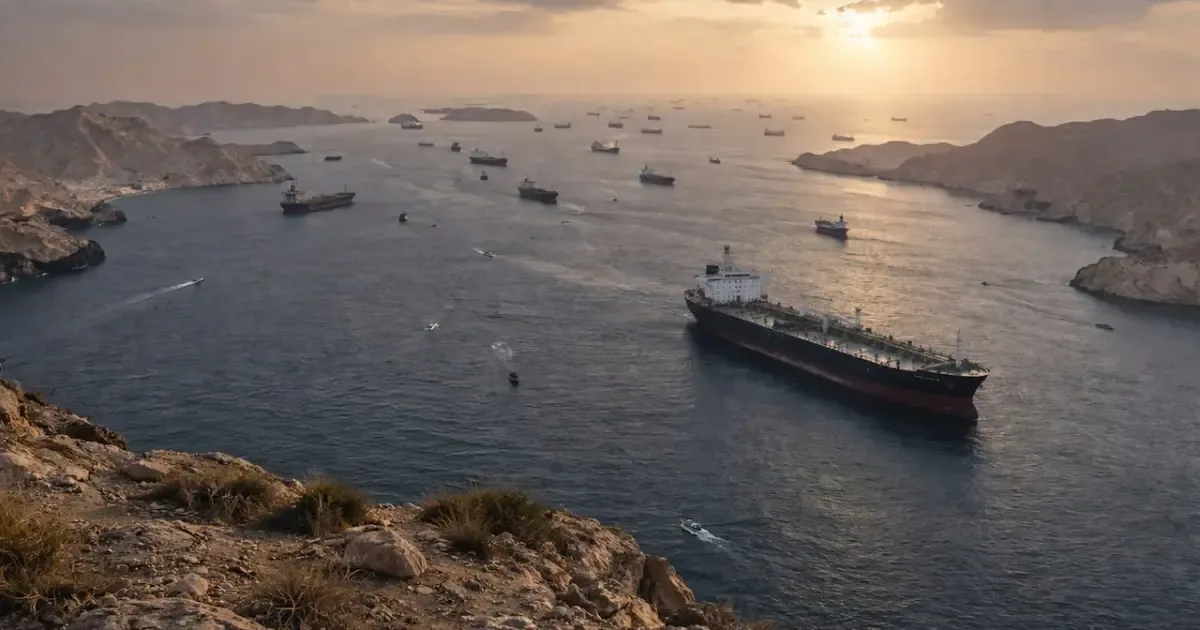
A French-flagged liquefied natural gas (LNG) tanker has successfully passed through the Strait of Hormuz. This marks the first known transit since reports of a war deal between the United States and Iran emerged. The development is seen as a positive sign for the potential reopening of this critical waterway for global energy shipments.
The tanker, registered in France, departed the Persian Gulf on Thursday. Its passage through the Strait of Hormuz is significant as both the US and Iran reportedly work towards de-escalating months of conflict.
Initial reports of the deal and the tanker’s transit were published by NDTV and later corroborated by outlets like Dawn. These reports are based on ship tracking data, and while official government confirmations are pending, the event is being closely monitored by international energy markets and shipping industries.
The Strait of Hormuz had been effectively closed to commercial traffic during the height of the US-Iran conflict. Iran had previously threatened to block the passage in retaliation for American and Israeli actions. The current transit suggests a potential shift, with ships resuming passage following the reported agreement.
This event is particularly noteworthy given the Strait of Hormuz’s strategic importance. The narrow waterway between Iran and Oman handles approximately 20% of the world’s oil supply. Any disruption in this chokepoint has historically caused significant fluctuations in global energy prices. A reopening could contribute to stabilizing markets that have experienced considerable volatility.
Key Details of the Tanker’s Passage
The specific ship tracking platform that documented the tanker’s movement has not been publicly identified. However, the data confirms the French-flagged LNG carrier proceeded from the Persian Gulf into the Gulf of Oman, enabling it to access open international waters.
LNG tankers are highly specialized vessels designed for transporting natural gas that has been cooled into a liquid state. The French flag indicates the vessel is registered in France and operates under French maritime regulations. Ownership or lease arrangements for the ship may involve French entities.
Information regarding the tanker’s specific cargo and its intended destination remains undisclosed. It is unclear whether the natural gas originates from Qatar, Iran, or another producer in the Gulf region. The tracking data primarily provides the ship’s location and movement history.
Multiple news organizations have confirmed the tanker’s transit. Pakistani newspaper Dawn covered the story alongside updates on the broader conflict. Al-Monitor, a publication focused on Middle Eastern affairs, is tracking which nations Iran is permitting through the strait. France 24 has reported that Iran is currently reviewing a new proposal from the United States.
US President Donald Trump has indicated that negotiations with Iran are in their ‘final stages.’ This statement, coupled with the tanker’s successful passage, suggests that an agreement may be nearing finalization, although no official text has been released.
The tracker report serves as the first tangible evidence of the Strait of Hormuz potentially reopening. Shipping companies had been actively avoiding the waterway for weeks, leading to a sharp increase in insurance premiums for vessels in the area. Some ships opted for extended routes around Africa to mitigate risks.
If additional commercial vessels follow the French tanker’s lead, it could signify a return to normal shipping operations in the Persian Gulf. However, this depends on the sustained stability of the reported war deal and the adherence of both parties to their commitments.
The Strategic Importance of the Strait of Hormuz
The Strait of Hormuz is a vital maritime passage, measuring approximately 21 miles wide at its narrowest point. It connects the Persian Gulf to the Gulf of Oman and, subsequently, the Indian Ocean. An estimated 17 million barrels of oil transit this waterway daily, representing about one-fifth of global oil consumption.
Beyond oil, the Strait of Hormuz is a crucial route for liquefied natural gas (LNG). Qatar, the world’s leading LNG exporter, ships the majority of its product through this passage. Iran and the United Arab Emirates also utilize the strait for their significant energy exports.
The strait’s narrow geography makes it susceptible to blockades. Iran has historically threatened to close the waterway during periods of heightened tension with the United States. Past incidents include Iran seizing oil tankers in 2019 and retaliatory actions following the US killing of Iranian general Qasem Soleimani in 2020.
During the recent US-Iran conflict, the Strait of Hormuz became a focal point of tension. Iran engaged in mining operations and drone and missile attacks on vessels. The US Navy and its allies worked to maintain the passage’s security, but many commercial shipping companies chose to avoid the area.
The disruption to shipping in the Strait of Hormuz directly impacted global energy prices. Oil prices surged at the onset of the conflict, and LNG prices also saw significant increases, particularly affecting markets in Asia and Europe that depend on gas supplies from the Gulf. Countries such as Japan, South Korea, and India experienced substantial economic effects.
A successful reopening of the strait is expected to alleviate supply concerns and allow for the unimpeded movement of LNG tankers. This could lead to a reduction in energy prices, although other market dynamics, including global demand and seasonal weather patterns, will also influence price levels.
The strategic significance of the Strait of Hormuz is paramount for global energy security. Its role as a critical chokepoint means that any disruption has far-reaching consequences for the global economy, extending beyond the immediate region.
Understanding the Reported US-Iran War Deal
Specific details of the reported US-Iran war deal are still emerging, with neither side having released the full terms. However, based on information from various news outlets, a general framework appears to be developing.
Reports indicate that Iran is reviewing a new proposal from the United States, and President Trump has described the ongoing talks as being in their ‘final stages.’ This suggests a potential agreement is close, reportedly encompassing a ceasefire, troop withdrawal, and the reopening of the Strait of Hormuz.
News analyses suggest Iran may be permitting ships from certain countries to transit the strait. The passage of the French-flagged tanker implies France is among these nations, with others potentially including India, China, and some European countries. Iran might restrict passage for nations it considers adversaries, such as Israel or Saudi Arabia.
The potential deal may also address Iran’s nuclear program. The US and its allies have expressed concerns about Iran’s nuclear activities, while Iran maintains its program is for peaceful purposes. An agreement could involve limitations on Iran’s nuclear advancements in exchange for sanctions relief.
Another anticipated component of the agreement could be the release of detained individuals. Both countries have held citizens from the opposing nation, and a prisoner exchange is a plausible element of the broader accord.
The deal is not yet finalized, as Iran continues to evaluate the US proposal. While President Trump’s comments signal progress, the agreement remains contingent on mutual acceptance. The tanker’s transit could be interpreted as a confidence-building measure, demonstrating a commitment to peace from both sides.
If finalized, this peace deal would conclude months of conflict that resulted in significant casualties. The war involved strikes between the US and Iran, with the conflict extending to proxy engagements in various regional countries.
A peace agreement would represent a substantial geopolitical shift, reducing regional tensions and facilitating a return to diplomatic engagement. It could also pave the way for renewed economic cooperation, including energy trade.
Future Outlook for Shipping and Energy Markets
The transit of the French LNG tanker is a preliminary step towards the full reopening of the Strait of Hormuz. For normal operations to resume, a consistent flow of ships must pass through the waterway without incident. Shipping companies require assurances of security from both the US and Iran.
Insurance providers will likely adjust their premiums accordingly. During the conflict, insurance costs for vessels entering the Persian Gulf increased substantially. A safer transit environment is expected to lower these costs, making energy shipments from the Gulf more economical.
Global energy markets are closely observing these developments. News of the tanker’s passage has already led to a slight decrease in oil prices. LNG prices are anticipated to follow suit if more ships successfully navigate the strait, though sustained traffic will be necessary for significant price drops.
For Asian LNG consumers, the potential reopening of the strait is particularly beneficial. Nations like Japan, South Korea, and India, which import substantial LNG volumes from Qatar, faced higher spot prices or sought alternative supplies during the conflict. Increased traffic through Hormuz could boost market supply and lower prices.
European buyers also stand to gain. While the US is a primary LNG supplier to Europe, additional supply from the Gulf, including Qatar, is advantageous, especially with rising winter heating demands.
Furthermore, the war deal could impact Iran’s own energy exports. Iran possesses vast natural gas reserves, but sanctions have historically hindered its LNG export capabilities. Sanctions relief as part of a deal could enable Iran to expand its gas exports, potentially adding to global supply.
Such a development could be transformative for Iran’s energy sector, positioning it as a significant LNG exporter. However, realizing this potential would require substantial investment in liquefaction facilities and export terminals, a process that could take years even with a finalized agreement.
Currently, the immediate focus remains on the practical reopening of the strait. The French tanker’s passage serves as a hopeful indicator. If the waterway remains open, energy markets are likely to stabilize. Conversely, if the deal falters, the strait could face renewed closures, potentially causing prices to rise again.
The coming days and weeks will be crucial in determining the future trajectory. Increased vessel traffic is expected as companies test the security of the passage. Governments worldwide will be closely monitoring the situation, as global energy security is intrinsically linked to the stability of the Strait of Hormuz.
This is an evolving situation, and further details are expected as the deal progresses and more ships utilize the strait. For the moment, the successful transit of one French tanker offers a beacon of hope for a region that has endured prolonged conflict.
Frequently Asked Questions
What is the significance of a French LNG tanker passing through the Strait of Hormuz?
The passage of a French LNG tanker through the Strait of Hormuz is significant because it is the first known transit since reports of a US-Iran war deal. This event suggests the waterway, a critical chokepoint for global energy, may be reopening after a period of conflict.
Why is the Strait of Hormuz so important for global energy markets?
The Strait of Hormuz is vital as it handles approximately 20% of the world's oil supply and is a key route for liquefied natural gas (LNG) exports, particularly from Qatar. Any disruption here directly impacts global energy prices and supply stability.
What does the reported US-Iran war deal entail?
While details are still emerging, the reported deal is said to include a ceasefire, withdrawal of forces, and the reopening of the Strait of Hormuz. It may also involve sanctions relief for Iran and prisoner exchanges.
How could the reopening of the Strait of Hormuz affect energy prices?
A stable reopening of the Strait of Hormuz could lead to lower shipping costs and increased supply of oil and LNG. This is expected to help stabilize and potentially lower global energy prices, benefiting consumers and industries worldwide.
What are the next steps for shipping and energy markets?
The next steps involve more ships safely transiting the Strait of Hormuz, leading to adjusted insurance rates and market confidence. Continued stability of the US-Iran deal is crucial for sustained operations and predictable energy flows.
Which countries are most affected by disruptions in the Strait of Hormuz?
Countries in Asia, such as Japan, South Korea, and India, which import significant amounts of LNG from Qatar, are heavily affected. European nations also rely on supplies from the region. Global oil prices are also influenced by any disruptions.
References
- French Tanker Passes Strait Of Hormuz After War Deal: Report – Original report (NDTV World)
- French Tanker Passes Strait Of Hormuz After War Deal: Report – NDTV – NDTV reported the initial story of a French tanker passing the Strait of Hormuz after a war deal.
- French tanker passes Hormuz Strait after war deal: tracker – Dawn – Dawn confirmed the tanker passage via a tracker, adding credibility to the report.
- Live Updates: War returns to Iran with Israel, US strikes – Dawn – Dawn provided live updates on the broader conflict, indicating the war context behind the deal.
- From France to India: Who is Iran allowing through the Strait of Hormuz? – Al-Monitor – Al-Monitor analyzed which countries Iran is permitting through the strait, adding geopolitical context.
- Iran examines new US proposal as Trump says talks are in 'final stages' – France 24 – France 24 reported on Iran's review of a new US proposal and Trump's statement that talks are in final stages.