At a Glance
Hugo Broos, South Africa’s national football coach, gained global attention after shutting down a reporter’s question about Donald Trump and telling his home critics to “shut up” during a tense press conference. Known for his blunt honesty and extensive career, Broos led South Africa to the World Cup amidst significant pressure and scrutiny, making his unfiltered reaction a viral moment that highlighted the intersection of sports and politics.
Key Takeaways
The main points at a glance
- Hugo Broos, South Africa’s national football coach, went viral for his direct handling of a political question and criticism from home.
- Broos, a veteran coach with a history of success including an Africa Cup of Nations title with Cameroon, is known for his no-nonsense communication style.
- The pressure of coaching South Africa, a nation with high football expectations and a passionate media, contributed to Broos’s outburst.
- Criticism came from various sources in South Africa, including media analysts, former players, and fans on social media.
- The story spread globally due to the unexpected mention of Donald Trump and Broos’s refreshing, unfiltered honesty in a controlled media environment.
- Broos’s actions sparked a discussion about the role of politics in sports, with his refusal to engage in political talk becoming a story in itself.
The Moment That Went Viral: Hugo Broos Shuts Down Trump Question
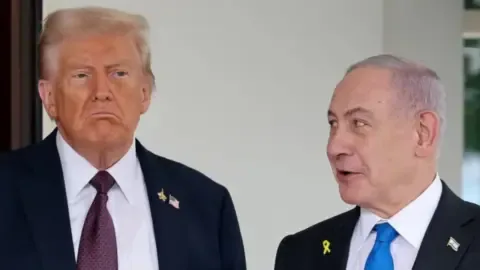
The room fell silent. Journalists leaned in, cameras rolling, expecting questions about formations and team chances. Instead, a reporter asked about Donald Trump.
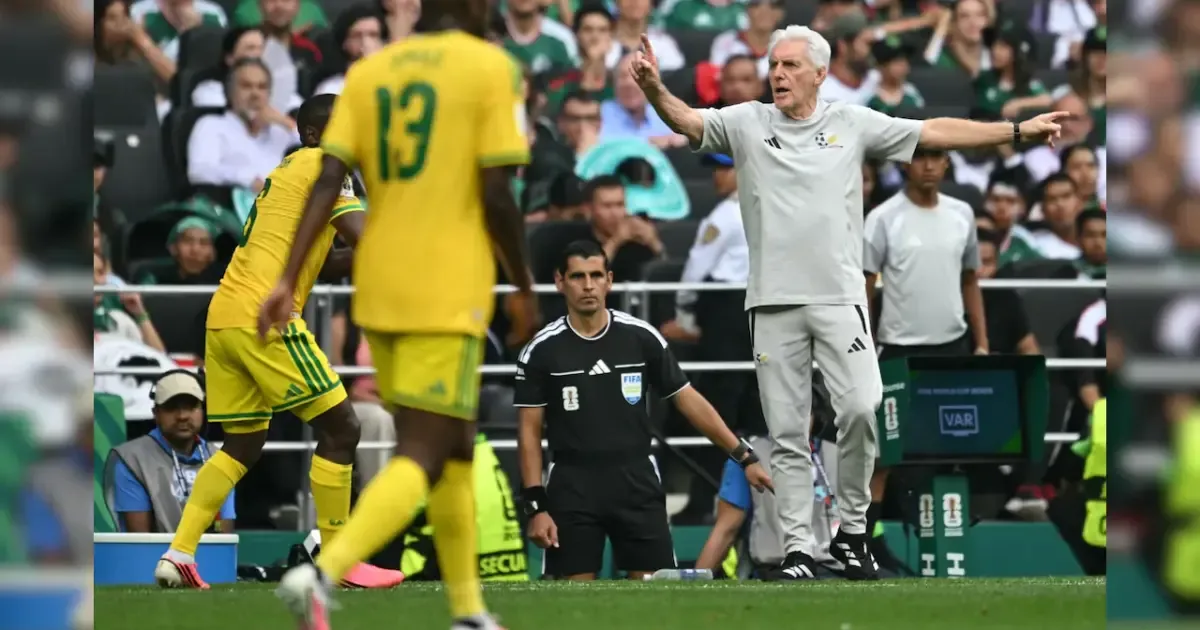
Hugo Broos, the Belgian-born coach of the South African national football team, didn’t hesitate. He swiftly shut down the political question, making it clear the press conference was about football, not politics. His direct response, though the exact words are debated, conveyed a clear message: keep politics out of the game.
Broos then turned his attention to critics back home who had questioned his tactics and selections. He told them, in no uncertain terms, to “shut up.” The room erupted, with some reporters laughing and others quickly typing his strong words.
Within hours, the clip of this exchange went viral, appearing on South African TV, international news sites, and even newspapers in the United States and Canada. Suddenly, the 73-year-old coach was a global talking point, not for a sporting achievement, but for his unfiltered honesty.
Who Is Hugo Broos? A Coach with a Proven Track Record
Hugo Broos is far from a novice. With a career in football dating back to the 1970s, he has played and managed teams across Europe. Notably, he led Cameroon to an unexpected Africa Cup of Nations title in 2017, building a resilient and believing team.
His appointment as South Africa’s coach in 2021 came after years of struggle for the national team, Bafana Bafana. The federation sought Broos for his proven record and reputation, hoping he could turn the team’s fortunes around.
However, Broos’s straightforward communication style has sometimes clashed with expectations. He is known for his directness, openly criticizing underperforming players or questioning journalists he deems unprofessional. His focus is on winning, not necessarily on being popular.
This no-nonsense approach, while effective in some environments, has occasionally caused friction, particularly in South Africa where football is deeply intertwined with national identity and pride. Broos found himself in a high-pressure situation, with every decision and word scrutinized.
Why Did Hugo Broos Snap? The Pressure Cooker of Coaching South Africa
Coaching a national team is demanding, and managing South Africa presents unique challenges. High expectations, passionate fans, and relentless media scrutiny create a constant pressure cooker environment.
South Africa, readmitted to international football after apartheid, has a rich talent pool but has historically struggled to consistently achieve top results. After qualifying for the 1998, 2002, and hosting the 2010 World Cups, the team had not returned to the global stage until Broos guided them there.
Despite leading the team through a successful qualification campaign, Broos faced criticism. Some argued the team lacked attacking flair, relied too heavily on defense, or that he, as a foreigner, didn’t understand South African football culture.
This mounting pressure, combined with months of questioning his decisions and lineups, reached a breaking point. The irrelevant question about Donald Trump served as the final straw, pushing Broos to address both the journalist and his home critics directly.
His outburst was a raw expression of frustration and a demand to be allowed to do his job without constant interference. It was a moment of unfiltered honesty from a coach pushed to his limit.
The Critics Back Home: Analyzing the Criticism Against Broos
The criticism directed at Hugo Broos came from various quarters within South Africa. Football analysts on television and radio frequently dissected his tactical decisions, questioned his substitutions, and debated his team’s playing style.
Former players also weighed in, some perhaps with ambitions for the coaching role themselves, others simply disagreeing with an outsider’s management. They often cited a perceived lack of understanding of South African football’s cultural nuances.
Social media amplified fan discontent. Every setback was met with a barrage of angry comments, with armchair critics often claiming superior knowledge of how the team should be run.
While Broos is accustomed to criticism, the volume and personal nature of the commentary became overwhelming. It transcended constructive feedback, becoming a constant barrage that he felt compelled to address directly.
The Global Reaction: Why the Hugo Broos Moment Went Viral
The viral spread of the clip was fueled by several factors. The mention of Donald Trump, a figure who commands global attention, certainly drew initial interest in an unexpected context.
However, the primary driver was Broos himself. In an era of carefully curated media appearances, his unvarnished honesty and refusal to play political games stood out. His bluntness was refreshing and entertaining to many.
This authenticity resonated with a global audience tired of predictable press conferences. Broos became an instant internet sensation for his willingness to speak his mind and disregard potential backlash.
US and Canadian news outlets, such as The Stamford Advocate and The Toronto Star, picked up the story due to its unusual nature – a foreign football coach making headlines for his outspokenness. It was a simple, real story that cut through the often-scripted nature of sports news.
Sports and Politics: The Complex Interplay
Hugo Broos’s reaction highlights the increasingly blurred lines between sports and politics. In recent years, athletes and coaches have become more vocal on social and political issues, leading to debates about whether sports should remain separate from politics.
Broos, in that moment, clearly favored keeping sports and politics distinct. He refused to engage with a political question, insisting on focusing solely on football matters. This stance, while not universally agreed upon, is a valid position.
Ironically, his refusal to discuss politics inadvertently made the situation a political story. His directness was interpreted in various ways – as courageous by some, as unprofessional by others. He became part of the conversation he sought to avoid.
This illustrates the challenge in today’s media landscape: a bland, political answer might have diffused the situation. Broos’s memorable, albeit controversial, response ensured he became the story, demonstrating how honesty can sometimes amplify attention.
What’s Next for Hugo Broos and South Africa?
The World Cup continues, and Hugo Broos has a job to complete. His team’s performance on the world stage will remain under intense scrutiny.
The immediate aftermath might see a temporary lull in criticism from home, as confronting someone who has told you to “shut up” can be awkward. Some may re-evaluate their critiques, while others will likely wait for future results.
International media attention will persist. Success for South Africa will keep Broos in the spotlight positively, while a downturn could see the same media turn critical, reflecting the volatile nature of sports journalism.
Broos, at 73, is unlikely to alter his fundamental personality or coaching style. He will likely continue to speak his mind, focus on the game, and handle challenging questions with his characteristic directness.
His honesty, even if sometimes abrasive, offers a refreshing contrast to the often-sanitized world of sports. Hugo Broos remains the no-nonsense coach who led South Africa to the World Cup, famously shut down a Trump question, and silenced his critics. His nerve and authenticity have made him a memorable figure in world football.
Frequently Asked Questions
Who is Hugo Broos?
Hugo Broos is the Belgian-born head coach of the South African national football team. He has a long career in football, having played and managed teams across Europe, and previously led Cameroon to an Africa Cup of Nations title in 2017.
What happened at the press conference?
During a World Cup press conference, a journalist asked Hugo Broos a question about Donald Trump. Broos immediately shut down the political question, stating it was irrelevant to football. He then turned his attention to critics in South Africa, telling them to "shut up."
Why did Broos tell critics to "shut up"?
Broos had been facing significant criticism in South Africa regarding his tactics, player selections, and overall management of the national team. The pressure from media, former players, and fans had been building, and the irrelevant political question seemed to be the final trigger for his outburst.
Why did the story go viral?
The incident went viral due to the unexpected mention of Donald Trump in a football context and Hugo Broos's unfiltered, blunt honesty. In a world of carefully managed media appearances, his directness was seen as refreshing and entertaining by many.
What is the relationship between sports and politics?
The incident highlights the complex relationship between sports and politics. While some believe sports should remain separate from political issues, others feel athletes and coaches have a platform to speak out. Broos's refusal to engage in politics became a political story itself, showing how difficult it is to keep them entirely separate.
What is expected for Broos and South Africa next?
Broos is expected to continue coaching South Africa through the World Cup, focusing on the game. While criticism might temporarily subside, media attention will remain high, and his future will depend on the team's performance. Broos himself is unlikely to change his direct communication style.
References
- South Africa's No-nonsense Coach Who Shut Down Donald Trump Question And Told Critics Back Home To Shut Up – Original report (NDTV Sports)
- South Africa's no-nonsense coach who shut down Trump question and told critics back home to shut up – Stamford Advocate – Syndicated version of the story; confirms the headline and topic across a US regional newspaper.
- South Africa's no-nonsense coach who shut down Trump question and told critics back home to shut up – Toronto Star – Syndicated version; shows the story appeared in Canadian media, broadening its reach.
- South Africa's no-nonsense coach who shut down Trump question and told critics back home to shut up – The Joplin Globe – Another syndicated version; confirms the viral spread of the story across US local news.
- South Africa's no-nonsense coach who shut down Trump question and told critics back home to shut up – Eagle-Tribune – Final syndicated version; reinforces the widespread republication of the story's headline.
- Damien Cox: Auston Matthews made his choice, seemingly putting Trump ahead of the Leafs – Toronto Star – Toronto Star