At a Glance
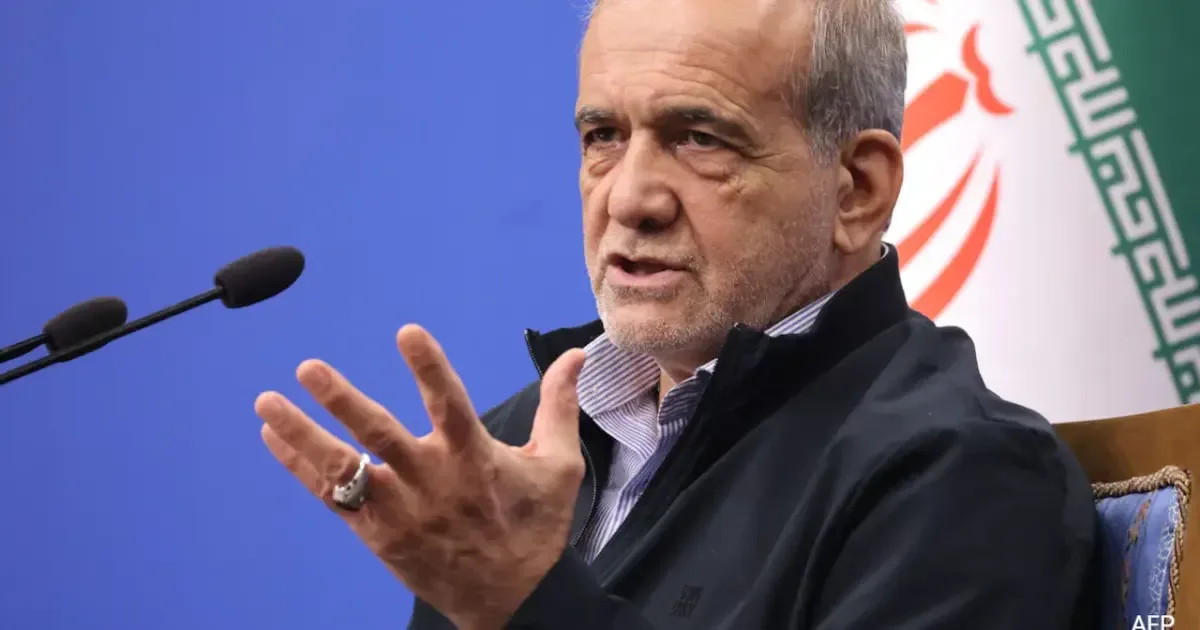
Iranian President Masoud Pezeshkian has stated that Iran will not pursue nuclear weapons and is willing to provide written assurance of this. However, he insists Iran will not give up its right to enrich uranium. These statements come as new Iran nuclear talks with the US begin in Switzerland, a critical moment for addressing long-standing tensions over Iran’s nuclear program.
Key Takeaways
The main points at a glance
- Iran’s President Pezeshkian has offered written assurance that Iran will not develop nuclear weapons.
- He insists Iran will retain its right to enrich uranium for peaceful purposes.
- New Iran nuclear talks with the US have commenced in Switzerland.
- The talks are critical for addressing decades of tension over Iran’s nuclear program.
- A key sticking point remains the level of uranium enrichment Iran is permitted.
- Pezeshkian’s offer aims to build trust while protecting Iran’s perceived sovereign rights.
Iran’s Dual Promise: No Nukes, No Surrender of Enrichment Rights
Iranian President Masoud Pezeshkian has presented a clear dual promise as talks with the United States commence in Switzerland. He stated that Iran will not pursue nuclear weapons but also insisted that the nation will not relinquish its right to enrich uranium. This significant statement comes as a new round of negotiations between Iran and the US begins in Switzerland, a critical juncture for relations strained for decades over Iran’s nuclear program.
Pezeshkian’s position emphasizes that Iran is not seeking a nuclear weapon and has no intention of pursuing one. However, he firmly stated that Iran will not give up its right to enrich uranium, a long-standing red line in nuclear negotiations. Uranium enrichment is the process of increasing the concentration of a specific isotope, U-235. This enriched uranium can be used for nuclear power plant fuel or, at very high levels, for nuclear weapons. Iran maintains its enrichment activities are solely for peaceful purposes, such as generating electricity and producing medical isotopes, while Western nations remain concerned about potential weaponization.
The President’s statement aims to address these fears while safeguarding what Iran considers its sovereign right. “We can put it in writing,” he reportedly said, indicating a willingness to provide formal, written assurance that Iran is not developing nuclear weapons. This offer of a written guarantee represents a new element in Iran’s diplomatic approach, suggesting a commitment to provide concrete proof beyond verbal assurances.
A written guarantee could take the form of a document, a treaty commitment, or a formal pledge, offering a verifiable and binding commitment that would be difficult to break. This would provide the US and other international parties with something tangible to verify, potentially building trust and moving negotiations forward.
Pezeshkian’s Offer: ‘We Can Put It In Writing’
The specific written assurance President Pezeshkian is offering is a formal guarantee that Iran will not seek or develop nuclear weapons. Making this offer publicly during sensitive talks is an unusual diplomatic move, potentially aimed at building trust with the US and the international community. However, this offer does not include a surrender of Iran’s enrichment rights.
Iran intends to continue enriching uranium, but only to levels suitable for peaceful applications. Under the 2015 Joint Comprehensive Plan of Action (JCPOA), Iran was permitted to enrich uranium to 3.67 percent, sufficient for nuclear power fuel. Weapons-grade uranium requires enrichment to 90 percent or more. Since the US withdrawal from the JCPOA in 2018, Iran has increased its enrichment levels, reaching up to 60 percent, a level considered a short technical step from weapons-grade, which has heightened concerns among Western nations.
Pezeshkian’s offer of a written guarantee is seen as a step to de-escalate tensions, signaling Iran’s willingness to be transparent about its nuclear activities, provided its rights are respected. This places the onus on the US to respond and determine the conditions for transforming this offer into a binding agreement.
Iran Nuclear Talks Switzerland: What’s at Stake
The ongoing talks in Switzerland represent a new phase of negotiations between Iran and the US. Switzerland’s neutral status makes it a common venue for such diplomatic discussions. The stakes are exceptionally high, encompassing the future of Iran’s nuclear program and the potential for a new agreement that could reshape regional stability.
A successful outcome could lead to a deal limiting Iran’s enrichment in exchange for sanctions relief, easing decades of tension. Conversely, failure could lead to an escalation, with Iran potentially increasing enrichment levels and the US imposing further sanctions or considering other measures. Key sticking points in these negotiations typically include the permissible level of uranium enrichment, the number of centrifuges Iran can operate, and the extent of international verification measures. Iran seeks the lifting of all sanctions imposed since 2018, while the US desires a rollback of Iran’s nuclear program to JCPOA limits. Finding common ground remains a significant challenge.
Pezeshkian’s offer of a written guarantee against pursuing nuclear weapons could help break the current deadlock. However, his insistence on retaining enrichment rights means the US must consider accepting Iran’s continued enrichment, at least at low levels, a compromise that has not yet been fully accepted by the US.
Background: Iran’s Nuclear Program and the JCPOA
Understanding the current situation requires a look at the history of Iran’s nuclear program. Initiated in the 1950s with US assistance, the program became a source of suspicion for the US after the 1979 Islamic Revolution, despite Iran’s assertions of peaceful intent. The 2015 JCPOA, signed by Iran and world powers, aimed to limit Iran’s enrichment activities and allow international inspections in exchange for sanctions relief, marking a significant diplomatic achievement.
However, the US withdrawal from the JCPOA in 2018 under President Donald Trump led to the reimposition of stringent sanctions. In response, Iran began exceeding the deal’s limitations, increasing its uranium enrichment levels and stockpile. Intermittent talks to revive the JCPOA have been ongoing since 2021 but have yet to yield a final agreement. President Pezeshkian, who took office in 2024, has signaled a diplomatic engagement strategy while seeking to protect Iran’s nuclear rights, with his latest statement aligning with this approach by offering a compromise: no nuclear weapons in exchange for the right to enrich.
Implications for US-Iran Relations
Pezeshkian’s statement could represent a pivotal moment in US-Iran relations. If the US accepts the offer of a written guarantee, it might pave the way for a new agreement. However, US officials have not yet publicly responded to Pezeshkian’s comments, and their official stance has historically been that Iran must fully comply with the JCPOA before sanctions are lifted. The US also seeks Iran’s cessation of 60 percent enrichment and full inspection access, demands not directly addressed by Pezeshkian’s offer, which focuses on a weapons guarantee rather than an enrichment rollback.
Analysts suggest that the success of a new deal hinges on flexibility from both sides. Iran may view the written guarantee as a substantial concession warranting sanctions relief, while the US might see it as a starting point requiring further concrete steps on enrichment levels and inspections. Pezeshkian’s offer is more specific than previous Iranian positions, which often stated Iran was not seeking nuclear weapons without offering written guarantees. While the commitment to not give up enrichment rights is consistent with past stances, the offer of a formal document is a new development that could foster trust.
Reactions and Next Steps
International reactions to Pezeshkian’s offer have been cautious, with no major world leaders issuing public comments. The talks in Switzerland are ongoing, and details remain scarce, including the specific US representatives involved and the proposals on the table. The progression of these talks will determine the next steps. If the US accepts the written guarantee, negotiators will need to define its specifics, verification mechanisms, and consequences for potential breaches.
Should the talks falter, the situation could intensify, potentially leading Iran to further increase enrichment levels and the US to impose more sanctions or pursue alternative diplomatic avenues. The European Union and the UN could also play a role in mediating or influencing the outcome. Pezeshkian’s statement serves as a diplomatic opening, demonstrating Iran’s willingness to engage and provide assurances while maintaining its stance on enrichment rights. The responsibility now lies with the US to respond.
These talks in Switzerland are a critical juncture that could shape US-Iran relations for years. A successful agreement could reduce regional tensions and avert a nuclear arms race, while failure might lead to a more precarious global security environment. Pezeshkian’s offer is a significant first step, but substantial work remains. The coming days will reveal whether a breakthrough is possible or if the talks will end in stalemate. In the interim, Iran continues its enrichment activities, and the US maintains its sanctions, with the ongoing negotiations in Switzerland representing a crucial opportunity for both nations to find common ground amidst global observation.
Frequently Asked Questions
What is Iran's dual promise regarding its nuclear program?
Iran's President Pezeshkian has promised that Iran will not seek nuclear weapons and has offered to provide written assurance of this. However, he also insists that Iran will not give up its right to enrich uranium.
Where are the new Iran nuclear talks with the US taking place?
The new round of negotiations between Iran and the United States is taking place in Switzerland. Switzerland often serves as a neutral venue for such diplomatic discussions.
What is uranium enrichment and why is it controversial?
Uranium enrichment is the process of increasing the concentration of a specific isotope, U-235. While Iran states it is for peaceful purposes like power generation and medical isotopes, highly enriched uranium can be used for nuclear weapons, leading to international concern.
What is the significance of Iran offering 'written assurance'?
The offer of written assurance goes beyond verbal statements, suggesting a willingness to provide a formal, verifiable commitment that Iran is not pursuing nuclear weapons. This could be a significant step in building trust with the US and the international community.
What was the JCPOA and what happened to it?
The JCPOA, or Joint Comprehensive Plan of Action, was a 2015 deal where Iran agreed to limit its nuclear program in exchange for sanctions relief. The US withdrew from the deal in 2018, leading Iran to exceed its agreed-upon limits.
What are the main challenges in the current US-Iran nuclear talks?
Key challenges include the level of uranium enrichment Iran is allowed to conduct, the number of centrifuges it can operate, and the extent of international verification measures. Iran seeks sanctions relief, while the US wants Iran to roll back its nuclear program.
What are the potential outcomes of these talks?
Successful talks could lead to a new agreement limiting Iran's enrichment in exchange for sanctions relief, easing regional tensions. Failure could lead to escalation, with Iran increasing enrichment and the US imposing more sanctions.
References
- Won't Seek Nucelar Weapons Or Relinquish Enrichment Rights: Iran President – Original report (NDTV World)
- Won't Seek Nucelar Weapons Or Relinquish Enrichment Rights: Iran President – NDTV – NDTV
- Iran not seeking nuclear weapon, won't give up enrichment rights, says Pezeshkian – Moneycontrol.com – Moneycontrol echoed the same message, emphasizing the refusal to give up enrichment rights.
- 'We can put it in writing': Iran says it is not seeking nuclear weapons but won't give up enrichment rights – Firstpost – Firstpost highlighted Pezeshkian's offer to put the no-nuclear-weapons assurance in writing.
- Iran’s president ahead of talks: ‘We will not relinquish our right to enrich uranium’ – The Times of Israel – The Times of Israel noted the timing of the statement 'ahead of talks' and the direct quote on enrichment rights.
- As Switzerland Talks Begin, Pezeshkian Says Iran Won't Build Nukes: ‘We Can Give It In Writing’ – News18 – News18 confirmed the talks in Switzerland and Pezeshkian's offer to provide written guarantees.