US-Iran Nuclear Talks Resume in Switzerland
US and Iranian officials have resumed nuclear talks in Switzerland, aiming to revive an agreement over Iran’s nuclear program. However, President Donald Trump has increased pressure by threatening to impose tolls on ships passing through the Strait of Hormuz if negotiations fail.
The Strait of Hormuz is a critical waterway, with approximately 20% of the world’s oil moving through it daily. Any disruption could significantly impact global oil prices and shipping costs.
Switzerland, a neutral country, has long served as a mediator between the US and Iran, as the two nations lack formal diplomatic relations. This role allows Switzerland to facilitate communication and meetings between them.
The current discussions aim to establish a new arrangement, building on past efforts. The Joint Comprehensive Plan of Action (JCPOA), signed in 2015 under President Barack Obama, limited Iran’s nuclear activities in exchange for sanctions relief. However, President Trump withdrew the US from the deal in 2018, citing its perceived weaknesses.
Iran has since expanded its nuclear work. The current talks seek a new path forward, with President Trump signaling a readiness to use economic pressure if diplomacy does not yield a deal on his terms.
Trump’s Warning: US-Imposed Tolls on the Strait of Hormuz
President Trump has issued a direct warning: the US will impose tolls on the Strait of Hormuz if the current talks collapse. This unilateral action would effectively act as a fee on Iranian oil exports, making them more expensive and difficult to sell.
This tactic echoes Trump’s previous maximum pressure campaign, which included sanctions on Iranian oil exports to cut off revenue and force negotiations. However, imposing tolls on the Strait of Hormuz represents a significant escalation, directly interfering with international shipping in a vital global chokepoint.
The strait’s narrowness, just 33 kilometers wide at its narrowest point, raises practical and legal questions about enforcing such tolls. These include how the US would stop, inspect, and collect fees from vessels, and the potential for confrontations.
Historically, Iran has threatened to close the strait in response to US pressure. Trump’s toll threat effectively reverses this, with the US potentially controlling passage and charging fees, signaling that Iranian oil exports will not flow freely without Tehran meeting US demands.
Impact of Tolls on Global Oil and Shipping
The Strait of Hormuz is a critical chokepoint for global energy markets, with about 17 million barrels of oil passing through it daily. Imposing tolls would increase shipping costs, likely leading to higher oil prices for consumers worldwide.
While Iran relies heavily on oil exports for government revenue, the impact would extend to other major oil and gas exporting nations using the strait, including Saudi Arabia, Iraq, Kuwait, the UAE, and Qatar. This could strain relations between the US and its Gulf allies, who depend on the waterway for their economic stability.
The threat of tolls adds significant uncertainty to already volatile oil markets. Shipping companies could face higher insurance costs, potentially leading some to avoid the area and further disrupting supply routes.
The US Navy’s presence in the region could enforce such tolls, but this could lead to confrontations with Iranian vessels and potential challenges under international law, as commercial vessels on the high seas generally cannot be stopped without valid reason.
Military Threats and Regional Security
Beyond economic measures, President Trump has also threatened military action if the nuclear talks fail. This includes potential strikes on Iran and a broader US commitment to regional security, possibly as the ‘guardian of the Middle East’.
Critics argue that such a stance could escalate regional tensions. Iran views the US military presence as a threat and could respond with actions involving its network of allies and proxy groups across the Middle East.
The combination of economic and military threats raises the stakes considerably. If talks fail, the situation could rapidly escalate from economic pressure to armed conflict, with both sides warning of severe consequences.
Iranian officials have not yet publicly responded to the toll threat, but historically, Tehran has stated it will not negotiate under duress and will defend its right to use the Strait of Hormuz freely.
Conflicting Reports on a Signed Deal
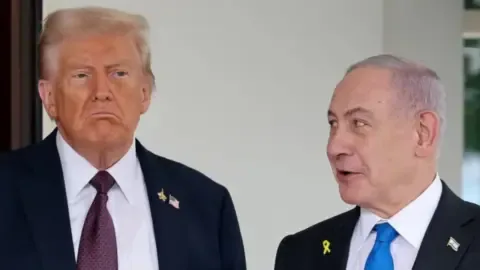
Initial reports from some outlets suggested that a 14-point deal had been signed between President Trump and Iranian President Masoud Pezeshkian. However, this claim has not been corroborated by other news sources covering the talks.
Multiple news organizations, including Mangalore Today, The Economic Times, inkl, and Radio Free Europe, have reported that negotiations are ongoing and no final agreement has been reached or signed. The White House and the Iranian foreign ministry have also not issued any statements confirming a signed deal.
The discrepancy highlights the challenges of breaking news, where early reports may be unverified. It is crucial to await confirmation from multiple reliable sources before accepting claims of a breakthrough.
While progress in talks cannot be ruled out, the existence of a signed deal remains unconfirmed. The focus remains on the verified threats of tolls and potential military actions.
Upcoming Friday Nuclear Talks
The next round of US-Iran nuclear talks is scheduled for Friday in Switzerland. Negotiators will aim to resolve key sticking points, including Iran’s demand for sanctions relief and US requirements for Iran to curtail its nuclear program and support for militant groups.
President Trump’s threat of tolls looms over these discussions. If an agreement is not reached, the US could implement these tolls, marking a significant escalation. Conversely, a successful deal, as reported by inkl, could result in the Strait of Hormuz remaining ‘permanently toll-free’.
These talks are being closely monitored by global oil markets, shipping companies, and governments. Switzerland’s role as a neutral mediator is crucial, leveraging its experience in hosting sensitive negotiations.
The outcome of these talks could have far-reaching implications for regional security and global energy markets. The US approach combines pressure tactics, like the toll threat, with the potential off-ramp of a toll-free strait if a deal is struck. Whether Iran accepts this path remains uncertain as negotiations continue.
References
- US-Iran Resume Dialogue Today As Trump Warns Of Tolls On Hormuz If Talks Fail – Original report (NDTV World)
- US-Iran Resume Dialogue Today As Trump Warns Of Tolls On Hormuz If Talks Fail – NDTV – NDTV initially reported a signed 14-point deal but no full text verified; title indicates dialogue resumed and toll warning.
- US-Iran Talks Resume in Switzerland; Trump Warns of Hormuz Tolls if Deal Fails – Mangalore Today – Mangalore Today confirmed that talks are resuming in Switzerland and Trump warned of tolls if negotiations fail.
- Trump warns of renewed strikes on Iran if nuclear talks fail, says US could become ‘guardian of the Middle – The Economic Times – The Economic Times added that Trump threatened renewed strikes on Iran and suggested the US could become guardian of the Middle East if talks fail.
- Trump says US-Iran deal will keep Strait of Hormuz 'permanently toll-free'; nuclear talks set for Friday in Switzerland – inkl – inkl reported Trump's claim of a 'permanently toll-free' strait if deal succeeds and that nuclear talks are set for Friday in Switzerland.
- Trump Insists No Tolls For Hormuz Passage — Unless Imposed By The US – Radio Free Europe/Radio Liberty – Radio Free Europe/Radio Liberty clarified Trump's position: no tolls for Hormuz passage unless imposed by the US, highlighting unilateral US leverage.