
At a Glance
Iran has announced the closure of the Strait of Hormuz, citing Israeli strikes in Lebanon as a violation of a fragile deal with the US. The US military has pushed back, stating it remains vigilant and that traffic is still flowing. The strategic waterway is crucial for global oil and LNG shipments, making any disruption a significant concern for international markets and economies.
Key Takeaways
The main points at a glance
- Iran claims to have closed the Strait of Hormuz in response to Israeli strikes in Lebanon, which it alleges violate a deal with the US.
- The US military has refuted Iran’s claim, asserting vigilance and stating that maritime traffic continues normally through the strait.
- The Strait of Hormuz is a critical chokepoint, vital for the global transport of approximately 20% of the world’s oil and significant amounts of LNG.
- A closure of the strait could lead to severe disruptions in global energy supplies and a sharp increase in oil prices.
- The situation highlights a complex geopolitical standoff involving Iran, Israel, and the United States, with differing interpretations of existing agreements.
- Independent verification of the strait’s traffic status is crucial to understanding the reality of Iran’s announcement.
Iran Announces Strait of Hormuz Closure
Iran has announced a sudden closure of the Strait of Hormuz to all shipping. This move is presented as a direct response to Israeli strikes in Lebanon, which Iran claims violate a fragile deal with the United States. According to NBC News, Iran cited ceasefire violations from continued Israeli operations in Lebanon as the reason for the closure. The announcement caught global markets and governments by surprise, with Iran signaling that it views the Israeli action as a breach requiring a forceful response. However, the United States quickly pushed back against Iran’s claim.
Why Iran Claims Strait of Hormuz Closure: Link to Lebanon Strikes
The timing of Iran’s announcement is directly linked to recent Israeli military operations in Lebanon. Iran views these strikes, carried out by a US ally, as a violation of an understanding or fragile deal with Washington. While the exact terms of this understanding are not fully public, Iran frames it as an agreement that requires adherence from both sides. From Tehran’s perspective, Israel’s actions in Lebanon crossed a red line, breaking ceasefire terms allegedly part of the US-Iran deal. As Iran backs Hezbollah in Lebanon, any attack on Lebanon is seen as a threat to its own interests. Therefore, Iran’s decision to announce the closure of the Strait of Hormuz is a strategic move to pressure the United States and Israel without direct military engagement. The message is that disruptions to global oil shipments will be Iran’s response to attacks on its allies.
US Military Responds to Strait of Hormuz Closure Claim
The US military responded swiftly to Iran’s announcement. Officials stated they remain vigilant to ensure the agreement is obeyed and are closely monitoring the situation. Reports from NDTV and The Times of Israel indicate the US military hinted at its capability to keep the strait open, leveraging its significant naval presence in the region, including the Fifth Fleet based in Bahrain. American warships regularly patrol the area, equipped to escort tankers and maintain open sea lanes. This response signals to Iran that the US is aware of the situation and will not passively accept the closure claim, maintaining a measured but firm stance without escalating rhetoric.
Conflicting Reports on Strait of Hormuz Traffic
The situation is complicated by conflicting reports regarding the actual status of the Strait of Hormuz. While Iran claims the strait is closed, US officials, as reported by Türkiye Today, state that traffic continues normally. This direct contradiction leaves the actual traffic status unverified by independent sources. Ship tracking data may provide clarity, but as of now, there is no confirmation. It is possible Iran’s announcement is a political statement rather than a physical blockade, as Iran may lack the naval power to completely seal the strait against US opposition. Alternatively, Iran might be using tactics like deploying mines or fast attack boats to threaten shipping, effectively creating a closure without a full naval blockade. The situation is a standoff, with Iran making a claim and the US disputing it, leaving the truth uncertain for the moment.
Strategic Importance of the Strait of Hormuz
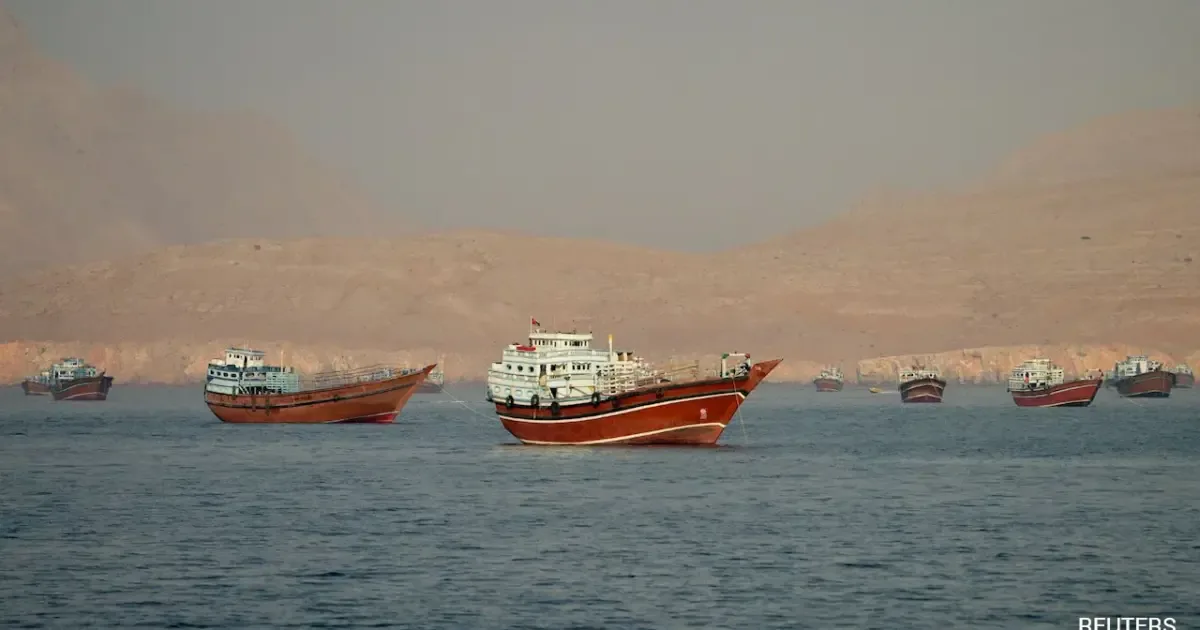
The Strait of Hormuz is a critical narrow waterway between Oman and Iran, connecting the Persian Gulf to the open ocean. Approximately 20% of the world’s oil passes through this channel daily, including shipments from Saudi Arabia, Iraq, the UAE, Kuwait, and Qatar, which have no other practical export routes. A blockage would severely disrupt global oil supplies, leading to immediate and sharp increases in oil prices and impacting economies worldwide. The strait is also a vital route for Liquefied Natural Gas (LNG), particularly for Qatar’s exports. The United States considers keeping Hormuz open a vital interest and has long committed to ensuring its passage. Iran leverages this strategic importance, using threats to the strait as a powerful tool to gain leverage far beyond its military size.
Understanding the Fragile US-Iran Deal
Iran’s reference to a “fragile deal” with the United States likely pertains to the 2015 Joint Comprehensive Plan of Action (JCPOA), or a less formal arrangement stemming from it. The JCPOA, an agreement between Iran and world powers to limit Iran’s nuclear program in exchange for sanctions relief, has been in jeopardy since the US withdrawal in 2018. Attempts to revive it have failed, suggesting the current arrangement might be an interim agreement or unwritten understandings. Iran believes this arrangement includes ceasefire commitments, and it claims Israeli strikes in Lebanon violate these terms. From Iran’s perspective, if the US cannot prevent its ally Israel from striking Lebanon, the deal is not being enforced equitably. Iran’s closure announcement is thus a way to demonstrate that violations have consequences. The US military’s statement about vigilance suggests Washington also views the situation through the lens of agreement enforcement, though interpretations of the deal’s terms clearly differ.
Reactions and Potential Next Steps
The immediate US military response is to monitor the situation closely. Future developments will depend on independent verification of the strait’s traffic status. If shipping continues normally, Iran’s claim may be dismissed as bluster. However, evidence of disruption would escalate the situation, likely causing nervous reactions in global oil markets due to trader aversion to uncertainty. Other major powers are expected to call for restraint, and diplomatic efforts may intensify. The core issue remains the Israeli strikes in Lebanon, which Iran may not cease until they stop. The US military might increase its naval presence around Hormuz and issue warnings to Iran. A worst-case scenario could involve a direct confrontation at sea, representing a significant escalation. Currently, the situation is marked by high tension and conflicting reports, with neither side backing down. The connection between the conflict in Lebanon and global oil security is now undeniable.
Frequently Asked Questions
What is the Strait of Hormuz and why is it important?
The Strait of Hormuz is a narrow waterway connecting the Persian Gulf to the open ocean, situated between Iran and Oman. It is critically important because about 20% of the world's total oil consumption passes through it daily, making it a vital chokepoint for global energy security.
Why did Iran claim to close the Strait of Hormuz?
Iran announced the closure, claiming it was a direct response to Israeli strikes in Lebanon. Iranian officials stated these strikes violated a fragile deal or understanding with the United States, which they believe includes ceasefire terms.
Did the US confirm Iran's claim about closing the Strait of Hormuz?
No, the US military pushed back against Iran's claim. US officials stated they are vigilant and monitoring the situation, asserting that maritime traffic through the Strait of Hormuz is continuing normally.
What are the potential consequences if the Strait of Hormuz were actually closed?
A closure would severely disrupt global oil and LNG supplies, leading to a sharp increase in energy prices worldwide. Economies heavily reliant on oil imports would be significantly impacted, potentially triggering a global energy crisis.
What is the 'fragile deal' Iran mentioned with the US?
While not fully detailed publicly, the 'fragile deal' likely refers to the 2015 Iran nuclear deal (JCPOA) or subsequent informal understandings. Iran believes this arrangement includes ceasefire commitments, which it claims Israel's actions in Lebanon have violated.
Are there conflicting reports about the strait's status?
Yes, there are conflicting reports. Iran claims the strait is closed, while US officials maintain that traffic is flowing normally. Independent verification is currently lacking.
References
- 'Vigilant To Ensure Deal Obeyed': US Military After Iran Shuts Hormuz – Original report (NDTV World)
- 'Vigilant To Ensure Deal Obeyed': US Military After Iran Shuts Hormuz – NDTV – NDTV reported the US military's statement of vigilance following Iran's closure of the strait, framing it as a direct response to the announcement.
- US military says it remains ‘vigilant’ after Iran announces Hormuz closure – The Times of Israel – The Times of Israel confirmed the US military's vigilant stance, emphasizing the direct response to Iran's closure announcement.
- Iran says Strait of Hormuz is closed over ceasefire violations after continued Israeli strikes in Lebanon – NBC News – NBC News provided the Iranian rationale for closure, attributing it to ceasefire violations due to continued Israeli strikes in Lebanon.
- Live blog – US-Israeli war on Iran – TRT World – TRT World's live blog contextualized the incident within a broader framework of US-Israeli conflict with Iran.
- US says Hormuz traffic flowing despite Iranian closure claim – Türkiye Today – Türkiye Today reported that US officials assert normal traffic flow through Hormuz despite Iran's claim of closure, introducing a direct conflict in accounts.