At a Glance
Iranian singer Parastoo Ahmadi has been sentenced to 74 lashes and a two-year ban from leaving the country and engaging in artistic activities by a court in Qom. The sentence stems from a concert performance where she did not wear a hijab, which was streamed online. This case highlights Iran’s strict enforcement of mandatory hijab laws and its crackdown on artistic freedom.
Key Takeaways
The main points at a glance
- Singer Parastoo Ahmadi received a sentence of 74 lashes and a two-year ban on leaving Iran and artistic activities.
- The sentence was issued by a court in Qom for performing a concert without wearing a hijab, which was streamed on YouTube.
- The punishment includes corporal punishment (lashing) and restrictions on travel and professional work.
- The case is seen as part of a broader crackdown on women’s rights and artistic expression in Iran, particularly following the 2022 Mahsa Amini protests.
- International human rights organizations have condemned the sentence as cruel and degrading.
- The legal basis for the sentence likely comes from Iran’s Islamic Penal Code, which allows for flogging for morality offenses.
An Iranian singer has been ordered to receive 74 lashes after performing a concert without wearing a hijab. This case highlights the ongoing crackdown on women’s rights and artistic freedom in Iran, particularly following the 2022 protests sparked by the death of Mahsa Amini.
Parastoo Ahmadi Sentenced to 74 Lashes and Bans
A criminal court in Iran’s Qom province sentenced singer Parastoo Ahmadi to 74 lashes. The punishment also includes a two-year ban on leaving the country and a two-year ban on all artistic activities. The sentence was issued by a branch of the Islamic Revolutionary Court, which often handles cases related to public morality.
The number 74 is significant, often associated with punishments for offenses against public morality or ‘spreading corruption on earth.’ This type of corporal punishment, typically carried out with a whip or cable, has been condemned by international human rights organizations as torture.
The travel and artistic bans are common supplementary punishments in Iran. They aim to restrict individuals from leaving the country or continuing their professional lives, effectively silencing them.
Reports indicate the court ordered 74 strokes for the group as a whole, suggesting multiple individuals may have been involved. However, Ahmadi is the most prominent figure in the case, and the identities of others are not fully disclosed.
It is not yet clear if the sentence is final. The use of the word ‘reportedly’ in some news outlets suggests the decision may be subject to appeal. Iran’s judicial system allows defendants to appeal sentences, and a higher court could potentially reduce or overturn the ruling.
The Incident: Performing Without a Hijab on YouTube
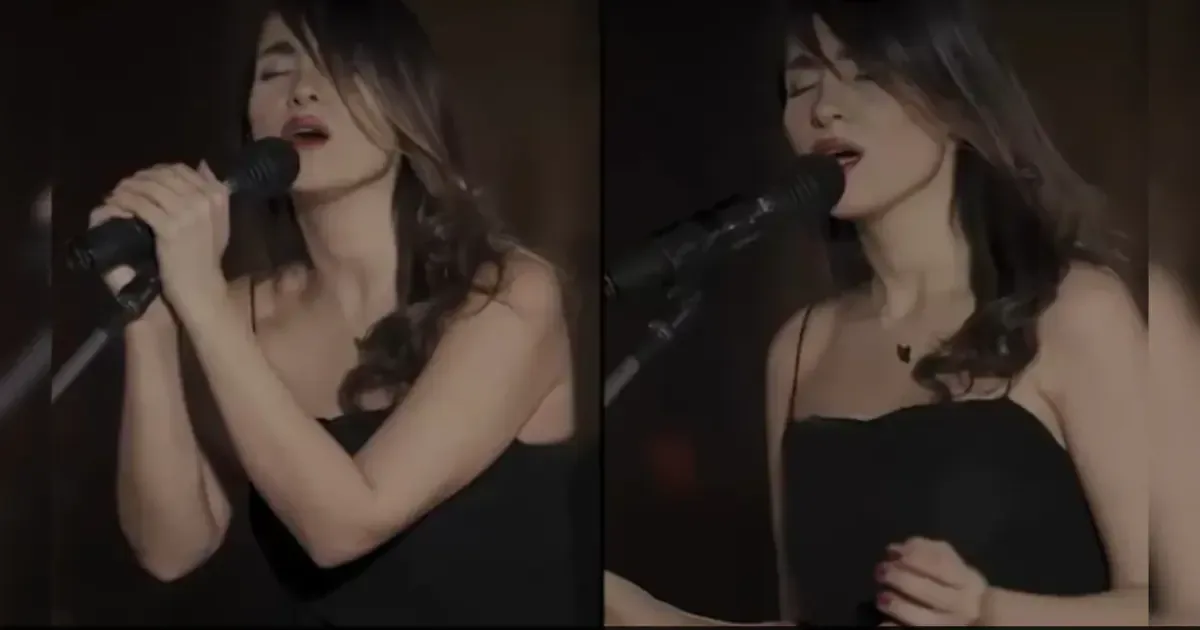
The legal action against Parastoo Ahmadi stems from a concert performance where she did not wear a hijab. The concert was streamed on YouTube, a platform that is blocked in Iran but accessible via VPNs.
Iranian law mandates that women cover their hair and wear loose-fitting clothing in public, including when performing on stage. This requirement has been in place since the 1979 Islamic Revolution.
Ahmadi appeared on stage with her hair uncovered during the performance. The video of this concert was later uploaded online, drawing the attention of authorities. It is unclear if the concert had official approval from Iran’s Ministry of Culture and Islamic Guidance, as such permissions are often required for public performances.
Performing without a hijab, especially if the concert was not officially sanctioned, likely led to the severe punishment. Ahmadi may have been convicted of multiple offenses, including violating hijab laws and performing without authorization.
Who is Parastoo Ahmadi?
Parastoo Ahmadi is an Iranian singer known for her work in traditional and pop music. She studied music at university and began her career performing at various events and on local television before gaining a wider audience online.
She has a following both within Iran and among the Iranian diaspora. Her music often blends classical Persian sounds with modern styles. While not as internationally famous as some other Iranian artists before this case, the sentence has brought her significant global attention.
Ahmadi’s decision to perform without a hijab aligns with a broader trend of defiance among Iranian women since the 2022 protests. The Mahsa Amini protests, triggered by her death in morality police custody for alleged hijab violations, saw widespread public dissent against mandatory dress codes.
Iran’s Strict Laws and Enforcement
Since the 1983 Islamic Revolution, Iran has enforced mandatory hijab laws for women in public. Non-compliance can lead to fines, lashing, or imprisonment. Enforcement has intensified since the 2022 protests, with morality police actively patrolling and new surveillance methods being employed.
Artists in Iran face scrutiny not only for dress code violations but also for their creative work. The Ministry of Culture and Islamic Guidance reviews all artistic content, and many artists have faced censorship or legal action for content deemed objectionable by the government.
Several Iranian musicians and actresses have faced similar punishments in recent years. These cases include singer Mohsen Yeganeh, pop star Sasy Sasy, and actress Hanieh Tavassoli, who received prison sentences and fines for various offenses related to public morality and dress codes.
The legal basis for Ahmadi’s 74 lashes likely stems from Article 638 of Iran’s Islamic Penal Code. This article allows for flogging for offenses such as openly violating Islamic norms or engaging in ‘sinful acts,’ and it has been frequently used to punish hijab violations.
Lashing sentences are not uncommon in Iran for morality offenses. Similar 74-lash sentences have been reported for alcohol consumption and other violations of public decency laws. The consistency of this penalty suggests it is a standard punishment for such offenses.
International Condemnation of the Sentence
The sentence against Parastoo Ahmadi has drawn criticism from international human rights organizations and Western governments. The case is expected to be raised during the United Nations Human Rights Council’s review of Iran’s human rights record.
Amnesty International has condemned the sentence as ‘cruel and degrading’ and called for the release of all prisoners of conscience in Iran. United Nations human rights experts have also criticized Iran’s use of corporal punishment, stating that lashing constitutes torture under international law.
While the United States and the European Union have imposed sanctions on Iranian officials involved in human rights abuses, these measures have had limited impact on the country’s internal judicial decisions. However, the international outcry continues to put pressure on the Iranian government.
On social media, widespread outrage has been expressed using hashtags like #FreeParastooAhmadi and #WomanLifeFreedom. Many Iranian celebrities and activists have also spoken out in support of Ahmadi, despite the risks involved.
Frequently Asked Questions
What is Parastoo Ahmadi's sentence?
Parastoo Ahmadi has been sentenced to 74 lashes. Additionally, she faces a two-year ban on leaving Iran and a two-year prohibition from engaging in any artistic activities.
Why was Parastoo Ahmadi sentenced?
She was sentenced for performing a concert without wearing a hijab. The performance was streamed on YouTube, and authorities deemed it a violation of Iran's mandatory dress code laws.
Is the sentence final?
It is not yet clear if the sentence is final. Some reports suggest the decision may be subject to appeal, meaning a higher court could review and potentially alter the ruling.
What are Iran's hijab laws?
Iran has enforced mandatory hijab laws for women in public spaces since 1983. Women are required to cover their hair and wear loose-fitting clothing. Failure to comply can result in penalties including fines, lashing, or imprisonment.
How has the international community reacted?
International human rights organizations like Amnesty International have condemned the sentence as cruel and degrading. United Nations experts have also criticized Iran's use of corporal punishment, calling lashing torture.
Are lashing sentences common in Iran?
Yes, lashing sentences are not uncommon in Iran for offenses related to public morality and dress code violations. The number 74 is often cited in such cases.
References
- Arrested Iranian Singer Parastoo Ahmadi To Get 74 'Lashes' For Performing Without Hijab – Original report (NDTV World)
- Arrested Iranian Singer Parastoo Ahmadi To Get 74 'Lashes' For Performing Without Hijab – NDTV – NDTV
- Iranian star Parastoo Ahmadi reportedly sentenced to 74 lashes for singing without hijab – The Guardian – Used the word 'reportedly' indicating the sentence may not be confirmed.
- Who is Parastoo Ahmadi, the Iranian singer sentenced to 74 lashes for performing without wearing a hijab? – Firstpost – Provided background on who Parastoo Ahmadi is.
- Parastoo Ahmadi: Iranian singer chop sentence to 74 lashes for performing without hijab on YouTube – BBC – Highlighted the YouTube performance and the lashing sentence.
- Iranian singer sentenced to 74 lashes for singing without hijab – Euronews.com – Emphasized the international reaction to the sentence.