At a Glance
Israel and Hezbollah have agreed to a ceasefire, creating a pause in recent fighting and impacting upcoming US-Iran talks in Switzerland. Meanwhile, Iran has closed the Strait of Hormuz, a critical global oil chokepoint, significantly raising regional tensions and complicating diplomatic efforts.
Key Takeaways
The main points at a glance
- A ceasefire has been agreed upon between Israel and Hezbollah, halting days of intense fighting in southern Lebanon.
- US diplomat JD Vance has resumed his trip to Switzerland for crucial talks with Iran, following an earlier cancellation due to rising tensions.
- Hezbollah’s ceasefire is significant as it is Iran’s main regional ally, potentially giving Iran more room to negotiate.
- Iran has closed the Strait of Hormuz, a vital waterway for global oil transport, in response to Israeli actions, creating a new flashpoint.
- The upcoming US-Iran talks in Switzerland are critical, with potential outcomes ranging from de-escalation to a wider regional conflict.
- The situation is highly volatile, with the ceasefire being fragile and the Strait of Hormuz closure posing a serious risk of naval conflict.
Israel-Hezbollah Ceasefire: A Pause in Fighting
Israel and Hezbollah have agreed to a ceasefire following days of intense conflict in southern Lebanon. This development occurred just as US diplomat JD Vance resumed his trip to Switzerland for crucial talks with Iran, marking a significant shift in regional dynamics.
The situation is evolving rapidly, with the ceasefire altering the immediate landscape and casting the US-Iran discussions in a new light. Officials across Washington, Tehran, and Beirut are closely monitoring the next steps.
This article provides a clear overview of the recent events, their implications for the region, and the sudden global concern over the Strait of Hormuz.
Understanding the Ceasefire in Lebanon
The ceasefire between Israel and Hezbollah represents the most significant news from the Middle East in recent days. NBC News first reported the agreement late Thursday, with both parties consenting to halt hostilities after a sharp escalation threatened to ignite a full-scale war.
Hezbollah, a powerful Lebanese militant group supported by Iran, is considered a direct threat to Israel’s northern border. The two entities have exchanged fire for weeks, but the conflict intensified this week with rockets reaching deeper into Israeli territory and Israeli airstrikes targeting southern Lebanon.
The ceasefire, though details are still emerging, essentially involves both sides stopping their attacks. Troops are expected to remain in their current positions for the time being. It is important to note that this is not being characterized as a peace treaty, but rather a temporary pause in the fighting.
The significance of this ceasefire for the US-Iran talks lies in Hezbollah’s role as Iran’s primary regional ally. Iran provides Hezbollah with financial backing, weaponry, and training. Consequently, when Hezbollah is engaged in conflict, Iran is indirectly involved. A cessation of hostilities by Hezbollah allows Iran more flexibility in its negotiations.
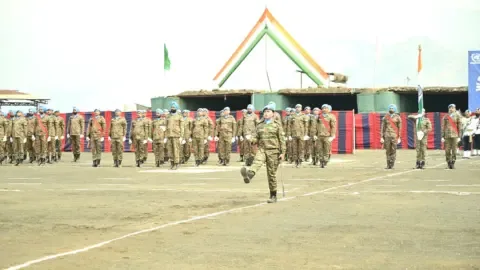
This ceasefire removes a major source of tension, at least temporarily. It could potentially ease the path for the talks in Switzerland, or conversely, introduce new complications if the truce falters. UN peacekeepers are present in Lebanon, monitoring the border, but the situation remains precarious, with the potential for renewed conflict if any misstep occurs. The timing of the diplomatic talks is therefore critically important.
JD Vance’s Switzerland Trip: A Diplomatic Rollercoaster
JD Vance, the US envoy for Middle East peace, initially planned to travel to Switzerland on Thursday for talks with Iran. However, the trip was canceled due to rising tensions in Lebanon, particularly following Israeli airstrikes in Beirut, which made the situation appear too unstable for high-level diplomacy.
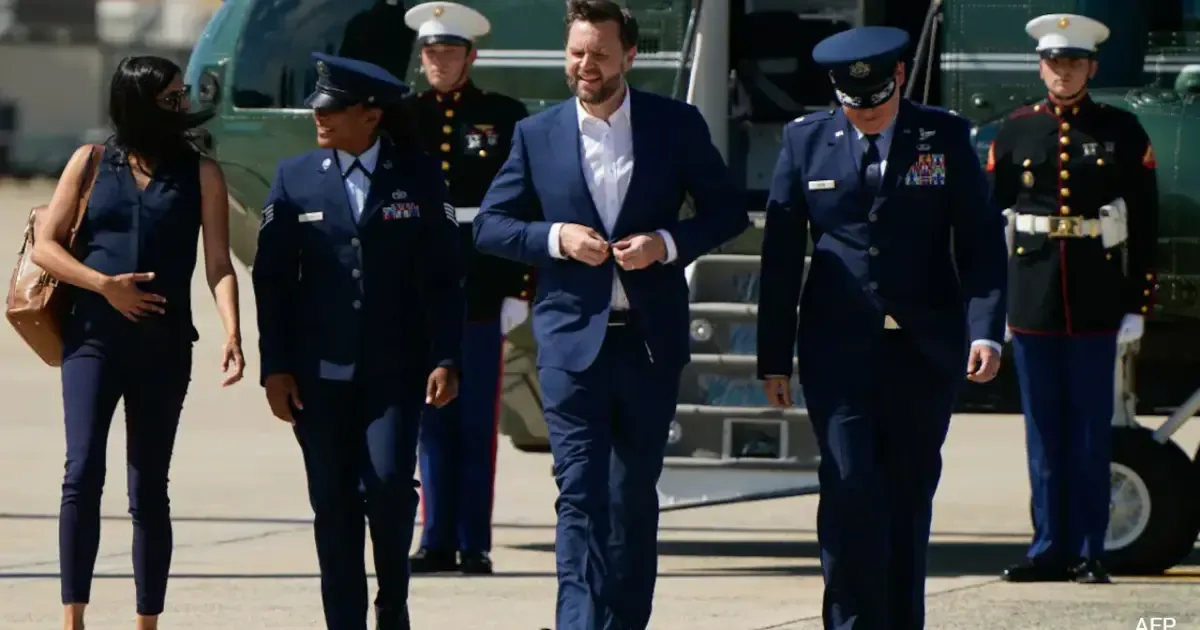
Following the announcement of the ceasefire, Vance revised his plans and is now en route to Switzerland. The talks are scheduled to commence on Sunday, according to Pakistani officials facilitating the meeting. The presence of veteran diplomat Steve Witkoff, who has extensive experience in Middle East affairs, alongside Vance underscores the seriousness with which the US is approaching these negotiations. The involvement of two envoys suggests parallel discussions on Iran’s nuclear program and broader regional stability.
The cancellation and subsequent rescheduling highlight the volatile nature of the situation. The region can shift from the brink of wider conflict to diplomatic engagement within a short period, making it challenging to track developments.
Vance’s role is pivotal, as he serves as the primary contact for any potential agreement with Iran and has direct access to the President. A successful framework agreement in Switzerland could represent a significant diplomatic achievement. However, the collapse of these talks could plunge the region back into conflict.
The Interplay Between Iran Talks and Lebanon Tensions
The relationship between progress in Lebanon and advancements in Iran talks is described as a “chicken and egg issue,” where neither can be fully resolved independently. Iran’s support for Hezbollah, which engages in conflict with Israel, creates a cycle of tension that the US aims to de-escalate.
The core issue is Iran’s regional influence, exerted through groups like Hezbollah. As long as Tehran continues to provide weapons and coordinate actions, Hezbollah retains the capacity to reignite conflict. The US seeks to curb this support, while Iran views it as a fundamental aspect of its foreign policy.
The Switzerland talks are crucial for addressing these complex issues. The US desires a comprehensive agreement covering Iran’s nuclear and missile programs, as well as its support for regional proxies. Iran, conversely, seeks the lifting of sanctions while preserving its regional standing.
The Lebanon ceasefire provides the US with leverage. If the truce holds, the US can point to the possibility of peace and advocate for further de-escalation. Conversely, if the ceasefire fails, the US can attribute blame to Iran and Hezbollah, potentially impacting the negotiation’s outcome. The situation in Lebanon is therefore not a peripheral concern but central to the entire negotiation process.
Strait of Hormuz Closure: A New Global Concern
Amidst the focus on Lebanon and Switzerland, Iran took a significant action by closing the Strait of Hormuz, as reported by the BBC on Thursday. Iran stated this move was a response to Israeli attacks in Lebanon.
The Strait of Hormuz, a vital waterway between Iran and Oman, connects the Persian Gulf to the open sea. Approximately 20 percent of the world’s daily oil supply, around 17 million barrels of crude oil, transits through this chokepoint. Its closure has immediate global repercussions, including spikes in oil prices and increased shipping costs, causing alarm among nations reliant on Gulf oil.
Closing the strait is a serious act, constituting a direct challenge to international trade, as international law mandates its openness to all vessels. Iran, however, views the strait as its territory and has previously threatened such action. This instance marks an actual closure.
The timing of this action is deliberate, occurring after Israel’s strikes in Lebanon and in response to Hezbollah’s calls for retaliation. It serves as a clear message: attacks on Iranian allies could lead to disruptions in global oil supplies.
This escalation significantly raises the stakes for the US-Iran talks. The US faces the challenge of responding to a blockade of a major global waterway. Potential responses range from attempting to force the strait open, which could lead to direct military confrontation with Iran, to accepting Iran’s control over global oil shipments, which is deemed unacceptable.
The closure of the Strait of Hormuz introduces a critical variable that could either redirect the focus of the Switzerland talks towards this immediate crisis or derail them entirely if the US opts for military intervention.
Looking Ahead: The Switzerland Talks and Regional Stability
The US-Iran talks in Switzerland are slated to begin on Sunday, with the US delegation led by JD Vance and Steve Witkoff, and Iran represented by its top nuclear negotiator. The discussions, expected to last several days, will focus on Iran’s uranium enrichment levels, its support for regional groups, and the lifting of US economic sanctions.
Mutual distrust and the failure of previous talks cast a shadow over the current negotiations. However, the recent ceasefire in Lebanon and the Strait of Hormuz closure have altered the stakes, potentially providing both sides with greater incentives to engage.
One potential outcome involves the US offering eased sanctions in exchange for Iran’s influence in maintaining the Lebanon ceasefire. This could lead to a temporary de-escalation, reopening of the Strait of Hormuz, and stabilization of oil prices.
Alternatively, the talks could collapse, leading to the continued closure of the strait, renewed fighting between Israel and Hezbollah, and increased US military presence in the Gulf, potentially escalating into a wider conflict.
The coming days are critical for determining the region’s trajectory. The fragility of the Lebanon ceasefire and the danger posed by the Strait of Hormuz closure necessitate careful diplomacy. Success in Switzerland hinges on both parties’ willingness to compromise: the US accepting Iran’s regional influence to some degree, and Iran agreeing to limitations on its nuclear program and support for proxies.
Pakistan’s role as an intermediary highlights regional desires for a resolution. Ultimately, the outcome in Switzerland will significantly influence the Middle East’s future, with the potential for relative calm or a dangerous escalation.
Frequently Asked Questions
What is the significance of the Israel-Hezbollah ceasefire?
The ceasefire is significant because it pauses intense fighting between two major regional actors. It also removes a key point of tension, potentially making upcoming US-Iran talks in Switzerland more manageable.
Why did JD Vance's trip to Switzerland get rescheduled?
JD Vance's trip was initially canceled due to escalating tensions in Lebanon, particularly Israeli airstrikes. After the ceasefire was announced, the situation was deemed stable enough to resume the diplomatic discussions.
What is the Strait of Hormuz and why is its closure important?
The Strait of Hormuz is a narrow waterway between Iran and Oman that connects the Persian Gulf to the open ocean. Approximately 20 percent of the world's daily oil supply passes through it, making its closure a major global economic concern.
How does Iran's support for Hezbollah affect the US-Iran talks?
Iran's backing of Hezbollah is a core part of its regional strategy. The US wants Iran to cease this support, while Iran sees it as vital. This issue is a central point of contention in the negotiations.
What are the main goals of the US-Iran talks in Switzerland?
The US aims to halt Iran's uranium enrichment, stop its support for regional militant groups, and address its missile program. Iran primarily seeks the lifting of economic sanctions.
What are the potential outcomes of the current situation?
The situation could lead to a period of relative calm if the ceasefire holds and talks progress, or it could escalate into a wider regional conflict if diplomacy fails and tensions rise further.
References
- US-Iran War News Live Updates: JD Vance On His Way To Switzerland For Iran Talks – Original report (NDTV World)
- Israel and Hezbollah agree to a ceasefire after intensified fighting threatens Iran talks – NBC News – Reports the ceasefire agreement between Israel and Hezbollah, linking it to potential impact on Iran talks.
- ‘Chicken and egg issue’: JD Vance heads to Switzerland for Iran talks, hopes for progress on Lebanon – The Economic Times – Highlights Vance's role and the 'chicken and egg' dynamic between Lebanon progress and Iran talks.
- U.S. envoy Witkoff headed to Switzerland for talks: media – The Hindu – Confirms US envoy Witkoff is also traveling to Switzerland for the talks.
- US-Iran talks to kick off Sunday in Switzerland, says Pakistan – Al Jazeera – Reports the talks start Sunday, with Pakistan as a key source.
- Iran says it has closed Strait of Hormuz over Israeli attacks in Lebanon – BBC – Reports Iran's closure of the Strait of Hormuz, linking it to Israeli attacks in Lebanon.