At a Glance
The room went silent for a moment. Then it erupted.
Key Takeaways
The main points at a glance
- The Clash: 'Be Quiet' – What Happened at the UN Hearing
- The Report That Sparked the Fire: Blacklisting Israel
- Israel's Response: Accusations of Bias and 'Obsession'
- The UN's Stance: Defending the Children and Armed Conflict Agenda
- Tensions in Context: A History of Israel-UN Spats Over Children's Rights
The Clash: ‘Be Quiet’ – What Happened at the UN Hearing
The room went silent for a moment. Then it erupted.
It was supposed to be a routine hearing at the United Nations. Diplomats and officials had gathered to discuss a sensitive topic: children caught in armed conflict around the world. But within minutes, the hearing turned into a shouting match.
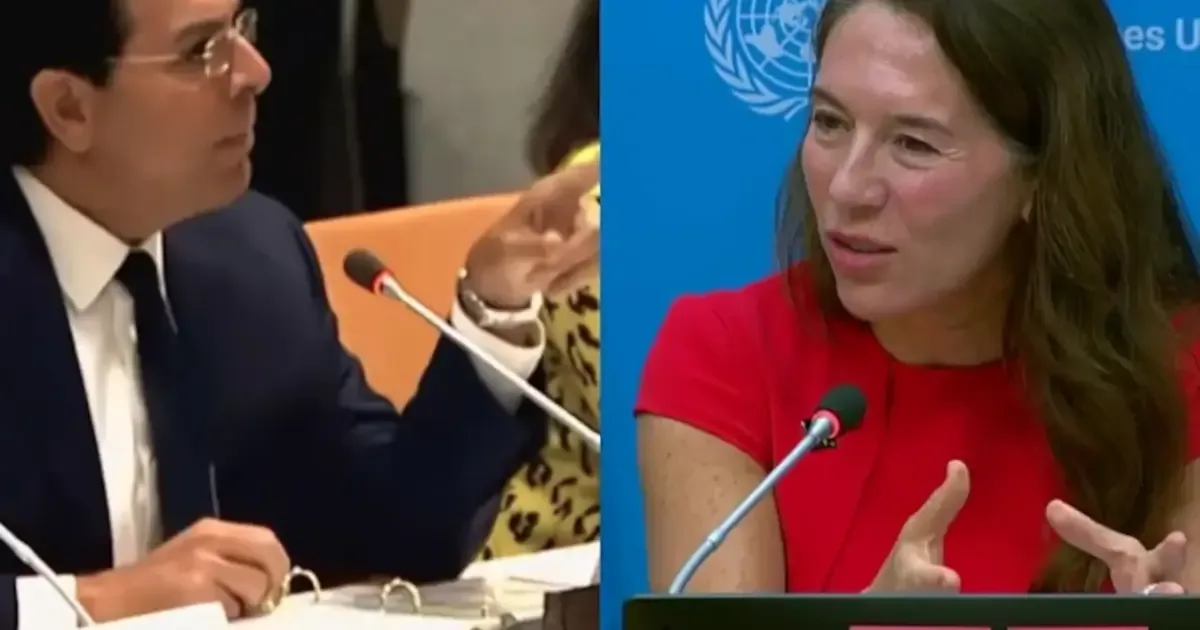
Israeli envoy Danny Danon stood up. He pointed at UN official Vanessa Frazier. And he told her, in front of everyone, to “be quiet.”
The moment was raw. It was loud. And it showed just how deep the anger runs between Israel and the United Nations over a report that blacklists Israel for alleged sexual abuses against children in conflict zones.
Frazier, a senior UN official, was speaking about the annual report on children and armed conflict. She was explaining why certain countries and armed groups get listed. Danon did not wait for her to finish.
He interrupted her. He raised his voice. And he ordered her to stop talking.
Other diplomats in the room watched in shock. This was not a private meeting. It was a public hearing, part of the UN’s formal process to review how children are affected by war. The exchange was captured on video and quickly spread online.
For many observers, the clash was a symbol of a much bigger problem. The UN says it is trying to protect children. Israel says the UN is unfairly targeting the Jewish state. And in that hearing room, the two sides collided.
Danon later said he acted because the report was biased. He argued that the UN has a history of singling out Israel while ignoring worse abuses by other countries and groups. Frazier, for her part, tried to continue with the agenda, but the damage was done.
The hearing was supposed to be about children. Instead, it became about the UN itself, and whether its processes are fair.
The Report That Sparked the Fire: Blacklisting Israel
What exactly was in this report that made Danon so angry?
Every year, the United Nations publishes a document called the “Children and Armed Conflict” report. It is a serious document. It lists every party around the world that commits grave violations against children in war zones.
These violations include killing children, maiming them, recruiting them as soldiers, attacking schools and hospitals, and committing sexual violence against children.
The report does not only name countries. It also names armed groups, rebel forces, and militias. The goal is to shame those responsible and push for accountability.
This year, the report included Israel. Specifically, it blacklisted Israeli forces for alleged sexual abuses against children in conflict zones. The allegations are serious. They involve claims that Israeli soldiers sexually assaulted Palestinian children during military operations.
Israel denies these allegations completely. Officials say the claims are false and part of a political campaign to discredit the country.
But the UN says its evidence is verified. The report is based on information collected by UN staff on the ground, along with reports from humanitarian groups and other sources. The UN says it only names parties when there is credible evidence of violations.
Israel has been listed in similar reports before. But this time, the inclusion of sexual abuse allegations raised the stakes. It was not just about military operations. It was about the safety and dignity of children.
The report also lists other countries and groups. For example, it names armed groups in Syria, Yemen, the Democratic Republic of Congo, and elsewhere. But Israel argues that it is treated differently. It says the UN applies a double standard, focusing on Israel while giving a pass to its enemies.
That is the core of the dispute. The UN says it is just reporting facts. Israel says the facts are being twisted.
Israel’s Response: Accusations of Bias and ‘Obsession’
Israel did not take the report quietly. In fact, the response was fierce.
Israeli officials immediately blamed UN Secretary-General Antonio Guterres. They accused him of having an “obsession” with Israel. They said the report was part of a pattern of bias against the Jewish state at the United Nations.
Danny Danon, the Israeli envoy, led the charge. He called the report “baseless” and “politically motivated.” He said the UN was using children’s rights as a weapon to attack Israel.
“This is not about protecting children,” Danon said. “This is about targeting Israel.”
He pointed out that the report does not name many other countries that commit far worse abuses. He asked why the UN focuses so much on Israel when there are conflicts in Syria, Myanmar, and elsewhere where children are being killed in large numbers.
Israel has a point, at least in part. The UN has a long history of resolutions and reports that criticize Israel more than any other country. Critics of the UN say this reflects an institutional bias. Supporters of the UN say it is because Israel’s actions are under more scrutiny due to the nature of the conflict.
But Israel’s anger goes beyond this report. It is about a broader feeling that the UN is unfair. Israeli officials often say that the UN’s Human Rights Council and other bodies are stacked against them.
In this case, the anger boiled over into a public confrontation. Danon did not just criticize the report. He directly challenged the UN official who was presenting it. And he did so in a way that shocked many in the room.
Some diplomats said Danon’s behavior was inappropriate. They said that shouting at a UN official undermines the seriousness of the issue. Others said they understood his frustration, even if they did not agree with his methods.
The incident highlighted a key question: Can the UN be trusted to report fairly on conflicts involving Israel? And if not, what does that mean for the credibility of its work?
The UN’s Stance: Defending the Children and Armed Conflict Agenda
Vanessa Frazier, the UN official at the center of the clash, did not back down. She continued with the hearing after Danon’s outburst, though the atmosphere was tense.
Frazier is a senior diplomat from Malta who serves as the UN’s point person on children and armed conflict. Her job is to oversee the report and ensure that the listing process is based on evidence, not politics.
She defended the report’s methodology. She said that the UN only includes parties when there is clear and verified information. She rejected the idea that the report is biased against Israel.
“We follow the facts,” Frazier said. “We do not target any country. We target violations.”
The UN’s Children and Armed Conflict agenda was created to protect children in war zones. It is one of the few international mechanisms that names and shames those who harm children. Supporters say it has helped save lives by putting pressure on armed groups and governments.
But the process is not perfect. Some countries have been listed for years without facing any real consequences. Others have been removed after political deals. Critics say the system is vulnerable to pressure from powerful countries.
In Israel’s case, the UN says the evidence of sexual abuse is credible. But it has not released all the details publicly. That has led to accusations that the allegations are unproven.
Frazier did not comment on the specific allegations during the hearing. She said the report speaks for itself. But that did not satisfy Israel.
The UN’s position is clear: it will continue to list parties that commit violations against children, regardless of political pressure. But the clash with Danon shows how difficult that can be when the accused country fights back.
Tensions in Context: A History of Israel-UN Spats Over Children’s Rights
This is not the first time Israel has clashed with the UN over children’s rights. In fact, it has become a recurring theme.
Israel has been listed in the Children and Armed Conflict report multiple times. In previous years, the report named Israeli forces for killing and injuring Palestinian children. Israel objected then too, but the protests were less dramatic.
What changed this year? Two things.
First, the inclusion of sexual abuse allegations. That is a particularly sensitive charge. It goes beyond military operations and touches on the moral standing of the country. Israel’s government sees it as an attempt to paint the entire military as criminal.
Second, the political climate. Israel’s current government is more confrontational with international institutions than previous ones. Prime Minister Benjamin Netanyahu has long criticized the UN as biased. His allies in the foreign ministry have taken a harder line.
Danny Danon is known for being a tough negotiator. He has served in the UN for years and has often spoken out against what he sees as anti-Israel bias. But this time, his outburst crossed a line for some.
The UN, for its part, has tried to maintain that it treats all countries equally. But the numbers tell a different story. The UN has issued more resolutions against Israel than against any other country. That fact is not in dispute.
Israel’s supporters say this proves bias. The UN says it is because Israel’s actions are more frequently brought to its attention by member states.
The clash over children’s rights is part of a larger pattern. Israel and the UN have fought over settlements, human rights, and the status of Jerusalem. Each dispute deepens the mistrust.
But children’s rights is supposed to be a universal issue. It is hard to argue against protecting children. Yet even here, politics gets in the way.
The shouting match at the hearing shows how personal these disputes have become. It is no longer about policy. It is about anger and frustration on both sides.
What This Means for Future Accountability and Diplomacy
The clash between Danon and Frazier is more than a dramatic moment. It has real consequences for how the UN works and how countries respond to accountability.
First, it undermines the credibility of the Children and Armed Conflict report. When a country like Israel aggressively challenges the report, other countries may feel emboldened to do the same. That could weaken the entire system.
Second, it makes diplomacy harder. If Israeli officials feel they cannot get a fair hearing at the UN, they may disengage entirely. That would be a loss for everyone, because the UN needs cooperation from all countries to protect children.
Third, it raises questions about the evidence. The UN says it has verified information about sexual abuse. But if it does not share that evidence, accusations of bias will continue. Transparency is key to credibility.
Other countries listed in the same report have responded differently. Some have denied the allegations quietly. Others have promised to investigate. But Israel’s loud and confrontational response is unusual. It reflects the deep political divide between Israel and the UN.
Vanessa Frazier’s role in all this is also important. She is a career diplomat, not a politician. She is known for being careful and measured. But she was caught in the middle of a political firestorm. Her ability to continue her work may be affected by the clash.
For now, the report stands. Israel remains blacklisted. The allegations of sexual abuse remain on the record. But the shouting match has shifted the focus away from the children themselves and onto the politics of the UN.
That is a tragedy, according to some human rights groups. They say that children in conflict zones need protection, not political battles. But in the real world, politics always finds its way in.
The clash at the UN hearing is a reminder that even the most noble goals can be derailed by mistrust and anger. The question now is whether both sides can find a way back to dialogue, or whether this incident will deepen the divide.
For the children caught in conflict, the answer matters more than any shouting match.
Frequently Asked Questions
What happened at the UN hearing?
During a UN hearing about children in armed conflict, Israeli envoy Danny Danon interrupted UN official Vanessa Frazier and told her to 'be quiet.' This happened because Danon was angry about a report that blacklisted Israel for alleged sexual abuses against children.
What is the UN's 'Children and Armed Conflict' report?
This is an annual report by the United Nations that lists parties, including countries and armed groups, who commit serious violations against children in war zones. These violations can include killing, maiming, recruiting child soldiers, and sexual violence.
Why was Israel blacklisted in the report?
Israel was blacklisted in the report due to allegations of sexual abuses against children in conflict zones. The report specifically mentioned claims that Israeli soldiers sexually assaulted Palestinian children.
How did Israel respond to being blacklisted?
Israel strongly denied the allegations, calling the report baseless and politically motivated. Israeli officials accused the UN of having an 'obsession' with Israel and applying a double standard.
What did Danny Danon say about his actions?
Danny Danon stated that he acted because he believed the report was biased and unfairly targeted Israel. He argued that the UN often ignores worse abuses by other countries while focusing on Israel.
What is Israel's main argument against the UN report?
Israel's main argument is that the UN unfairly targets the Jewish state and applies a double standard. They believe the UN is biased against them and uses children's rights as a weapon to attack Israel.
What is the UN's position on the allegations?
The UN maintains that its evidence is verified and collected by UN staff on the ground and from other credible sources. They state they only name parties when there is sufficient evidence of violations.
References
- "Be Quiet": Israeli Envoy, Top UN Official Clash At Hearing On Children In Conflict – Original report (NDTV World)
- "Be Quiet": Israeli Envoy, Top UN Official Clash At Hearing On Children In Conflict – NDTV – This duplicate source provided no additional information beyond the title.
- Israeli envoy and UN official clash at hearing on children in conflict – Devdiscourse – Devdiscourse repeated the basic facts of the clash without additional details.
- Watch: UN hearing on Palestinian children turns into shouting match; Israel blames Guterres' 'obsession o – The Times of India – The Times of India provided the unique angle that the hearing became a 'shouting match' and reported Israel's blame of Guterres' 'obsession'.
- Boy, girlfriend jump into canal to escape assault in Ludhiana – The Tribune – The Tribune
- Israel, Hezbollah agree ceasefire as 47 killed in Lebanon – The New Arab – The New Arab