At a Glance
U.S. Vice President JD Vance publicly criticized Israeli leaders for opposing the Trump administration’s Iran deal, telling them to “smell the reality.” This marks a rare public rift between the U.S. and Israel, with Vance asserting that Israel should accept the deal despite its security concerns. The dispute highlights differing views on how to handle Iran’s nuclear program and deepens existing tensions between the two allies.
Key Takeaways
The main points at a glance
- JD Vance publicly rebuked Israeli leaders, including Prime Minister Netanyahu, for criticizing the Trump-era Iran deal.
- Vance’s strong language, telling Israel to “smell the reality,” signals a significant public disagreement between the U.S. and its close ally.
- Israel’s criticism stems from its view of Iran as an existential threat and concerns that the deal does not sufficiently prevent Iran from developing nuclear weapons.
- The dispute highlights differing U.S. and Israeli strategies regarding Iran, with Israel favoring maximum pressure and the U.S. pursuing a diplomatic approach.
- Vance’s comments coincide with U.S. military actions, including the lifting of a blockade, adding complexity to the diplomatic spat.
- The rift risks weakening the U.S.-Israel alliance at a critical time for Middle East stability and could embolden adversaries like Iran.
U.S. Vice President JD Vance recently delivered a strong public rebuke to Israeli leaders, urging them to “smell the reality” after they criticized the Trump administration’s deal with Iran. These remarks signal a significant and unusual public disagreement within the typically close alliance between the United States and Israel.
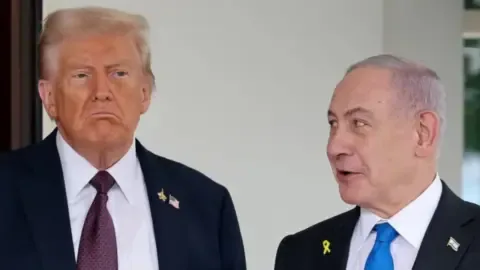
Vance’s comments, reported by outlets like The Washington Post and The Economic Times, specifically targeted Israeli Prime Minister Benjamin Netanyahu and other officials who have voiced opposition to the U.S.-Iran agreement. The vice president made it clear that Washington would not tolerate continued criticism from its long-standing ally on this matter.
JD Vance’s Blunt Rebuke: ‘Smell the Reality’
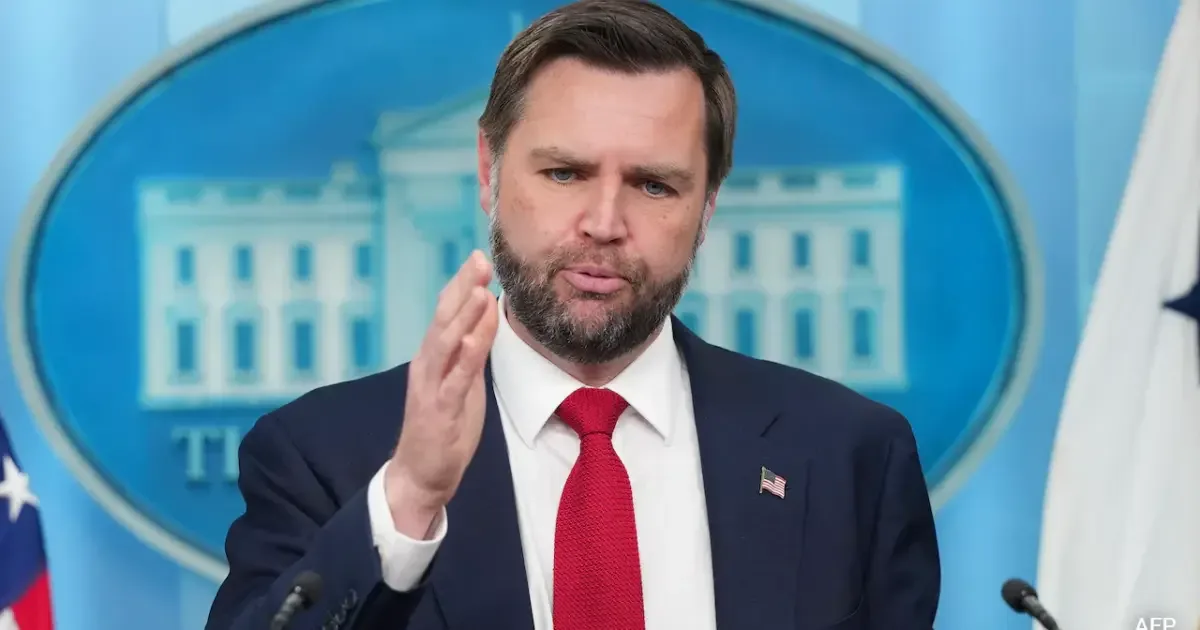
Speaking to reporters, Vance was direct. He stated that Israeli officials needed to “wake up and smell the reality” of the current situation. This phrase quickly became a central theme of the story, widely reported by news organizations globally.
According to The Economic Times, Vance directly criticized Netanyahu for his stance on the Iran deal. The Washington Examiner reported that Vance also lambasted Israeli officials for criticizing both former President Donald Trump and the Iran agreement. The message was unequivocal: Israel should cease its objections and accept the deal.
Vance’s tone was notably unusual for a senior U.S. official addressing Israel. Historically, U.S. presidents and vice presidents have largely avoided public disputes with Israeli leaders, preferring to handle disagreements privately. This public admonishment suggests a shift in diplomatic strategy.
The vice president not only disagreed with Israel’s position but also urged them to align with the U.S. stance. He implied that Israel’s criticism was not only incorrect but also detrimental to U.S. interests. Vance’s direct language emphasized that the Trump administration expects adherence from its allies, even when disagreements arise.
Multiple sources, including RFI, characterized Vance’s statement as a warning. The message was clear: refrain from criticizing the Iran deal to avoid repercussions. This warning came at a time when U.S.-Israel relations were already strained, potentially widening the existing gap between the two nations.
Why Israel Criticized the Iran Deal
The catalyst for Vance’s strong reaction was a series of statements from Israeli officials, particularly Prime Minister Netanyahu, criticizing the Iran deal negotiated under the Trump administration. Israeli leaders have consistently opposed any agreement that permits Iran to maintain aspects of its nuclear program.
Israel has long considered Iran its primary adversary. Iranian leaders have repeatedly called for Israel’s destruction, and Israel perceives a nuclear-armed Iran as an existential threat. For years, Israel urged the U.S. to adopt a firm stance against Iran, including withdrawing from the 2015 nuclear deal, known as the Joint Comprehensive Plan of Action (JCPOA).
Israel welcomed Trump’s withdrawal from the JCPOA in 2018. The Trump administration subsequently imposed severe sanctions on Iran, a policy strongly supported by Israel. However, the Trump-era deal Vance is now defending is distinct from the JCPOA. It represents a separate, more recent agreement or approach, the specifics of which remain somewhat unclear.
Israeli officials expressed disappointment and concern upon learning the details of this new agreement. They contended that it did not sufficiently prevent Iran from developing a nuclear weapon. Some Israeli politicians described the deal as a “surrender” to Iran, comments that reached Washington and reportedly angered the vice president.
According to the Washington Examiner, Israel’s criticism extended to Donald Trump personally. Certain Israeli officials questioned Trump’s judgment regarding Iran policy, a point that evidently resonated within the administration. Vance’s response aimed to silence such criticisms and reassert U.S. authority on the issue.
The Iran Deal at the Core of the Dispute
The central issue in this diplomatic conflict is the Iran deal itself. While the precise terms of the agreement are not fully public, reports indicate it involves some form of sanctions relief for Iran in exchange for limitations on its nuclear activities. This approach signifies a departure from the “maximum pressure” policy pursued during Trump’s first term.
Israel’s primary concern is that the deal will permit Iran to continue enriching uranium, even at reduced levels. From Israel’s perspective, any enrichment capability provides Iran with the potential to develop a nuclear weapon. Israeli intelligence has long warned that Iran could be mere months away from possessing sufficient fissile material for a nuclear device.
The current deal under discussion differs from the JCPOA, negotiated by the Obama administration with five other world powers. The JCPOA imposed strict limits on Iran’s enrichment activities in exchange for the lifting of most international sanctions. Trump withdrew from it in 2018, labeling it a “terrible deal.”
Currently, Trump is reportedly pursuing a new agreement with Iran, potentially one that is more limited in scope. Although details are still being finalized, initial indications suggest it might include some sanctions relief without completely dismantling Iran’s nuclear infrastructure. This is precisely the scenario Israel fears.
Israeli officials have argued that any agreement leaving Iran with nuclear capabilities is fundamentally flawed. They have urged the U.S. to maintain maximum pressure until Iran relinquishes all enrichment activities. However, Vance’s comments suggest the Trump administration has adopted a different strategy, prioritizing a diplomatic resolution over sustained confrontation.
The Iran deal also carries domestic political implications within the U.S. Certain conservative supporters of Trump oppose any agreement with Iran, viewing it as rewarding undesirable behavior. By defending the current agreement, Vance appears to be taking a political risk within his own base. He seems to believe that stabilizing the Middle East and reducing tensions with Iran are objectives worth the potential political cost.
Deepening Rift Between U.S. and Israel
Vance’s remarks are not isolated; they reflect a growing divergence between the United States and Israel on critical policy matters, particularly concerning Iran. WSAV-TV explicitly noted that Vance’s comments were “deepening the rift” between the two allies.
The U.S.-Israel relationship has historically experienced periods of both closeness and tension. Even during the Trump administration, widely perceived as highly supportive of Israel, moments of friction occurred. Trump’s decision to recognize Jerusalem as Israel’s capital and relocate the U.S. embassy there was met with strong approval from Israel. However, disagreements over West Bank settlements and the future of Palestinian territories created strain.
Under the Biden administration, relations became more complex. Biden expressed criticism of certain Israeli policies and advocated for a two-state solution. Yet, the current rift involving Vance and Trump is distinct, originating from a Republican administration that Israel anticipated would be its staunchest ally.
A report from The Washington Post added another dimension, noting that Vance’s remarks coincided with the U.S. military lifting a blockade. The nature of this blockade is not fully detailed in the reporting, but it suggests a broader military context to the diplomatic dispute. Some experts speculate the blockade might have related to naval operations in the Persian Gulf or the Red Sea.
The combination of a lifted blockade and a public reprimand of Israel sends a complex message. On one hand, the U.S. is undertaking military actions with regional implications. On the other, it is instructing Israel to remain silent on Iran policy. This creates ambiguity regarding U.S. strategy and its long-term objectives in the Middle East.
Israeli media responded sharply to Vance’s comments. Some Israeli commentators expressed surprise at a senior U.S. official addressing Israel in such a dismissive manner. Others argued that Israel should maintain its position and continue to voice its security concerns, irrespective of Washington’s demands.
At an official level, the Israeli government has not yet issued a formal response to Vance’s remarks. However, behind the scenes, diplomats are working to manage the repercussions. The Israeli embassy in Washington is reportedly seeking to arrange a private meeting between Netanyahu and Vance to de-escalate the situation.
This rift emerges at a precarious time. The Middle East is already volatile, with ongoing conflicts in Gaza, Lebanon, and Yemen, alongside persistent tensions with Iran. A division between the U.S. and Israel weakens an alliance that has been fundamental to U.S. policy in the region for decades. It also potentially emboldens Iran and other adversaries who may perceive division among their opponents as an opportunity.
Context: U.S. Military Actions and the Blockade
The diplomatic dispute did not occur in isolation. The Washington Post reported that Vance’s comments were linked to a U.S. military decision to lift a blockade. While the specific details of the blockade are limited, it appears to have been a naval or logistical measure restricting movement in a critical waterway or region.
An RSS item from NDTV included a claim that the U.S. and Israel jointly initiated a war against Iran on February 28. This claim could not be corroborated by other sources, and none of the related news articles mention the launch of a war. It is possible the RSS item conflated a military operation with the broader diplomatic conflict.
What is evident is that the U.S. has been actively engaged in military operations within and around Iran’s sphere of influence. The lifting of a blockade suggests a potential easing of some pressure campaign, possibly as a gesture toward Iran in the context of the new deal.
Israel, concurrently, has been conducting its own operations against Iran-backed groups in Syria and other locations. The Israeli military frequently targets sites associated with Iran’s elite Revolutionary Guard Corps. Israel also asserts that it has thwarted Iranian plans to attack Israeli or American assets.
The lifting of the blockade could be interpreted as a signal of de-escalation in military tensions between the U.S. and Iran. This would align with Vance’s advocacy for a diplomatic agreement. However, Israel views de-escalation as a misstep, arguing that only military pressure compels Iran to alter its behavior.
This disagreement over strategy is central to the current rift. Israel favors maximum military and economic pressure. The U.S., under Trump and Vance, appears to be moving towards a more nuanced approach combining limited military engagement with diplomacy.
The blockade issue also underscores the coordination between U.S. and Israeli militaries. The two nations share a long history of joint operations and intelligence sharing. A breakdown in political trust could impact military cooperation. If Israeli leaders feel publicly undermined by Washington, their willingness to share sensitive intelligence or coordinate operations might diminish.
Some analysts have cautioned that the public dispute could negatively affect the operational relationship between the two militaries. While U.S. and Israeli military leaders continue to collaborate, the political climate may hinder their full operational effectiveness.
Future Outlook: Fallout and Reactions
The immediate aftermath of Vance’s comments is likely to involve a period of heightened tension and efforts to manage the situation. Diplomatic sources indicate that both sides recognize the potential damage and are seeking ways to reduce friction.
Prime Minister Netanyahu has not publicly responded to Vance’s rebuke. However, individuals close to the prime minister report his anger and sense of betrayal. He reportedly believed that Trump’s team understood Israel’s security concerns and is now being asked to accept a deal he considers perilous.
Some opposition politicians in Israel have criticized Netanyahu for aligning too closely with the Trump administration without securing firm guarantees regarding Iran. They advocate for Israel to pursue a more independent foreign policy rather than relying on any single U.S. president.
In Washington, reactions are varied. Some Republican lawmakers have supported Vance, asserting that Israel should trust the U.S. to manage Iran policy. Others have expressed concern that the public dispute could weaken the alliance. Democratic lawmakers, generally critical of Trump, have largely remained silent, observing the unfolding situation.
The Iran deal itself remains in a precarious state. If Israel continues its public opposition, it could undermine the deal’s credibility among other regional nations, such as Saudi Arabia and the United Arab Emirates. These countries also view Iran as a threat but have shown more openness to diplomacy recently.
European allies are closely monitoring the developments. The U.K., France, and Germany, all signatories to the original JCPOA, have continued to engage with Iran on nuclear matters. They have expressed cautious support for any new agreement that limits Iran’s program but have also urged the U.S. and Israel to resolve their differences privately.
Russia and China, both with interests in Iran, are likely to benefit from U.S.-Israel tensions. Both nations have strengthened ties with Iran in recent years, and any rift between Washington and Jerusalem weakens the unified Western front against Tehran.
For JD Vance, this incident reinforces his image as a direct and assertive figure. He has assumed a significant role in foreign policy under Trump, and this event demonstrates his willingness to confront even close allies. Supporters view this as a strength, while critics perceive it as potentially reckless.
The situation calls for a resolution. Israel and the U.S. must determine whether they can collaborate on Iran policy or if their paths will diverge. For the moment, the onus is on Israel. If Netanyahu and other officials persist in criticizing the deal, they can anticipate further public admonishments from Washington. Conversely, if they choose a different approach, the dynamic may shift.
Frequently Asked Questions
What did JD Vance tell Israeli leaders?
JD Vance told Israeli leaders to 'smell the reality' and 'wake up' regarding the Trump administration's Iran deal. He criticized their public opposition and urged them to accept the agreement.
Why is Israel criticizing the Iran deal?
Israel views Iran as a major threat and believes the deal does not adequately prevent Iran from developing nuclear weapons. Israeli leaders have long advocated for a harder line against Iran's nuclear program.
What is the 'Iran deal' being discussed?
The deal is a separate agreement or approach negotiated by the Trump administration, distinct from the original 2015 JCPOA. Details are not fully public, but it reportedly involves sanctions relief for Iran in exchange for limits on its nuclear activities.
How does this dispute affect U.S.-Israel relations?
The public criticism deepens an existing rift between the U.S. and Israel. It marks an unusual public disagreement, potentially straining their long-standing alliance at a sensitive time in the Middle East.
What was the context of Vance's comments regarding military actions?
Vance's remarks were reportedly linked to the U.S. military lifting a blockade, suggesting a broader military and diplomatic context. This action might signal a de-escalation by the U.S., contrasting with Israel's preference for continued pressure.
What are the potential consequences of this rift?
The rift could weaken the U.S.-Israel alliance, potentially embolden Iran and other adversaries, and complicate regional stability. It also raises questions about future military and intelligence cooperation.
References
- "Smell The Reality": JD Vance Slams Israel For Criticising Iran Deal – Original report (NDTV World)
- ‘Israel should wake up & smell reality’: Vance SLAMS Netanyahu over CRITICISING Trump’s Iran deal – The Economic Times – Highlights Vance's direct criticism of Netanyahu over the Iran deal, using the 'smell reality' phrase.
- Vance slams Israeli reaction to Iran deal as U.S. military lifts blockade – The Washington Post – Adds context that the U.S. military lifted a blockade, linking Vance's remarks to a military action.
- Vance warns Israel against criticizing US-Iran deal – RFI – Frames Vance's statement as a warning to Israel not to criticize the deal.
- Vance lambastes Israeli officials criticizing Trump and Iran deal: ‘Smell the reality’ – Washington Examiner – Emphasizes that Vance's criticism targeted both Trump and the Iran deal, using the exact quote.
- JD Vance slams Israeli officials who criticized Iran deal, deepening rift between allies – WSAV-TV – Notes the deepening rift between the U.S. and Israel as a result of Vance's comments.