At a Glance
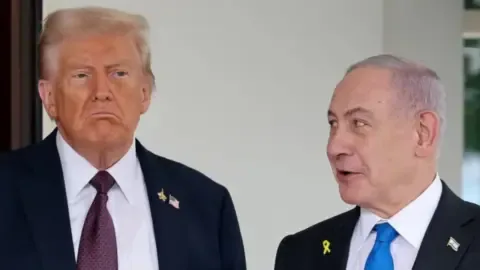
Reviving the Iran nuclear deal faces significant hurdles as Iran has advanced its uranium enrichment to 60 percent, far beyond the original limits. The US and Iran are at odds over the sequence of sanctions relief and nuclear concessions, while broader issues like Iran’s missile program and IAEA inspections remain contentious. Former President Trump’s threats of severe action add another layer of complexity to the already challenging negotiations in Vienna.
Key Takeaways
The main points at a glance
- Iran has significantly advanced its nuclear program, enriching uranium to 60%, a level close to weapons-grade, complicating efforts to revive the 2015 deal.
- Disagreements persist over the core issues of sanctions relief and nuclear program rollback, with the US demanding Iran comply first and Iran seeking immediate sanctions removal.
- Iran’s regional influence and adaptation to sanctions have strengthened its position, making it more resilient to external pressure and less inclined to make concessions.
- Former President Trump’s threats of ‘something very tough’ introduce uncertainty and potential escalation, while Iran’s leaders cite past US withdrawals as a reason for distrust.
- The Vienna talks involve multiple international powers, but progress is slow due to deep-seated mistrust and conflicting interests among the negotiating parties.
- Potential outcomes range from a new agreement to a prolonged stalemate or even military conflict, with each scenario carrying significant geopolitical implications.
The United States is navigating a complex situation in Vienna as negotiators attempt to revive the Iran nuclear deal. However, the path forward is fraught with significant obstacles. Iran has advanced its nuclear program considerably, exceeding the limits set by the original agreement. Meanwhile, former President Donald Trump has issued warnings of severe retaliation if his demands are not met.
Key Challenges in Reviving the Iran Nuclear Deal
The current Iranian nuclear program differs significantly from the one that agreed to the 2015 Joint Comprehensive Plan of Action (JCPOA). The original deal limited Iran’s uranium enrichment to 3.67 percent and restricted its stockpile of enriched material. In return, economic sanctions imposed by the US and other world powers were lifted.
In 2018, President Trump withdrew the US from the JCPOA, citing concerns about Iran’s missile program and its support for militant groups. He reinstated stringent sanctions, prompting Iran to gradually increase its nuclear activities beyond the agreed-upon limits.
Currently, the International Atomic Energy Agency (IAEA) reports that Iran is enriching uranium to 60 percent purity. This level is substantially higher than the 3.67 percent cap and is nearing the 90 percent threshold required for a nuclear weapon. This escalation in Iran’s nuclear capabilities is central to the ongoing diplomatic standoff.
Sticking Points: Uranium Enrichment and Sanctions Relief
Any potential new agreement must address the same fundamental issues as the original JCPOA, but with altered circumstances. Iran’s enrichment level has risen from 3.67 percent to 60 percent, a dramatic increase. Negotiators face the challenge of determining how Iran will reduce this capacity.
A major question is the extent to which Iran will agree to lower its enrichment levels. Some experts believe that returning to 3.67 percent is unlikely. Iran has invested years in developing advanced centrifuges and has accumulated enriched material, gaining technical knowledge that cannot be easily reversed.
Sanctions relief remains another significant hurdle. The US insists that Iran must first comply with nuclear restrictions before sanctions are lifted. Conversely, Iran desires the immediate lifting of sanctions to verify economic benefits before scaling back its nuclear program. This deadlock has previously stalled progress.
Broader Concerns: Missiles and Inspections
The original deal did not encompass Iran’s ballistic missile program. The Trump administration has made it clear that any new agreement must include limits on these missiles, a demand that Iran has rejected. Iran maintains that its missile program is defensive and not subject to negotiation.
IAEA inspections also present a sensitive issue. Iran has limited access to certain sites and has denied specific IAEA requests. A new deal would need to reinstate comprehensive inspection authorities, but mutual trust is currently low.
Iran’s Strengthened Position: Resilience to Pressure
Iran’s current geopolitical standing is more robust than in 2015. Several factors contribute to its increased confidence and reduced vulnerability to external pressure.
Economic Adaptation and Regional Influence
Iran has adapted to sanctions by finding alternative methods for oil sales and trade with countries like China and Russia. While its economy faces difficulties, the government has demonstrated resilience. The regime has not collapsed despite economic hardship.
Furthermore, Iran has expanded its regional influence by supporting various militias in the Middle East. These alliances provide Iran with leverage, making some nations hesitant to adopt a hardline stance against Tehran for fear of wider conflict.
Nuclear Advancement and Mistrust of the US
Iran has demonstrated its ability to advance its nuclear program, enriching uranium to 60 percent and developing sophisticated centrifuges. Reversing this progress would be politically challenging for Iranian leaders, who have promoted the nuclear program as a symbol of national achievement.
A significant factor is the lack of trust in the US following the withdrawal from the JCPOA. Iranians fear that a future US administration could again abandon an agreement. This concern leads them to demand stronger assurances, such as guarantees that sanctions relief will be permanent.
Reports suggest Iran is increasingly willing to withstand external pressure, viewing time as an advantage. As long as it can maintain oil exports, it can afford to wait for more favorable terms, making negotiations more protracted.
Trump’s Stance: Threats of ‘Something Very Tough’
On the US side, President Trump has presented a mixed approach. While his administration has participated in talks, he has also threatened significant retaliation if negotiations fail.
Trump’s warning of ‘something very tough’ has created uncertainty, potentially signaling further sanctions or military action. This ambiguity serves as a negotiating tactic.
The US demands include preventing Iran from acquiring nuclear weapons, potentially requiring a complete halt to enrichment or very limited capabilities. Additionally, the US seeks restrictions on Iran’s missile program and its support for regional groups.
These demands are considered maximalist by some, and Iran has previously rejected them. Analysts debate whether Trump’s threats are genuine or a strategy to compel concessions. His past actions, such as the strike on Qassem Soleimani, indicate a willingness to use force, yet his stated desire to end conflicts adds complexity to assessing his intentions.
Diplomatic Efforts: Vienna Talks and Progress
The ongoing talks in Vienna involve the US, Iran, and other major powers, including the UK, France, Germany, Russia, China, and the EU. Direct communication between the US and Iran is avoided, with intermediaries facilitating discussions.
While some reports suggest a deal is ‘seemingly close,’ past negotiations have also reached similar points before encountering insurmountable obstacles.
Key Disagreements in Negotiations
The primary disagreement centers on the sequence of actions: the US wants Iran to cease enrichment first, while Iran insists on sanctions relief beforehand. Disparities also exist regarding the scope of sanctions relief, with Iran seeking the removal of all sanctions, including those unrelated to its nuclear program.
The issue of IAEA site access remains contentious. Iran has restricted access to certain locations and suspended the Additional Protocol, which allowed for snap inspections. Restoring these inspection capabilities is crucial for a new deal, but Iran is reluctant to reveal past nuclear activities.
The EU is mediating, aiming to prevent a nuclear-armed Iran and avoid conflict. Russia and China have interests in lifting sanctions for business reasons and seek to demonstrate that US pressure is not solely determinant.
Officials like US special envoy Robert Malley acknowledge the seriousness and difficulty of the talks. Iran’s chief negotiator, Ali Bagheri Kani, has stated that progress is contingent on US goodwill. Both sides appear to be awaiting concessions from the other.
Potential Future Scenarios
Several outcomes are possible regarding the Iran nuclear deal.
Scenario 1: A New Agreement
The most optimistic outcome is the successful negotiation of a new deal in the near future. This would likely involve Iran agreeing to low-level enrichment, the US lifting most sanctions, and the IAEA regaining full inspection access. Such an agreement would be hailed as a diplomatic success.
However, even a signed deal could face ratification challenges from the US Senate or the Iranian parliament. Lingering mistrust could also lead to the agreement’s rapid unraveling if either party feels disadvantaged.
Scenario 2: No Deal and Continued Stalemate
Alternatively, negotiations could collapse, leading to a continuation of sanctions by the US and Iran’s ongoing enrichment activities. The IAEA might warn of Iran nearing weaponization capability, prompting further US sanctions. This stalemate could persist for years, with Iran’s economy under strain but the regime remaining in power.
Scenario 3: Military Conflict
The most dangerous scenario involves military action. If the US or Israel perceives Iran as being on the verge of developing a nuclear weapon, preemptive strikes on Iranian nuclear facilities could occur. Such an event would likely trigger a wider regional conflict, with potential retaliation from Iran against US interests and allies.
Many analysts believe both the US and Iran wish to avoid military confrontation. However, miscalculations or escalations, such as incidents in the Persian Gulf or attacks by proxy groups, could inadvertently lead to conflict.
Iran’s 60 percent enrichment level is a critical factor, accelerating its path to a bomb while also providing leverage in negotiations. The influence of other nations, such as Russia and China’s potential veto power at the UN, and the Europeans’ limited leverage, underscore that the ultimate resolution likely rests between Washington and Tehran.
With time increasingly critical, the Vienna talks continue amidst escalating tensions. The fundamental challenge remains: the US seeks to halt Iran’s nuclear progress, while Iran, feeling empowered, resists. Both sides appear to be running out of patience.
Frequently Asked Questions
What is the main goal of the Iran nuclear deal?
The primary goal of the Iran nuclear deal, also known as the JCPOA, is to prevent Iran from developing nuclear weapons. It achieves this by limiting Iran's uranium enrichment activities and stockpile in exchange for the lifting of economic sanctions.
Why did the US withdraw from the original Iran nuclear deal?
The US withdrew from the JCPOA in 2018 under President Trump, who argued the deal was insufficient. Concerns included its failure to address Iran's ballistic missile program and its support for regional militant groups, as well as the sunset clauses that would eventually allow Iran to increase enrichment.
What is Iran's current uranium enrichment level?
Iran is currently enriching uranium to 60 percent purity. This is a significant increase from the 3.67 percent limit set by the original JCPOA and is considered by many to be a critical step towards weapons-grade material.
What are the main sticking points in the current negotiations?
Key sticking points include the extent of uranium enrichment Iran will be allowed, the sequence of sanctions relief versus nuclear concessions, the scope of sanctions to be lifted, and the terms of IAEA inspections and access to nuclear sites.
Why is Iran resistant to rolling back its nuclear program?
Iran has invested heavily in its nuclear technology and expertise, viewing it as a source of national pride and security. Furthermore, distrust of the US, stemming from the previous withdrawal from the deal, makes Iran demand stronger guarantees before making concessions.
What does 'something very tough' mean in the context of Trump's threats?
The phrase 'something very tough' used by former President Trump is ambiguous but is widely interpreted as a threat of significant escalation. This could include imposing harsher sanctions, increasing military pressure, or even contemplating military action against Iran's nuclear facilities.
What role do Russia and China play in the negotiations?
Russia and China are participants in the talks and generally favor lifting sanctions on Iran, as they have significant economic ties with the country. They also seek to counter US influence and demonstrate that international outcomes are not solely dictated by Washington.
References
- US Faces Tough Path To New Iran Nuclear Deal – Original report (NDTV World)
- US Faces Tough Path To New Iran Nuclear Deal – NDTV – This article reports on the IAEA's confirmation of Iran's 60% enrichment and the challenge of achieving a new deal.
- With a Deal Seemingly Close, the U.S. Faces an Iran More Willing to Withstand Pressure – The New York Times – This article adds that Iran is more resilient to pressure and that talks are seemingly close to an agreement.
- Ex-presidents and stars, but no Trump, turn out for Obama Library – The Weekly Times – This article is unrelated (Obama Library event), so it is not used for the Iran nuclear deal topic.
- Sweden boss Potter eyes redemption at World Cup – KMVU FOX 26 Medford – This article is unrelated (Sweden World Cup team), so it is not used for the Iran nuclear deal topic.
- Trump threatens Iran with ‘something very tough’ if US demands are not met – Al Jazeera – This article adds Trump's direct threat of strong retaliation if his terms are not met, highlighting the heightened tension.