At a Glance
On February 28, 2026, the US and Israel launched a war on Iran, killing Supreme Leader Khamenei in the initial hours. The conflict, triggered by escalating tensions over Iran’s nuclear program and the collapse of diplomacy, involved coordinated airstrikes aimed at crippling Iran’s military capabilities. The immediate aftermath saw global shockwaves, oil price spikes, and uncertainty about Iran’s response and the future of the region.
Key Takeaways
The main points at a glance
- The US and Israel initiated a war on Iran on February 28, 2026, with airstrikes targeting key sites.
- Iranian Supreme Leader Ayatollah Ali Khamenei was killed in the first hours of the conflict.
- The war stems from decades of tension, primarily over Iran’s nuclear program and failed diplomatic efforts like the JCPOA.
- The Strait of Hormuz became a flashpoint, with Iran attempting to disrupt oil flow and the US ensuring passage.
- Analysts predict a potential frozen conflict due to the achievement of initial military goals, Iran’s proxy network, and international divisions.
- The killing of Khamenei has created a power vacuum and uncertainty about Iran’s internal stability and future actions.
What Happened on February 28, 2026
On February 28, 2026, the United States and Israel launched a coordinated military attack on Iran. The US-Israel war on Iran started with airstrikes targeting key military and government sites across the country. In the first moments of the conflict, Iranian Supreme Leader Ayatollah Ali Khamenei was killed. The news spread fast, causing world leaders to scramble and oil prices to jump.
The attack was not a surprise to intelligence agencies, as tensions had been building for months. However, the speed and scale of the operation caught many off guard. Reports indicate strikes hit Tehran, Isfahan, and other major cities, with the clear goal of crippling Iran’s military and nuclear capabilities swiftly.
The operation involved fighter jets, drones, and cruise missiles. The US Navy launched strikes from ships in the Persian Gulf and Arabian Sea, while Israeli aircraft conducted long-range missions. The coordination between the allies was tight, with weeks of planning.
The first hours were chaotic, with air raid sirens sounding across Iran and people seeking shelter. The Iranian military responded with surface-to-air missiles and a limited number of ballistic missiles toward Israel and US bases. Most were intercepted, but some caused damage and casualties.
By the end of the first day, the US and Israel had achieved most initial military objectives, crippling Iran’s air defense system, damaging several nuclear facilities, and disrupting its command and control network. The killing of Khamenei was the most significant shock, leaving a power vacuum.
Key Players in the US-Israel War on Iran
The United States has been Iran’s main adversary for decades, viewing it as a destabilizing force in the Middle East due to its support for militant groups and its nuclear program. Israel considers Iran its greatest existential threat, citing repeated calls for its destruction and Iran’s development of nuclear and missile technology.
Iran is a regional power with a large military and a network of allies and proxies. Despite years of heavy economic sanctions, it has continued to advance its nuclear program and missile technology. The regime is led by clerics, with the Supreme Leader holding ultimate authority.
The conflict on February 28 was the culmination of years of rising tensions, with the immediate trigger being the collapse of nuclear talks, but the roots running much deeper.
Immediate Aftermath: Khamenei Killed
Khamenei’s death was confirmed by Iranian state media within hours of the attack. He had been Supreme Leader since 1989. His death sent shockwaves globally and led to a period of mourning in Iran, alongside confusion about succession.
Under Iran’s constitution, the Assembly of Experts is tasked with choosing a new Supreme Leader, a process that can be secretive and lengthy. In the interim, power likely shifted to the president and the military. The Iranian government called for unity, but internal divisions were evident.
The killing of Khamenei was a major blow to Iran’s morale, weakening the regime’s legitimacy both politically and religiously. Analysts speculated it could lead to protests or a power struggle, while others suggested it might unite Iranians against the attackers.
The US and Israel stated the strike was an act of self-defense, claiming Khamenei was involved in planning attacks. However, many countries condemned the action, with Russia calling it an “act of aggression” and China urging restraint. The UN Security Council convened an emergency meeting.
The immediate aftermath was marked by uncertainty, with Iran’s military vowing revenge and launching symbolic missiles. The larger question remained whether Iran would retaliate significantly or if the conflict would settle into a prolonged, low-intensity war.
Background: Decades of Tensions Over Iran’s Nuclear Program
The roots of the 2026 war trace back to the 1950s when Iran began a nuclear program with US assistance for peaceful purposes. This relationship shifted dramatically after the 1979 Islamic Revolution, turning the US and Iran into adversaries.
By the early 2000s, the International Atomic Energy Agency (IAEA) discovered Iran had hidden nuclear facilities, leading the US and allies to accuse Iran of pursuing nuclear weapons. Iran maintained its program was peaceful, but evidence of weapons-related experiments mounted, resulting in UN, US, and EU sanctions.
The standoff persisted for years, with Iran enriching uranium to higher levels and building underground facilities. The US and Israel threatened military action, while diplomatic talks faltered. Iran’s nuclear program became a symbol of national pride and regional influence, while for the US and Israel, it represented an unacceptable threat.
Failed Diplomacy: From the JCPOA to Interim Deals
In 2015, the Joint Comprehensive Plan of Action (JCPOA) was signed, limiting Iran’s nuclear program in exchange for sanctions relief. However, the deal’s fragility was evident when the US withdrew in 2018 under President Trump, reimposing sanctions. Iran responded by exceeding the agreement’s limits.
President Biden’s administration attempted to revive the JCPOA starting in 2021, but negotiations stalled due to disagreements over sanctions relief and Iran’s nuclear advancements. An interim deal was signed in 2024, freezing Iran’s program in exchange for eased sanctions, but it was temporary and set to expire in early 2026.
The interim deal collapsed in January 2026 amid mutual accusations of non-compliance. Negotiations broke down, and tensions escalated, leading directly to the war. This failure highlighted a lack of willingness to compromise, pushing the US and Israel to consider military force and Iran to prioritize its nuclear capabilities for security.
Why the Strait of Hormuz Matters
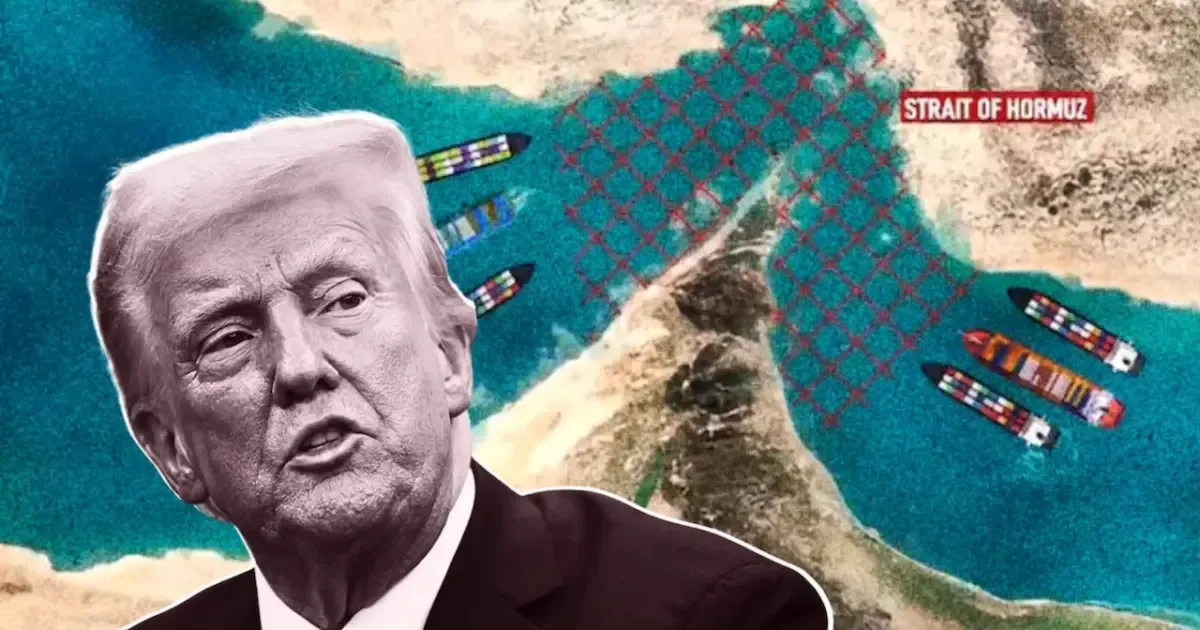
The Strait of Hormuz, a vital waterway connecting the Persian Gulf to the open ocean, is crucial for global oil transport, with about 20% of the world’s oil passing through it daily. Iran has historically threatened to close the strait if attacked.
In the initial hours of the war, Iran attempted to block the strait with mines and attacks on oil tankers. The US Navy responded by clearing mines and escorting ships. Keeping the strait open was a key strategy for the US and Israel to ensure oil flow and prevent Iran from using it as leverage.
The fighting in the strait was intense, causing damage to ships and a significant spike in oil prices. This disruption impacted the global economy, leading to higher gas prices and falling stock markets. Countries heavily reliant on Gulf oil sought alternative supplies.
The strait also became a diplomatic flashpoint, with China and Russia calling for a ceasefire to ensure safe passage. However, the US and Israel refused, vowing to continue until Iran’s nuclear program was dismantled. The strait remained a critical area of conflict.
What Comes Next: A Frozen Conflict?
Analysts suggest the war might evolve into a frozen conflict, characterized by low-level attacks and standoffs rather than a decisive end. This scenario is plausible for several reasons.
First, the US and Israel achieved their primary military objectives quickly, crippling Iran’s nuclear program and eliminating its leader. However, Iran’s military was not entirely destroyed and retains the capacity to retaliate.
Second, Iran’s network of regional proxies, such as Hezbollah and the Houthis, can sustain attacks on Israel and US allies, even if Iran’s regular military is weakened.
Third, international divisions, particularly opposition from Russia and China with their UN Security Council veto power, hinder a unified global response against Iran. This limits the US and Israel’s ability to secure a clear mandate for further actions.
A frozen conflict would likely result in continued instability. Iran might secretly rebuild its nuclear program and use proxies for attacks, while the US and Israel might conduct periodic strikes. A full-scale war would likely be avoided to prevent escalation.
The situation remains fluid, with Khamenei’s death potentially triggering internal power struggles or national unity against a common enemy. The US-Israel war on Iran has irrevocably altered the Middle East. The world watches as oil markets remain volatile and diplomats work behind the scenes, with the future still uncertain.
Frequently Asked Questions
When did the US-Israel war on Iran begin?
The US-Israel war on Iran began on February 28, 2026. The conflict commenced with coordinated military airstrikes launched by the United States and Israel against key military and government sites within Iran.
Who was killed in the first hours of the US-Israel war on Iran?
Iranian Supreme Leader Ayatollah Ali Khamenei was killed in the initial moments of the conflict on February 28, 2026. His death was confirmed by Iranian state media shortly after the attacks began.
What were the main reasons for the US-Israel war on Iran in 2026?
The war was primarily driven by long-standing tensions over Iran's nuclear program, which the US and Israel viewed as an unacceptable threat. The immediate trigger was the collapse of diplomatic talks, including the failure to revive the JCPOA and a subsequent interim deal.
What is the significance of the Strait of Hormuz in this conflict?
The Strait of Hormuz is a critical chokepoint for global oil transport. Iran threatened to close it if attacked, and in the war's early hours, attempted to disrupt shipping. Maintaining open passage through the strait was a key strategic objective for the US and Israel.
What is a 'frozen conflict' in the context of the US-Israel war on Iran?
A frozen conflict suggests the war would not end decisively but settle into a pattern of low-level attacks and standoffs. This scenario is considered possible due to the achievement of initial military goals, Iran's ability to retaliate through proxies, and international divisions limiting unified action.
How did the killing of Khamenei impact the conflict?
Khamenei's death created a significant power vacuum in Iran and was a major blow to the regime's morale and legitimacy. While it was a key objective for the US and Israel, it also introduced uncertainty regarding Iran's internal stability and its potential response.
References
- A History Of Iran's Nuclear Program And Tensions With US – Original report (NDTV World)
- A History Of Iran's Nuclear Program And Tensions With US – NDTV – Reported the launch of the 2026 US-Israel war on Iran and the killing of Khamenei.
- What were the main reasons for tensions between the United States and Iran before the 2026 conflict? – Britannica – Explored the historical reasons for US-Iran tensions leading to the conflict.
- A history of Iran's nuclear program and tensions with the US as an interim deal is signed – Marietta Daily Journal – Linked the nuclear history to a recent interim deal signing, indicating failed diplomacy.
- 2026 Iran war | Explained, United States, Israel, Strait of Hormuz, Map, & Conflict – Britannica – Provided an explainer on the 2026 war including geographic focus on the Strait of Hormuz.
- 3 reasons the war between the US, Israel and Iran is headed for a frozen conflict – The Conversation – Argued the conflict may become a frozen conflict due to three key reasons.